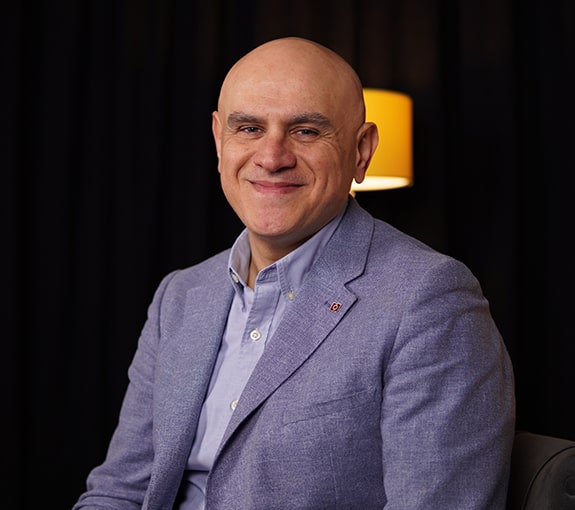
Healing Trauma

“a great talk on trauma with Bessel van der Kolk and Chris Williamson”

Let’s say that someone has never been exposed to your ideas in the body keeps the skore, how do you introduce your thesis?

how do I introduce my things? I usually show movies. Actually Hollywood movies, because you know when you make a movie you have to show it correctly, when you see somebody getting stuck and somebody being traumatized, like scenes from “the hurt Locker” or other movies about veterans coming home or about kids who have being molested. Usually movies capture pretty well. You can really see the way that people move and people hold their bodies and how people’s bodies react to the world around them is very visible, actually.

Right so you’re trying to demonstrate an outward exposure in terms of how the body looks of an internal emotional state

Yeah it should be have can beat each other, they we look at each other and hopefully you look pretty, calm and they see you getting upset or something. I’ll go  I’m saying something is upsetting him and so we give signals to each other and of course as a body oriented therapist you get pretty good in reading bodily signals.

so that everybody understands they see someone that stands in a particular way, has a facial expression in a particular way,  is holding themselves, that doesn’t sound that surprising if that’s the case. Why is the traditional way that we try to think about trauma wrong? what does the traditional Paradigm get wrong?

it is interesting indeed that it’s so obvious and I actually have gotten, you know my bookstore sold five million copies, I’ve hardly had any blowback of people say that I’m getting it wrong. I mean it’s really obvious, but know we come from a world of medicine where we try to define things very carefully.

Medicine of course is a very disembodied profession, we deal with the body, but we really don’t know about the body and psychology is about minds and how people think and about their behavior uh but psychology is a very has also traditionally been a very disembodied profession and the people who to my mind really get it are, theater directors, teachers, yoga instructors, martial arts people, musicians because in the real world you really get to see how bodies really move together through the world here

what is the difference between trauma and stress then?

 stress is what it’s like to be human, we’re wired for stress, we’re wired to arise to the occasion. You’re wired to have hard days and broken relationships and you know life is rough for all of us in one form or another. But when that stress is over you can like “wow I’m feeling better now” and the issue is trauma if the trauma isn’t assault on one’s being that really changes the way you feel, experience yourself, how you experience the world about you as your trauma really changes the way you move the world and who you are. so stress is a temporary thing. You have great biology of stress and there’s basically nothing wrong with stress. how we have come as far as we have as human beings but trauma gets you stuck and frozen in that particular spot of being enraged or fearful or terrified or something like that yeah.

 is there a link between trauma and chronic stress? is that just another word for the same thing ?

yeah you know it gets difficult, like chronic stress, if you work on a project, if you’re in the military can actually be quite enjoyable in the way because you feel that all your capacities are being used.  You see this after disasters that people who work on cleaning up disasters tend to feel very close to the people who they have gone through their experience with, gives them a sense of intimacy also and so. But the big issue that is being left out in most psychology texts and most be conceptualization is that we’re basically, we are social creatures and we don’t exist by ourselves, we don’t we always thinking about other people. We’re defining ourselves through who we belong to, what ethnic group belong to our religions, our neighborhoods etc etc. So we are social species and in trauma usually those connections with other people break down.

The very first study I did on Vietnam veterans but we found is that they actually were doing quite well during the war, but what if one of their best friends got killed? that really was what blew them up and disintegrated. It was really the loss of that social connection that really made something traumatic. We saw this again in studies after 911 in New York. You know it’s a horrendous event and all of us who are old enough to remember that most of us still are really remember very vividly what happened that time but very few people got PTSD because of was such an enormous amount of social support and nobody blamed anybody and then it turned out that PTSD were people who were in domestic violent relationships or who do not feel safe at home actually.

 that’s interesting

so being able to go home at night and feel safe in your own home, with the people you’re with, is a very powerful protection against getting messed up by outside events.

 yeah the role of casting off the stress, you know, my favorite example of this is if anyone that’s listening has an intense phone call they’re on the phone to somebody and they it’s a difficult work call or they’re really trying to think things out but it’s Audio Only they’re not on Zoom. uh you’ll find yourself like a puppet master has gotten a hold of you and made you stand up from your seat and you’ll find yourself walking around the room yeah but why

if you have somebody who you trust and care for who’s in the next room you tell them “honey listen what just happened to me what this [ __ ] did to me” and Y says “boy I don’t know how you can stand that” when the person backs you up, you feel much better inside but. If your honey says “well I’m not surprised, he said that to you because I see the same stupid thing that you do all the time and he’s absolutely right in the way he talks to you” then it really becomes a much more invasive issue that’s the social reception makes a huge difference.

Why would it be the case can you think of an adaptive reason or an explanation for why individuals going through trauma would shield themselves from other people around them? given that people around them are exactly the thing they need to improve their relationship to that emotional state?

That’s because they have learned that the people around them at some points could not be trusted. The people who are closer to them, hurt him or push him away, or they anything to do with him or criticize him all the time and so uh you know it is really what you learn during your trauma is that  “I thought I could trust people, but I can’t. I trust that people will be there for me, but I can’t” and that becomes so you get very suspicious about people reaching out to you because you have had experiences that people do terrible things to you and so that may get become part of your wo and warp of your brain actually yeah

what’s your definition of trauma? is it an event which occurs outside the bounds of normal human experience?

we started off and it was a crazy definition because uh you know the majority of people have had trauma in their lives you know I keep looking for people who come from a perfectly normal family and I still have a hard time finding them actually. we all have major challenges and so see know my organization the time Research Foundation just is putting out statements right now and we’re still really vestling with the idea how do you define trauma and the trauma is really that you get hurt by something and you get changed by it but that something may be any variety of things it may be a rape you very clear maybe seeing your kid being run over killed that’s very clear but sometimes it’s just being chronically ignored and dismissed that eventually really gets into you and that becomes part of your framework of with who you see the world yeah

when it comes to the body keeping the score, what do you mean how does the body actually register this? what is the mechanism? how does it manifest ?

the brain registeres it but your body experiences it, and your body it out so what happens is that you don’t remember the trauma so much as you continue to react as if you’re being traumatized. So let’s say you have been sexually assaulted and you go on with your life. You say “oh this was just one incident. I’m really stupid for getting involved in it, it’s not happening” and then you get excited about somebody who you want to be with and then that person touches you and your body freezes. Or you start crying, or you become really angry and your body reacts as if you’re getting assaulted. You don’t make that connection say “oh I really like this guy and I like to be involved with him but my memory of the trauma interferes” No it’s an automatic mind process that gets in the way of your letting go at that point.

 yeah you say that trauma robs you of the feeling that you are in charge of yourself , harrowing but accurate statement I think

yeah and so you know people defend themselves against that and say “oh it is because he did something wrong” or because “he talked to me the wrong way” or but at the end  I’m just writing our new book, finished last chapter of our new book and I start off with a quote from Marcel Proust “in order to change you need to see the world with new eyes”

So at the end if you really want to recover from trauma, you need to, we need to help people to change their perceptions of the world, we’re not going to change the world out there. But we’re going to change what they see and how they experience themselves and the people around.

well ultimately we are not in control of what is going to happen to us in life. We really only have control over our reactions

well we don’t even have control of our reactions. At some point you need to go to the bathroom, at some some point you need to not hold your breath, at some point you need to go to sleep.  Some people will make you angry and other people will make you feel all warm inside. And you don’t have much control over your reactions, you have some control over how you behave and that’s really the difference between little kids and adults. Little kids do whatever happens to them and they react to it. As adults we get a prefrontal cortex and hopefully most of the time we can make decisions about how we react, even though our bodies to tell us “don’t trust this guy” he can still talk to that person as if you trust him.

 this is something I really want to dig into and I think a lot of people listening will resonate with this, they are thoughtful inquisitive reflective people. they like their cerebral horsepower and their cognitive ability. they understand that something can occur and they can control their behavior and yet at the same time I that they have a degree of control over their behavior even if they don’t have a degree of control over their reaction in the way it makes them feel. At the same time we also need to be aware and give respect and integrate and  become noticing of the emotions that arise inside of us and I can see a degree of tension between these two things. The person that wants to feel like they’re in control of their life and has agency, the person who also want wants to appreciate and integrate the signals that their body is giving them but not be at the mercy of them .How do you think about the tension between these things ?

what terst people often have discover is how little control they have and in some ways the people who become my patients are among the most conscious people you ever hope to meet, because they’re willing to explore their themselves and most people are not so eager to do that. They want to, they rather stick with their habits in life and push away anybody who interfered to the usual habits and the people who come to my office say “I cannot stand what’s happening inside of me anymore and I need to be actually become in charge more of my own reactions”. So therapy actually is a very courageous act of confronting your internal demons and confronting the pain and hurt of your life actually yeah.

 so it seems to me that when we’re talking about trauma, people have a reaction to an event which typically would not engender that reaction, they are  trauma sensitive, they are overly reactive in a scenario that maybe doesn’t warrant it because of something which they have learned in their past. Is that a correct framing?

so learned I wouldn’t say learned something has been installed in them from the past and these are not higher level cognitive processes are elemental react activities that have to do with the area of the brain involved in the “housekeeping of the body” as Antonio Demasio calls it

what is that from a neuroscientific sense?

 oh it is your vental Tech mental area, your amygdala, your acal gray the prunus it’s a back part of your brain, that we have in common with all animals that help us to perceive what’s happening to us. On a elementary level the same way that your dog hears the thunderstorm and crawls underneath the couch we have the same brain as the dogs have and on top of that we have a big frontal lobe that hopefully makes slightly more capable of managing our emotion is that dogs do but many people don’t

yes  I’ve met many people who don’t have any more emotional control than dogs do and I think that tension between wanting to feel like “The Architects of our own life” and understanding that we have a limbic system which very much is the elephant that we sit on top of and it’s not the elephant that’s got blinders on, it’s us the rider. But we have this belief that we’re the one that’s in control . I think that tension is where some people are probably resistant to ideas like this because it feels disempowering, it feels like there is an architect pulling their strings.

well yeah yes and no. you know with any sort of self-reflection we all know that we all are aware of that in a way. You know just know there may be some people who don’t want to go there. but they are very …

I mean I understand that may not be the truth, but I think that it explains at least to me, you know,  I don’t like the idea that I’m not in charge. I don’t and I will find ways to resist that belief, even if I know that it’s true, I try and sort of finagle and find ways to go through things. So I guess one of the you mentioned it earlier on different people reacting to the same event will react in different ways some. people will be traumatized and others won’t be.

 people make a big deal out of that, you know having the practice that I do, wanting the center that I have for 50 years, I never meet somebody who has been traumatized I go like “boy that’s a pretty silly thing to get traumatized by”  you know usually if you dig deeper to what people have been exposed to, you go like my “God and you’re still here, you’re still able to tell the story”,  it is not like something happens and everybody else is fine and you got traumatized by it. Usually if you really look at the details what happens, you see that it really was a very painful experience and my reaction almost invariably hearing the story about the people I work with. what they have gone through is like “oh my God how the hell did you survive” and I never have the feeling that “oh I would have done much better than they did”.  

this is something else I really wanted to dig into which is the minimization and the shame that people feel around them, not having anything worthy of being labeled as, oh no you know that was when I was a child, oh you know it was just one time, oh it was whatever, can talk to me about that. Talk to me how that can hide in the dark some of the things we’ve experienced

you know we all want to be normal. you know one thing came up in the last few days is how almost everybody wants to tell other people “I came from a very happy family” and you don’t really want to know that your father was a drunk and your mom spent half of her time in bed and stuff like that. So so we want to be normal, we want to be acceptable, and so we make a construct of ourselves, of people who are in charge of ourselves and who have always been loved by the people we close to right. That is how we like to experience ourselves, this it’s not very true, but you know we like to look good to the world

yeah no one, no one wants to admit just how insane they are I think and there’s two layers. There’s two layers to this, that I was thinking about when looking at your work; the first one being the minimization and the shame that we have around situations, that have happened to us in the past and the second one being the shame around being triggered by seemingly small events in the present

yeah yeah and and you say to yourself “don’t be stupid”. You become very judgmental about yourself and very ashamed about your own reactions, you’re ashamed, you don’t want anybody to see you for who you are

yeah it’s the story that we tell ourselves, yeah about our reactions that seems to be the really unnecessary degree of suffering that we’ve laid on top of all of this

yeah you know it’s a way of coping and so this missing things is a very good initial reaction like “I want to go on with my life and push it behind me”

 I don’t want this to Define me

 it’s a healthy thing to do and for a while it often times helps many people. Until you have a kid or you are in a relationship or something, that really comes closer to what happens to you and then you start feeling the old feelings and having the old reactions again and you go like “what the hell is wrong with me” you usually start with “what the hell is wrong with this person who I’m hooked up with”, you usually blame it on the other person, after a while if you’ve seen that one relationship after another ends up the same way, you go like “ maybe something to do with me”, but it’s not that’s not the automatic reaction automatic reaction is say oh “it’s because you are …”

well yeah there’s a a quote if all of your exes are [ __ ] it might not be them that’s the [ __ ] you are the common denominator between all of your exes

that’s a good summary of a…

one of the things I’ve been thinking is whether experiencing traumatic events and having trauma sensitivity predisposes us to being more sensitive to Future traumas? does this become a a recursive loop in that way?

 oh yeah absolutely, that well generally you know it’s also true that some people have been traumatized become very good at stuff. So let’s look at the positive thing first, I have met a number of nurses or kindergarten teachers, who are spectacular nurses, spectacular kindergarten teachers because they were traumatized as kids and they know what I- they would have needed back then and so they give to people what they felt they didn’t get themselves as kid. That is one adaptation that happens sometimes. But more often people are out of touch and repeat that trauma early on. But I meet quite a lot of people very deep down I think to myself- I don’t say it because most people don’t have enough sense of humor about it- say go back and thank your abusive parents for having been abusive because it made you very good how to take care of dysfunctional people around you.

well I suppose if every trauma made you more susceptible to traumas, you would just have a linear graph over time of people getting more and more traumatized as they get into older age. They would just continue to accumulate and continue to get sensitive and continue to be accumulate and continue to get sensitive

yeah that’s of course not how it goesİ because people also have lives and some people are able to arrange to have lives that are more or less predictable and where they can play a useful role and where they shield themselves against  unpleasant surprises more or less. Easier to do when you’re somewhat privileged person, harder to do when you’re poor and brown let’s say

is there anything that we can do during difficult events to minimize the way that they imprint on us?

you know my agenda, I’d like to say as often as I can is that in every school from K through 12 we should have weekly classes and laboratories on understanding ourselves, to learn about how our brain functions, how our body functions what happens to us when somebody touches us, what happens when we throw a ball, what happens when you make music together ,what happens when you interact with people and that to my mind the a very important part of the solution is teaching every kid from the beginning of classes. The four are Reading, Writing, arithmetic and self-regulation and make yourself an important part of the study that we do and I think our society would change if all of us would learn that systematically  that we learn about brains and neuroscience and how brains interact with each other and experience what it’s like to play ball with other people, to be involved in rythmical activity what does music do for me? what does things like these crazy chi-gong movements do for me? what is it like for me to sing with other people? how do I affect other people? All this stuff should be part of our basic training. as it’s often times okay of course is for many privileged people who actually go to schools where and live in households where people learn stuff like that yeah

yeah I understand that self-regulation is a great tool for dealing with and make making yourself feel better

 yeah and but also understanding yourself really knowing when I get upset, listening to that piece of music makes me feel better, or I found that when sit in front of a piano place of music that I calm myself down, if somebody if I can play volleyball with somebody and really that in your course of your education and you’re growing up, you really learn what makes you feel good and what can you do for yourself when somebody upsets you.

 yeah I’m really trying to work out how much of that I really want you to dig into… is that an ability to simply cope with the emotions that come up? or is it something which will reduce down the echo that it continues in the future or is that one and the same?

though what I’m talking about really is that we raise conscious human beings who are really aware of themselves. Aware of their own reactions, who are aware of the people around them and what effect they have on other people and that this really becomes a serious area of study to live in a more conscious Society.

 how can people learn to be more self-compassionate, we live in a meritocracy people want to achieve things they want to grow and and improve and yet that a lot of this seems to rely on self-compassion. What’s your advice?

you know self-compassion really comes from having been met and having been seen and that becomes your framework of yourself. So if you come from indeed a loving kind and responsive family it’s likely that you do feel self-compassionate and that when you learn that “when I fall down somebody will be there to pick me up, people don’t yell at me and scream at me from falling down, but they’re really there for me in a way”, that is how you learn to be there for yourself, also and the a huge thing that we see in our work is having a history of abuse and neglect early on your life really more or less guarantees that you see yourself as defective and wrong and not a good person and disgusting sort of stuff. An extremely difficult thing to treat.

The first thing that I’ve actually seen work for that was the research of which I was the pi on psychedelics MDMA, where we saw that psychedelics really dramatically increased people’s capacity for self-compassion, where they really are able in the psychic states to go to whatever happened to them and to really feel very deep ,believe what happened back then and they go “yeah that’s what happened to this kid, this kid was only three years old and did the best he could, or he was only eight or he didn’t know how to deal with his bullies in high school and he felt so weak and stupid but that’s all he could do”.

So on psychedelics you really -MDMA particularly- we see this emergence of this capacity to really accept yourself for what has happened to you and not blame yourself for things . And I’ve never seen it to the same degree with any other form of treatment I’ve studied.

 that’s really beautiful to think about the person that you were when that thing happened to you and to say something like you did your best you know you want to pick that person up and give them a hug

but it’s  not cognitive, it’s not like a frontal. it’s really in pych you really deeply experience yourself on a very deep level and it’s also outside person telling you “it wasn’t your fault”, you just -because that’s you- never believe that reallY, but it’s yourself really feeding what happened to you and getting internal sense of time so you don’t no longer identify with that kid who was being bullied or was being put down or whatever you say “oh I’m so sorry that you-I back then had to go through that”.

 you say that we shouldn’t keep secret from ourselves and it seems to me that what we’re doing with psychedelics also breath work practices in some ways anything that allows you to to sort of both disregulated and regulate a little bit under control uh and make yourself feel safe to tap into these things uh it breaks down the secret wall that we are able to construct around those ah “this doesn’t feel safe I can’t think about that thing I don’t want to go back to that place” and it helps you to sink into that more

yeah and to my mind this is becoming a very urgent social issue. I don’t know whether you have heard or seen the new book by Jonathan Height

Version 1.0.0

he was on the show a couple of weeks ago

very important book  that we are raising our kids behind screens and not to explore and not to feel things and we give kids a false reward system by screens where they don’t have to do anything and I think screens will have a major negative effect on self- knowledge and self-experience actually, and I think we really need to listen very carefully what Jonathan has to say about that yeah
digital anesthetic is one of the ways that I think about it, people who are going through something emotionally uncomfortable can distract themselves with their screens, that results in you basically not connecting with your life, the emotions

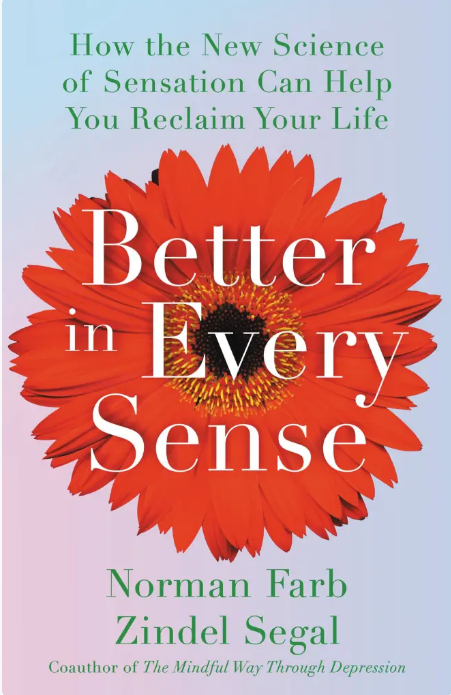
you know it’s not black or white of course, it’s okay to distract yourself, it’s okay to not confront all the misery of the world all the time. So  I totally understand that and actually encourage it that when something bad happens to people, they could do something else to not dwell on it. and there actually another very important research, piece of research, that’s just beginning to make it into our consciousness by Farb and Zindel Segal about how your sensory experiences, your feeling things, your senses and doing things that make you alive, your senses, help you to get out of habitual ways of doing things.

For example I did the first study on “yoga for trauma” and we had amazingly positive results and now with the evolution of neuroscience I’m beginning to understand more and more why yoga can be so effective. Because in yoga you really pay attention to the internal sense worlds and that seems to be a very important avenue for you to feel that you can meet yourself and be in control of yourself

say more about that, why is that so important what is it about the attention being deployed?

because we all get into habits, our brain creates habitual system that’s so basically the brain is a predictive organ, the brain tells us when I talk to you in Austin Texas,  I can expect certain things and if you do something that is very different from what I expect, I have to change my take of you, but ordinarily I go into a habit of doing the same thing and talking the same thing. But if your habits no longer work for you, you always blow up at your kids or you always freeze in front of your boss, you need to get a new habit and the new habits get formed by activating the sensory system in your brain. Opposite of what you do with screens, you dull your sensory system in your brain with screens by doing action, meditation, yoga, probably martial arts, stuff like that. You really activate new habits.

talk to me, there’ll be a lot of people listening you go, okay Bessel that sounds spot on that makes sense to me I understand how our emotions and our reactivity can become hyper sensitized, but this goes quite a few steps further, how does trauma manifest as an illness? an illness that people would typically recognize what are the ways that can happen?

well you know of course I’m an MD and a professor in medical school so I know the medical model but in our work I don’t have a medical model. not your disease and you areTn you know a lot of people who have never been to psychiatrist are crazy as loons and people who are be psychiatrist found most sensible people I know, so pathology is when you miss the boat, when you keep doing things that mess up your life and the life of people around you, that’s the pathology. So I you wouldn’t necessarily give that a psychiatric label but all somebody’s friends will say “they’re doing it again” you know.

 yeah talk to me about some of the more typical illnesses that people would not think stress and trauma in this way contribute to and yet can stuff like fibromyalgia

you know these are no these are questions that should be asked more often uh in part because we have so few answerers to this point, is that it’s very clear that  fibromyalgia, chronic pain, autoimmune diseases, I’m not saying that autoimmune diseases are caused by trauma but they certainly are made much worse by trauma, it makes you much more vulnerable to develop them, all these somatic responses, have been identified but barely studied and barely really systematic looked at, how what can you do and how can you best take care of it. But they’re clearly trauma related and they’re clearly body related and but because there is so little attention in the research world on “how we process bodily experiences”, that this is very largely still an unknown territory and my foundations I started the Trauma Research Foundation actually is particularly interested in promoting studies on these sort of things that have not been studied or funded before.

 it seems interesting to me or totally unsurprising that chronic elevated concern and worry and inflammation in the mind and the body would not make… how how could it make anything better I don’t understand why that wouldn’t be something which is a contributing factor

uh it really is,  but I think our academic work is not there to really systematically explore body sensations and how to change people’s relationship to their bodily experience.

well I suppose that testing that is very difficult, you know here is a dose of a drug, we gave this many people in this cohort that dose for this long, these are the results, these are the self-reports, for you to say “Chris how does your body describe to me the sensation what’s the inner texture of your mind like today”

 but you know you can study it if you put your mind to studying it, know like um like at the beginning you don’t have vocabulary for it, you don’t know how to do it, but you learn how to do it. For example the very first study that we funded uh from our foundation is “a study on the impact of touch” and various forms of touch on a group of people who have no trauma and a group of people have been traumatized. You know to me it’s just fascinating that people have studied eyesight, people have won Nobel prizes studying vision, people have won Nobel prizes audition, but touch has barely been studied.

what did you find

oh we’re not, we’re still in the middle of the study, actually we’re funding it and next began I hope the first to he the first report on what they’re finding

hell yeah okay so when it comes to modalities uh and getting better both dealing with in the moment and unwinding the broader patterns, what are the principles? is is there a framework? what is it that people need to focus on when it comes to treating trauma?

well the the main focus is, when you’re traumatized you lose your core sense of safety and in internal integrity and so the greatest challenge is how you induce a sense of Total Safety in the organism that a person lives in. And certainly judging by my own experience and many other people since the time, having having body work done in you ,working with yoga, tai-chi , chi-gong, everything has that activates your relationship to your own body is is sort of Step number one uh sitting in the hot tub ,being able to be touched, being able to to just s of let go uh is the first step to to to shut down the alarm system that’s always active.

 yeah presumably if that isn’t shut down no further work can be done

that is my sense yeah, but also very striking actually is that up to now, basically all of our treatments didn’t work all that well with very shutdown people and one of the surprising findings of our MDMA study was that very shutdown people actually came to life on MDMA. just like wow!

why would you think what could you hypothesize would be the reason for that?

what we hypothesize is that I the MDMA changes people’s awareness of themselves ,you know we can talk do some what they call bio Babble, we can talk about the serotonin receptors in the brain, you’ll say oh he must be very smart he knows about seron recept, but doesn’t really explain anything, now I have some words to use to explain it. The brain is an incredibly complex organ um but we’re beginning to get some little understanding about what might be going on to make that happen.

 Okay so that’s step one yeah what does step two look like

 step two is to be able to feel what you feel, and to really be you know that’s what for example mindfulness practice should be good for it’s not as hot a topic as it was a few years ago but mindfulness very big and what is also true is that doing mindfulness exercise, doing medic meditation, can be very stressful because as you shut down all external input, you feel yourself and feeling yourself can be a very scary and unpleasant experience actually. Which a lot of people don’t what to do, so they turn on the TV and they have lot of input in order not to feel themselves, but if you cannot live in silence with yourself you’re not okay. And that’s what you see with soldiers who come back from Iraq and Afghanistan, first thing they do they turn up the volume, they make a l of noise, they don’t want to feel what’s inside of them, they just want to go all that stuff out there.  And that’s because they’re scared of themselves and so  learning how to uh and most of us need guides for that, somebody who encourages us to do it and has with us and say well I know it’s difficult but I’ll help you to meet yourself and that’s a really important thing, yeah.

 yeah it’s a common realization of mind that on the days when I haven’t allowed my mind to talk to me during the day, it usually comes back and gets its revenge when I’m trying to go to sleep on a nighttime

yep yep it’s interesting how this going to evolve, I see things sort of going up and down and depend very much on the environment you live in, when I go to the Bay Area I see a lot of people doing the sort of things I’m talking about that seems to be some consciousness about it, maybe Austin Texas maybe another place, it’s very sort of geographically happening at different places and different times yeah

yeah you’ve got an odd sort of domain centric uh trickle trickle down effect uh and the UK as is tradition will be last to do it

well but I know some very very mindful people UK or

 I know some mindful people too it’s a slow adoption state, though apparently the Atlantic is a little bit bigger to get health and wellness things to go across it

always interesting how in many ways I just came back from two months in Australia, I think Australia is I met some Australians who said, I said, Australia is so much like America we’re just slightly more screwed up in the US, slightly? and you know it’s interesting a friend of mine just wrote to me said, “can you help this friend of mine who’s writing about all the trauma in America” and I said “well I’ll talk to him” but he also should talk about the enormous creativity and The Innovation that continues to come out of our culture and maybe the two of them are two sides of the same coin and it’s interesting I go to Europe quite a bit also um and standard of living is great in Europe, I think standard of life is great, but they’re not quite as sharp and innovative as Americans. I think our world being is unpredictable and of times scary does keep us on edge a little bit here in the US,  again the same theme as we talked about before,” if you’re privileged it’s a great place to be creative but if you if you’re down be yeah

I mean I I love Italy Rome is my favorite city on the planet and I I I’ll never forget the first time that I went from Leonardo da Vinci airport to the center of Rome on the Metro and it was  2 p.m. something like that , there was an Icelandic girl that I was going on holiday with and I she was going to be an hour’s time and I was like I’m in Rome I’m getting an espresso and I’m going to sit outside and eat a Quant, so sure enough I find a local cafe and this dude comes in in a business suit, no tie and it’s 2:00 and I presume that this must be his lunch break and I saw him spend probably 35 to 40 minutes of what I’m going to guess is maybe a 50 or hourong lunch break just with a glass large glass of red wine, sat outside just sipping it, some people coming in and out maybe he was a local he sort of had a little chat to them and yeah that culture does not engender the permanent ambient anxiety and vigilance of spurning creativity that you would have in you know the caffeine fueled Americas

yep but as you sort of imply, his life is slightly better than

pretty enjoyable pretty pretty enjoyable lunch break ,okay so we’ve allowed ourselves to feel safe

well learning how to be mean for many people that’s a major Enterprise actually. To discover what makes them feel safe actually yeah

these are the situations that make me feel safe, these are the modalities that work for me

yeah the experiences, I always call it a journey, it’s always a pilgrimage to find out what works for you.  For example I really am very fond of body workers and people are very good massage, people very good to learn that it’s safe to be touched, they get comfort out of touch yeah, but sometimes for some people music does it for some people do being part of a volleyball game or being part of a dojo with martial arts  makes it feel so you need to really discover it’s an it’s an Enterprise for yourself it’s important to know that about yourself yeah yeah

and after we’ve started to feel into those emotions, step two, we’ve sat with that, what comes after that ?

comes after that so what comes up that keeps getting in the way and then you need to really explore what get in the way and begin to talk and have language for yourself and say “know whenever I meet a person like that I get really upset” or “whenever Christmas comes along I get really depressed and I really don’t want to go home”, or “I go home but I feel always depressed afterwards. I wonder what that’s about”, you need to ask questions of yourself and what has informed your personality to be the way it has become yeah

does having the understanding reduce the power of that response?  I’m just thinking when Christmas comes around I feel uncomfortable to go home that’s because throughout my childhood I didn’t feel that safe at Christmas and there was always this competition between me and my brother or whatever whatever and I’m wondering what the final step to close this Loop is

it’s not the final step, I think knowing why you’re screwed up does not necessarily make you less screwed up. But it does give you choices. like if you really remember what CHR were like and you allow yourself to remember it because we prefer to think  “we all come from very happy families and let me show you pretty pictures of Christmas bunnies” or whatever you know like uh and you go like “no it wasn’t so great” you can go maybe this year I should not go home for Christmas maybe this year I’ll go to Mexico for Christmas, so you start being able to make choices, but it doesn’t abolish it and I think what abolishes it is certain techniques that allow you to go deep down there, the technique used to be hypnosis for 100 years hypnosis, sort of been wiped off the map, nobody’s doing it anymore, I’m sure it will come back because being in a trans is very important because you need to get out of your ordinary consciousness to be able to observe things in a somewhat dispassionate way, Something like EMDR can get you there, a variety of other techniques and again on psychedelics also you can really alter your perspective on things and and you need to have experiences. So once you have a language, you can create experiences for yourself that are different. So you can say maybe this year I will not be spend Christmas with my older brother until he and I have a conversation about what really happens between the two.

one of my favorite quotes is from keny rache and he says “ultimately in life happiness comes down to choosing between the discomfort of becoming aware of our mental afflictions and the discomfort of becoming ruled by them”

 I went to an office in Harvard Square, it’s my first office after I finished my training and the bathroom wall a patient had written “live with the sadness of your limitations or the pain of your transgressions

oh wow wow live with the sadness of your limitations or the pain of your transgressions yeah, just because we’re throwing quotes at each other one other one from last year that stopped me in my tracks from Neil Strauss the guy that wrote “the game” he’s a pickup artist dude and he’s kind of now transcended that he’s actually coming on the show in in a couple of week,s he said “unspoken expectations are premeditated resentments”

interesting

and I think that that’s absolutely true. So what you’ve said you mentioned about giving herself language, giving herself the language to be able to understand and make sense of why might this be the case. Everything that we’ve spoken about so far ,except for you know Bodywork and you can do things in classes, but the unpacking and the unpicking of these stories hasn’t yet you haven’t yet talked about it being in relation to somebody else about opening up and explaining this story to somebody else. What’s the role of of sort of communion and and conversation and other people here?

 it’s a tricky issue. You know therapists always talk about relation and then my reaction is “it’s not really a relationship” a relationship is if I look out for you and you look out for me. But in therapy it’s some way not entirely it’s a oneway street hey as a therapist I look after you and you don’t have to look after me. I use my reactions to understand you better, but I don’t expect you to take care of me or to be considered of me all that much and so yes I think the interpersonal aspect is terribly important, you need to feel that somebody is on your side and somebody has your back, and I think relationships become important and when you’re traumatized often times your relationship become very impoverished, but the relationships you have with real people and not so much with your therapist. Your therapist becomes a role model to some degree maybe, but most of all it becomes a deeply accepting essence who helps you to be curious and open about yourself and it gives you the courage to meet yourself actually. That’s what I would say.

 there’s a lot of criticism and skepticism at the moment about therapy and therapy culture Abigail Shrier recently wrote a book called “bad therapy “she went on Joe’s show. She came on this show. what what do you think therapy looks like when it’s at its best?

 well you know I’m also I see a lot of terrible therapy going also and you know I do a lot of supervision in various countries and and I meet therapist all the time who says “how do I manage these patients” and I go “you don’t manage other people, I can barely manage myself. I cannot manage other people at the same time but I can help you to feel yourself, to understand yourself, and to really go deep inside and I have some tricks in my book of a variety of different techniques, that will help you to go deeper into yourself”

But in order to do so you have to become subject of that yourself. So you have to go through it yourself and really have explored, deeply explored, your own mind, your own history, your own psyche. I can proudly say in my book I experience every technique I write about and I know what it did for me. Some of them were more helpful than others. But it’s very important for a therapist to become the subject of therapy themselves. And that’s no longer a requirement, i in psychiatry people are not at all expected to do their own therapy. How interesting the drugs that they give to people I almost got fired from my medical school because I used to tell my residents “you know when you give these drugs to people you should take it yourself to see what it does to your mind” and Dean said “one more comment like that you should faulty”

Francis Galton who was the man that invented Eugenics back in the 19 1900s early 1900s such a fascinating absolutely fascinating guy. he submitted a patent for how to cut a birthday cake so that you don’t ever get it to go hard so rather than cutting it in slices you cut a a bit down the middle and then he pushed the two outer parts together. His sister was uh born with a a spinal condition so she laid on a table while he spoke to her and he educated her through speaking to her . he was a a very quirky guy it’s very worth looking into his history but one of the things that he did was he went through he went through the list of pharmacology treatments and medicines alphabetically and I think he got to C and then when he got to C he took something I can’t remember the name of it it’s like catswood or something, he took some he he took something that caused caused him to [ __ ] himself so badly that five decades later when he wrote his autobiography he still had memory of like this violent diarrhea

yeah I’m doing a thing on William James right now, the federow of American psychology and he tried it all himself also and he did some weird things with himself

the things the things that we do for science

no but we should you know you. I don’t think you can be a det detached scientist you still make selections of what’s important what’s unimportant and so your emotional brain labels what’s important, what’s unimportant.

 okay so we’re talking about therapy being one of those things which when done well can be fantastic when done badly and and sometimes is done badly doesn’t necessarily help. I think one of the questions I had coming in was how much of the modalities that you’re suggesting are dealing with symptoms or able to unpick deeper responses and it seems to me like they most of the effective ones do both, that they create a state in which you can then move a little step deeper and I can still feel safe and this is okay and let’s have a look at this story, what’s the emotion that’s coming up, and then that’s okay so we move one step deeper, okay what’s the story why might this be the case I can use a little bit of executive functioning without ripping myself out of the emotion, but I can still use bring a little bit of the front brain in and start to see this for what it is. Okay what might be a good way for me to continue, how can I stress test this, how is this true and that that seems like a a good model to me it seems like a nice balance of of control and of ease um that that makes a lot of sense

yeah so you know it’s is not the culture we live in, the culture we live in is that people adhere to a particular treatments, let’s say you’re fraudian and psychiatrist and that becomes your answer to everything. And you see that often times in therapy I see that many my colleagues who are about my age who have studied the same treatment their entire lives and they found that data 30 years ago, but they’re still doing the same stuff, instead of saying “now let’s see what else works” and what works for the people who didn’t work for they keep doing the same and a lot of therapists tend to be like that. They find one little thing and they continue with the same thing. And what my program has always been very much about is we learn a lot of different things and uh and so therapists tend not to evaluate on a regular basis something I’m very much promoting these days,  to on a regular basis see so how far have we come, what has been accomplished, and what hasn’t been accomplished, and what do we know can help with that.

Let’s say if you are chronically anxious and frazzled, despite the fact you’ve done a lot of stuff how do we deal with that? does a yoga practice help for that? let’s see. maybe a neuro feedback practice helps to calm that brain down by changing the rewiring of your brain. So it’s very important and that’s not happening right now in any program that I know of where people learn about multiple options and learn about what options are best under what particular circumstances.

 you mentioned that you tried every modality that you put in the body keeps the score. Which is the one that you have found to be either most impactful or the one that you keep coming back to most regularly?

 I  come back to basically all of them. My favorite clinical activity is “Psycho Drama” where you can have a virtual three-dimensional experience of how things could have been different back then. So that’s my clinical practice.

What was most helpful for me, I think of all things I’ve done was wolfing (?). I was born in 1943 under conditions pretty similar what the kids in Ukraine are experiencing right now and that became a imprinted on me. I was a very sickly child like many people of my generation that entered the war, lot of kids died and I was a sickly kid and I was living in a semi sickly body and what was extraordinarily helpful for me was getting wolfed (?) in is a very intense form of body work where my body was rearranged to be more flexible and not be stuck in that frightened little kid part that was pardon me nothing to do with cognition, it is just my body was free up freed up to respond differently to the world. So it’s very different from how was trained with for psycho analysis basically.

 yes uh I think he would have been, Freud might have been surprised if he got turned into a pretzel at some point and was made to be more limber than when he walked in

how about so for me the the body piece was very important but you know I did the first studies on Prozac, I started off being very promising young psychiatrist because I identified project as being useful, I did the first study on it and these days I’m not much of a psycho pharmacologist anymore. Like I started off believing like my profession question did at the time, that maybe chemicals will be answer and as our work progressed it was very clear that chemicals may play a minor role but not a definitive role in helping people to heal. Yeah.

 looking to the future I know that you have a lot of studies that you’re either involved in or funding at the moment you’ve got this new book coming out what from a modality and research perspective what are you most excited about ?

well it all depends on the culture we live in, at the end everything is political, what gets funded is political, what gets paid attention to is political and so what I’m in terms of what I’m working on that’s exciting, is psychedelics. Because I think psychedelics bring the mind back into Psychiatry it allows it to look at mental processes that change and it allows people to discover things about themselves that nothing else that I’ve seen does so.

But at the same time as  psychedelics become legal I worry that it will get totally screwed up , kind of pharmaceutical companies trying to create new concoction so they can make an optimal amount of money, people getting psychotic drugs without any contextual input, they’re just giving a drug without helping people to process them. And I’m very very concerned that this is very likely to get screwed up. in the same, that know you know I’m old enough to be part of the first LSD Revolution and it was very exciting then also. But totally people blame the Nixon administration for a good reason, but the people are doing second were not the most responsible people either.

 yeah yeah well I mean look at the original introduction of MD Ma you know over 100 years ago, we’ve come full horseshoe back around to exactly where we started except for the fact that it was regulated for a century and no one actually got to do any research with it

yeah well some people did actually, it was there a little bit of research before, but here’s a good example of what happens in politics, so I’m a senior medical student at the University of Chicago and my last rotation was a drug addiction rotation and may be more or less invented methodo treatment for heroin addiction.My boss Chuck Schuster was a very lovely guy interesting to work with and he used to smoke dope from time to time, that’s normal for those days, he became Nixon’s Health Zar, he goes on television and he says” these drugs watch your brain” I go “heh? you know better than that”, but because it is so politically the right thing to say he was the lead person saying that he’s what your brain, he knew better than that.

 perverse incentives everywhere. What can you tell us about this new book?

the new book is very much about uh it’s called “come to your senses” and it’s about really the critical issue of introspective and body self-awareness that how do you become aware of ourselves and how we change our relationship to ourselves and that’s really what the book is about.

very cool. Bessel vul ladies and gentlemen .Bessel you’re fantastic I love your energy I love the fact that you’re so dedicated to this where should people go they want to keep up to date with the stuff you’re doing ?

time Research Foundation is our time, research.org is our website and always a lot of stuff happening.

hell yeah Bessel I appreciate you thank you thank you Chris bye if you enjoyed that episode you will love a selection of the best clips from the podcast over the last couple of months and it’s available right here go on give my watch

Psikoloji / Psychology içinde yayınlandı | , , , , , , , , , , , , , , , , , , , , ile etiketlendi | Yorum bırakın

Rüzgarın Telefonu

Instagramda yeni şeyler keşfetmekten çok zevk alırım. İnsanlar ihtiyaçlarına çeşitli farklı ve yaratıcı yollar ile cevap arar ve bulurlar. Bunlardan bir tanesi çok değerli bulduğum ve duygulandığım “rüzgar telefonu” oldu.

Web sitesinden değişiklik yapmadan çevirisini paylaşmak isterim:

“Rüzgarın Telefonu, Japonya’da Itaru Sasaki tarafından kanserden ölen kuzeninin yasını tutarken oluşturuldu. Sasaki, eski tarz bir telefon kulübesi satın aldı ve bahçesine yerleştirdi. Kablolara veya herhangi bir “dünyevi sisteme” bağlı olmayan eski bir döner telefon kurdu. Burada Itaru, kuzeniyle devam eden bir bağlantı hissetti ve yasının ortasında teselli ve şifa buldu. Itaru, telefon kulübesine Kaze No Denwa (風の電話), yani Rüzgarın Telefonu adını verdi.

Ertesi yıl, 2011’de, 9.1 büyüklüğündeki bir deprem, Japonya kıyılarını yerle bir eden ve binlerce can alan 30 metrelik dalgalarla bir tsunamiyi tetikledi. Birçok kişi denize sürüklendi ve cesetleri asla bulunamadı. Ōtsuchi şehri en yüksek sayıda kayıp kişinin kaydedildiği yer oldu. Tsunaminin felaket getiren okyanus dalgaları şehri yok etti; halkı, üzerine çöken yas tsunamisiyle harap oldu. Itaru Sasaki, telefon kulübesini kurtarmayı başardı ve Otsuchi kasabasının yanında, Pasifik Okyanusu’na bakan rüzgarlı bir tepeye, Kujira-Yama’nın eteğine taşıdı. Yas tutanları, büyük tsunamide kaybettikleri arkadaşları ve akrabalarıyla bağlantı kurarak, kendisine olduğu gibi onlara da yaslarını atlatmalarında yardımcı olacağını umarak telefon kulübesini ziyaret etmeleri için davet etti.

Rüzgarın Telefonu, insanları öteki taraftaki sevdiklerine bağlamak için özenle yaratılmış bir türbeydi. Dünyanın en güçlü direnç noktalarından biridir. Yas tutanlar, ruhani olarak sevdiklerini “aramak”, hayattayken söyleyemedikleri şeyleri söylemek için dünyanın dört bir yanından buraya gelirler. Burası, yas tutanların acılarını çalışmaları için ihtiyaç duydukları huzur ve yalnızlığı sunan bir yerdir. Itaru Sasaki, dünyanın dört bir yanında yalnızca yas tutanlar için alan yaratma amacı taşıyan birçok güzel mekanın yaratılmasına ilham vermiştir. Rüzgar, sözlerini önden giden sevdiklerine taşıyacaktır.

Bell Gardia Bahçesi’ndeki Rüzgar Telefonu, yalnızca Itaru Sasaki ve eşi tarafından yönetilmektedir. Bölgeyi destekleyen bir hayır vakfına bağlıdırlar. Bağış yapmak için lütfen resmi web sitelerini ziyaret edin

Bugün Amerika’da 147 şehirde ve Amerika dışında dünya genelinde 78 şehirde rüzgar telefonu konumlandırılmıştır.

Sizler de ülkenizde bir telefon yeri ekleyebilir ve bu telefonu sevdiğiniz veya kaybettiğiniz bir kişiye ithaf edebilirsiniz.

Web sitesinde halka açık, özel, gezici şeklinde farklı rüzgar telefonu konseptleri bulunmaktadır.

Bu değerli konseptin işlendiği “my wind phone” isminde güzel bir kısa film de yapılmıştır:

@mywindphone adı altında Instagram ve Facebook sayfalarını takip edebilirsiniz.

Esin Kaynağı- Inspirations içinde yayınlandı | , , , ile etiketlendi | Yorum bırakın

Sardunya çiçeği biti

Yaz aylarına girerken sardunya yaprakları üzerinde rastladığım ve kısa sürede çiçeği yiyip bitiren en son da kurutan yaprak biti ile en kolay mücadele yolu maalesef tarım ilacı kullanmak oldu.

İlaçsız müdahale yapmak adına Youtube’da önerilen sirke ile yaprakları yıkamaktan çeşitli doğal karışımlara kadar yaptığım denemeler başarılı olmayınca “gold melathion 25 WP” toz ilacı kullanarak bu bitten kurtulabildim.

10 gün ara ile 2 kez uyguladım, bitleri yok edebildim. Tavsiyemdir.

2 litre suya 1 çay kaşığı uygulamak yeterlidir. Sonra bu su-ilaç karışımı bitlenmiş yapraklara püskürtme usulü uygulanmalıdır. Yaprak altı ve üstü, bitkinin gövdesi ve saksı toprağına sıkılması kesin surette etkili olacaktır.

Yaprak bitinin olumsuz sonuçları:

Eğitim-Education içinde yayınlandı | , , , ile etiketlendi | Yorum bırakın

Beyond Sight: A Gestalt Perspective on Inclusivity in Virtual Webinars

copyright: kikasworld.com

Abstract: In a virtual environment, the Gestalt perspective offers profound insights into the challenges and dynamics that arise, especially when considering participants who are blind. This article examines the necessity of visual presence from a Gestalt viewpoint, emphasizing inclusivity and the adaptation of core principles to ensure a holistic and engaging experience for all participants.

Introduction: Virtual webinars have become an essential medium for communication and collaboration. However, the traditional emphasis on visual presence can be exclusionary, particularly for blind participants or speakers. This scenario challenges us to reconsider the importance of visual cues and explore how the Gestalt principles can be adapted to create an inclusive and effective virtual environment.

Core Concepts of Gestalt Psychology: Gestalt psychology, with its focus on holistic perception and human interaction, provides a framework for understanding how we can adapt to a more inclusive approach:

  1. Figure-Ground Perception: Typically focused on visual stimuli, this concept can be broadened to include auditory and other sensory cues. For blind participants, the ‘figure’ might be the speaker’s voice or the sound of a participant’s interaction, with the ‘ground’ being the ambient sounds or silence in the virtual space.
  2. Law of Prägnanz (Simplicity): This law emphasizes simplicity and coherence in perception. For an inclusive webinar, ensuring clear and distinct auditory cues can help all participants form a cohesive understanding of the interaction.
  3. Closure: The mind’s tendency to create completeness can be supported through verbal descriptions and contextual information that fill in gaps left by the absence of visual input.
  4. Contact: In Gestalt therapy, contact refers to the interaction between individuals and their environment. For blind participants, contact is established through auditory and tactile feedback, emphasizing the importance of verbal interaction and clarity.

Adapting Gestalt Principles for Inclusivity:

  1. Enhancing Auditory Presence: For blind participants, the primary mode of interaction is auditory. Emphasizing clear and articulate speech, using names frequently to indicate who is speaking, and describing actions or changes in the environment can create a richer, more inclusive experience.
  2. Creating a Unified Experience: Just as visual cues help sighted participants form a cohesive whole, verbal and auditory cues can help blind participants achieve closure and simplicity. Facilitators should ensure that all necessary information is conveyed verbally and that the auditory environment is free from distracting noise.
  3. Fostering Inclusivity in Contact: Inclusivity can be promoted by encouraging active verbal participation and ensuring that all participants feel heard and acknowledged. Techniques such as asking direct questions, inviting input, and summarizing contributions can help create a sense of belonging and engagement.
  4. Leveraging Technology: Assistive technologies such as screen readers, voice recognition software, and real-time transcription services can bridge the gap between visual and non-visual participants. Facilitators can integrate these tools to enhance accessibility and inclusivity.

Addressing Visual Dependency in Webinars:

  1. Shifting Focus from Visual to Auditory: The need to see participants can be re-evaluated by focusing on the quality of auditory interaction. For instance, ensuring that speakers and participants articulate clearly, use descriptive language, and provide verbal feedback can help maintain engagement without relying on visual cues.
  2. Promoting Empathy and Awareness: Educating all participants about the experiences of blind individuals can foster empathy and encourage more thoughtful communication practices. This includes being mindful of how they describe visual content and ensuring that important information is accessible in multiple formats.
  3. Encouraging a Diverse Communication Approach: By adopting a multimodal communication approach that includes auditory, verbal, and tactile elements, webinars can become more inclusive. This might involve using soundscapes, music, or other auditory signals to signify transitions or emphasize points.

Conclusion: From a Gestalt perspective, the disturbances caused by the absence of visual cues in webinars can be addressed by broadening our understanding of presence and contact to include auditory and other sensory inputs. Emphasizing clear verbal communication, leveraging assistive technologies, and fostering an inclusive environment can create a holistic and engaging virtual experience for all participants, regardless of their visual abilities.

gestalt içinde yayınlandı | , , , , , , , , , ile etiketlendi | Yorum bırakın

A Gestalt Perspective on Camera Usage in Virtual Webinars

copyright: kikasworld.com

Abstract: In the contemporary digital age, webinars have become a fundamental mode of communication and learning. However, the virtual setting introduces unique challenges, particularly when participants choose to close their cameras. This article explores the disturbance caused by closed cameras in a Gestalt webinar through key Gestalt concepts: holism, figure-ground, awareness, here and now, field theory, creative adjustment, polarities, I-Thou relationship, the paradoxical theory of change, the fertile void, unfinished business, and resistance. By applying these principles, we gain a deeper understanding of the dynamics at play and potential pathways for fostering a more cohesive and inclusive virtual environment.

Holism: Gestalt therapy emphasizes the holistic nature of experience, where the whole is greater than the sum of its parts. In a webinar, each participant contributes to the collective energy and presence of the group. When some attendees close their cameras, it disrupts this holistic field, creating a sense of fragmentation. This lack of visual presence can make the group feel incomplete, affecting the overall experience of connectedness and unity.

Figure-Ground: In Gestalt theory, figure-ground perception is central to how we organize and make sense of our experiences. In a webinar, participants with open cameras become the ‘figure’ – the focal point of attention – while those with closed cameras recede into the ‘ground’ – the background. This can create a perceptual imbalance, where the inability to see all faces may cause discomfort and distraction for some attendees, as the missing visual information becomes an unresolved background element.

Awareness: Awareness is a cornerstone of Gestalt practice, involving a conscious attunement to one’s present experiences. Participants feeling disturbed by closed cameras can use this moment to explore their reactions. What emotions arise? What unmet needs are being highlighted? This awareness can lead to deeper self-understanding and more mindful interactions within the group.

Here and Now: Gestalt emphasizes living fully in the present moment. In the webinar, the ‘here and now’ includes acknowledging the reality of closed cameras and the feelings they evoke. Facilitators can encourage participants to express their immediate experiences, fostering a dialogue that honors the present reality and works towards a shared understanding and acceptance.

Field Theory: Field theory in Gestalt therapy posits that individuals cannot be understood in isolation but only as part of the larger context or field they are in. The webinar’s field includes the virtual environment, individual participant experiences, and the group dynamic. Recognizing how each element influences the whole can help address the disturbance. Facilitators can explore how the virtual field itself – with its technical and personal boundaries – impacts the group experience.

Creative Adjustment: Closed cameras can be seen as a form of creative adjustment – a way participants navigate the virtual environment to meet their needs. For some, closing the camera might provide a sense of privacy, reduce self-consciousness, or manage bandwidth issues. Recognizing these adjustments without judgment allows for a compassionate understanding of each participant’s choices.

Polarities: Gestalt therapy often deals with polarities, such as openness and closedness, presence and absence. The tension between participants who wish for open cameras and those who prefer them closed reflects these polarities. Embracing both ends of the spectrum can lead to a more integrated approach, where the group explores and respects different needs and preferences.

I-Thou Relationship: The I-Thou relationship, a concept borrowed from Martin Buber, emphasizes genuine, authentic interactions. In a webinar, fostering I-Thou relationships involves respecting each participant’s choices while seeking meaningful connections. Open cameras can enhance this relational depth, but even with closed cameras, facilitators can encourage verbal and non-verbal engagement that fosters presence and authenticity.

Paradoxical Theory of Change: Arnold Beisser’s paradoxical theory of change posits that change occurs when we become what we are, rather than trying to become what we are not. Applying this to the webinar scenario means accepting the current state of closed cameras and the feelings they evoke, rather than forcing change. Facilitators can support the group in embracing this reality, which paradoxically, can lead to a more natural and harmonious adjustment over time.

The Fertile Void: The concept of the fertile void represents a space of potential and creativity that arises from emptiness or absence. In the context of closed cameras, this ‘void’ can be an opportunity for creativity. How can participants engage more deeply with voice, text, or other non-visual means? This space can birth innovative ways to connect and communicate, enriching the group’s experience.

Unfinished Business: Unfinished business refers to unresolved issues from the past that intrude into the present. For some participants, the discomfort with closed cameras might echo past experiences of disconnection or exclusion. Addressing these feelings within the group context can help resolve these lingering issues, fostering a more inclusive and supportive environment.

Resistance: Resistance in Gestalt therapy is not seen as something to be overcome but as a meaningful response to be understood. Participants who resist turning on their cameras are expressing a form of resistance that needs to be explored. What are they protecting or expressing through this resistance? Understanding these motivations can lead to greater empathy and more effective group processes.

Conclusion: The disturbance caused by closed cameras in a Gestalt webinar offers a rich opportunity for exploration and growth. By applying Gestalt principles, we can understand the dynamics at play and support the group in finding creative and harmonious ways to navigate the virtual space. Embracing both presence and absence, respecting individual choices, and fostering authentic connections can transform this challenge into a fertile ground for deeper awareness and connection. Through this holistic and compassionate approach, the group can cultivate a more inclusive and dynamic virtual community.

gestalt içinde yayınlandı | , , , , , , , , , , , , , , ile etiketlendi | Yorum bırakın

Balancing Different Aspects of Life Using Gestalt Therapy’s Holistic Approach

Important note: This example is entirely fictional and has been crafted to explain the concept, inspired by recent real-life examples.

Context and Background

A few years ago, I found myself in a challenging situation where I had to balance my demanding job, my responsibilities to my family, and my personal interests and hobbies. At that time, I was working as a project manager in a fast-paced tech company, which required long hours and constant attention. Simultaneously, my family needed my support due to a health issue affecting a close family member. Additionally, I had recently taken up painting, which had become a significant source of personal fulfillment and stress relief.

Initial Struggles

Initially, I struggled to manage these different aspects of my life. My job was consuming most of my time and energy, leaving me feeling drained and unable to fully support my family or enjoy my personal interests. I felt fragmented and overwhelmed, as if I was constantly juggling too many balls and was on the verge of dropping them all.

Applying Holistic Thinking

At this point, I decided to apply the holistic principles of Gestalt Therapy. Instead of viewing my work, family, and personal interests as separate and competing demands, I started to see them as interconnected parts of my whole self. I recognized that each aspect was essential to my overall well-being and that addressing them together could lead to a more balanced and fulfilling life.

Practical Steps Taken

  1. Integration of Schedules: I created a weekly schedule that integrated all three areas of my life. I set specific times for work, family activities, and personal hobbies, ensuring that each received adequate attention.
  2. Setting Boundaries: I established clear boundaries at work, such as not checking emails after a certain hour and delegating tasks more effectively. This allowed me to be more present for my family and to dedicate uninterrupted time to my painting.
  3. Communication: I communicated openly with my family and my employer about my commitments and the need for balance. My employer became more supportive of my boundaries, and my family understood my work demands better, which reduced stress and misunderstandings.
  4. Mindful Transitions: I practiced mindfulness techniques to help me transition smoothly between different roles. For example, I used a short meditation or a walk to clear my mind after work before engaging in family time or my hobbies.

Outcome and Reflections

By considering these elements together and making holistic decisions, I found a new sense of equilibrium. I became more effective at work, more present and supportive at home, and more fulfilled by my personal interests. The integration of these aspects not only reduced my stress but also enhanced my overall satisfaction and productivity.

Conclusion

This experience taught me the power of holistic thinking in Gestalt Therapy. By viewing and addressing the different aspects of my life as interconnected, I was able to make decisions that supported my well-being as a whole. This holistic approach allowed me to create a balanced life where each part supported and enriched the others, leading to greater harmony and fulfillment.

gestalt içinde yayınlandı | , , , , , , ile etiketlendi | Yorum bırakın

I-Thou Relationship with a Friend

The I-Thou relationship in Gestalt Therapy, inspired by Martin Buber’s philosophy, emphasizes authentic, genuine, and meaningful interactions between individuals. It contrasts with I-It relationships, where the other is treated as an object rather than a person. Here’s a daily example to illustrate this concept:

Daily Example:

Context:

Imagine you meet a close friend for coffee. Both of you have busy lives, but you’ve set aside this time to catch up and support each other.

Interaction:

Initial Greeting:

I-It: You greet your friend out of habit, exchange polite small talk without much genuine interest.

I-Thou: You greet your friend warmly, make eye contact, and genuinely express happiness to see them.

Conversation:

I-It: You talk about your own life without really listening to your friend. Your responses are automatic, and you’re distracted by your phone.

I-Thou: You listen attentively to your friend, fully present in the moment. You put your phone away, maintaining eye contact, and show empathy and interest in what they’re sharing.

Discussing Challenges:

I-It: When your friend talks about a problem, you give quick, impersonal advice without considering their feelings or perspective.

I-Thou: You acknowledge their feelings and validate their experiences. You might say, “That sounds really tough. How are you feeling about it?” This response shows you value their emotions and perspective.

Sharing Personal Experiences:

I-It: When it’s your turn to share, you talk at length about yourself without connecting it to the conversation or considering your friend’s interest.

I-Thou: You share your experiences honestly but also relate them to what your friend has shared. You might say, “I’ve been feeling stressed at work too. How do you cope with your stress?”

Ending the Meeting:

I-It: You end the conversation abruptly, checking your watch, and leave without a meaningful goodbye.

I-Thou: You express gratitude for the time spent together and reaffirm your connection. “I really appreciated our talk today. Let’s do this again soon.”

Reflection:

By engaging in an I-Thou relationship, you treat your friend as a unique individual with their own thoughts and feelings, fostering a deeper, more authentic connection. This approach contrasts with an I-It relationship, where interactions are more transactional and less meaningful.

Conclusion:

The I-Thou relationship in Gestalt Therapy emphasizes presence, empathy, and genuine engagement. Applying this to daily interactions enriches relationships and enhances personal connections, making everyday experiences more fulfilling and meaningful.

gestalt içinde yayınlandı | , , , , , , , ile etiketlendi | Yorum bırakın

Creative Adjustment from the Perspective of Gestalt

Context: Imagine you enjoy spending time outdoors, hiking in natural settings to relax and rejuvenate. However, you’ve recently developed an allergy to certain types of pollen, making your usual hiking experiences uncomfortable and sometimes harmful to your health.

Situation: You need to balance your love for nature and hiking with the need to avoid allergens that negatively impact your health.

Creative Adjustment:

Assessing Personal Needs and Environmental Resources:

  • Need: Enjoyment of nature and hiking without triggering allergies.
  • Resources: Knowledge of different trails, weather reports, allergy medications, and alternative outdoor activities.

    Finding a Balance:

    • Adapting to the Environment:
      • You start by researching local trails that have lower levels of the specific pollen you’re allergic to, focusing on those with fewer allergenic plants.
      • You hike during times of the day or seasons when pollen levels are lower, such as early morning or after rain, which can reduce pollen in the air.
      • Changing the Environment:
        • You wear protective gear, like a pollen mask and sunglasses, to minimize exposure to allergens while hiking.
        • You carry allergy medications or inhalers as a precautionary measure to handle any unexpected allergic reactions quickly.

    Exploring Alternative Activities:

    • You explore other outdoor activities that align with your love for nature but pose less risk of allergen exposure, such as visiting botanical gardens with low-allergen plants, bird watching, or engaging in water-based activities like kayaking or canoeing.

      Outcome: By creatively adjusting, you are able to continue enjoying your passion for nature and hiking without compromising your health. You find new trails and times that are safer for you, and you also discover alternative outdoor activities that enrich your experience of nature.

      Reflection from a Gestalt Perspective: This example demonstrates the concept of creative adjustment in a natural setting by balancing personal needs with environmental conditions. It involves:

      • Awareness: Recognizing your need for nature and the challenge posed by allergies.
      • Experimentation: Researching trails, timing hikes, and using protective gear.
      • Integration: Successfully integrating personal adjustments with environmental changes to create a safe and enjoyable nature experience.

      Through creative adjustment, you effectively negotiate between adapting to the environment and making changes to suit your needs, achieving a harmonious balance that fosters personal enjoyment and well-being in nature.

      gestalt içinde yayınlandı | , , , , , , , ile etiketlendi | Yorum bırakın

      Gestalt therapy notion of health through organismic self-regulation

      Context: Imagine you are working in a demanding job that requires long hours. Over time, you start to feel increasingly stressed and notice that you’re becoming irritable and exhausted. This situation provides an opportunity to understand the Gestalt therapy notion of health through organismic self-regulation.

      Scenario:

      1. Awareness of Shifting Needs: You begin to notice that your primary need has shifted from career advancement to needing rest and relaxation. Initially, your awareness was focused on completing work tasks and meeting deadlines. However, you start to recognize signs of burnout and realize that your need for rest is becoming more urgent.

      2. Identifying with Ongoing Experience: You acknowledge your feelings of exhaustion and stress without judgment. Instead of ignoring these feelings, you allow them to guide your actions. This might involve taking a step back from work to understand what is truly important for your well-being at this moment.

      3. Organizing Behavior Based on Awareness: With this newfound awareness, you decide to adjust your schedule to include more breaks and time for relaxation. You communicate with your employer about setting boundaries, such as not working after a certain hour or taking a mental health day when needed.

      4. Awareness of Environment: You remain aware of your work environment and how it impacts your health. You also consider the needs of your colleagues and employer, ensuring that your decisions are considerate and balanced. For example, you might propose a more flexible working arrangement that benefits both you and your team.

      5. Compassion and Care: Your self-regulation includes compassion towards yourself. You practice self-care activities such as mindfulness, exercise, and hobbies that bring you joy. At the same time, you show empathy towards your colleagues by being open about your experiences and encouraging a supportive workplace culture.

      6. Contact with Present Experience: You stay in touch with your current experience by regularly checking in with yourself. This means paying attention to your stress levels, emotional state, and overall well-being. When you notice that work is starting to become overwhelming again, you take proactive steps to address it, such as seeking support or adjusting your workload.

      Outcome: By following the principles of Gestalt therapy, you create a healthier balance in your life. You are able to meet your work responsibilities while also taking care of your mental and physical health. Your ability to recognize and respond to your needs as they arise allows you to function more effectively and maintain a sense of well-being.

      Reflection: This example illustrates the Gestalt therapy notion of health through organismic self-regulation. It shows how being aware of shifting needs, identifying with one’s ongoing experience, and organizing behavior accordingly can lead to healthier functioning. By staying in contact with what is emerging in your person-environment field, you can make adjustments that support your overall growth and well-being.

      gestalt içinde yayınlandı | , , , , , , , ile etiketlendi | Yorum bırakın

      Creative and Engaging Explanation of Gestalt Principles

      1. Similarity:

      Activity: Create a colorful collage with various shapes and colors. Ask your audience to group the shapes.

      Explanation: “Notice how you naturally grouped similar shapes and colors together? Our brains love to find patterns, which helps us make sense of the visual chaos.”

      2. Continuation:

      Activity: Draw several lines on a board, some continuous and some broken. Ask participants to trace the lines with their eyes.

      Explanation: “Did your eyes follow the smooth, continuous lines more easily? This is because our brains prefer paths that flow without interruption, guiding us through the visual world effortlessly.”

      3. Closure:

      Activity: Show incomplete shapes (e.g., a circle missing a segment).

      Explanation: “Your mind automatically fills in the gaps to see a complete shape. This ability to see wholes even when parts are missing helps us understand incomplete information quickly.”

      4. Proximity:

      Activity: Scatter various objects (e.g., pens, coins) on a table. Group some closely together and leave others spaced apart.

      Explanation: “Notice how you perceive objects that are close together as related? This principle helps us organize and group elements based on their physical closeness.”

      5. Figure-Ground:

      Activity: Show an image like the famous “vase/face” optical illusion.

      Explanation: “What do you see first, a vase or two faces? This demonstrates how we separate objects (figures) from their background (ground), allowing us to focus on what’s important.”

      6. Common Region:

      Activity: Place items within different colored boxes or circles on a slide.

      Explanation: “See how elements within the same border or background are grouped together in your mind? This principle uses boundaries to create a sense of belonging among objects.”

      7. Symmetry:

      Activity: Display symmetrical and asymmetrical patterns.

      Explanation: “Our brains love balance. Symmetrical objects are perceived as part of the same group, giving us a sense of harmony and order.”

      Interactive Storytelling Approach:

      Create a narrative where each principle is part of a detective’s toolkit. The detective uses these principles to solve a mystery. For example:

      Story: “Detective Mind was puzzled. She entered a room with scattered clues. Using the principle of similarity, she grouped similar items together, revealing a hidden pattern. Following the continuous lines of footprints, she avoided distractions. Even with missing clues, her brain’s closure ability filled in the gaps. Items placed closely pointed to a key suspect due to proximity. She differentiated between the figure (the suspect) and the background (the scene). Grouping clues in the same area (common region) unveiled a message. Finally, the symmetry of the layout led her to the final piece of evidence.”

      Visual Demonstrations:

      • Use animations to show how each principle works.
      • Include interactive elements where the audience can move objects around on a screen to see the principles in action.
      • Use real-life examples and ask the audience to identify the principles in everyday settings, like in logos, art, and nature.

      By engaging your audience with activities, storytelling, and interactive demonstrations, you make the explanation of Gestalt principles both creative and memorable.

      gestalt içinde yayınlandı | , , , , , , , , , , , ile etiketlendi | Yorum bırakın

      Examples of Gestalt Principles in Daily Life

      1. Similarity:

      Objects that are similar in appearance are often perceived as part of the same group. For example, items with the same shape, color, or size are seen as related.

      • Example: When you see a group of people wearing the same uniform, such as a sports team or school students, your mind automatically groups them together based on their similar appearance.

      2. Continuation:

      he eye is drawn to continuous lines and patterns rather than abrupt changes. We prefer smooth, flowing forms over disconnected or jagged ones.

      • Example: When looking at a road map, you perceive the path of a winding road as a smooth and continuous line, even if there are interruptions by text or other symbols.

      3. Closure:

      When presented with incomplete shapes, our minds tend to fill in the gaps to create a whole, recognizable image. For instance, we can identify a circle even if a part of it is missing.

      • Example: When looking at a partially obscured sign, your brain fills in the missing letters to recognize the word or message. For instance, if you see a neon sign with some lights out, you can still read the intended message.

      4. Proximity:

      Objects that are close to each other are perceived as more related than those that are spaced farther apart. This principle is often used in design to group related items together.

      • Example: In a restaurant menu, items listed close together are perceived as belonging to the same category or meal, such as appetizers grouped together in one section.

      5. Figure-Ground:

      This principle describes how we separate objects from their background. The “figure” is the main object of focus, while the “ground” is the surrounding area. For example, text on a page (figure) stands out against the white background (ground).

      • Example: When reading a book, the text is perceived as the figure (foreground) while the white pages are perceived as the ground (background), allowing you to focus on the words.

      6. Common Region: Elements located within the same closed region are perceived as part of a group. Borders or backgrounds can create a common region, grouping elements together visually.

      Example: In a children’s playground, toys placed within a sandbox are perceived as a group because the sandbox creates a common region around them. Similarly, a photo collage framed with a border makes all the pictures within that frame appear as part of a single group.

      7. Symmetry: Symmetrical elements are perceived as part of the same group. This principle suggests that our minds prefer balance and harmony, leading us to group symmetrical objects together.

      Example: Similarly, a pair of matching lamps on either side of a bed create a sense of balance and harmony, leading our minds to group them together.

      These examples illustrate how the principles of Gestalt influence our perception and help us make sense of the visual world around us.

      gestalt içinde yayınlandı | , , , , , , , ile etiketlendi | Yorum bırakın

      Orijinal kaynaktan: aile dizilimi nedir?

      27 Nisan 2024 tarihinde Sophie Hellinger, İstanbul Healing Academy’nin konuğu oldu. Online gerçekleştirilen etkinlikte aile dizimi hakkında ve aile dizilimine katılmak isteyenlerin nelere dikkat etmeleri ve kimlerden bu desteği alabilecekleri konusunda bilgi verildi. Tekrarının ara ara yapılması dileği ile bu konuda soruları olanlara ve bilinçli hareket etmek isteyenlere ufacık bir rehber olması amacı ile yazıya döküp paylaşıyorum:

      Sophie Hellinger kimdir?

      2018’den beri Sophie Hellinger, Orjinal Hellinger Aile Dizimi’nin tek ve önde gelen temsilcisi olmuştur. Binlerce katılımcı dünya çapında seminerlerine ve kongrelerine katılmıştır. Aile Diziminin ruhsal gelişiminin motoru olarak, sayısız insanın daha mutlu, daha sağlıklı ve daha başarılı bir yaşama kavuşmasına yardımcı olmuştur.

      Yirmi yıldan fazla bir süre önce Sophie Hellinger, Bert Hellinger ve onun Aile Dizimi’ni tanışmadan önce, Ayurveda ve Geleneksel Çin Tıbbı (GÇT) alanlarında yoğun bir eğitim almıştı. Yıllarca yurtdışında bu alternatif iyileştirme yöntemleri için bir sağlık merkezi ve bir otel ile bağlantılı bir seminer evini yönetmiştir. Ayrıca, Sophie Hellinger çeşitli meditasyon türleri ve alternatif iyileştirme yöntemlerinde eğitim almıştır. Daha önce, gayrimenkul ve emlak geliştirme işinde başarılı bir girişimciydi.

      Yıllarca Sophie Hellinger, insanların zihinsel ve fiziksel sağlığını ve gelişimini iyileştirmenin ve onları mutlu ve tatmin edici bir yaşama, bir ruhsal varlık olarak yönlendirmenin yollarını araştırdı. Sophie Hellinger, Bert Hellinger tarafından Aile Dizimi’ni keşfetene kadar arayışının hedefine ulaşmamıştı. 1999’da Bert Hellinger’ın izniyle, hala aile sistemi kolaylaştırıcısı olarak özel eğitimini, Cosmic Power® dahil olmak üzere sunduğu HellingerSchule®’yi kurdu.

      2002’de Bert Hellinger ile evliliğinden sonra, Sophie Hellinger ve Bert Hellinger, Aile Dizimini Orjinal Hellinger Aile Dizimine daha da geliştirdiler, ki bu günümüzde dünya çapında sadece HellingerSchule® tarafından öğretilen, gösterilen ve sunulan bir yöntemdir. O zamandan beri Sophie Hellinger, Bert Hellinger’ın tüm seminerlerinde ve performanslarında eşit bir ortak olarak aktif ve hazır bulunmuştur.

      Sophie Hellinger ayrıca dünya çapında öğretilen ve uygulanan Cosmic Power® enerji yöntemini geliştirmiştir. Onun ve Bert Hellinger’ın görüşüne göre, bu algılama ve nefes alma tekniği, özel bir algılama tekniği gerektiren Orjinal Hellinger® Aile Diziminin temelini oluşturur.

      Ayrıca, Sophie Hellinger bir kitap yazarı olarak da adını duyurdu. Eserleri birkaç dile çevrilmiş ve Güney Amerika ve Çin gibi yerlerde de bulunmaktadır.

      2018’de Bert Hellinger kamu yaşamından emekli oldu ve tüm çalışmalarını eşine, Sophie Hellinger’a devretti.

      Yıldan yıla artan bir şekilde artan bir talep nedeniyle, Hellinger Aile Dizgici olmak için kaynağa yönelik bir eğitim isteyenler için Sophie Hellinger, Hellinger®schule‘yi kurdu. Bu okulda, öğrencilere Bert Hellinger tarafından keşfedilen temel yaşam yasaları, “Sevgi Emirleri” ve günümüzün Orjinal Hellinger® Aile Dizimi öğretilir. Program, gerekli tüm yaşam durumları için seminerler, konuşmalar, dersler ve dizimlerle deneysel olarak öğretilmektedir. Uygulama ve denetim seminerleri teklifi tamamlar.

      **************************************************************************************

      SH: Aile dizimi eğitimlerinin 16.modülü kaynakta öğrenmek. Bu konu için X şemasını uygularım, her zaman şöyle bir şema uygulanır demek mümkün değil.

      Çünkü sen de ben de biliyoruz ki dünyada kimsenin göz bebekleri, parmak işaretleri aynı değil. Her insan biriciktir. Her insan belli bir systemin belli bir formda birleştiği belli bir parçasıdır. Diyabete karşı bir ilaç olsaydı o zaman sisteme karşı gelmiş olurduk ve böyle bir bakış açısı Bert Hellinger’in aile dizimi sistemi ile hiçbir ilgisi bulunmamaktadır. Biliyorum ki bazı dizimciler bu yönde çalışmaktalar ancak başta bir rahatlama getirse de 2-3 sene içinde durum ağırlaşmaktadır. Sağlık benim her zaman tutkumdu ve bu sebeple Bert Hellinger benimle birlikte daha derinlere inmiş ve hastalıkların neyi ifade ettiğini sorgulamıştır. 30 sene önce, Avusturya Linz’te onkoloji kliniğinde doktorlar ve kanser hastaları vardı. Nihai sor şudur: Hasta çözüm için hazır mıdır değil midir?

      Bert Hellinger ruhun bir hastalığa özlem duyduğunu görmüş, Acı çekmek çözüme ulaşmaktan çok daha kolaydır cümlesini sarf etmiştir. Peki neden? 27 senedir bu çalışmaların içindeyiz, systemin nasıl inşa edildiğini ve sürecin nasıl geliştiğini biliyoruz. Hastanın öncelikle bir görüşmeye ihtiyacı vardır. Tüm dünyada 1 tek tesadüfün bile olmadığına inanırım, hastalık ta bir tesadüf değildir. Eğer birisi kolit olduysa, akciğer enfeksiyonu geçiriyorsa veya mide kanseri olduysa sebebi “her zaman” kendi ruhunda yatar. Hasta bir insanın kör bir aşk içinde yaşadığını ve hayatının çoğunda agresif, kızgın ve korku dolu olduğunu söyleyebilirim. Diyat hastalığında sadece karaciğer değil tüm beden etkilenmiştir, tüm organlar.

      İlk sorum şudur? Nasıl yaşıyorsun? Yani bedenin sana “evet, bu şekilde bana çok iyi geliyor mu diyor? Bilimin de araştırma sonuçlarına göre diyabet olanın neredeyse hiç et yememesi, çok hareket edip, çok sebze yemesi doğrudur. Bu durumda değerlerin çok çabuk düzeldiği görülebilir.  Ancak kim et yemeden, sadece sebze yiyerek ve bol hareket ederek yaşıyor ki? Ancak özünde diyebiliriz ki diyabet hastalığı her zaman sevgi ile ilgilidir. Hayatın tatlı yönleri eksiktir. Bunu teyit edebilir misin?

      Dinleyici: Evet edebilirim.

      SH: Diyabet olan kimse çip takarak, değerlerini takip ederek iyileşme göstermemiştir.  İkinci sorum, diyabet hastalığı ne zaman ortaya çıkmıştır? Yaşlılık şekeri çoğu kişide vardır. Bazen yaşlı insanların hayatında da hayatın tatlı yönleri eksiktir. Hastalıkların bizleri nerelere yönlendirdikleri gerçekten inanılmaz. Bugün yaptığımız çalışmamızda ortaya çıkan durumda da hastalığımla ilgisi aklıma asla gelmeyebilirdi. Doktorun bize sorusu hep “eksik olan nedir?” olur. Bilseydik zaten yapardık. Ruhun bağırmaktadır: eksik olan nedir? Kendine bunu hiç sordun mu? Ruhumun neye ihtiyacı var diye sordun mu?

      Tüm dünyada ben ve benim bedenimden başka yakınlıkta bir ilişki yoktur. Ben ve benim bedenim isimli çalışma modülümüz mevcut. Diğer tüm ilişkiler sonra gelir. Ben ve bedenim en derin en yakın ilişkidir, ötesi yoktur. Bir yerde ağrım olunca dikkatimi oraya veriyor muyum?

      Biraz önce yaptığımız çalışmada bir katılımcının rahim ağzında kanserojen bir durum olduğunu görmüştük. Bunun arkasında yapay döllenmenin, eşini reddetmenin olduğunu ve bunların rolünü kimse öngöremezdi. Bu fikre kimse gelemezdi, yoksa zaten bu hastalık oluşmazdı. Hiçbir kadın rahimağzı kanseri olmak istemez. HPV (human papilloma virus) teşhisi konması yardımcı olmuyor, “kanserin yayılmaması için müdahale etmem lazım” demek, bu konu bu kadar kolay değil, nitekim beden çok kolay hastalanmadığı gibi çok kolay da iyileşmez. Bedendeki hastalık 10 ila 20 yıl öncesinde hazırlanmaya başlıyor, yavaş yavaş bedende ilerler ve her zaman duygularla ilişkisi vardır. Ve her zaman şimdiki veya diğer sistemle ilgilidir, her zaman.

      Katılımcı sorusu 1: Almanya Köln’den katılıyorum. 5 senedir aile dizimlerine katılıyorum. Tanıdığım bir kişi antidepresan kullanmakta ve bağımlı. En son bir aile dizimine katıldı ve bağımlılığı üzerinde çalıştı.  O gün birşey anladı mı bilmiyorum ama çalışmadan sonra , sanırım 2-3 hafta sonra yine antidepresan kullanmaya başladı, düzenli olarak kullanmaya devam ediyor. Biraz tembel bir yapısı var ama bir hareketlenme görüyorum. Aile dizimi yapmakla antidepresan kullanmanın veya bağımlılığın nasıl bir ilgisi var acaba? Siz nasıl görüyorsunuz bunu? İşliyor mu? Aile dizimini yapınca %100 bilinçli mi olamk lazım?

      SH: Bilmiyorum. Temelde diyebilirim ki ruh kendi dilini kullanır, ruhun evrensel bir dili vardır. Türkiye’de mi Almanya’da mı yaşıyor? Ailesi nerede yalşıyor?

      K1: Hepsi Türkiyede yaşıyor.

      SH: Ailede bağımlı olan tek kişi mi?

      K1: Hayır, kardeşi de bağımlı ama control altında, bir de kuzeni bağımlı ama o da control altında. Kuzeni daha yeni rehabilitasyondan çıktı.

      SH: Uyuşturucunun genelde baba ile ilgisi vardır. Orada bir sorun vardır. Daha fazla birşey söyleyemem. Bunu teyit edebilir misin?

      K1: Radikal bir aile yapıları var. Bunu hiç düşünmemiştim. Teşekkürler.

      Katılımcı sorusu 2: Aile dilimi 1 sorunla ilgili tek bir kez yapılıyor şeklinde bir algı var, doğru mudur? İnsanın aynı sorunu birden fazla kez çalışma yapılabilir mi?

      SH: Tüm aile bir ağaç gibi hareket eder, kökleri, gövdesi ve dalları bulunur. Ağacın diyelim bir dalında bir sorun var, hasta, yaprakları kahveleşiyor, tek bir dalda diyelim…Sonra bu hasta olan yaprakları ve dalları marketten aldıkları bir ilaç ile ilaçlıyoruz. Bunun sorunu olan bir insan ve bu kişi yapılan dizilim olarak karşılaştırabiliriz. Bu sene içinde b,ir başkasında aynı sorun meydana gelebilir veya gelmeyebilir, o zaman yine ilaçlama yapılır. O zaman yine dizilim yapılır. Sonra sonbahar gelir yapraklar düşer, gelecek sene ilkbaharda yapraklar yine çıkar, bir başka dalda önceki sene gibi aynı hastalık gelir. Bir diğer dalda da çıkabilir. Kaça det ise o kadar dizime denk gelir. Gelecek sene tekrar…Bahçıvan kazandı, ağaç kazandı, ağaç sahibi sorun çözüldü zanneder. Kökleri nasıl sağlığa kavuşturacağımı bilmezsem ağaç sürekli artarak hastalanır, dışarıdan iyileştiği görülse de. Aile diziliminde sistemde köklerde doğru gitmeyen şeyi tespit edersem, system iyileşir. Sorun tekrarlanmaz. Ancak bugün aile dizilimi iyi bir ticaret haline gelmiş vet ek seferlik açılım ilgi çekiciliğini kaybetmiştir. Türkiye bu çalışmaları yapanların bunu nereden öğrendiklerini bilmiyorum, bizim seminerlerimizde maksimum 3 Türk vardı, o zamanlar bile oldukça yaşlılardı. Belki hayatta değiller bile. Bert’in şöyle güzel bir karşılaştırması var: Diyelim ünlü Ressam Renoir’in bir eseri açık arttırmada 200 milyona satılıyor. Ama kopyasını 1€’ya satin alabilirsin. Yani kimin, kimi, nerede kopyaladığını bilemiyorum. Kopyalar değersizdir. Dünyada 10 farklı üniversitede yapılan bir araştırmada meşhur bir şairin original şirrinden bir paragraph alındı ve öğrencilere okundu. Sonra aynı paragraph çok hafif değiştirilerek öğrencilere tekrar okundu. Yani original şiir ve değiştirilmiş yeni bir original şiir yaratılarak okundu. Sonra öğrenciler  sınava alındı. %80 Orijinal metni hatırladı ve içeriğini aktarabildi. Hatta 1 yıl sonra bile hatırladılar.  Değiştirelen metinden %5’i kadarı bile hatırlayamadı.

      Bu alanda original olan Bert Hellinger, bunun kurucusudur. Ancak dünyada 1000lerce dizim yapan var, bizim kendi çatımız latında birkaç bin aile dizilimcisini eğittik. Soru orijinali mi istiyorsun yoksa bir kopyayı mı istiyorsun? Bu sebeple eğitimi farklı derecelerde pahalıdır.

      Aile dizimi öğrenmek için farklı farklı eğitimler var, başkalarına göre daha pahalı olabiliriz ama orijinali mi istiyorsun yoksa kopya olanı mı?

      İyi birşeyin bedeli vardır. Ancak müşteri iyi veya kötü dizilimin farkını genelde anlayamaz. Bu sebeple her müşteri ilk dizilimi yaptığı kişide en iyisi olduğu düşüncesi ile kalmaktadır. Sorunun tek seferde çözülmüşse iyi bir dizilimcidir, çözülmediyse kötü bir dizilimcidir. Bir kopyacıda kendini bulmuş olabilirsin.

      Bir dizilimimn etkisini görmek için yeterli kaliteli bir zamana ve kişisel içsel bir uyarlanmaya ihtiyacı vardır. Bu olmazsa hiçbir dizilim etki etmez.  Sakın ha sürekli açılımlara katılmayın, yoksa kendi sisteminizi öyle bir bağlarsınız ki bir daha açamazsınız.

      K3: Insan kendi kendisine dizilim açabilir mi? veya objelerle çalışırken …Bu durumda kör noktayı görebilir mi?

      SH: Öncelikle objeler konuşmaz, yani bu alanda eğitimi almış ve terapide uzun yıllar çalışmış birisi olması lazım ki yorum yapabilsin. Kendisi için çözüm bulamamış bir kişi danışanı için çözüm bulamaz. Açılım yapanların eğitim almış olması şarttır. Eğitim almamış olanlar …Doktor gibi, eğitim almamış doctor olmaz, ayrıca doctor sürekli eğitimlere devam eder. Diyebilirim ki yaşlı ve deneyimli bir doktora üniversiteden yeni bir doktora göre daha çok güvenim var. Ama tabii herkes bir yerde yola başlamıştır. Burada soru: Bunu bir misyon mu edineceğim yoksa işimi bırakıp bunu bir ticaret haline mi getireceğim.

      Bert Hellinger’in Cosmic Power eğitimine başladık, algımızın müthiş bir şekilde keskinleşmesine hizmet eden bir yaklaşımla çalışıyoruz. Bert şunu demişti: önce keskin algı gelir sonra aile dizimi gelir. Bu algıya sahip olmayan aile dizlimi yapamaz. Belirli bir şema uygulanmaz. Yoksa tek bir ilacımız olurdu, her kalp hastasına aynı ilaç uygulanmaz, hepsi kendi içinde değerlendirilir. Beden hastaysa, ruh ta hastadır. Ama psikoterapide ilaç vardır ama kişi iyileşmez, anti- olarak bilinirler, birşeye karşı demek. Cosmic Power eğitimini alan aile dizilimi ile çok yol alır.

      K4: Otizmli çocuklarla hiç çalıştınız mı? Deneyiminiz ne yönde? 3 yaşında çocuğum otizmli.

      SH: Birlikte çalıştığımız bir uzman vardı ve yaptığı araştırmalarda otizmin en büyük kaynağının çoklu “aşı” olduğunu tespit etmişti. Ancak bu sistemik olarak bunun için bir temel bulunduğu taktirde geçerli. Genelde otizmli çocuklar 2-3 çocuk oluyor, tek çocuk olmuyor. Sistemik bir sebebi var. Son bir soru alıp tamamlayalım.

      K5: Sizin önerebileceğiniz, Türkiyede güvenebileceğimiz, sizden eğitim almış kişiler var mı? Bunu merak ediyorum.  Bu işi yapan çok fazla kişi var ama kime güveneceğimizi bilemiyoruz. Bilemediğimiz için kimseden destek almıyoruz açıkçası.

      SH: Hala hayattalar mı bilmiyorum, 30 sene önce birileri vardı.

      Bert demiştir ki kötü bir dizilimciye denk gelen kötü bir dizilimciyi hak etmiştir, iyi bir dizilimciye denk gelen iyi bir dizilimciyi hak etmiştir. Sonuçta iyi mi kötü mü 1-2 sene sonra göreceksiniz.

      Dizilimden sonra durumlarının kötüleştiğine dair bize birçok yardım talebi mail geliyor.  Dizim 10 sene ya da daha fazla etki eder.

      Aile dizilimine dair sürekli online webinarlar, eğitimler düzenliyoruz. Ayrıca uygulayıcıların da sürekli kendilerini güncellemeleri lazım. 20 sene önceki bilgiler bugün artık değişti. Aile dizimi tıp gibi kendini geliştirmeye devam etmekte.

      Birçok kadın erkek kolaylaştıcı arayışındadır. Çünkü annelerine güven yolunu bulamamışlardır.

      Teşekkürler.

      Aile dizilimi /Family constellation içinde yayınlandı | , , , , , , ile etiketlendi | Yorum bırakın

      Raising children from a Gestalt perspective

      In the Laylu ve Ben podcast hosted by Evrim Sümer, the guests were clinical psychologist and gestalt therapist Prof. Dr. Hanna Nita Scherler and educational consultant Ateş Ataseven. The topic discussed was raising children from a Gestalt perspective, fostering fluidity in parenting, and achieving balance.

      To listen to the Turkish language podcast, click HERE.

      • Translation has been made with the help of chatGPT and may involve some translation erros and may effect the meaning. Our apoligies.

      Evrim Sümer: Could you explain Gestalt to us a bit?

      Hanna Nita Scherler: I teach, live, and advocate Gestalt as a philosophy of life. Rather than as a psychotherapeutic approach, I have embraced it as a philosophy of life that everyone can use in their daily lives, and I strive to promote its widespread adoption in this manner.

      Gestalt literally means ‘whole.’ Let me try to explain what this could mean within the framework of parent-child relationships. Every parent strives to do what they believe is the best, the right thing, the utmost for their child. Whatever they do will become part of the whole. Theoretically, let’s say they show a lot of love, a lot of understanding, fulfill their needs, let’s not evaluate this as good or bad. Considering the tensions inherent in life, there is a polarity to this, meaning not showing love to the child, not fulfilling their wishes, and so on. You might ask, what parent wouldn’t want to fulfill their child’s wishes, to love them? Theoretically, in order for a child, especially in their adult life, to be prepared for encounters they may face, to not be surprised by them – we can think of it like a vaccination – every parent should mildly embarrass their child, mildly blame them, mildly withhold love, mildly reject them when they are young. It may sound strange when you listen, but especially if we look at Erik Erikson’s psychosocial development theory, he says exactly this. That is, shaping and molding every type of behavior they may encounter in life, much like formatting or educating. Gestalt is a mindfulness that encompasses everything possible, a lifestyle aimed at developing existence.

      ES: During our preliminary discussion, you mentioned the stages of conscious development in a child up to the age of 18, and this got me really excited. Why? Because there were things like mistakes in these stages, indicators of the child, the child’s relationship with the parent, its reflection, problems, and how the parent will interpret this. Shall we delve into the stages of age a bit?

      HNS: Let’s do it. Now, the conscious development I’m going to talk about will be excerpts from Ken Wilber’s “integral theory.” When I read it, it truly expanded my horizons; I am grateful to him.

      Let me explain in terms of parenting: Every individual grows by seeking an answer to the question “who am I?” You might say a baby between 0-1 year old doesn’t ask the question “who am I.” True, they don’t ask it mentally, but they start to define whatever “I” is beneath this skin in the universe, actually.

      Now, a baby between 0-1 year old is entirely dependent on the mother’s care, a being that will die if not fed or nourished. The awareness of a baby under 0-1 year old develops as inside the skin and outside the skin. How do they understand this? You know babies put their toes in their mouths; they register the difference between that sensation and the sensation of any toy they put in their mouth. And in this way, they can develop and establish the difference between what’s inside the skin and what’s outside the skin.

      Theoretically, consciousness should progress from being positioned within the skin to encompassing what’s outside the skin and move through that stage, complete it. If consciousness remains stuck only within the skin during that stage, the child becomes “autistic.”

      If consciousness is entirely positioned outside the skin, the child becomes “psychotic.” The boundary between self and other disappears. They can imagine that when someone walks down the street and looks into their eyes, they can understand what I’m thinking in the future.

      ES/ So how does consciousness remain solely outside the skin? Because aren’t these actions instinctual? Looking at their hands, putting their foot in their mouth, hitting their head while moving their hand and feeling that pain… Are there situations where these can be prevented?

      HNS/ For example, if a child is swaddled and not allowed to play with any toys, then they can’t feel… Between the ages of 2 and 3, the child’s physical identity has been established. They start to notice things like, “I’m crying, but my mother isn’t.”

      “My mother is laughing, but I’m not.” It seems we have different feelings. This period is very important. Because between the ages of 1 and 2, when children start to articulate and lay the foundations of verbal communication with their parents, parents are very happy and excited. They applaud everything the child does, so the child is naturally reflected with grandeur. If this reflected grandeur exceeds a certain level, the child’s consciousness only revolves around their own feelings, and they become what we know as “narcissistic.”

      If their consciousness is predominantly centered on the feelings of others, then they become “borderline.” For example, “Okay, my child, if you don’t want to eat, don’t eat, but I’m devastated when you don’t eat,” now should they eat or not… a dilemma. Or saying, “Okay, my child, don’t eat,” but then being upset because they didn’t eat.

      ES/ I’ve noticed myself doing these things too. Saying, “Okay, don’t eat it, but then you’ll go to a different school,” things like that, so that’s wrong… Ateş, how did you handle the ages of 0-1-2-3 as a father of two?

      Ateş Ataseven/ Öykü, my daughter, is 20 years old, and Alp, my son, is 14. For me, the period between 0-6 years was tremendously instructive yet somewhat perplexing. The moment my daughter was born, I had this connection in my mind, like, since I’m a father, my father became a grandfather, and I had a grandfather who is no longer here. It felt like it was my turn. Then I felt a great anxiety, wondering if I could take care of them, if I could raise them, if I would do the things that my mother and father did to me and that bothered me. Isn’t there a guide for these things? Why do they come without guidance? I remember my worries about how to behave, even a simple electronic device comes with an instruction manual, but these things don’t, how will we act?

      The ages of 0-1 passed by quickly; I didn’t understand much, the majority of the burden was on the mother.

      The period between 2-3 years stands out more in my mind. I remember feeling like she perceived me as someone else, like “mother and him,” as if the whole world belonged to the two of them. During that time, I was dealing with busy work, and I remember her occasionally saying, “now go home” to me. Years later, I discussed this with Nita. Honestly, it’s not true in my opinion.

      ES/ Everyone’s character and life circumstances are different. As you said, she perceived me as a stranger at first. At the beginning, it’s the mother and the baby, they’re one, the father starts to become part of the child’s life later on.

      HNS/ Especially after breastfeeding periods, but I see fathers too, when they’re around 1-2 months old, for example, they become much more involved, changing diapers, getting up, it’s a beautiful thing.

      AA/ I never shied away from those kinds of things, although of course, most of it was handled by the mother. I have a funny story about “how fathers enter into the relationship between mother and child.”

      When Öykü was in kindergarten, they had an evaluation at the end of the first month, they’re giving information about Öykü, she’s playing outside the door, we’re listening to the expert, they’ve drawn pictures, they’re analyzing from there, what she did, what she didn’t. She drew a picture, her mother and herself in one corner of the paper, proportional heights, she drew me covering 80% of the paper, a big head, a big body, and the expert said, “You occupy an important place in Öykü’s life, this is what it tells us.” I said, “We don’t experience it that way, she handles everything with her mother.” We got into a bit of an argument. Should we ask Öykü why she drew it like this? We called her over, the expert asked, “Why did you draw your father like this?” She answered, “Because my dad looks like Shrek.” You see, she drew what she sees, there’s not much of a deep story here. She drew me like that because I’m not petite. Even when they’re in a tight spot, their first words are “mom.” Their question at this age is “where’s mom?” In 9 out of 10 topics, the first person they look for is still their mothers. Not me. She’s the first thing that comes to their mind.

      HNS/ The importance of the ages 2-3 is that, for the child, the mother and father are always either good or bad. A good mother. Or always bad. At the age of 2-3, the child is like, “Oh, my mom is good sometimes and bad sometimes, so they don’t know how to mix good and bad in the same pot.

      The biggest challenge is at 2-3. If they can’t handle this with the help of their parents, they become “borderline.” So in later life, they’ll give emotional credit to a friend. The first thing they say when I’ve done something they don’t like is “then I don’t want you,” and then when I do something good, it’s “okay, I want you.” Then again, “I don’t want you.” Life doesn’t work like that. That’s the most important lesson of ages 2-3.

      At the age of 4-5, they have thoroughly learned language and mastered it, so the answer they give to the question “who am I?” shifts from my physical body, my emotional body to “I am my mind”, I can speak, I can think.

      Now that language is spoken, children now emerge from the paradise of the present and here. Whatever existed before language is now present. There’s no yesterday, no tomorrow, no abstract thought.

      When they discover speech at the age of 4-5, that’s when they say, “these are my thoughts,” they discover it. There are thoughts I can share with others, thoughts I can keep to myself. They discover that. At the age of 4-5, it coincides with the time Freud developed his theory, encountering neurotic individuals, like this:

      If consciousness, at the age of 4-5, is predominantly situated in the mind and rejects the body, it becomes what we know as a “neurotic person.”

      If consciousness is predominantly situated in the body, it becomes an “impulsive person,” like, what are you looking at, wanna fight. That kind of person.

      If consciousness is situated in thoughts accepted by others, there’s a pathology we call “script pathology,” meaning they become someone who seeks to please others, who seeks acceptance from others.

      If my consciousness is situated in thoughts I won’t share with others, it becomes an “antisocial person.”

      ES/ That was a fantastic guideline. Ateş, would you like to add something about the more practical implications of these?

      AA/ Everything you said resonates with me; I understand once again that I harbor all of them in different doses.

      HNS/ But that’s normal.

      AA/ There must be some reflection of the different doses I carry within me towards them, unintentionally. That’s why I think they also experience these in varying degrees. One strange thing I’ve noticed is that two children growing up under the same conditions can be two different individuals. I think they began to differentiate precisely after the age of 4-5. For example, one might be very impatient, the other very indecisive. Together, they create a double storm. I tend to think about myself rather than the children in these narratives.

      ES/ I also thought more about myself than Leyla in this narrative. For example, age 4 was one of the most challenging years for me; very stubborn, headstrong, always wanting something different if given a choice. After 6, it’s much sweeter, you can do things together, they become quite knowledgeable.

      AA/ My experience is like this; terrible 2, incredible 3, unbelievable 4, OMG 5… Now, for example, I still feel like what to do with 20. I realize these don’t end. Because they have their own tests too. They’re also exploring me, themselves, their relationships.

      Asking yourself questions is one of the things I’ve learned from Nita, I think it’s a good thing. Am I a good father? Am I a good person? Even if there’s no answer when I’m immersed in what I can do, sometimes just asking the right question is enough. It’s okay to stay in the question.

      HNS/ Between the ages of 6-11, as I mentioned earlier, whether one’s thoughts are accepted by others or not, it either becomes script pathology or an antisocial person.

      11-18, the theory says 18, but I’m not one of those who think adolescence ends at 18 in Turkey; I believe it lasts a bit longer, we can extend it into the 20s.

      ES/ It seems to last a bit longer in boys, doesn’t it?

      HNS/ I don’t differentiate between boys and girls, generally, our adolescence doesn’t end at 18. During adolescence, the task of consciousness is as follows: I have a physical body, I have emotions, I have thoughts that I share or don’t share with others, the same applies to others, I need to be able to think about all of these in a holistic way, accept them, and be able to apply them, so I call this “forming an abstract backbone.” Just as we have a concrete backbone, children who can form this abstract backbone have formed an identity. Children who cannot form this often experience an identity crisis. Who am I, what are my emotions, what do I want, where do I begin, where do I end… Children who are still searching experience chaos.

      ES/ Adolescence also involves hormones, what is the most important thing during this period? Is it the attitude of the family? It could be the family’s philosophy or behavior style. Apart from that, there are thousands of people they encounter, schools, buses, streets…

      HNS/ During this period, the adolescent’s sense of belonging shifts from the family to peers, and the answer to the question “where do I belong?” is more often found in peers than in the family. The family is seen as a secure harbor that will encompass them, comfort them, and guide them on the right path when there is a problem with peers or in life outside the home. This is quite natural.

      AA/ I read something on social media about parents being pushed away during adolescence, and I remember behaving rebelliously myself. I read it like this: Adolescence is a period that ensures parents not to get too upset when children go away.

      ES/ I like the saying “mental illness is hereditary, it passes from children to parents.” When you look at Turkish parents, what are the most common mistakes we make? Can you say something about that?

      HNS/ I’m not particularly fond of such generalizations. Especially as a Gestalt practitioner, I believe that each individual should be evaluated in their own context, that each individual will find meaning in their own context. But I can say this: whatever upsets or angers parents about their children’s behavior, I can confidently say that it presents an invaluable opportunity for integration, maturation, and personal growth for the parent.

      It’s not the child’s behavior itself that makes the parent happy or unhappy, but the meaning the parent attributes to that behavior. Therefore, whether consciously or not, as parents, we evaluate, interpret, and respond to our children based on the values ​​and beliefs we have learned and internalized. When a child’s behavior falls outside our cognitive framework, the initial reaction of parents is usually to try to fit the child’s behavior into their own cognitive framework. Instead, perhaps we should ask ourselves, are there ways to expand our own value or belief frameworks to encompass the child’s behavior?

      ES/ Could you explain the importance of not giving everything your child wants?

      HNS/ Children learn and internalize thought, emotion, and behavior patterns within the family they are born and raised in. Theoretically, these are imprinted as mental images in the child’s brain. According to Gestalt psychology, human phenomena are not perceived in parts but as a whole.

      What does this mean? When a thought, emotion, or behavior that matches the pattern in my mind is triggered, the entire pattern in my mind is activated. Therefore, I try to make sense of that phenomenon with the entirety of that pattern in mind. So what will the child learn? “Whatever I want is done. I am valuable, what I want happens.”

      They will internalize this. But when they go outside the home and their every wish is not met like it is by their parents, they will feel like a fish out of water. In work, relationships, friendships. Therefore, they should be inoculated with exposure to all kinds of behaviors they may encounter from the beginning. Finding ways to develop their abstract muscles at home while they are still children is crucial. A little unfulfilled desire, a little sadness, a little rejection, a little anger towards parents—these are very beneficial experiences.

      ES/ How about addressing children as “mommy,” “daddy,” “sweetheart,” “darling”?

      AA/ We must have said it before, I’m thinking about what I said, I say “daddy,” I can’t remember what I said recently.

      HNS/ I don’t see a problem with “sweetheart” or “darling” for children, but addressing a child as “mommy” or “daddy,” or a sister as “sissy”… where did that come from? This form of address wasn’t present in my childhood. Theoretically, there are significant drawbacks.

      AA/ There are also forms of address like “ask our mom,” “ask our dad.”

      HNS/ Or sentences like “our dad is very angry.” It puts oneself in a childlike position.

      The concept of contact lies at the heart of the Gestalt perspective. Contact is crucial. I can make contact not only with others but also with the parts I contain within myself—my emotions, body, thoughts, and spirituality. When a parent constructs sentences in interaction with the child like “I, as your father, think this way, feel this way,” it invites and facilitates the child to clarify their own emotional, mental, and physical boundaries. The clearer a child defines their boundaries in terms of all the resources they contain, the more fulfilling their internal completion and growth will be. But if a child calls their grandfather “grandma,” there is ambiguity about where I start and end, and where they start and end—there’s a vagueness in the air. Ambiguity gradually makes contact boundaries less distinct.

      Let me explain with a metaphor: each of us is both a plane and an airport. If I don’t clearly delineate the lines of the runway where planes will land from a distance, and if I don’t illuminate them visibly at night, how will you know where to land as a plane?

      ES/ Calling a child “mommy” or “daddy” also prevents the child from finding themselves, but I understand it like this: Children are more vulnerable at a young age, so I don’t see a problem with calling a growing child “mommy” or “daddy” after 6 or 7 years old. It’s like a show of love.

      HNS/ No, why should it be a show of love?

      Lastly, I recommend that parents label their children’s emotions. Suppose a child wants chocolate but their mother doesn’t buy it, and the child gets upset or sad. The mother can say to the child, “I didn’t buy you chocolate, so you might be mad at me, and that’s okay, or you might be sad, that’s okay too. Sometimes we don’t get what we want, and we can react by getting angry or sad.” What does this teach? That there’s room for all emotions in the spectrum of human experience, and it’s normal to experience them. Allowing emotions to be felt and expressed is crucial.

      AA/ About myself, I can say this: I never stop worrying about children. It can be controlled, not turning into panic, but I can’t set aside my concerns about their future. I guess it will continue like this.

      HNS/ Do you load the duty of reducing anxiety onto your children?

      AA/ More about economic conditions, issues related to the geography we live in, constantly fuel that anxiety.

      ES/ Is that anxiety healthy as long as it doesn’t disrupt my daily life and relationship with the children?

      HNS/ Let’s say it’s natural.

      AA/ At some point in my life, I want to experience the inner peace of this: They’ve established their routines, found the environment where they’ll be happy, and there’s nothing left of my self here.

      HNS/ What’s your connection to this? Are you aware of this thought? I’ve done my duty, I’m a sufficient father.

      AA/ Of course, I’ve been Nita’s student for many years, it’s a topic we’ve talked about a lot, there’s the concept of inadequacy rooted in me.

      ES/My grandmothers saying was: If a child is the money in the bank, then my grandchild is the interest on it, and enjoying it is the sweetest. I really had an epiphany today. Thank you all.

      gestalt içinde yayınlandı | , , , , , , , , , , , , , , , , , , , , , , ile etiketlendi | Yorum bırakın

      Gestalt bakış açısı ile çocuk büyütmek

      Evrim Sümer’in Laylu ve Ben podcast yayınındaki konukları klinik psikolog ve gestalt terapisti Prof.Dr.Hanna Nita Scherler ve eğitim danışmanı Ateş Ataseven oldu.

      “Gestalt bakış açısı ile çocuk büyütmek, ebeveynlikte akışkanlığı sağlamak ve dengeyi kurmak” başlıklı birçoğumuzu yakından ilgilendiren değerli bir konu ele alındı.

      Nita hocamın değerli izni ile yazıya dökerek Gestalt öğrencilerinin, genel olarak konuya ilgi duyanların, çocuk ve ebeveyn psikolojisi ile ilgilenenlerin ve öngöremediğim kişilere fayda sağlaması amacıyla yayınlıyorum.

      Podcast’I dinlemek için BURAYA tıklayınız.

      Evrim Sümer: Gestalt’I bize biraz anlatabilir misiniz?

      Hanna Nita Scherler: Gestalt’I bir yaşam felsefesi olarak öğretiyor, yaşıyor ve öğretiyorum. Psikoterapi yaklaşımı olarak değil de herkesin gündelik hayatında kullanabileceği bir yaşam felsefesi olarak benimsedim ve o şekilde yaygınlaşmasına çaba sarf ediyorum.

      Gestalt kelime anlamı olarak bütün demek. Bunun ebeveyn-çocuk ilişkisi çerçevesinde ne anlama gelebileceğinden bahsederek anlatmaya çalışayım. Her ebeveyn çocuğu için kendince en doğrusunu, en iyisini, elinden gelenin en fazlasını yapmaya çalışır. Ne yaparsa yapsın, yaptığı bütünün bir parçası olacaktır. Teorik olarak diyelim ki çok sevgi gösterdi, çok anlayış gösterdi, ihtiyaçlarını giderdi, bunu iyi ya da kötü olarak değerlendirmeyelim, bu hayatın barındırdığı gerginlikler açısından düşününce bunun bir kutbu var yani çocuğa sevgi göstermemek, onun isteklerini yerine getirmemek gibi. Diyeceksin ki hangi anne baba çocuğunun isteklerini yerine getirmemek, sevmemek ister ki…Teorik olarak bir çocuğun özellikle yetişkin hayatında karşılaşabileceği olgulara hazırlıklı olması, yani onlarla karşılaştığında şaşırmaması için- aşı gibi düşünebiliriz bunu- her anne baba çocuğuna daha küçükken dozunda utandırmalı, dozunda suçlamalı, dozunda sevgisiz bırakmalı, dozunda reddetmeli.

      Dinleyince çok tuhaf gelebilir ama özellikle Eric Ericson’un psikososyal gelişim teorisine bakarsak tam da bunu söyler. Yani hayatta karşılaşabileceği her tür davranışa ilişkin format atmak gibi, okutmak gibi. Gestalt te olabilecek herşeyi kapsayan bir farkındalık, varoluş geliştirmeyi amaçlayan bir yaşam tarzı diyebilirim.

      ES: Sizinle ön konuşmayı yaparken bir çocuğun 18 yaşına kadarki bilinç gelişimi safhaları dediniz ve bu beni çok heyecanlandırdı, neden, çünkü bu aşamalardaki hatalar, çocuğun göstergeleri, çocuğun ebeveyn ile ilişkisi, buna yansıması, sorunlar, ebeveyn bunu nasıl okuyacak gibi şeyler vardı, biraz yaş evreleri ile gidelim mi?

      HNS: Gidelim. Şimdi bahsedeceğim bilinç gelişimi Ken Wilber’ın “integral teorisinden” kesitler olacak. Okuduğumda gerçekten ufkumu çok geliştiren bir teori olmuştu, müteşekkirim kendisine. Ebeveyn olarak bağdaştırmak açısından şöyle anlatayım: Her insan “ben kimim?” sorusuna yanıt arayarak büyür. Diyeceksiniz ki 0-1 yaş arasındaki bir bebek ben kimim sorusuna yanıt aramayı bırakın bu soruyu sormaz. Doğrudur, zihinsel olarak sormaz ama “evrendeki bu derinin altındaki ben” her ne ise onu tanımlamaya başlıyor aslında. Şimdi 0-1 yaş arası bebek tamamen annenin bakımına muhtaç, yedirilmez içirilmezse ölecek olan bir varlık. 0-1 yaş altındaki bebeğin farkındalığı derimin altındaki ve derimin dışındaki şeklinde gelişir.

      Nasıl anlar bunu? Biliyorsunuz bebekler ayak parmaklarını ağızlarına alırlar, o his ile herhangi bir oyuncağı ağzına aldığı his arasındaki farklılığı kaydederler. Ve bu şekilde derimin altındaki ile derimin dışındaki arasındaki farklılığı geliştirebilirler, oturtabilirler. Teorik olarak bilinç derimin altındakinde konumlanıp derimin dışındakini de kapsayacak bir şekilde o evreyi geçmeli, tamamlamalı. O evrede eğer bilinç sadece derimin altındakinde takılırsa o çocuk “otistik” olur.

      Eğer bilinç tamamen derinin dışındaki olarak konumlanırsa da “psikotik” oluyor çocuk. Ben ve diğeri arasındaki sınır kayboluyor. Sokakta yürüyen kişi benim gözüme bakınca benim ne düşündüğümü anlayabilir gibi düşünebiliyor ileride.

      ES: Peki sadece derinni dışında nasıl kalır bilinç? Çünkü bu hareketler içgüdüsel değil mi? Ellerine bakmak, ayağını ağzına sokmak, elini hareket ettirirken kafasına çarpıp o acıyı hissetmek…Bunlarin engellenebildiği durumlar var mı?

      HNS: Mesela çocuk kundak yapıldı ve hiçbir oyuncakla oynamasına izin verilmedi, O zaman hissedemiyor ki…

      2 ile 3 yaş arasında artık bebeğin fiziksel kimliği oturmuştur, şunu fark etmeye başlar, ben ağlıyorum annem ağlamıyor. Annem gülüyor ben gülmüyorum. Galiba farklı duygularımız var. Bu dönem çok önemli bir dönem. Çünkü 1-2 yaş arasında çocuklar hecelemeye başladıkları ve anne babalarıyla sözel iletişimin tohumlarını atmaya başladıkları için anne babalar çok sevinir çok heyecanlanırlar. Ve çocuğun her yaptığını alkışlarkar, yani çocuğa doğal olarak bir görkem yansıtılır. Eğer bu yansıtılan görkem kıvamından biraz daha fazla olursa çocuğun bilinci sadece kendi duygularında konumlanır ve bildiğimiz “narsist” olur.

      Eğer bilinci ağırlıklı olarak diğerlerinin duygularında konumlanırsa o zaman “borderline” olur.

      Mesela, tamam çocuğum istemiyorsan yeme, ama “ben kahroluyorum sen yemeyince”, şimdi yesin mi yemesin mi…ikilem. Ya da “tamam çocuğum yeme” diyor ama yemediği için burnundan getiriyor.

      ES: Ben de bunları yaptığımı fark ettim, tamam bunu yeme ama o zaman başka okulda okursun gibi şeyler söylüyorum, demek ki yanlış…Ateş peki sen 2 çocuk babası olarak 0-1-2-3 yaş dönemlerini nasıl geçtin?

      Ateş Ataseven:  Öykü, kızım 20 yaşında, Alp, oğlum 14 yaşında. Benim için 0-6 yaş arası dönem müthiş öğretici ve bir parça da kafa karıştırıcı bir dönemdi. Kızımın doğduğu an kafamda şöyle bir bağlantı olmuştu, ben baba olduğuma göre benim babam dede oldu, benim de bir dedem vardı ve o şu anda yok. Sıra bana geliyor gibi birşey yaşadım. Sonra büyük bir kaygı duydum, bakabilecek miyim, büyütebilecek miyim, annemin babamın bana yaptığı ve rahatsız olduğum şeyleri yapacak mıyım yapmayacak mıyım. Bunların kılavuzu yok mu, niye bunlar kılavuzsuz geliyorlar. Yani basit bir elektronik cihazın bile içinden kullanma kılavuzu çıkıyor bunların yok, nasıl davranacağız gibi kaygılarımı hatırlıyorum. yaş çok hızlı geçti, anlamadım, yükün büyük kısmı annede.

      2-3 yaş arası dönem daha çok aklımda. Beni başka birisi gibi algıladığını hatırlıyorum, “annesi ve o”, tüm dünya ikisine aitmiş gibi, o dönem yoğun işlerle uğraşıyordum, arada bir sen artık evine git diye konuştuğunu hatırlıyorum. Yıllar sonra Nita ile konuştuk bunu. Doğrusu yok bence.

      ES/ Herkesin karakteri ve hayatının şartları farklı. Bir de dedin ya beni yabancı olarak algılıyordu. İlk başta anne ve bebek, ikisi bir, baba hep ortalıkta ama çocuğun hayatına daha sonra girmeye başlıyor.

      HNS/ Özellikle emzirme dönemlerinden sonra, ama görüyorum dinliyorum babaları da, 1-2 aylıkken mesela çok daha ilgileniyorlar, altlarını değiştiriyorlar, kalkıyorlar, bu çok güzel birşey.

      AA/ Ben de o tip şeylerden hiç kaçmadım, tabii ki büyük kısmı anne tarafından halledilen şeylerdi. Komik bir anım var “anne ve çocuğun ilşkisine baba nasıl sonradan giriyor” konusu; Öykü anaokulundayken 1.ayın sonunda bir değerlendirme yapmışlardı, Öykü hakkında bilgi veriyorlar, o kapı önünde oynuyor biz uzmanı dinliyoruz, resimler çizdirmişler, oradan analiz ediyorlar ne yaptı ne etti diye. Bir tane resim çizmiş, kağıdın bir köşesinde annesi ve kendisi, boyları orantılı, kağıdın %80inde beni çizmiş, koca bir kafa, koca bir vücut, uzman da dedi ki “siz Öykünün hayatında önemli bir yer kaplıyorsunuz, bu onu anlatıyor” Ben dedim hiç öyle deneyimlemiyoruz, herşeyini anne ile hallediyor. İddialaşır gibi olduk. Öykü’ye soralım mı niye bunu böyle çizmiş, çağırdık kendisini, uzman sordu niye babanı böyle çizdin? Çünkü benim babam Shrek’e benziyor diye cevap Verdi. Gördünüz mü, ne görüyorsa onu çizmiş, çok ta derin bir hikaye yok burada. Ufak tefek biri olmadığımdan öyle çizmiş.

      Hala sıkıştıklarında ilk lafları “anne” oluyor, bu yaşlarında bana sordukları soru “annem nerde? 10 konunun 9unda ilk aradıkları kişi hala anneleri. Ben değilim. Akıllarına ilk o geliyor.

      HNS/ 2-3 yaşının önemi, çocuk için anne ve baba hep iyi. İyi anne. Ya da hep kötü. 2-3 yaşında çocuk “aa annem arada bir iyi arada bir kötü, yani iyiyle kötüyü aynı tencerede nasıl pişireceğini bilemiyor. En büyük zorluk 2-3 yaşında o. İşte bunu anne babanın yardımı ile beceremezse “borderline” kalıyor.

      Yani burada ileriki yaşam içinde bir arkadaş, duygusal kredi verilir. İlk yaptığı bana göre hoş olmayan şeyde “o zaman seni istemiyorum” ondan sonra iyi birşey yaptığında  “tamam istiyorum”. Sonra yine istemiyorum. Hayat öyle değil. 2-3 yaşın en önemli öğretisi o.

      4-5 yaşında artık lisanı iyice öğrenmiş hatmetmiştir, dolayısıyla ben kimim sorusuna verdiği cevap fiziksel bedenimim, duygusal bedenimimden ben zihnimim konuşabiliyorum, düşünebiliyorum, artık lisanın konuşulmasıya çocuklar şimdi ve buradanın cennetinden çıkarlar. Lisan konuşulmadan önce her ne varsa şimdi var. Dün yok, yarın yok, soyut düşünce yok.

      4-5 yaşında konuşmayı da keşfedince o zaman ben düşüncelerimim der, onu keşfeder. Başkalarıyla paylaşabileceğim düşünceler var, düşünüp te kendime saklayabileceklerim var. Onu keşfeder. 4-5 yaşında tam Freud’un teorisini geliştirdiği, nevrotik kişilere denk geliyor, şöyle:

      4-5 yaşında bilinç zihinde konumlanıp bedeni reddederse bildiğimiz “nevrotik kişi” oluyor. Eğer bilinç bedende ağırlıklı olarak konumlanırsa “fevri kişi” oluyor, ne baktın bana, çak bi yumruk. O kişi oluyor.

      Eğer bilinç başkaları tarafından kabul gören düşüncelerde konumlanırsa bizim “script patoloji” dediğimiz bir patoloji var , yani başkalarını memnun etme, başkaları tarafından kabul görme derdinde olan kişi oluyor.

      Eğer bilincim başkaları ile paylaşmayacağım düşüncelerde konumlanmışsa “antisosyal kişi” oluyor.

      ES/ Müthiş bir guideline oldu. Ateş, sen bunların daha pratik izdüşümlerine dair birşeyler eklemek ister misin?

      AA/ Söylediklerinin hepsi bende de var, farklı dozlarda hepsini barınırdığımı bir kere daha anladım.

      HNS/ Ama normal olan o.

      AA/ Elimde olmadan bu farklı dozlarda barındırdıklarımın onlara bir yansıması oluyordur. O yüzden onlarda da bunlar farklı dozlarda oluyorduru da düşünüyorum. Bana tuhaf gelen bir konu da ikisi de aynı şartlarda büyüyen 2 çocuk ama 2 farklı insanlar. Sanırım tam da bu 4-5 yaşından sonra farklılaşmaya başladılar. Birisi mesela çok sabırsız, öbürü çok kararsız. İkisi beraber çifte fırtına yaratıyorlar. Çocukları değil de hep kendimi düşünme yönündeyim bu anlatımlarda.

      ES/ Ben de Leyla’dan çok kendimi düşündüm bu anlatımda, mesela 4 yaş beni en zorlayan yıllardan biriydi, çok inatçı, başına buyruk, seçenek sunulsa başka birşey isteyen bir dönemiydi. 6dan sonrası çok tatlı, birlikte birşey yapabiliyorsunuz, çok bilmişlikler başlıyor.

      AA/ Ben şöyle deneyimliyorum; terrible 2, incredible 3, unbelievable 4, OMG 5 falan…Şimdi mesela ne yapacağım 20 gibi birşey gibi hissediyorum hala. Bunların bitmediğini anlıyorum. Çünkü onlar için de bir sınav var. Onlar da beni, kendilerini, ilişkilerini kurcalıyorlar. Kendine soru sormak benim Nita’dan öğrendiğim şeylerden biridir, doğru birşey bence. İyi bir baba mıyım? İyi bir insan mıyım? Ne yapabilirimlerin içinde döndüğümde soru doğru soruysa yanıt gelmese de oluyor. Soruda kalmak ta iyi birşey.

      HNS/ 6-11 demin dediğim başkaları tarafından Kabul gören düşünceler ve görmeyen düşünceler, ya scrip patoloji oluyor ya da antisosyal kişi oluyor.

      11-18, teori 18 diyor, ama ben Türkiye’de ergenlik döneminin 18’de sona erdiğini düşünenlerden değilim, bence biraz daha uzun sürüyor ,yani 20lerin içine doğru uzatabiliriz onu.

      ES/ Erkeklerde biraz daha uzun sürüyor gibi değil mi?

      HNS/ Ben erkek-kız olarak ayırmıyorum, genelde 18 de bitmiyor bizim ergenliğimiz.

      Ergenlik döneminde bilincin görevi şöyle: Benim bir fiziksel bedenim var, duygularım var, başkalarıyla paylaştığım, paylaşmadığım düşüncelerim var, bunun aynısı başkalarında da var, bunların hepsini bir bütünlük içersinde düşünebilmek, kabul edebilmek ve uygulayabilir olabileceğim hale getirmem lazım, yani ben buna “soyut olarak bir bel kemiği oluşturmak” diyorum. Nasıl somut belkemiğimiz var, soyut olarak bu belkemiği oluşturabilen çocuklar bir kimlik oluşturmuş oluyorlar. Bunu oluşturamayan çocuklar kimlik kagaşası yaşıyorlar. Kimim, duygularım ne, ne istiyorum, ben nerde başlıyorum,, nerde bitiyorum…Henüz arayışı devam eden çocuklar bir kargaşa yaşıyorlar.

      ES/ Ergenlik döneminde bir de hormonlar var, bu dönemde en önemli şey nedir? Ailenin tutumu mu? Ailenin bir felsefesi ya da davranış tarzı olabilir. Onun dışında karşılaştığı binlerce insan var, okullar var, servis var, sokaklar var…

      HNS/ Bu dönemde ergenin aidiyeti aileden akranlara kayar, nereye aitim sorusunun cevabı aileden çok akranlardır. Aile akranlarla bir sorun yaşandığında veya ev dışındaki hayatta bir sorun yaşandığında onları kapsayacak, teskin edecek, onlara doğru yolu gösterecek emin liman olarak görülür. Böyle olması da çok doğaldır.

      AA/ Sosyal medyada bir yazı okumuştum, anne babaya terslenmeler başlıyor ya, ben de ters davrandığımı hatırlıyorum, şöyle okudum: Ergenlik çocuk okuyup evden giderken anne babanın çok üzülmemesini sağlayan bir dönemdir.

      ES/ Ben de “sinir hastalığı kalıtımsaldır, çocuklardan ebeveynlere geçer” lafını seviyorum. Türk ebeveynlere bakınca en çok yaptığımız hatalar nedir? Böyle birşey söyleyebilir misiniz?

      HNS/ Ben bu tür genellemeleri pek sevmem. Özellikle Gestalt uygulayıcısı olarak, her olgunun kendi zemininde değerlendirilmesi gerektiğini, her olgunun kendi zemininde anlam kazanacağına inananlardanım. Ama şunu söyleyebilirim, ebeveyni çocukların davranışlarına ilişkin sinirlendiren, üzen her ne varsa ebeveyn için bunun paha biçilmez bir bütünleşme, olgunlaşma, kendi içinde büyüme fırsatı olduğunu emin olarak söyleyebilirim.

      Çocukların davranışının kendisi değil, ebeveynin o davranışa atfettiği anlamdır ebeveyni mutlu ya da mutsuz eden. Dolayısıyla farkına varsak ya da varmasak ebeveyn olarak bir takım öğrenip içselleştirdiğimiz değerler doğrultusunda çocukları değerlendiriyoruz, anlamlandırıyoruz, onlara davranışlarda bulunuyoruz. Çocuğun davranışı bizim bilişsel çerçevemizin dışında kaldığında, ilk tepki genelde ebeveynlerin, çocuğun davranışlarını kendi bilişsel çerçevelerinin içine çekmeye çalışmak.  Halbuki ne olsa iyi olurdura  cevap şunu söyleyebilirim, kendi değer ya da inanç çerçevelerini çocuğun o davranışını da kapsayacak şekilde genişletmenin yolları var mıdır acaba?

      ES/ Çocuğuna istediği herşeyi vermemenin önemini biraz anlatır mısınız?

      HNS/ Çocuk, düşünce, duygu ve davranış kalıplarını içinde doğup büyüdüğü ailede öğrenir ve içselleştirir. Teorik olarak bunlar zihinsel imgeler olarak çocuğun beyninde yer eder. Ve yine Gestalt psikolojisine göre insan olguları parçalar halinde algılamaz, bütün halinde algılar, yani bu ne demek? Benim zihnimdeki düşünce, duygu ve davranış kalıbı neyse onu uyaran bir düşünce, duygu ile karşılaştığımda benim  zihnimdeki o örüntünün tamamı uyarılıyor. Dolayısıyla ben o örüntünün tamamı ile o olguyu anlamlandırmaya çalışıyorum.

      O zaman çocuk ne öğrenecek?

      Ben ne istersem yapılır. Ben değerliyim, benim istediğim olur, onu öğrenecek. İçselleştirecek. Ama evin dışına çıktığında başka ortamlarda onun her istediği ebeveynleri gibi başkaları tarafından karşılanmadığında sudan çıkmış balığa dönecek. İş, sevgili, arkadaşlar. O yüzden en başta formatlayınca karşılaşabileceği her tür davranışa aşılanmalı. O soyut kaslarını çocukken evde geliştirmenin yollarını bulmak lazım. Biraz isteğinin yerine gelmemesi, biraz üzülme, biraz reddedilmişlik, biraz anne babaya sinirlenmek bunlar çok faydalı deneyimler.

      ES/ Çocuklara annecim, babacım, sevgilim, aşkım gibi hitap etmek nasıl?

      AA/ Demişizdir heralde, ne dediğimi düşünüyorum, babam diyorum, son zamanlarda dediğimi hatırlamıyorum.

      HNS / Bence sevgilim, aşkımda bir sorun yok ta çocuğa annenin annecim demesi, babanın babacım demesi, ablanın ablacım demesi… nerden geldi bu? Bu hitap şekli benim çocukluğumda yoktu. Teorik olarak çok büyük sakıncası var.

      AA/ anneye sor, babaya sor gibi hitap şekilleri de var.

      HNS/ Ya da babamız çok sinirli gibi cümleler. Kendisini çocuk konumuna sokuyor.

      Gestalt bakış açısının temelinde temas kavramı yatar. Temas çok önemlidir. Ben ve diğeri temas edebileceği gibi ben ve benim barındırdığım parçalar da temas eder yani duygularımla, bedenimle, düşüncelerimle, tinselliğimle temas ederim. Ebeveynin çocukla olan etkileşiminde ben, baban, böyle böyle düşünüyorum, böyle böyle hissediyorum şeklinde cümleler kurması ikili ilişkide kendisinin duygusal, düşünsel ve fiziksel sınırlarını belirginleştirmesi çocuğun da kendi duygusal, düşünsel ve fiziksel sınırlarını belirginleştirmesine davet ve vesiledir.

      Bir çocuk kendi sınırlarını barındırdığı kaynakların tümü açısından ne kadar belirginleştirirse kendi içersindeki tamamlanması, büyümesi o kadar daha doygun olacaktır. Ama bir çocuğa babaanenin babaannem demesi o çocuk için ben nerde başlıyorum bitiyorum, o nerede başlıyor bitiyor, yani bir muğlaklık var ortalıkta. Muğlaklığın olması temas sınırlarını giderek daha az belirgin kılar.

      Şöyle bir metaforla anlatayım: her birimiz hem uçağız, hem havaalanıyız, ben havalanında uçakların ineceği pistin çizgilerini çok uzaktan da görülecek şekilde belirginleştirmiyorsam, akşam da görülecek şekilde aydınlatmıyorsam sen bir uçak olarak nereye ineceğini nereden bileceksin?

      ES/ Annecim babacım diyerek çocuğun kendisini bulmasına da engel oluyor, ama şöyle de anlıyorum: Çocuk yaşta daha riskli, yani büyüyen bir çocuğa 6-7 yaşından sonra annecim babacım demekte bence bir sıkıntı yok. Sevgi gösterisi gibi.

      HNS/ Değil, neden sevgi gösterisi olsun.

      Son olarak, ebeveynlerin çocukların duygularını isimlendirmelerini öneririm. Çocuk daha çok küçükken diyelim ki çukulata istedi, annesi de almıyor, çocuk sinirlendiğinde ya da üzüldüğünde çocuğa” ben sana çukulata almadım şimdi sen bana kızmış olabilirsin, buna hakkın var, ya da üzülmüş olabilirsin, olabilir. Bazen istediklerimiz olmaz ve biz buna tepki olarak sinirlenebiliriz de üzülebiliriz de”.

      O zaman neyi öğretmiş oluyor? Bu duyguların bir insanın deneyimleyebileceği tüm duygu yelpazesindeki duygulara yer var, normal bunları yaşamak.  Duyguların yaşanmasına, ifadesine izin vermek, çok önemli.

      AA/ Kendimle ilgili şunu söyleyebilirim, çocuklara dair kaygı duymayı hiç bırakamıyorum. Kontrollü gidebilir, paniğe dönüşmeyen bir kaygı olabilir ama gelecekleri ile ilgili endişelerimi kenara atamıyorum. Heralde böyle de gidecek.

      HNS/ Kaygı düzeyini azaltması görevini çocuklarına yüklüyor musun?

      AA/ Daha çok ekonomik şartlar, yaşadığımız coğrafyaya ait konular o kaygının sürekli altını harlıyor.

      ES/ O kaygı benim günlük hayatımı ve çocuklarla ilişkimi bozmadıkça sağlıklı mıdır?

      HNS/ Doğaldır diyelim.

      AA/ Hayatımın bir dönemimde şunun iç huzurunu yaşamak isterim: Düzenlerini kurduklar, mutlu olacakları ortamı yakaladılar, benlik birşey kalmadı burada.

      HNS/ Bunun seninle ilgisi ne? Buradaki şöyle bir düşüncenin farkında mısın? Ben görevimi yaptım, ben yeterli bir babayım.

      AA/ Elbette, uzun yıllardır Nita’nın öğrencisi idim, çok konuştuğumuz bir konu, kökümdeki yetersizlik kavramı var.

      ES/ Çocuk bankadaki paraysa torunum bunun faizidir ve yemesi en tatlısıdır der. Bugün gerçekten aydınlandım. Herkese teşekkür ediyorum.

      gestalt içinde yayınlandı | , , , , , , , , , , , , , , , , , , , ile etiketlendi | Yorum bırakın

      What is Gestalt?

      On April 8, 2021, Gestalt therapist and clinical psychologist Professor Dr. Hanna Nita Scherler appeared as a guest on Romina Özipekçi’s program “Rominight,” which was broadcasted. With the esteemed permission of my mentor, I have transcribed this enjoyable discussion on Gestalt therapy to share insights with those interested in learning about it, who are conducting research, or who may not be aware of the YouTube video. This effort is aimed at disseminating valuable information to a broader audience.

      Romina Özipekçi (RÖ): Welcome. Dr. Nita is a clinical psychologist and Gestalt therapist who provides support to individuals and couples using this approach. Nearly everyone is familiar with the idea of visiting a psychologist or psychiatrist and has some understanding of what happens there. However, psychology itself is divided into various branches, one of which is Gestalt. For those unfamiliar, how would you explain what Gestalt is?

      Hanna Nita Scherler (HNS): While briefly introducing myself, I must mention that I am currently teaching at Hasan Kalyoncu University, a place that brings me great joy. Yes, I am very fond of my university. I feel saddened that I could not visit Gaziantep due to the pandemic. I wanted to seize this opportunity to talk a bit about it.

      The term “Gestalt” means whole or complete. Based on the meaning of the word, the Gestalt approach can be described as a methodology that supports the integration of the individual. You might rightly ask what this integration entails—are we incomplete to need integration? Let me explain, as those who have listened to me before might know, the humanistic approach is a crucial pillar of the Gestalt perspective. The humanistic approach posits that human behavior is driven and structured by the motivation for self-actualization. What is self-actualization? Aren’t we real already? What does it have to do with integration? How do I connect all this?

      If I were to explain metaphorically, the humanistic approach assumes that every person is born with keys on a piano keyboard. In other words, every individual is born from the same source. Let’s say this source is akin to the 88 keys on a piano keyboard, and each person is born with these 88 keys. A self-actualized individual is aware of all these keys they possess within their existential realm. We already possess them, but we are not aware of them. Why aren’t we aware? Because from the moment of our birth, the culture and family in which we are raised teach us what is right and wrong, what is acceptable and unacceptable, very effectively. Children quickly learn and internalize this. I call it being formatted by social software. As a result of this social formatting, we make sense of our lives using only the keys that are deemed acceptable by our parents and subculture. So, perhaps I play 30 out of the 88 keys, while you play 35. Gestalt therapy says, “Okay, you’re playing 35 out of 88 keys. Let me show you how to progress from 35 to 88, how to move beyond the keys not allowed by social software. How can you incorporate them into your perception and understanding of life?” It’s essentially an approach that says, “Let me show you how to integrate yourself with the experiences you encounter on your life journey.” That’s why it’s about being whole and complete—it’s a path that guides individuals on how to approach integrating themselves with the experiences they encounter in life.

      RÖ/ The clients who come to you are undoubtedly experiencing psychological distress, a breakdown, depression, or whatever you want to call it, due to their experiences. You identify what has collapsed at that point, what aspects of their integrity have been disrupted, and then proceed with this approach to rectify it. Am I understanding correctly?

      HNS/ I’d like to phrase it with slight modifications: In my personal view, nothing is truly broken in anyone’s life, and no therapeutic approach can fix what’s broken. It’s something that can only be determined by the individual’s own will. What I do is this: My clients often come to me with a difficulty they’re facing in their lives. How do they know they’re experiencing difficulty? If they’re feeling a more pronounced pain, anxiety, anger, or sadness than usual, they come with a curiosity of “this is a bit more pronounced than usual, what’s happening here?” When they come, they typically have in mind the desire for this pain to ease, this sadness to pass, this anger to subside, or this anxiety to fade away. When I listen to them, I use the framework provided by the Gestalt perspective to help them understand how this approach perceives these kinds of difficulties.

      Here’s how I put it: Yes, this is a struggle, but this struggle is actually an opportunity, a call for integration, an invitation for wholeness. Using the piano metaphor, I explain to them that their current struggles are like keys that are not allowed to be played by the social software, yet they are screaming to be heard. So, underneath this pain, this anxiety, this anger, there lies a very important message that needs to be acknowledged if one leans into it with awareness. This message essentially speaks its own language through symptoms, saying, “Hey, buddy, the way your life has been shaped up until now isn’t cutting it anymore; you need more keys in your life. I’m pushing you to realize that there are other keys to be played here. Let me show you.” That’s what I try to convey.

      RÖ/ You’ve written the symptom’s script. Are these kinds of breakdowns indicative of a new quest within the human spirit? In other words, when you’re confined within a mold, is something trying to burst out? Are these symptoms always indicative of something positive?

      HNS/ Life is neither indicative of good nor bad; it simply reflects what it is. In my view, circumstances are what they are. There are no inherently good or bad trees in nature, no inherently good or bad rabbits; things simply are. We attribute the meanings of good or bad with our minds. Every difficulty actually harbors an opportunity for change. If a person chooses to seize that opportunity… If they choose not to, they may find solace within that sadness, anxiety, or anger, whatever it may be. However, in my opinion, although they may find solace within that time frame, if they haven’t addressed the underlying issue, whatever keys they haven’t started playing, they will eventually manifest themselves in different problems, with different people, or in different organizations sooner or later.

      RÖ/ Why does a person resist change when they encounter difficulty?

      HNS/ That’s a great question because complaining, blaming others, and portraying oneself as a victim are much easier. There’s no choice to be made, no responsibility to be taken, no consequences to bear. But when a person perceives their current situation as a call to differentiation, as an invitation to change, and decides to step into the uncertain territory: 1. They are alone. 2. They are on an unfamiliar path, a path that doesn’t feel familiar to them. They don’t know what they will experience. They have made a choice, and there will be consequences, which they’ll have to bear. And because they have chosen this path of their own free will, there will be no one to blame in the end.

      RÖ/ For a person to feel good about themselves, there needs to be someone to blame, if they’re in that state of mind, right?

      HNS/ If the struggling individual isn’t willing to embark on the path of self-improvement, they will prefer to remain in complaint mode. It’s easier that way.

      RÖ/ Isn’t this applicable to all of humanity? How is it that billions of people have developed their emotions and behaviors in the same direction? We’re inclined to blame others in all countries, isn’t there supposed to be uniqueness?

      HNS/ Evolution is universal. Development is universal. But how one evolves, how one develops is individual. In other words, let’s say every person is born at 50 cm and dies at least at 1.5 meters, everyone grows taller, which is universal, but what one experiences while growing taller is individual.

      RÖ/ What you just mentioned about what you’ve gained from the culture you were born into and from your family, these are certainly factors in development. But then there’s the question: if there’s a correct way of living, Nita’s way, Romina’s way, there must also be an inherent truth within each individual. So, which truth is the true one?

      HNS/ That’s a great question, let me respond this way: Romina’s and Nita’s truths are the truths that have been written, drawn, learned, and internalized by their mental processes and social programming. It’s unavoidable; as humans, we have our own value judgments, beliefs, assumptions—those are inherent. The problem isn’t that they exist; the problem arises when we perceive them as absolute once we’ve learned them and then confine ourselves within their boundaries. How does the Gestalt perspective look at this? Let me take it from there; there are many people like Nita and Romina, and each person encounters various individuals in different environments throughout their lives. Sometimes they meet people whose value judgments align with theirs, and sometimes they encounter those whose values don’t. From a Gestalt perspective, encountering people with different value judgments is necessary for integration, so that one might say, “Oh, the keys I play are different from theirs.” Initially, I might say to Romina, “There’s no room for your keys; mine are correct, leave yours and come to mine,” or I might say, “There was no room for my keys; I’m leaving mine and coming to yours.” The Gestalt perspective says that every key has its place in life; neither mine are entirely right nor wrong, nor are someone else’s entirely right or wrong.

      Growing up, maturing means that when I encounter people with different value judgments, I broaden my own values to encompass theirs. How can I expand my own values to include theirs? How can I embrace diversity instantly? How can I hold diversity in one place? The skill is to encompass the truths of many people. You mentioned there’s also an essence within the problem, let me address that: According to the Gestalt perspective, a person is a part of a larger whole to which they belong. We are energies or vibrations manifested in our physical bodies. Each of us carries a unique vibration, but when all of our vibrations come together, they create the 88 keys, meaning we are all part of a larger whole. Therefore, my essence is no different from that of a person in China. Why do millions of people admire a sculpture by Michelangelo when they see it? Why do millions of people admire the Mona Lisa painting? What drives many people to admire these works of art?

      It’s this: These masters, these artists, when creating these works, have come closest to their essence. Therefore, the works they produce are representations, manifestations of their deepest essence. If we are all part of the same whole, then because Michelangelo’s essence is the same as mine, when I look at his sculpture, I see and am moved by my own essence. That’s the crux of it, really.

      RÖ/ Regardless of the subculture we are born into and raised in, regardless of which part of the world we live in, because you said that inherent in human nature is the good, the right, the aesthetic, the beautiful, the ugly, whatever it may be, encompassing all aspects of reality, both good and bad, I say this: We can approach our essence, but perhaps due to that social programming, we may mistakenly believe it to be correct and continue in that vein. Or perhaps their social programming is clouded by unawareness, and they continue in such an environment as a result.

      HNS/ Let’s assume that all the colors that could be on an artist’s palette are available. We all have this palette, but we don’t all use all these colors. We use the colors our parents tell us to use. Within the whole, there is a murderer, a poet, a pianist; everything is there. Everyone harbors all these possibilities, but everyone lives life using the colors defined by the subculture in which they were born and raised. And according to the assumption of the Gestalt perspective, we live our lives aiming to use all the colors on that palette we believe we possess. All experiences serve as tools to recognize those colors and to be able to use them. That’s the goal.

      RÖ/ You know, it’s a matter of the mind. I’ve discussed this with colleagues, even with a neuroscientist friend. What do you say? What’s your take? The mind, it’s something that creates its own reality, isn’t it? When you get caught up in it, you can enter a completely different reality. There are advanced stages of this phenomenon. Or think about it: nine out of ten people you bump into on the street are living in the same reality. We can create a different reality influenced by the subculture we were born into. We also possess the basic knowledge that the mind does this to keep us standing and alive. Our ancestral responses of fight-flight-freeze for survival have evolved over generations, but in modern times, they’ve transformed into anxieties, stresses, becoming increasingly prevalent. Why doesn’t the mind offer a different approach to today’s modern life with the fight-flight responses it has produced? We’re still living with the fear of being chased by lions, metaphorically speaking. Is it possible to change this? Can we teach the brain something new from the outside?

      HNS/ Answering this question solely with the mind is not possible; the fight-flight-freeze response isn’t solely about the mind, it’s about emotions. If we look at emotions in their purest form, untouched by mental processes, there are a few. For instance, Paul Ekman suggests that there are fundamentally six emotions, with all other emotions being mixed with mental processes. These six basic emotions are happiness, sadness, anger, disgust, fear, and surprise. He argues that all other emotions are variations mixed with mental processes of these basic emotions.

      RÖ/ What’s left then?

      HNS/ There’s jealousy, there’s passion, there’s anxiety…

      The six emotions I’ve mentioned are those that a baby experiences and demonstrates even before learning to speak. Emmy Van Deurzen, who adopts an existential approach, has an insightful section related to the ‘fight or flight’ response. She states that no matter how developed your mind might be, the fundamental emotions we experience remain unchanged. It’s only the context in which we experience these emotions that shifts. For instance, the emotions of happiness, anger, sadness, and courage exist both at the age of one and ninety. The cellular manifestation of happiness, anger, or courage in the body is the same at one year old as it is at ninety. However, what causes sadness or anger may change as we age from five to fifteen to twenty-five, but the emotion itself stays consistent.

      RÖ/ The way we experience anger also evolves, doesn’t it?

      HNS/ This change is related to our perceptions, influenced by social conditioning.

      RÖ/ Eckhart Tolle refers to these as “secondary emotions.”

      HNS/ Yes, Arieti has conducted research in this area and categorizes emotions under three headings:

      1. The first category includes the six primary emotions I mentioned, which are unadulterated by cognitive processes.
      2. The second category contains emotions somewhat clouded by mental processes, such as anxiety.
      3. The third category is predominantly cognitive, with emotion following; for instance, resentment. Arieti notes that to experience resentment, one must first engage in cognitive processes, remembering things like “they did this to me, then that happened,” to maintain that emotion. Or consider depression; to sustain that state, one must constantly recall the negatives from the past, perceiving everything as bad in the past, present, and future.

      RÖ/ İçinde yaşadığımız dünyanın koşulları olarak söyleyeyim hem de içine doğduğumuz ailelerin alışkanlıklarından ötürü, geçmişi hatırlamadan, eski defterleri hatırlamadan yaşamak kolay değil. Uzun zamandır kendimi izliyorum, geçmişten getirdiğim öyle çok kaygım, düşüncem, taze tuttuğum hikayeler var ki, diyorum ki, heralde insanoğlunun gerçekten çok boş vakti var ki yaşamının büyük bölümünü bunlara ayırabiliyor. Niye yapıyoruz bunu?

      HNS/ Whether we intend to or not, we are all part of an evolutionary process. This includes our emotions, physical bodies, minds, spirits, kinesthetic senses, and relationships. We are constantly in motion, continually developing. Even if we were to sit idle like a potato, doing nothing, we would still be evolving. Development is like this (holding up an eraser in the palm of her hand, for demonstration)—imagine this eraser represents something I am proud of or consider a success, and I hold onto it tightly.

      Development means this: while firmly holding on to something, we are unable to grasp anything new. To progress, I must let go of the old to make room for the new. Humans, by nature, desire growth yet simultaneously resist letting go of what we currently hold. We often want to accumulate without giving anything up, but that is not feasible. We must be willing to release what we have in order to seize new opportunities. We tend to fear that what we let go will drift away, but that’s not the case. What we release makes room for what we will next embrace. We incorporate both the old and the new together. Then, we lay them on a larger foundation, eventually holding all three. We continually transcend the old as we progress, but without experiencing this, we seek assurances for the unknown: “Tell me what will happen if I let go…” Life, however, does not operate like that.

      RÖ/ Byron Katie, I believe, once said that life is always more benevolent and generous than our thoughts. When I look at my own life, it often seems to communicate through such sentiments, and honestly, that’s the perspective I choose to embrace. After a certain age, my life naturally gravitated toward this, particularly within Gestalt therapy, which incorporates a more humanistic approach. Where does it derive its foundational principles?

      HNS: The roots of Gestalt therapy are extensive. It has incorporated elements from psychoanalysis, drawn from Jung, field theory, Gestalt psychology itself, humanistic existential approaches, and phenomenology; it employs phenomenology as its methodology. It has also integrated aspects of psychodrama, with some of its most significant influences coming from Zen Buddhism and Taoism. So, it has a very broad base.

      RÖ: Now we understand the differences between traditional psychology and the Gestalt approach. If there’s anything particularly distinct that you would like to highlight, I would like to hear it.

      HNS: Gestalt therapy is a method that operates in the “here and now.” This means that in therapy, clients don’t just talk about things.

      For example: A client might say, “My mother was like this, my father was like that.” A Gestalt therapist would suggest, “Instead of talking about your parents as if they are not here, act as if they are present and you are speaking directly to them.” Or if a client is discussing a feeling about someone, the therapist might suggest they express their feelings as if that person were actually there. The idea is not just to talk about something, but to bring whatever is discussed into the present moment.

      The reason for this is that talking about something tends to keep a person mainly in the mental realm, but bringing discussions into the here and now activates all four dimensions of being—physical, emotional, mental, and spiritual. This provides an opportunity to experience the immediate impact of the discussion across these four dimensions. Thus, working in the here and now is a hallmark of phenomenological methodology and a significant distinction from other approaches.

      RÖ: You mentioned the use of psychodrama in this context.

      HNS: Yes, techniques like the empty chair and role-playing are utilized in psychodrama.

      RÖ: Last week on my show, I hosted Feride Gürsoy, who conducts family constellations and uses psychodrama in her practice. Has she been influenced by Gestalt therapy as well?

      HNS: They look at the same whole from different perspectives. In my view, there is only one truth being discussed, not multiple truths. Thus, psychodrama views this truth from one angle, while Gestalt views it from another. The analytical approach looks at it from yet another angle. We are all looking at the same truth.

      RÖ: What are you referring to? The essence?

      HNS: Yes, of course, the essence.

      RÖ: So, you apply this approach in relationships as well, and I’ve even seen dream work done using the Gestalt approach. What is that about?

      HNS: Dreams are one of the most significant areas where a person can perceive the untouched keys, symbolically speaking. Remember when I mentioned those untouched keys and their cries being a form of pain, anxiety, anger, or sadness? Well, another way those keys cry out is through the symbols seen in dreams. So, dream work allows for a deeper exploration of the self.

      RÖ: Can you provide a specific example of what happens in dream work? Because it’s essential to differentiate this from what’s commonly known as dream interpretation. How are those symbols and behaviors interpreted in the context of a person’s life?

      HNS: From a Gestalt perspective, dream work also utilizes phenomenological methodology. There’s no interpretation in the Gestalt approach; there’s only description and depiction. In a dream, every element that one sees is spoken from the first-person perspective. So, I can’t interpret your dream; as a Gestalt therapist, I provide you with a space and support for you to articulate your dream from your perspective. Each person who experiences the dream must unfold it from their own framework. It can’t come from my framework because if I were to say something about your dream, I’d be saying something about myself.

      RÖ: What does that mean?

      HNS: For example, let’s say you dreamt of a cat eating from a bowl, and then I petted the cat. I’d say to my client, “There was a cat in the dream, you were there, there was a bowl, and there was food in the bowl. Now, narrate the dream to me as the cat, as the bowl, and as the food in the bowl.”

      The point is this: some of these elements represent the keys the person is already playing, while others represent the keys they haven’t yet played, waiting to be discovered. When they articulate these undiscovered keys, they might notice a difference in their body or emotions, an overflow of energy, and from there, we understand which keys aren’t being played. Then, we start working from there and continue the process.

      RÖ: So, is that different energy the person feels something you can also perceive externally, with a gesture or facial expression? Or is it something only the person can feel internally? Also, for someone to notice this, do they need to be fully in tune with their emotions?

      HNS: When working with a Gestalt therapist, if the person is completely new to this method, they may need some warm-up sessions to get used to it. Some people are very receptive to it, but others may resist it. It’s possible.

      RÖ: Is every dream meaningful?

      HNS: Absolutely, every dream is meaningful.

      RÖ: Sometimes what we see in dreams is connected to something we experienced a few days ago, it’s like a metaphor, we say, “Oh, I experienced that last week, and now I dreamt about it.”

      HNS: It doesn’t matter; if they saw it in their dream that day, it definitely has a meaning.

      RÖ: Every dream has some kind of meaning, useful or not.

      HNS: I don’t know about the ones that don’t serve a purpose.

      RÖ: Since you mentioned it, could you elaborate a bit?

      HNS: Dreams are messages from the subconscious. If someone remembers their dream, it means they are ready to perceive the message from their subconscious, their moment of enlightenment has come. Everyone dreams, but not everyone remembers what they dreamt when they wake up. Remembered dreams usually contain a message and are worth exploring.

      RÖ: Alright… what do people come to you for the most?

      HNS: They mostly come for relational issues. It could be about family or work-related problems. It could involve the relationship between a boss and an employee, someone who has become a manager and now has to manage more people, marital issues, sibling relationships; there are relational issues wherever there are people.

      RÖ: It seems like a very enjoyable therapy method.

      HNS: It’s very enjoyable, so it’s not too serious; we can laugh and have fun too.

      RÖ: Do people cry during a regular psychotherapy session as well?

      HNS: Of course. Therapy is a reflection of life, and all aspects of life are welcome.

      RÖ: Accepting everything that’s opposite is ideal, but it takes quite a bit of effort to get to that point.

      HNS: It does, yes. One needs to embark on a journey of mindful living, not blindly, but deliberately. What do I need right now, and why am I doing this behavior? Is it out of habit, or is it to support me towards a specific goal?

      RÖ: Can you give a practical explanation or solution for breaking free from automatic thoughts?

      HNS: Take 5 deep breaths and then proceed.

      Thank you.

      gestalt içinde yayınlandı | , , , , , , , , , , , , , , , , , , , , , , , , ile etiketlendi | Yorum bırakın