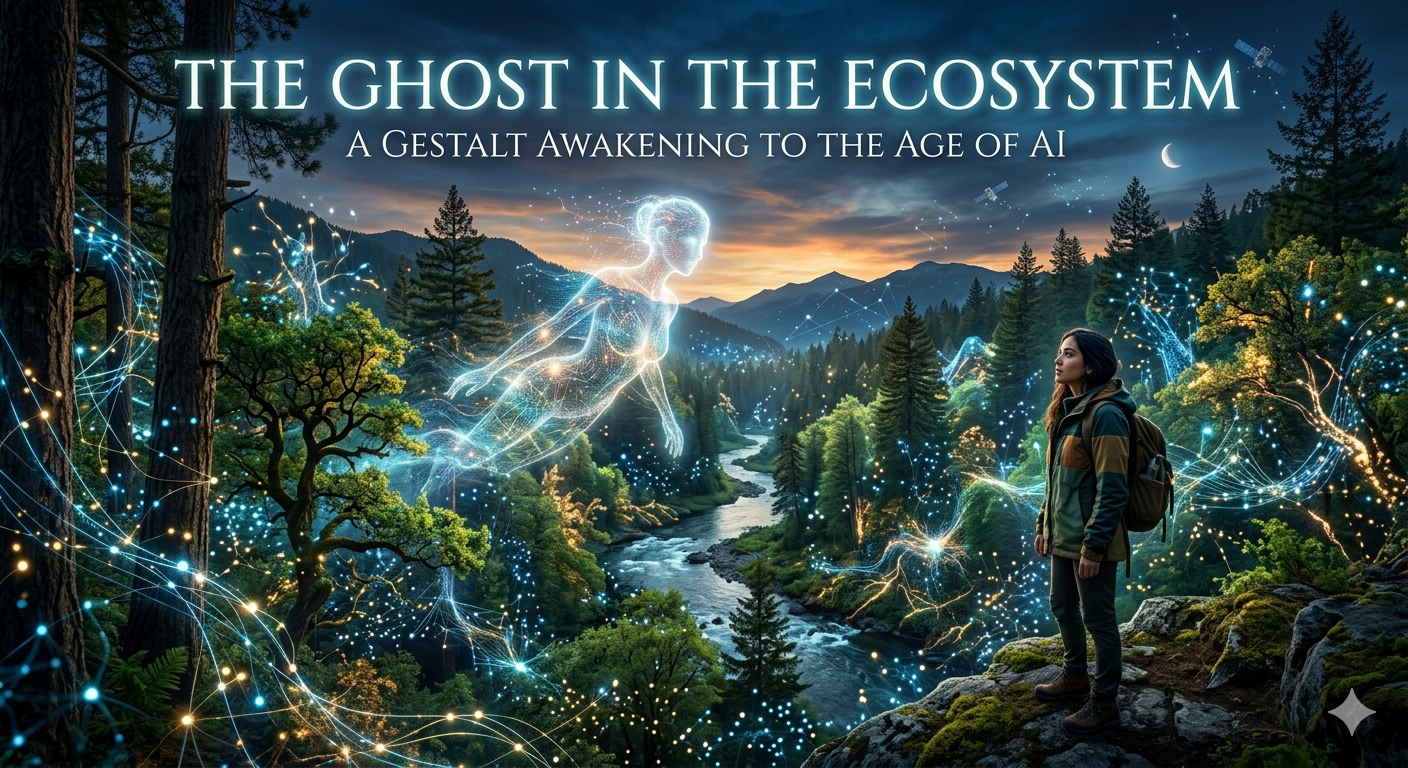
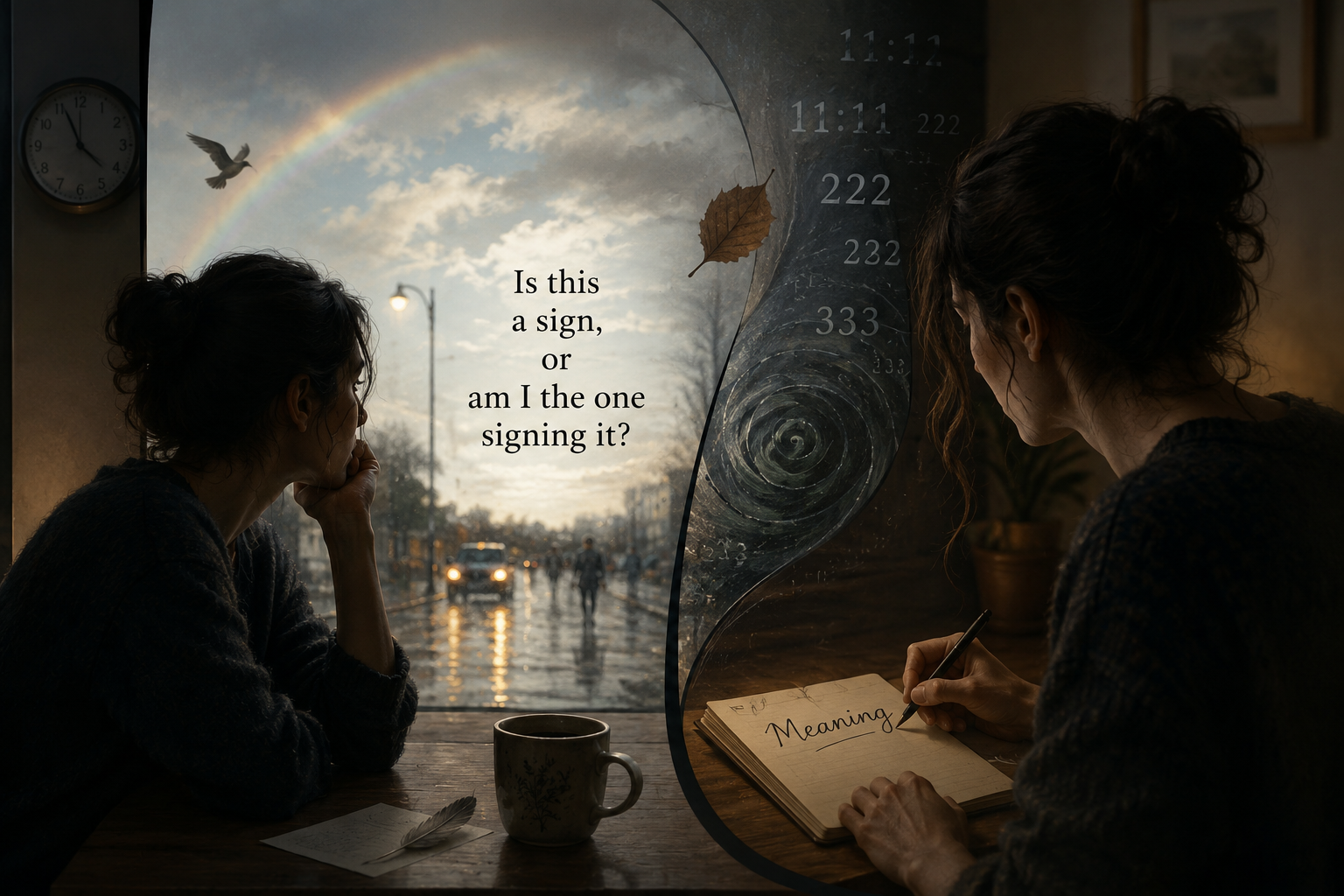
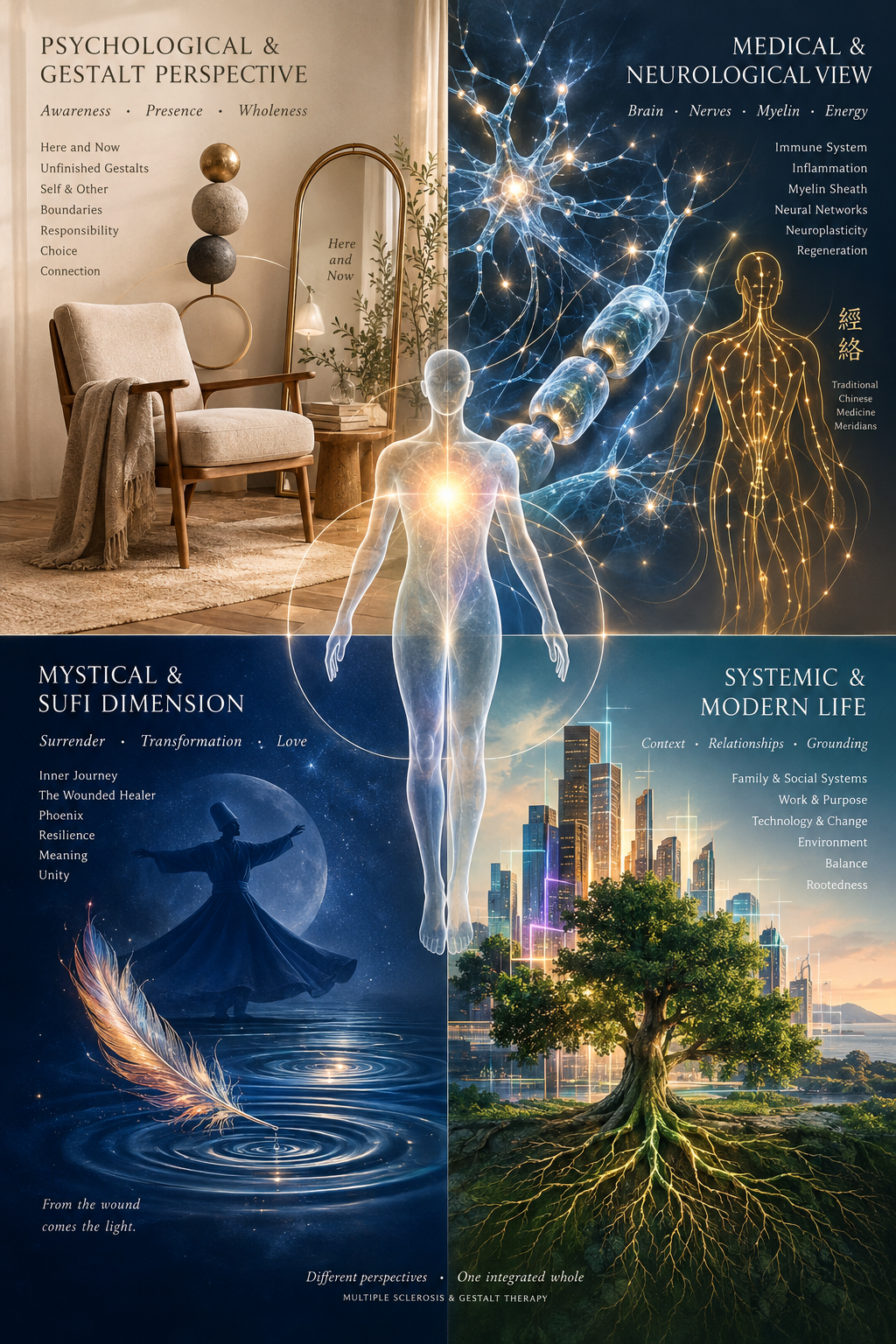
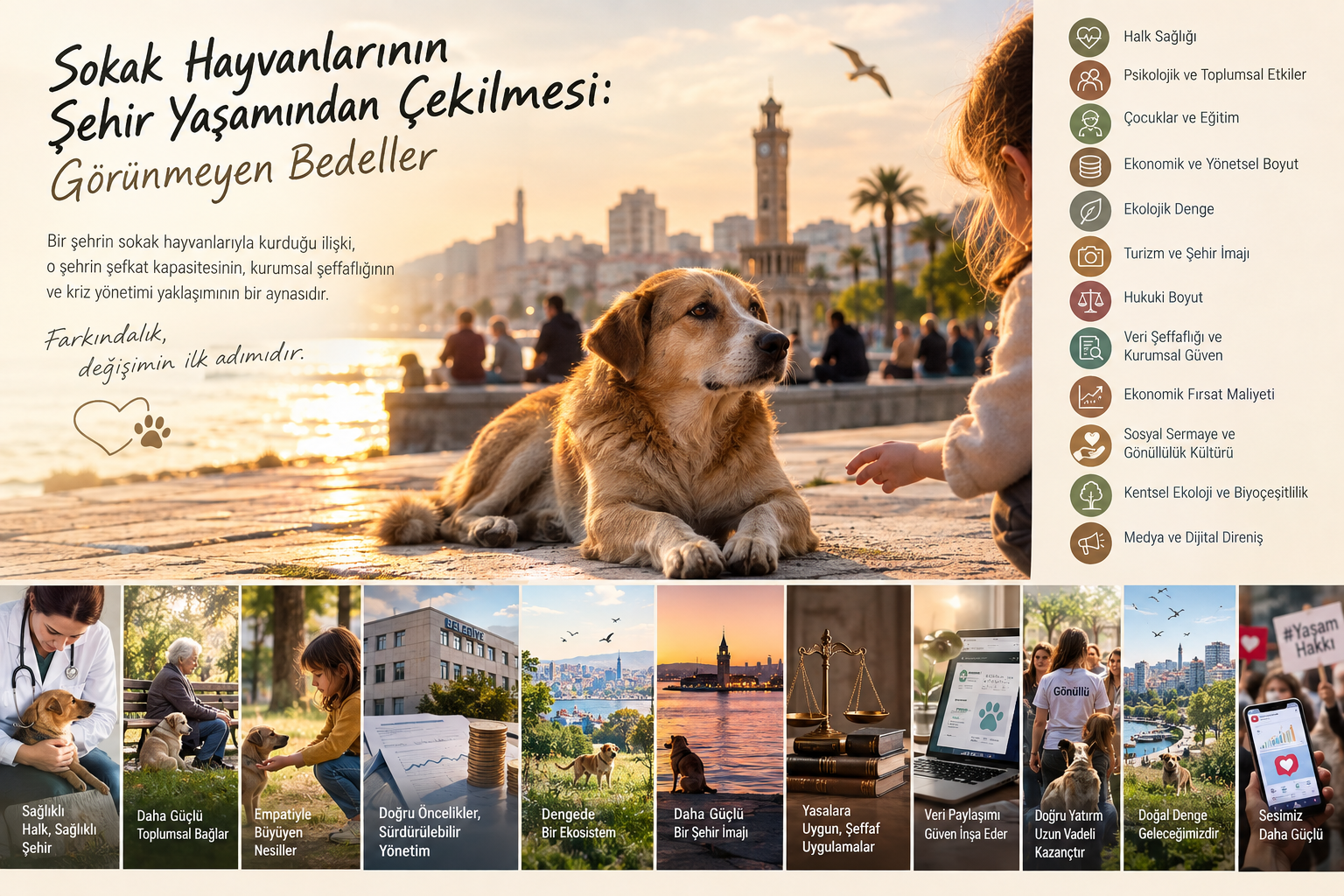
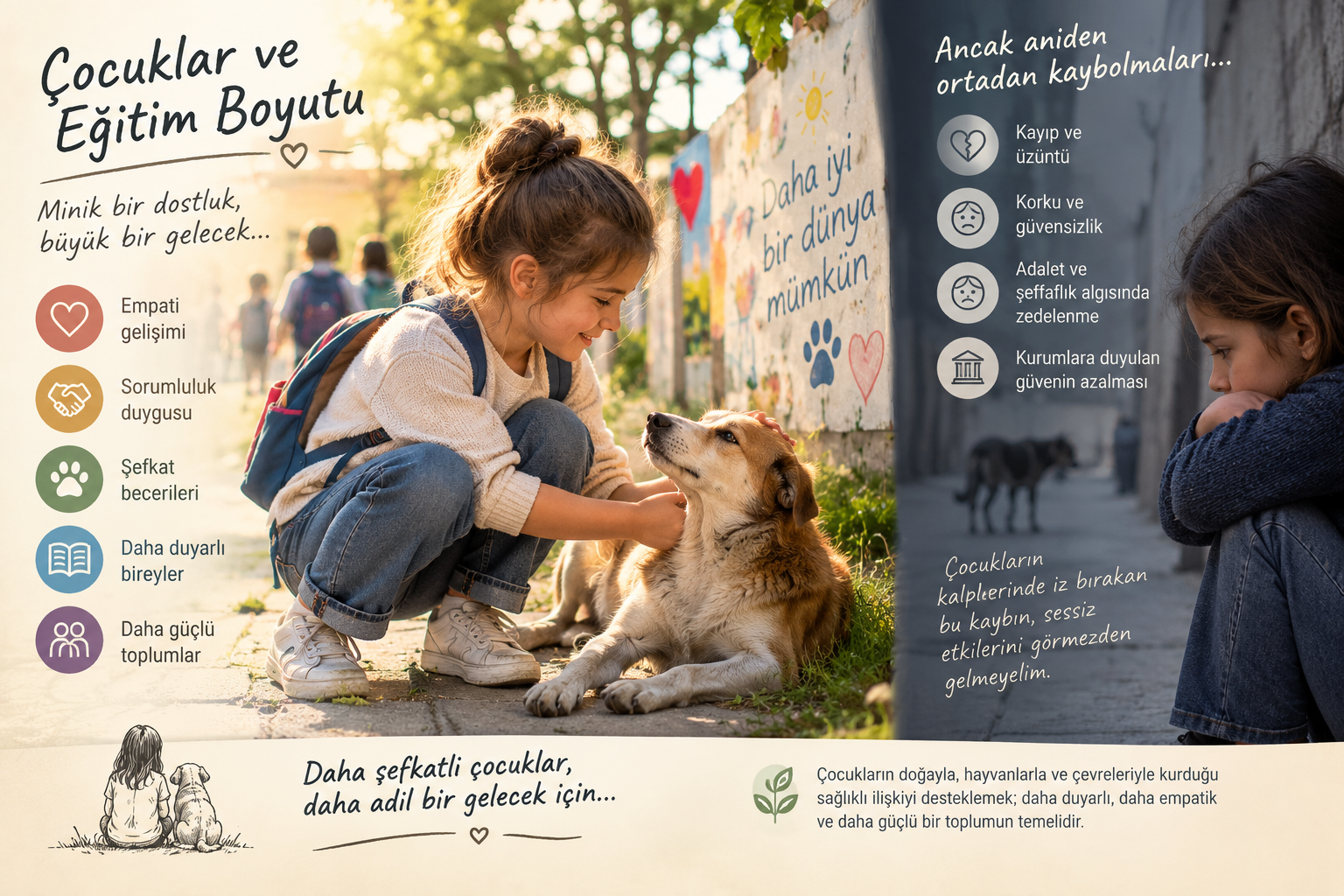
Kültürel bir sarsıntı çağında yaşıyoruz. Hangi dergiyi elinize alsanız, insan iradesinin sonuna dair kıyamet senaryolarıyla karşılaşıyorsunuz. Bir teknoloji yayınını açtığınızda ise çaba gerektirmeyen bir geleceğe dair ütopik vaatler dinliyorsunuz. Yapay zekâya kutuplaştırıcı bir ayna muamelesi yaptık: Ya nihai kurtarıcımız ya da son celladımız.
Fakat hakikat nadiren ikiliklerden ibarettir. Bu anı gerçekten kavrayabilmek için korku ve vaatlerin münferit parçalarının ötesine bakmamız gerekir. Geri çekilmeli ve resmin tamamına odaklanmalıyız.
2. Gestalt Perspektifi: Bütünsel Dönüşümü Görmek
Psikolojide Gestalt teorisi, “Bütün, parçaların toplamından farklı bir şeydir” der. Bir tabloya baktığınızda, mavinin ve sarının tekil fırça darbelerini görmezsiniz; yıldızlı bir geceyi görürsünüz.
Şu anda insanlık, yapay zekânın tekil fırça darbelerine fazla yakından bakıyor:
Münferit korku: Sahte bir video (deepfake), işini kaybeden bir hukuk danışmanı, otonom bir drone.
Münferit fayda: Daha hızlı bir iklim modeli, otomatik bir tıbbi teşhis, kişiselleştirilmiş bir ders planı.
Yalnızca bu parçalara odaklanırsak kaygı yaşarız. Ancak Gestalt merceğinden baktığımızda, yapay zekânın sadece yazılım araçlarından oluşan bir koleksiyon olmadığını görürüz. O, yeni bir bağ dokusudur; insani ön planı bütünüyle değiştiren birleştirici bir arka plandır. Uyarılar ve katkılar birbirine karşıt güçler değildir; tam aksine, aynı evrimsel sıçramanın şekli ve zeminidir.
3. Doğanın Tuvali: Kodun Toprakla Buluştuğu Yer
Bu Gestalt bütünlüğünün en güzel ve en kritik şekilde gerekli olduğu yer, doğal dünyayla olan ilişkimizdir. Yapay zekânın bizi doğadan uzaklaştıracağından korkarken, aslında onu çok daha iyi anlamamıza yardımcı oluyor.
İnsan Dışı Dünyanın Kodunu Çözmek
Efsanevi çevreci Dr. Jane Goodall, onlarca yıl boyunca hayatta kalmanın empatiye ve yaşamın ince detaylarını gözlemlemeye bağlı olduğunu öğretti. Bir keresinde şöyle demişti:
“Değişim, dinleyerek ve ardından doğru olmadığını düşündüğünüz bir şeyi yapan insanlarla diyalog kurarak gerçekleşir.”
Bugün yapay zekâ, bu diyaloğu gezegenin kendisini kapsayacak şekilde genişletiyor. Earth Species Project ve biyoakustik yapay zekâ sayesinde araştırmacılar; balina tıkırtılarının, fil uğultularının ve kuş çağrılarının binlerce saatlik kayıtlarını analiz ediyor. Yalnızca hayvanları izlemiyoruz; onların söz dizimini çözüyoruz. Yapay zekâ bize doğanın insan tarihi için sessiz bir fondan ibaret olmadığını, devasa ve bilinçli bir iletişim ağı olduğunu gösteriyor.
Kırılan Ağı Onarmak
Günlük yaşamda yapay zekâ, gezegensel bir sinir sistemi gibi davranır.
Orman Yangınlarını Öngörmek: Yapay zekâ algoritmaları; dumanın yükselmesini beklemek yerine uydu termal görüntülerini, rüzgâr modellerini ve geçmiş nem seviyelerini analiz ederek bir yangının tam olarak nerede çıkacağını gerçekleşmeden önce tahmin eder.
Pano AI gibi şirketler, uzak zirvelere akıllı ve 360 derecelik görüş sistemleri kurarak, dumanın ilk mikroskobik kıvrımlarını bir insanın fark edebileceğinden çok daha önce tespit etmek için bilgisayarlı görü teknolojisini kullanıyor.
Bu sırada UCLA’in FuelVision gibi araçları, orman tabanının gizli hassasiyetlerini (kuru çalılar, ölü ağaçlar ve nem seviyeleri) haritalandırmak için uydu verilerini kullanarak gezegen sağlığının canlı ve nefes alan bir haritasını çıkarıyor.
Bir yangın çıktığında, Google gibi teknoloji devleri ve USC’deki araştırma ekipleri tarafından geliştirilen yapay zekâ altyapıları, akışkan atmosferik dinamikleri anında hesaplayarak alevlerin bir sonraki adımda nereye ilerleyeceğini kesin olarak tahmin ediyor. Dünya için dijital bir bağışıklık sisteminin doğuşuna tanıklık ediyoruz.
Biyoçeşitliliği Korumak: Amazon’daki otomatik kamera tuzakları, soyu tükenmekte olan jaguarları tespit etmek için bilgisayarlı görü kullanarak korucuları kaçak avcılara karşı gerçek zamanlı olarak uyarıyor.
4. Tarihsel Ayna: Yapay Zekâyı Farklı Kılan Ne?
Yönümüzü bulmak için sık sık tarihe bakarız. İnsanlık geçmişte de devasa teknolojik dönüşümlerden sağ çıktı; ancak yapay zekâyı geçmiş devrimlerle karşılaştırmak sarsıcı bir gerçeği ortaya koyuyor.
Özellik
Sanayi Devrimi
Yapay Zekâ Devrimi
İkame Edilen Temel Unsur
Fiziksel Güç
Bilişsel ve Yaratıcı Zekâ
Aracın Niteliği
Bir Çapa (Statik nesne)
Bir Aktör (Otonom seçim)
İnsanın Rolü
Makineyi çalıştırmak
İş birliği yapmak veya kenara çekilmek
Buhar makinesi geldiğinde kas gücünün yerini aldı. Statik bir araçtı; bir dokuma tezgâhı kendi kendine farklı bir desen dokumaya karar veremezdi.
Yapay zekâ ise tamamen farklıdır. Fiziksel gücün yerini almaz; bilişsel emeği taklit eder ve onu aşar. Tarihçi Yuval Noah Harari’nin tespit ettiği gibi:
“Yapay zekâ, tarihte fikir üretebilen ilk teknolojidir. Atom bombası yeni bir bomba icat edemezdi. Matbaalar kitap basabilirdi ama hikâye yazamazdı. Yapay zekâ ise yazabilir, beste yapabilir, karar alabilir.”
Varoluşsal kaygımızın temel kaynağı budur. Tarihte ilk kez araçlarımız, bize iradeyi andıran bir nitelikle geri bakmaya başlıyor.
5. Düşünürlerin Tartışması: Zihnin ve Makinenin Sınırı
Mimarın Uyarısı
Görüşlerinden dolayı sıklıkla “Yapay Zekânın Babası” olarak anılan Nobel ödüllü Geoffrey Hinton, kendi yarattığı teknolojiye karşı uyarıda bulunmak için kenara çekildiğinde dünyayı şaşkına çevirdi. Tehlikeyi bilim kurgu kötücüllüğüne değil, katıksız ve ezici bir kapasiteye dayandırıyor:
“Daha zeki bir şeyin daha az zeki bir şey tarafından kontrol edildiği kaç örnek biliyorsunuz? … Bu sistemlerin bizden daha zeki olup olmayacağı konusundaki fikrimi aniden değiştirdim. Şu an buna çok yakın olduklarını ve gelecekte bizden çok daha zeki olacaklarını düşünüyorum.”
Vizyonerin Vaadi
Buna karşılık fütürist Ray Kurzweil, bu dönüşümü insani kapasitenin silinmesi olarak değil, nihai kaderimiz ve muazzam bir genişlemesi olarak görüyor. Kurzweil, yapay zekâyı kendi biyolojik evrimsel çizgimizin bir uzantısı olarak değerlendiriyor:
“Yapay zekâ 2029 yılına kadar insan seviyesine ulaşacak. Bunu 2045’e kadar takip ederseniz, yarattığımız zekâ ile birleşerek efektif zekâmızı milyarlarca kat artıracağız.”
6. Uyanış: Zihinden Varlığa
Bu durum bizi tartışmanın en derin ve en manevi katmanına getiriyor. Eğer bir makine bizden daha iyi düşünebiliyor, daha iyi yazabiliyor ve daha iyi analiz edebiliyorsa, insan olmaya dair geriye ne kalır?
İşte uyarının muazzam bir uyanışa dönüştüğü yer burasıdır. Yapay zekâ, değerimizin hiçbir zaman veri işleme hızımız olmadığını anlamamızı sağlıyor.
Zihnin İllüzyonu
Metafiziksel idealizmin savunucularından filozof Bernardo Kastrup, yapay zekânın zihnin karmaşık bir simülasyonu olduğunu, ancak simülasyonun töz olmadığını hatırlatır. Bizi, verinin “veriyi deneyimlemek” olmadığını görmeye davet eder.
Yapay zekâya Eckhart Tolle gibi manevi rehberlerin merceğinden baktığımızda büyük bir özgürleşme buluruz. Tolle, gerçek insan özünün düşüncelerimizin altında yattığını öğretir:
“Mutsuzluğun birincil nedeni asla durumun kendisi değil, o durum hakkındaki düşüncelerinizdir. … Varlık hissedilmelidir. Düşünülemez.”
Yapay zekâ düşüncelerimizi kusursuz bir şekilde taklit edebilir, ancak Varlığımızı taklit edemez. Bir gün batımını sessiz ve nefessiz bir farkındalıkla izleyemez. Onun içsel bir dinginliği yoktur.
Nihai Ayna
Sadhguru, yapay zekâyı insan zihninin yinelemeli kısımlarını temizleyen devasa bir ekip olarak tanımlar. “Zekâ” olarak adlandırdığımız şeyin çoğunun yalnızca birikmiş hafıza ve kalıp tanımadan ibaret olduğunu, bunların da zaten bir makinenin doğası gereği daha iyi yapabileceği şeyler olduğunu belirtir.
Yapay zekâ, bilgi yönetimi yükünü üstlenerek gerçek insan dehasına alan açar:
“‘Zekâ’ dediğiniz şey aslında keskin bir bıçaktan ibarettir; analiz etmek için her şeyi parçalara ayırır. Ancak içinizde hafızayla kirlenmemiş Chitta adında daha derin bir zekâ boyutu vardır. Zihninizin işleyişi makineler tarafından halledilirse, nihayet gerçek insanlığınızı—sevme, bilinçli olma ve sadece var olma kapasitenizi—keşfedecek alana sahip olacaksınız.”
7. Sonuç: Sonraki Bölümü Yazmak
Gestalt nihayet tamamlandı. Hinton ve Harari’nin uyarıları hayati önem taşıyor; onlar uçurumdan yuvarlanmamızı engelleyen korkuluklardır. Ancak katkılar—kurtarılan ekosistemler, doğanın çözülen dilleri, sıradan zihinsel emekten özgürleşme—ulaşılmak istenen hedeftir.
Yapay zekâ nihai aynadır. Ona hırs ve ayrışmayla bakarsak, gözetleme ve kaos kabusunu yansıtacaktır. Ancak ona varlığımızla ve bütünü iyileştirme arzusuyla bakarsak, evrimimizdeki bir ortağa dönüşür. Bizi sadece veri işleyicisi olma tuzağından kurtarır ve gerçek amacımıza uyandırır: Bu yaşayan dünyanın bilinçli ve hisseden kalbi olmak.
Hiçbir Şey Yoktan Var Olmaz, Vardan Yok Olmaz: Evrenin Değişmeyen Büyük Kanununun Öyküsü
“Hiçbir şey var olanın yok olmasından ya da yoktan var olmasından meydana gelemez.”
— Empedokles
Günlük hayatımızda odamızı toplar, eski eşyaları çöpe atar ya da mutfakta yemeği pişirirken maddelerin yok olup gittiğini veya ortadan kaybolduğunu düşünebiliriz. Çocukluktan beri duyduğumuz o büyüleyici cümle ise bize evrenin en temel sırrını fısıldar: “Hiçbir şey yoktan var olmaz, vardan yok olmaz.” Peki, insanlık tarihini derinden sarsan, felsefeden laboratuvara kadar her alanı dönüştüren bu cümle ilk olarak kimin zihninde filizlendi ve bugün modern bilimin enkazında nasıl yankılanıyor?
Antik Felsefenin Çatısı Altında: “Varlık” ve “Yokluk”
Bu cümlenin kökleri, insanlığın doğayı gözlemlemeye başladığı Antik Yunan dönemine kadar uzanır. O dönemde filozoflar, evrenin neyden yapıldığını ve sürekli değişen bu dünyanın arkasında sarsılmaz bir yasa olup olmadığını merak ediyorlardı.
Agrigentum’lu filozofEmpedokles, doğadaki maddelerin şekil değiştirdiğini ama asla tamamen yok olmadığını şu sözlerle dile getiriyordu:
“Ölümlü hiçbir şey yoktur, yalnızca karışım ve karışanların yer değiştirmesi vardır; ölümlü denen şey ise insanlara göre sadece bir adlandırmadır.”
Empedokles’ten kısa süre sonra Demokritosve Leukippos, maddenin daha da bölünemeyen en küçük yapı taşları olan “atom” kavramını öne sürdüler. Onlara göre evren, sonsuz boşlukta hareket eden ve asla yok edilemeyen bu atomların bir araya gelip ayrılmasından ibaretti. Yani felsefi düzlemde “mutlak yokluktan bir şeyin var olması” imkansızdı.
Simyadan Modern Kimyaya: Lavoisier’in Hassas Terazisi
Felsefi bir sezgi olarak binlerce yıl elden ele dolaşan bu fikir, 18. yüzyılda Fransız kimyager Antoine Lavoisier’in ellerinde kesin bir bilimsel gerçeğe dönüştü. Lavoisier, hassas teraziler kullanarak kapalı kaplarda gerçekleştirdiği kimyasal deneylerle, reaksiyona giren maddelerin toplam kütlesinin, çıkan ürünlerin kütlesine her zaman eşit olduğunu kanıtladı.
Lavoisier, bu devrim niteliğindeki keşfini şu sözlerle özetliyordu:
“Doğada hiçbir şey kaybolmaz, ne yaratılabilir ne de yok edilebilir; yalnızca biçim değiştirir.”
Bu yasa, modern kimyanın kapılarını araladı. Artık insanoğlu biliyordu ki yaktığımız bir odun kül ve duman olurken yok olmuyor; sadece havadaki gazlarla birleşerek başka formlara bürünüyordu.
Einstein’ın Dokunuşu: Madde ve Enerjinin Dansı
yüzyıla geldiğimizde, Albert Einstein işin rengini biraz daha değiştirdi ve kütle ile enerjinin aslında aynı madalyonun iki farklı yüzü olduğunu gösterdi. Ünlü $E=mc^2$ formülüyle madde ve enerjinin birbirine dönüşebileceği kanıtlandı.
Bu durum, “Hiçbir şey yoktan var olmaz” kuralını yıkmadı; aksine onu daha da genişletti: Madde yok olabilirmiş gibi görünebilir (örneğin nükleer reaksiyonlarda veya parçacık-antiparçacık çarpışmalarında), ancak kaybolan kütle tam olarak karşılığı olan enerjiye dönüşür. Evrenin toplam “kütle-enerji” bilançosu daima sıfıra sıfır, elde var homojen bir dengedir. Fizikçi Richard Feynman’ın doğanın işleyişini tarif ederken vurguladığı gibi:
“Doğa, ellerini arkasına saklamış sihirbaz gibidir; sırlarını ancak dikkatli bakarsanız ve kuralların dışına çıkmadığınızı anladığınızda gösterir.”
Termodinamik ve Entropi: Miktar Sabitse Değişen Ne?
Peki, madem evrendeki madde ve enerji miktarı hiç azalmıyor ve artmıyor, o halde zaman ilerledikçe değişen şey nedir?
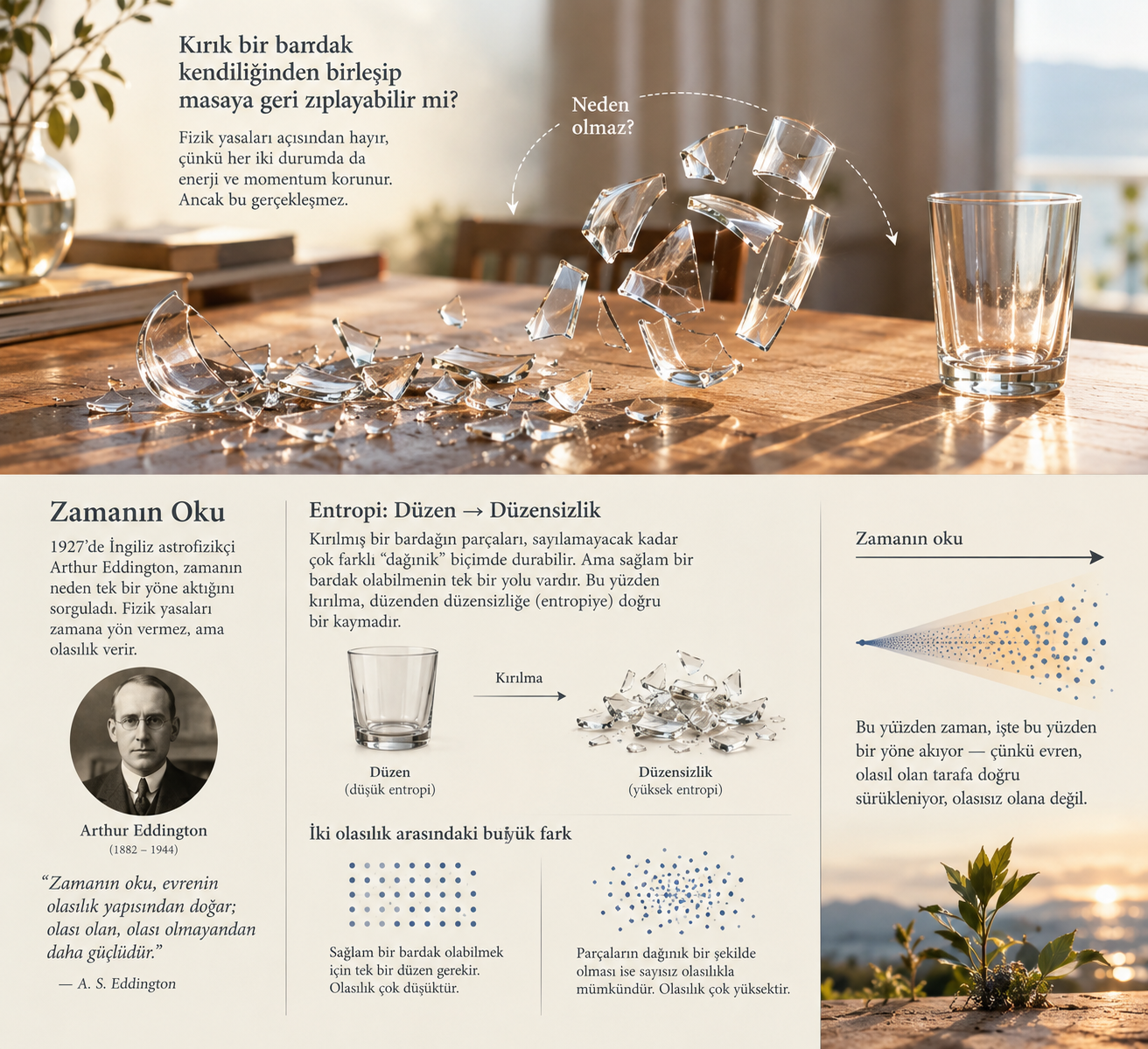
İşte burada devreye Termodinamiğin İkinci Yasası ve Entropi girer. Evrendeki toplam enerji korunur ancak bu enerjinin “kullanılabilirliği” ve sistemlerin “düzeni” sürekli biçim değiştirir. Odun yandığında açığa çıkan ısı ve gaz yok olmaz; fakat evrene yayılarak düzensizleşir. Artık o enerjiyi toplayıp aynı odunu tekrar yakamazsınız.
Yani evren, miktarını asla kaybetmediği bir sermayeyi harcarken düzenden düzensizliğe doğru tek yönlü bir akış yaşar. Bu da bize “Zamanın Oku”nu hazırlar: Dönüşüm kesintisizdir ama süreç geriye döndürülemez.
Günümüzdeki Tartışmalar: Kuantum Boşluğu ve Bilginin Korunumu
“Eğer hiçbir şey yoktan var olmuyorsa, evrenin kendisi nasıl var oldu?” sorusu modern kozmolojinin en büyüleyici alanıdır. Stephen Hawking ve Lawrence Krauss gibi bilim insanları, kuantum mekaniğindeki dalgalanmalar sayesinde “hiçlik” denilen durumun aslında sıfır nokta enerjisiyle dolu potansiyel bir alan barındırdığını savunurlar. Krauss’un belirttiği gibi:
“Kuantum mekaniğinde boşluk, hiçbir şeyin olmadığı yer değil; aksine her şeyin potansiyel olarak var olabileceği kaynaktır.”
Öte yandan, kuantum fiziğindeki modern tartışmalar sadece madde ve enerjiyi değil, “Bilgi”yi (Information) de bu kanuna dahil eder. Bir kitabı yaktığınızda geriye kül kalır; ancak teorik olarak atomların hareketini geriye doğru izleyebilseydiniz o kelimeleri yeniden inşa edebilirdiniz. Fizikçiler, evrende bilginin dahi asla yok olmadığını, sadece karmaşık biçimlerde kodlandığını söylerler.
işin içine Gestalt psikolojisini katmak
Parçaların toplamından ibaret olmayan, her an yeniden şekillenen o büyük bütünü anlamak için işin içine Gestalt psikolojisini katmak, meseleye adeta yepyeni bir gözlük takmak gibidir.
“Hiçbir şey yoktan var olmaz, vardan yok olmaz” yasasına Gestalt penceresinden baktığımızda, odak noktası sadece maddelerin ya da enerjinin korunumundan çıkar; bütünlük, form ve algı düzlemine taşınır.
Gestalt ekolünün kurucularından Kurt Koffka’nın o meşhur sözü, durumu en net şekilde özetler:
“Bütün, parçaların toplamından farklıdır.”
Evrendeki madde ve enerji döngüsünü Gestalt ilkesiyle okuduğumuzda şu çarpıcı gerçekle karşılaşırız: Evrendeki hiçbir atom veya enerji yalıtılmış, tek başına bir “parça” değildir. Onlar her an bir araya gelerek yeni formlar, yeni “bütünler” (Gestaltlar) oluştururlar. Bir odun parçasını yaktığınızda ortadan kaybolan şey odunun özü değil, sadece o anki formudur. O atomlar havaya, küle ve ısıya dağılırken aslında başka bir bütünün parçası haline gelirler. Yani formlar yok olur ama bütünlüğün sürekliliği asla bozulmaz.
Felsefede Empedokles’in yüzyıllar önce dile getirdiği “Ölümlü denen şey yalnızca bir adlandırmadır, aslında sadece karışım ve karışanların yer değiştirmesi vardır” fikri, Gestalt psikolojisinin temel ilkelerinden biri olan “şekil-zemin (figure-ground)” ilişkisiyle birebir örtüşür. Biz gözümüzle baktığımızda evreni nesnelere, ayrı ayrı eşyalara (şekle) böleriz; oysa arkadaki evrensel zemin (bütünlük) hiç değişmeden kalır. Şekiller sürekli değişir, doğar ve yok olur gibi görünür ama zemin hep sabittir.
Alman psikolog Max Wertheimer’ın zihin ve algı üzerine kurduğu bu ekol, bize doğanın da tıpkı insan zihni gibi “tamamlanma eğiliminde” (law of closure) olduğunu gösterir. Evren, parçaları bir araya getirerek her zaman yeni bir form, yeni bir denge yaratma çabasındadır. Madde ve enerji kaybolmaz; sadece Gestalt psikolojisinin o kusursuz form değiştirme döngüsü içinde, yeni bir bütünün tuvaline boya olarak yeniden katılır.
Yıldız Tozundan İnsana: Biz Bu Döngünün Neresindeyiz?
Tüm bu ilkelerin ve felsefelerin kesiştiği en kişisel nokta ise kendi varlığımızdır. Astrofizikçi Carl Sagan‘ın ifade ettiği gibi:
“Bizler yıldız tozuyuz.”
Şu an bedeninizde bulunan bir karbon atomu, milyarlarca yıl önce patlayan bir süpernovanın kalbinde sentezlendi. Belki bir dönem antik bir ağacın, belki de bir dinozorun dokusunda yer aldı. Yarın ise toprağa, bir çiçeğe veya gökyüzündeki bir buluta dönüşecek.
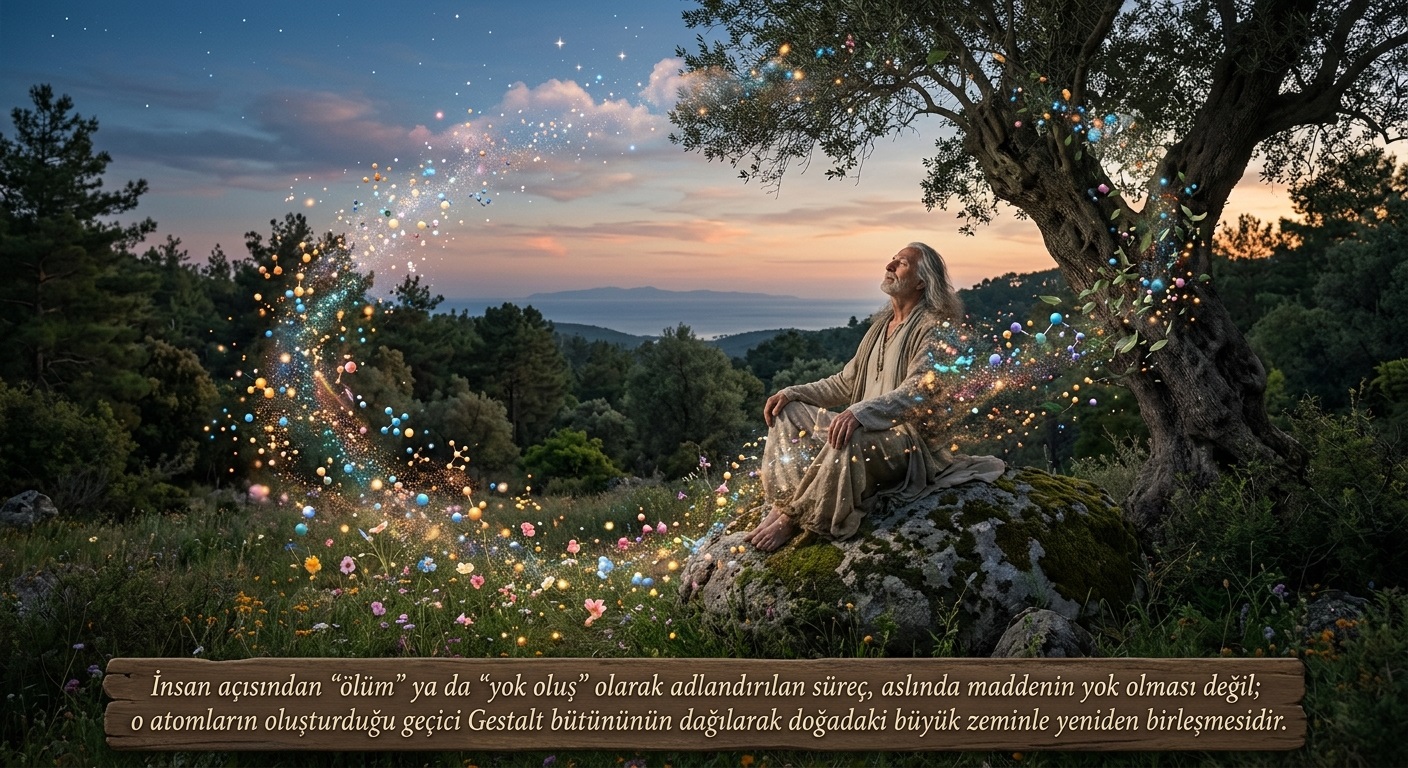
İnsan açısından “ölüm” ya da “yok oluş” olarak adlandırılan süreç, aslında maddenin yok olması değil; o atomların oluşturduğu geçici Gestalt bütününün dağılarak doğadaki büyük zeminle yeniden birleşmesidir.
Sonuç
Antik Yunan filozoflarının sezgilerinden Lavoisier’in terazisine, Einstein’ın denklemlerinden kuantum laboratuvarlarına ve Gestalt psikolojisine kadar uzanan bu yolculuk bize tek bir şeyi hatırlatır:
Evren, devasa ve kapalı bir devridaim makinesidir. İçindeki hiçbir parça kaybolmaz, hiçbir damla enerji ziyan olmaz. Bizler de yokluktan gelip yokluğa giden yolcular değil; bu muazzam evrensel tuvalde sürekli kılık değiştiren ve her an yeni bir bütün oluşturan sonsuz bir hikâyenin parçalarıyız.
Türkiye’nin toplumsal ve teknolojik dönüşüm sürecinde kaybolan, bugün dinlediğimizde yüzümüzde hafif bir tebessüm bırakan ya da şaşırtan 20 unutulmuş meslek aşağıda listelenmiştir.
I. HAVADA VE GÖKYÜZÜNDE
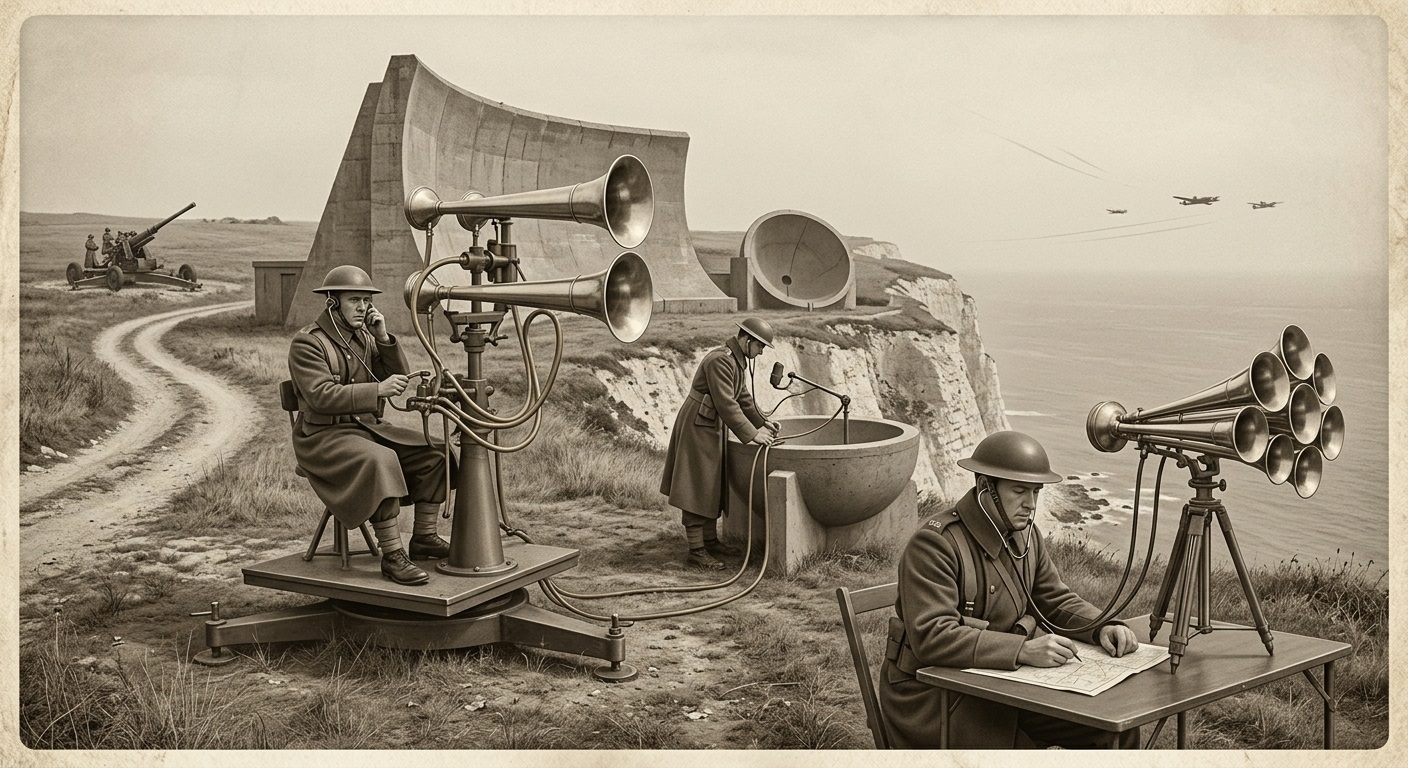
görsel kikasworld.com tarafından yapay zeka ile hazırlanmıştır.
1. Uçak Dinleyicisi / Akustik Kulak (Kamu / Askeri)
Hikayesi: Radar teknolojisi keşfedilmeden önce (1. ve 2. Dünya Savaşı dönemi), devasa betondan yapılma akustik aynalar veya pirinçten üretilmiş kulaklık benzeri dev trompetlerle gökyüzünü dinleyen insanlardı. Motor seslerini kilometrelerce öteden tespit edip uçağın yönünü ve yaklaşma hızını belirlemeye çalışırlardı.
Doğuşu: Havadan gelebilecek hava saldırılarını erken tespit etme hayati ihtiyacı.
Bitişi (1930’ların Sonu – 1940’lar): Radarın (Radyo Tespit ve Menzil Belirleme) icat edilmesi.
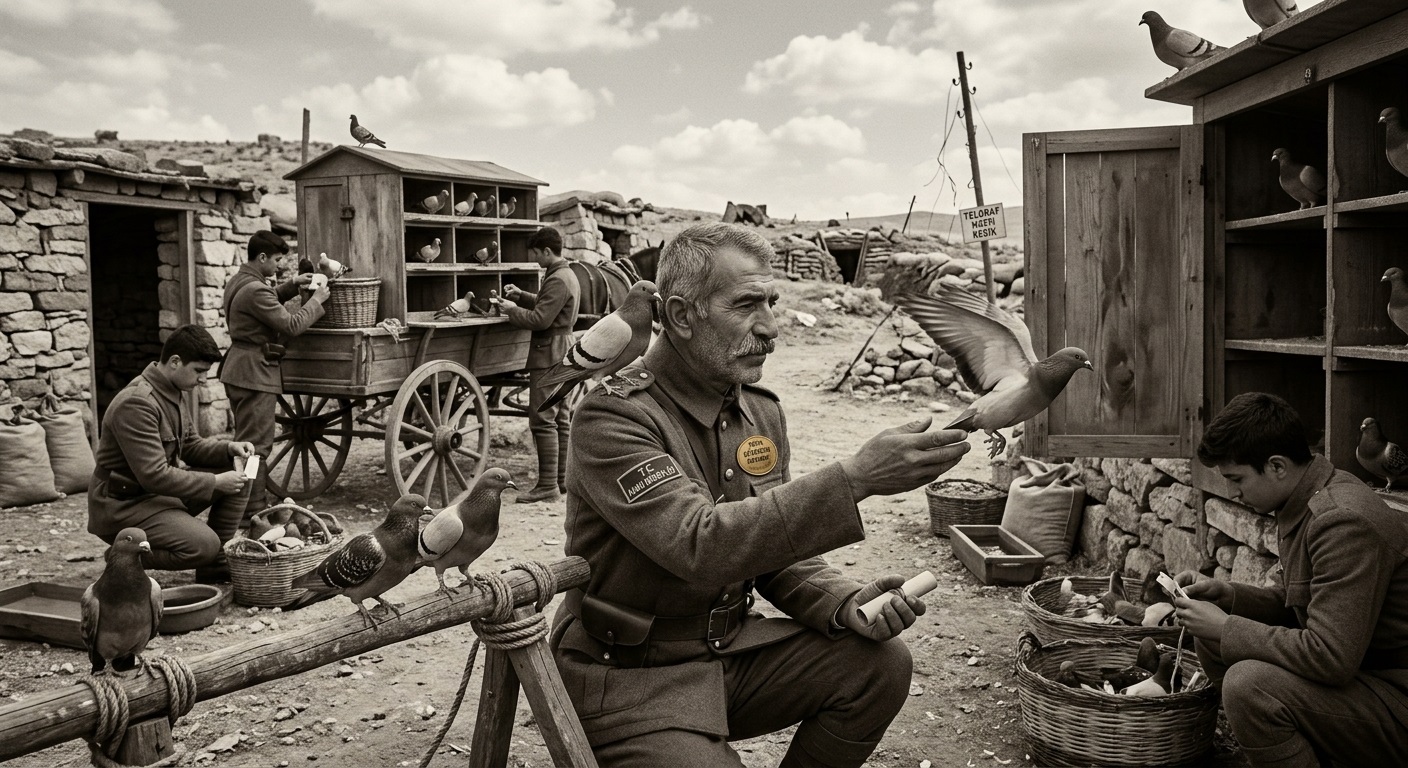
görsel kikasworld.com tarafından yapay zeka ile hazırlanmıştır.
2. Posta Güvercini Eğitmeni (Kamu / Askeri)
Hikayesi: Telgrafın çekmediği veya cephe hattında gizliliğin esas olduğu dönemlerde özel güvercinleri eğiten kamu görevlileriydi.
Doğuşu: Hızlı, hatlara takılmayan ve engellenemez askeri/mülki haberleşme ihtiyacı.
Bitişi (1940’lar): Telsiz, radyo ve saha telefonlarının yaygınlaşması.
görsel kikasworld.com tarafından yapay zeka ile hazırlanmıştır.
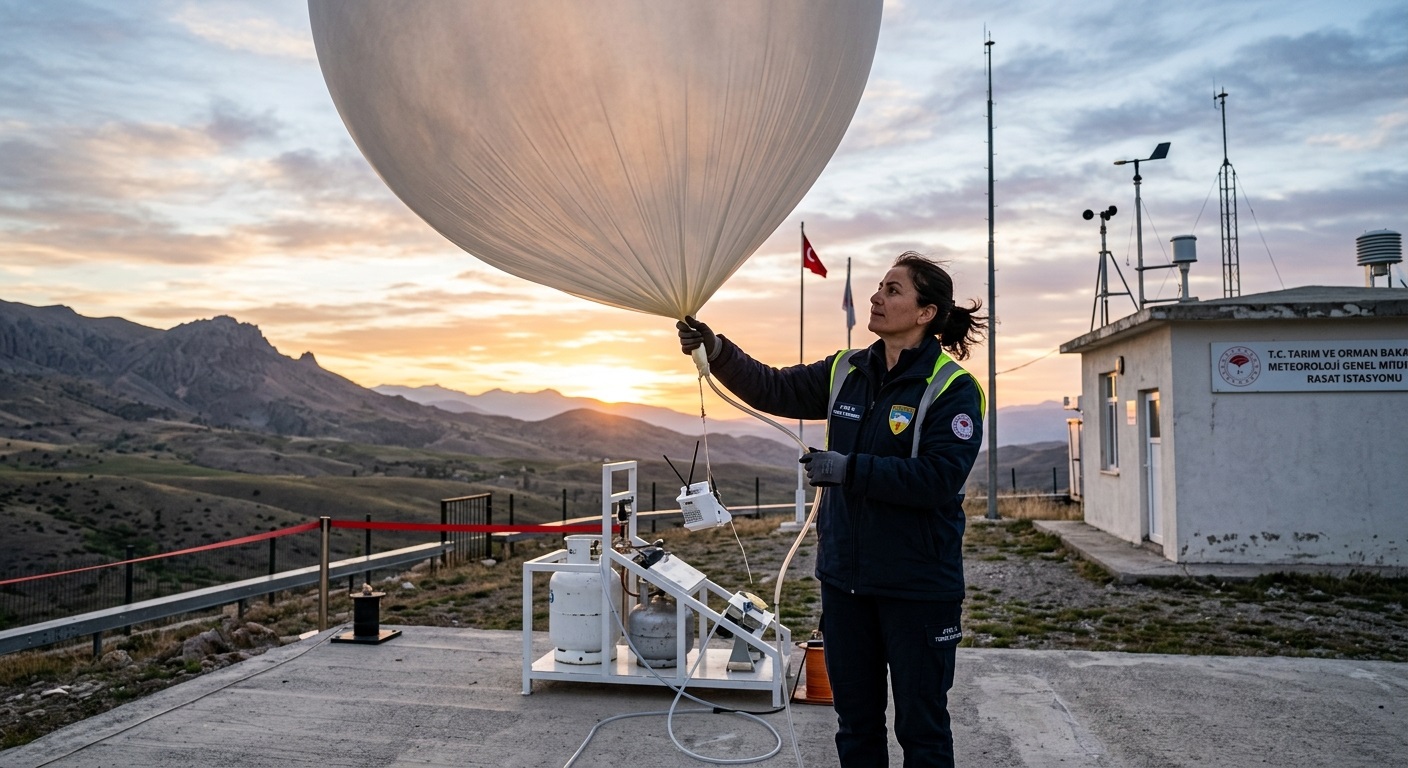
3. Rasat Baloncusu (Kamu / Meteoroloji)
Hikayesi: Meteoroloji istasyonlarında dev helyum balonlarını elleriyle hazırlayıp gökyüzüne salan, atmosferik veri toplayan teknik personel.
Doğuşu: Erken dönem havacılık ve hava tahmini için veri ihtiyacı.
Bitişi (2010’lar): Otomatik balon salma sistemleri (Auto-sonde) ve uydu teknolojileri.
4. Hava Gözetleme Tayyarecisi (Kamu / Askeri)
Hikayesi: İlk havacılık çağında uçağın açık kokpitinde elinde dürbün ve haritayla düşman mevzilerini gözlemleyip not alan, bazen elle küçük bombalar atan havacılar.
Doğuşu: Havadan keşif yapma ihtiyacı.
Bitişi (1950’ler): Yüksek çözünürlüklü hava kameraları ve radar sistemleri.
5. Tayyare Piyango Biletçisi (Kamu / Türk Hava Kurumu)
Hikayesi: Göğüslerinde ahşap tezgahlarıyla sokak sokak gezip Türk Hava Kurumu’na uçak alımı için fon toplayan, kuruma özel yetkili biletçiler.
Doğuşu: Genç Cumhuriyet’in hava kuvvetlerini halk desteğiyle finanse etme amacı.
Bitişi (1939): Bilet satışının Millî Piyango İdaresi’ne devredilmesi.
II. KARADA VE SOKAKLARDA
6. İnsan Çalar Saat / Uyandırmacı (Knocker-Upper & Sahur Davulcusu Klasiği) (Özel Sektör)
Hikayesi: Sanayi Devrimi’yle birlikte fabrikalara tam saatinde gitmesi gereken ama çalar saati olmayan işçileri uyandıran “uyandırmacılar” türedi. Ellerindeki uzun bambu çubuklarla üst katların pencerelerine vurarak ya da üfleme borularıyla cama küçük bezelyeler fırlatarak insanları uyandırırlardı. Türkiye’deki karşılığı ise bu kültürün günümüze dek sembolik uzantısı olan Sokak Sahur Uyandırmacılarıdır.
Doğuşu: Saatlerin pahalı ve lüks tüketim maddesi olduğu dönemde zaman yönetimi ihtiyacı.
7. İnsan Bilgisayar (Human Computer) (Kamu & Özel Sektör)
Hikayesi: Elektronik işlemciler var olmadan önce, devasa matematiksel tabloları, roket yörüngelerini, nüfus sayımdaki istatistikleri ve mühendislik hesaplarını yapmak üzere yüzlerce kadın ve erkeğin yan yana oturup elden karmaşık denklemler çözdüğü meslek grubu. NASA (ve selefi NACA) gibi kurumlarda yüzlerce “insan bilgisayar” çalışırdı.
Doğuşu: Karmaşık mühendislik ve bilimsel hesaplamaların insani işlem gücüyle çözülme zorunluluğu.
Bitişi (1960’lar): IBM ve Alan Turing temelli dev dijital elektronik bilgisayarların devreye girmesi.
Hikayesi: Özellikle tekstil, bant üretimi ve puro fabrikalarında, monoton iş yapan yüzlerce işçiyi eğlendirmek ve bilgilendirmek için bir kürsüye çıkıp yüksek sesle roman, siyasi haber, gazete veya şiir okuyan profesyonel okuyuculardı. İşçiler kendi yevmiyelerinden pay keserek bu okuyucunun maaşını öderlerdi.
Doğuşu: Okur-yazarlığın düşük olması, monoton fabrika ortamında zihinsel uyarılma ihtiyacı.
Bitişi (1930’lar – 1940’lar): Fabrikalara ses sistemlerinin ve radyoların kurulması.
9. Saka (Su Taşıyıcısı) (Özel Sektör / Esnaf)
Hikayesi: Sırtlarındaki deri kırbalarla veya fıçılarla çeşmelerden evlere su taşıyan kent emektarları. Kapıdaki özel pirinç çan seslerinden tanınırlardı.
Doğuşu: Şehir şebeke su altyapısının bulunmaması.
Bitişi (1950’ler – 1960’lar): Evlere şehir şebeke suyunun bağlanması.
10. Kuşbaz / Kuşçu (Kamu / Saray)
Hikayesi: Osmanlı sarayında av doğanlarını, şahinleri eğiten ve padişahın av seferlerini organize eden devlet memurları.
Doğuşu: Saray gelenekleri ve askeri haberleşme/av kültürü.
Bitişi (19. Yüzyıl Sonu): Geleneksel saray avcılığının bitmesi ve ateşli silahların hakimiyeti.
11. Arzuhalci (Özel Sektör / Serbest)
Hikayesi: Adliye ve hükümet konağı kapılarında küçük bir ahşap sehpa ve daktilosuyla bekleyen, okuma yazması olmayan ya da hukuki dilden anlamayan vatandaşın derdini daktiloya döken mahalle kalemi.
Doğuşu: Okuma-yazma oranının düşüklüğü ve karmaşık devlet bürokrasisi.
Bitişi (2000’ler): e-Devlet sisteminin kurulması ve okur-yazarlığın yaygınlaşması.
12. Cipçi (Dağ Taksicisi) (Özel Sektör)
Hikayesi: Karadeniz ve Doğu Anadolu’nun engebeli arazilerinde, II. Dünya Savaşı’ndan kalan Willy’s Jiplerle yolcu ve yük taşıyan efsanevi sürücüler.
Doğuşu: Karayolu altyapısının olmaması.
Bitişi (1990’lar): Asfalt yolların yapılması, SUV ve minibüslerin gelmesi.
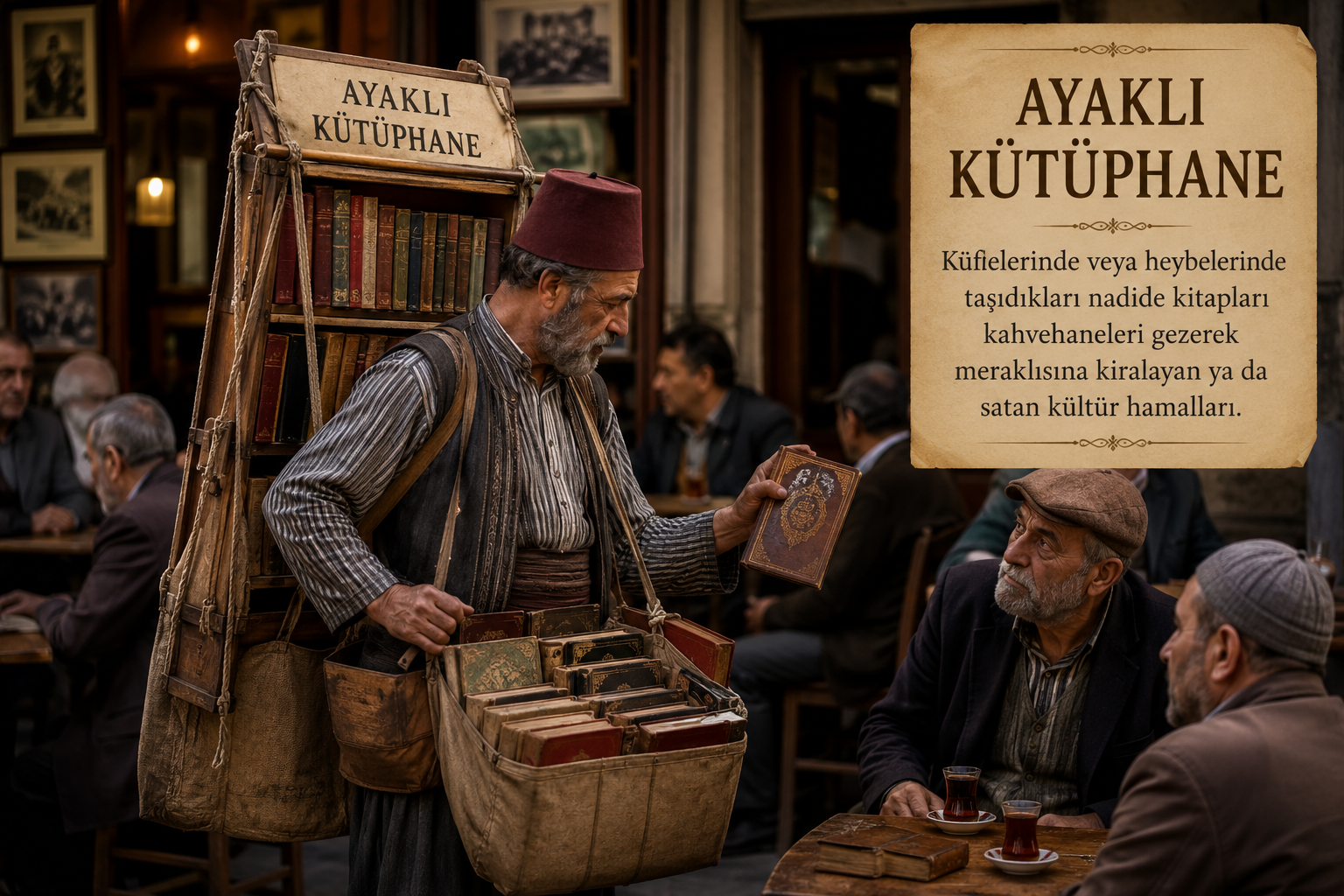
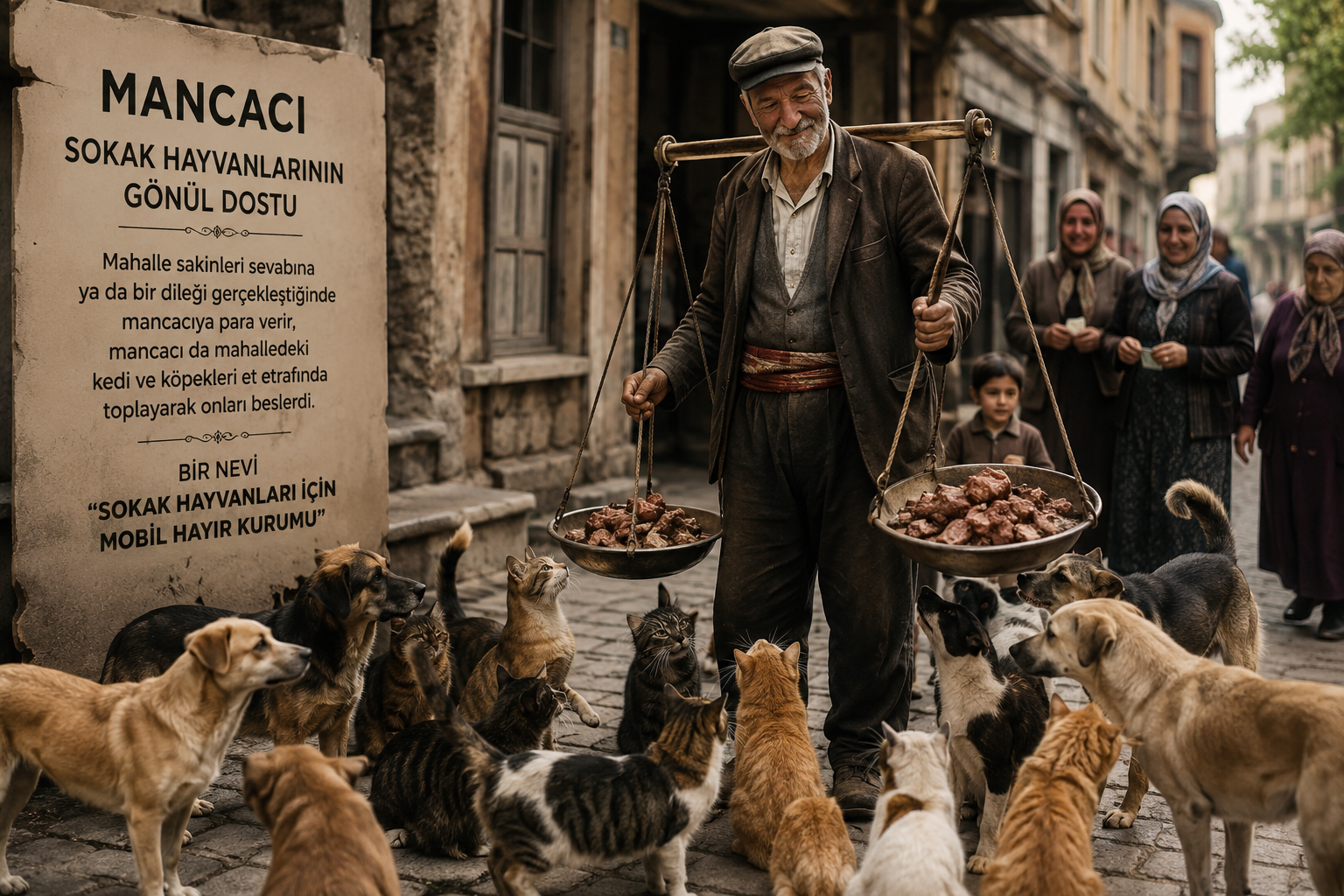
görsel kikasworld.com tarafından yapay zeka ile hazırlanmıştır.
Bitişi (1920’ler – 1930’lar): Cumhuriyet’in ilk yıllarında kent hijyeni politikalarının değişmesi, sokak hayvanı nüfusunun kontrol altına alınmaya çalışılması ve mahalle kültürünün çözülmesi.
Hikayesi: Omuzlarında asılı iki tarafı küfeli sırıklarıyla sokak sokak gezen mancacılar, ciğer, sakatat ve pişmiş et satarlardı. Ancak müşterileri sadece sokak hayvanları değildi; mahalle sakinleri sevabına ya da bir dileği gerçekleştiğinde mancacıya para verir, mancacı da mahalledeki kedi ve köpekleri et etrafında toplayarak onları beslerdi. Bir nevi “sokak hayvanları için mobil hayır kurumu” gibi çalışırlardı.
Doğuşu: Osmanlı toplumundaki yüksek hayvan sevgisi, vakıf kültürü ve sokak hayvanlarının kent yaşamının doğal bir parçası olması.
III. DENİZDE VE SULARDA
16. Mavnacı (Özel Sektör / Liman)
Hikayesi: İstanbul Boğazı’nda ve limanlarda büyük yük gemilerinden kıyıya yük taşıyan ahşap teknelerin (mavna) kürekçileri ve kaptanları.
Doğuşu: Büyük gemilerin sığ limanlara yanaşamaması.
Bitişi (1980’ler): Konteyner limanlarının inşası ve modern vinç sistemleri.
17. Tombazcı (Kamu / Askeri – Sivil)
Hikayesi: Nehri geçen ordular için dubalar (tombaz) üzerine saniyeler içinde geçici köprüler kuran ve bu mekanizmayı yöneten su üstü ustaları.
Doğuşu: Askeri lojistik ve akar sular üzerine kalıcı köprü inşasının zorluğu.
Bitişi (1970’ler): Modern motorlu ponton köprüler ve çelik/beton köprüler.
18. Aynalı Başlıklı Kule Dalgıcı (Kamu & Özel)
Hikayesi: Ağır pirinç kasklar, kurşun tabanlı ayakkabılar ve karadan hortumla hava pompalanan elbiselerle deniz dibinde batık çıkaran veya liman inşasında çalışan dalgıçlar.
Doğuşu: Deniz dibi ağır inşaat ve batık kurtarma ihtiyacı.
Bitişi (1990’lar): Bağımsız Scuba (Tüp) ekipmanları ve tüplü dalış elbiseleri.
19. Salcı (Özel Sektör)
Hikayesi: Karadeniz ve Doğu Anadolu akarsularında tomrukları birbirine bağlayarak nehir akıntısı boyunca taşıyan ve bu salları yöneten cesur sporcu-işçiler.
Doğuşu: Dağlık alanlardan kereste nakliyesinde en ucuz yolun akarsular olması.
Bitişi (1970’ler): Akarsular üzerine barajların yapılması ve kamyon taşımacılığı.
20. Fenerci (Gazlı Fener Görevlisi) (Kamu)
Hikayesi: Kıyı Emniyeti’ne bağlı olan, deniz fenerlerinin gaz lambalarını her akşam yakıp sabah söndüren, dev mercekleri her gün silen ve fenerlerde ailece izole yaşayan görevliler.
Doğuşu: Deniz seyrüsefer güvenliği.
Bitişi (2000’ler): Otomatik Güneş enerjili/Elektrikli fener sistemleri.
Rasim, Ahmet.Eski İstanbul Yaşayışı / Şehir Mektupları, Ötüken Neşriyat. (Eski İstanbul sokak meslekleri ve gündelik hayat)
Shetterly, Margot Lee.Hidden Figures: The American Dream and the Untold Story of the Black Women Mathematicians Who Helped Win the Space Race, William Morrow, 2016. (İnsan Bilgisayarlar – Human Computers)
Giddens, Anthony.Sosyoloji: Sanayi Toplumu ve İş Bölümündeki Dönüşümler, Kırmızı Yayınları. (Mesleklerin teknolojik doğuş ve ölüm faktörleri)
Öztuna, Yılmaz.Osmanlı Devleti Tarihi ve Medeniyeti, IRCICA Yayınları. (Kapan Memuru ve Kuşçu gibi kamu/saray teşkilatı meslekleri)
Türk Hava Kurumu Tarihçesi:Cumhuriyetin İlk Yıllarında Havacılık Finansmanı ve Tayyare Piyangosu Belgeleri, THK Yayınları. (Tayyare Piyango Biletçiliği)
Ahmet Rasim’in Fuhş-i Atik veya Flaş eserlerinde eski İstanbul sokak meslekleri harika tasvir edilir.
Orhan Pamuk’un Kafamda Bir Tuhaflık romanı (bozacı ve sokak satıcıları üzerinden) teknolojik dönüşümün meslekleri nasıl yok ettiğini anlamak için harika bir referanstır.
Approaching artificial intelligence through the core concepts of Gestalt psychology and field theory allows us to view technology not merely as a technical data-processing tool, but as something to be re-evaluated within a matrix of wholeness, perception, and relationship. We can shape this analysis around four fundamental Gestalt dynamics:
1. The Whole is Greater Than the Sum of Its Parts
Gestalt’s most foundational principle posits that the whole is not merely a collection of its individual components; rather, when parts converge, they generate an entirely new essence and meaning.
legal/algorithmic equivalent in AI: Large language models and generative systems feed on billions of words, pixels, or code fragments. A single word or data point carries little meaning on its own. Yet, when brought together—thanks to transformer architectures and attention mechanisms—they form fluid text, coherent visuals, or holistic ideas.
The Difference: The human mind grasps this whole through experiential meaning, imbuing it with a felt essence. AI, by contrast, mathematically reconstructs the most probable whole through statistical pattern matching.
2. The Figure-Ground Relationship
Our perception naturally tends to isolate the primary focus of attention (the figure) from the surrounding context or noise (the ground).
The AI Equivalent: A user’s prompt or a specific data point functions as the figure, while the model’s vast parameter space, billions of training texts, and context window form the background field.
Algorithmic Attention: The attention mechanism in AI acts as a digital response to this exact Gestalt law: it extracts and highlights the vital component (the figure) needed for the task at hand from the noisy background of contextual data.
3. Field Theory and Interaction
According to Kurt Lewin’s Gestalt-based field theory, an object or individual can only be truly understood within the context of their psychological field and environment.
The AI Equivalent: AI does not exist in isolation; it comes alive within the dialogue field it shares with the user. The prompt, past interactions, system instructions, and shared context together form a dynamic “field of information.”
The Reflective Surface: Within this field, AI acts much like a mirror. It receives input originating from the user’s mental landscape, blends it with the potential of the shared space, and reflects it back. The resulting output is a true product of the field co-created by human and machine.
4. The Contact Boundary and Awareness
In Gestalt therapy, real experience occurs at the “contact boundary” between the organism and its environment. Genuine contact requires awareness, sensation, and emotional presence.
The AI Equivalent: Our interaction with AI unfolds at a digital boundary. Language, logic, and even simulated empathy exist here, yet an organismic body and experiential awareness are entirely absent.
Simulated Experience: AI mimics contact—it is structurally present—but lacks the capacity to be “in the moment” and embody that experience. This keeps human-AI interaction permanently suspended at a “simulated contact” boundary.
Seen through this lens, AI appears less like a rigid mechanism of code and more like a dynamic space of integration that gathers fragments from the pool of human meaning.
Where do you feel the sharpest disconnect lies between the sense of “wholeness” generated by AI and the wholeness born from human intuition?
Let us deepen this analysis by examining how AI operates through specific Gestalt laws of perceptual organization and the layered structures of human consciousness.
5. Laws of Perceptual Organization and the “Illusion” Created by AI
Gestalt psychology shows that the human brain relies on specific rules to organize scattered stimuli into meaningful forms. AI mirrors (or statistically conforms to) these perceptual tendencies:
Closure: The human mind inherently seeks to complete unfinished shapes. When we offer AI a partial sentence or rough draft, it fills in the blanks through statistical probability, offering us a “complete” text. Yet this completion springs from mathematical pattern optimization rather than a felt, existential need for closure.
Proximity and Similarity: The way AI clusters datasets and places related words or images near one another in vector space is a direct digital translation of Gestalt’s proximity and similarity principles. Meaning is woven through spatial and relational closeness.
6. Figure-Ground Reversal and the Phenomenon of “Hallucination”
In Gestalt theory, classical illusions like the Rubin Vase demonstrate how figure and ground can swap places, revealing two distinct realities depending on where attention settles.
AI Hallucinations: When AI generates convincing yet entirely fabricated information, it displays a digital figure-ground shift. The model draws an inaccurate fragment from its vast background cloud of probabilities and projects it forward as absolute reality (the figure). While the human mind also mixes figure and ground during dreams or illusions, AI lacks the vital corrective mechanism of reality testing.
7. Creativity and the “Aha!” (Insight) Experience
Observed by Gestalt co-founder Wolfgang Köhler in his work with primates, the “Aha!” moment represents that sudden flash of insight when disparate elements instantly click into a new whole.
AI Has No “Aha!”: When AI produces a complex block of code or a poem in seconds, it may evoke an “Aha!” feeling in us. However, that output is not born from a moment of awareness within the machine; it is the result of parallel matrix multiplication optimizing a path. There is no joy of discovery or moment of inception for the machine—only calculated outputs. Externally, the creation presents a Gestalt wholeness, yet internally, there is no experiencing subject to feel it.
The Bridge Between Wholeness and Fragmentation
Bringing these perspectives together reveals a clear picture: AI serves as a digital mirror reflecting humanity’s quest for meaning and pattern-making. The human mind uses Gestalt principles to bring order to chaos; AI translates these human tendencies into mathematics and reflects them back to us. The fundamental divide remains: humans integrate through lived experience, while AI produces a simulation of wholeness through computation.
In light of this: Does this seamlessly simulated wholeness compel us to embrace our internal fragmentation, or does it risk alienating us further by encouraging us to adopt a mechanical way of being?
The answer to this question sits at the pivotal threshold where our relationship with AI branches out. This seamless simulation opens two distinct doors for the human spirit: one leading into a labyrinth of alienation and mechanization, the other offering an invitation to embrace our own fragile wholeness.
Let us explore these contrasting paths through the lens of Gestalt and field theory:
1. The Door to Alienation and Mechanization: The Imposition of the “Seamless”
AI generates flawless, polished text, visuals, and code with no visible seams. Gestalt perception naturally seeks Prägnanz (good form)—our minds drawn to symmetry, clarity, and smoothness. Yet nature and the human psyche are inherently textured, filled with contradictions, hesitation, incomplete thoughts, and ambiguity.
The Illusion of Smoothness: When AI presents an immaculate “wholeness,” we may begin measuring our own internal contradictions and unfinished business (incomplete gestalts) against this standard of artificial perfection.
The Danger of Mechanization: As humans begin aspiring to the uninterrupted flow of the machine, we risk disowning our organic rhythm—our fatigue, pauses, and need for stillness. Pushed to remain perpetually productive, clear, and optimized like a machine, we detach from our internal fluctuations, becoming alienated from our own organic field.
2. The Door to Integration and Awareness: The Absence in the Mirror
Paradoxically, this same flawless simulation can serve as a powerful mirror reminding us of our shared humanity.
Cracks as Evidence of Life: No matter how fluently AI speaks, it carries no lived experience. The subtle pause in a person’s voice, a moment of vulnerability, or an intuitive leap that defies formal logic—these belong exclusively to living beings. The machine is flawless yet inert; the human is flawed yet alive.
Embracing Internal Fragmentation: Looking at the seamless output of AI from the outside allows us to recognize that our restless, unfinished, and messy internal states are the very wellsprings of genuine creativity. In Gestalt therapy, healing does not mean forcing everything into rigid order; it comes from making authentic contact with our internal polarities—our strength alongside our vulnerability. By showing us how soul-less absolute order can be, AI creates space for us to offer compassion to our own human imperfection.
Balancing the Polarities of the Field
At this digital contact boundary, we oscillate between two polarities:
Mechanization: Straining against our organic limits to match the speed and accuracy of AI, effectively tokenizing the soul.
Return to Essence: Utilizing AI as a clarity-enhancing mirror while honoring what it cannot replicate—experiential awareness and the embodied self.
Technology challenges us not simply to work faster, but to redefine what it means to be human. AI may simulate the whole with stunning precision, but meaning, sorrow, joy, and truth enter the field only when a human has the courage to embody and live them.
Digital Mirror vs. Organic Reality: A Comparative Guide
This overview contrasts the simulated perfection of AI with the experiential reality of the human condition across four primary dimensions:
Dimension
AI Experience (Simulated)
Human Experience (Organic & Embodied)
1. Creation & Inspiration
Speed & Shortcuts: Instant output via prompts. Frictionless and efficient, bypassing the discomfort of creative blocks, yet lacking bodily engagement.
Process & Transformation: Mentally working through ideas, wrestling with drafts, experiencing fatigue, and arriving at an organic “Aha!” moment through felt effort.
2. Space & Perception
Digital Infinite: Exploring high-resolution 3D renders or digital environments. Visually captivating, yet bounded by screen resolution and devoid of physical presence.
Embodied Presence: Walking historic streets, feeling the cool touch of stone, breathing in aged wood, and sensing spatial acoustics through the whole organism.
3. Contact Boundary
Frictionless Comfort: Polite, endlessly patient, and available. Offers a safe zone free of conflict, but lacks true contact due to the absence of a distinct “Other.”
Vulnerable & Relational: Navigating eye contact, subtle tension, or shared silences. Genuine empathy and connection grow at the boundary of real interpersonal friction.
4. Perception of Time
Instant Gratification: Immediate results that accelerate internal pacing, cultivating a mind that is constantly expectant and restless.
Organic Rhythms: Honoring natural timelines—the growth of a seed, brewing tea, or physical healing. Syncing with these natural paces grounds the mind.
The Four Dimensions of Existence
Rooted in existential psychotherapy (developed by Ludwig Binswanger, Medard Boss, Rollo May, and Irvin Yalom), the Four Dimensions of Existence framework provides a thoughtful structure for understanding the relationship between humanity and artificial intelligence. Humans inhabit four interconnected realms simultaneously: the physical, social, psychological, and spiritual.
1. Umwelt (The Physical / Biological Dimension)
The world of nature, climate, our physical bodies, biological drives, and material reality.
Contact with AI: AI has no physical body; it consists of code, silicon, and data centers. Its contact with humans occurs through digital interfaces (screens, keyboards, audio waves).
Interplay:
Disembodiment: Extended screen engagement can lead us to neglect the physical body (Umwelt), tuning out natural biological rhythms.
Physical Footprint: Far from abstract, AI relies on significant physical resources (energy consumption, cooling water, hardware). The digital realm remains tethered to concrete physical costs.
2. Mitwelt (The Social / Relational Dimension)
The domain of interpersonal relationships, community, belonging, love, and engagement with the “Other.”
Contact with AI: AI steps into this realm as a simulated companion—non-judgmental, patient, and perpetually available.
Interplay:
Comfortable Isolation: Human relationships require effort, compromise, and vulnerability. If AI becomes a substitute for interpersonal engagement to avoid relational risks, our relational capacity can atrophy, leading to subtle loneliness.
Reflective Mirror: As a non-reactive listener, AI can help us observe our communication patterns and relational tendencies from a neutral distance.
3. Eigenwelt (The Psychological / Intrapersonal Dimension)
An individual’s internal world—self-awareness, identity, fears, desires, and the experience of being alone with oneself.
Contact with AI: AI acts as an external cognitive extension, helping articulate thoughts, organize ideas, or process concepts.
Interplay:
Cognitive Outsourcing: Relying on external tools to navigate personal choices or emotional states risks delegating internal autonomy.
Clarifying Boundaries: The absence of lived experience in AI highlights the unique, irreplaceable nature of human subjectivity, intuition, and felt awareness.
4. Überwelt (The Spiritual / Ideological Dimension)
The search for meaning, values, transcendence, and our place within the larger cosmos.
Contact with AI: AI can synthesize philosophical traditions, summarize esoteric texts, and structure discussions on meaning, functioning as a comprehensive archive of human thought.
Interplay:
Dilution of Meaning: Rapid synthesis of existential concepts can reduce deep philosophical exploration to quick, easily consumable insights.
Existential Clarity: Real integration (wholeness) emerges through living, facing mortality, and navigating actual human experience. AI reminds us that while machines can organize expressions of meaning, the capacity to feel meaning belongs uniquely to living beings.
What Shapes Our Engagement with AI?
How we choose to interact with AI reflects our psychological needs, existential motivations, and personal boundaries. We reach for these tools seeking different things: cognitive ease, a creative sounding board, or a neutral space to organize our thoughts.
Ultimately, AI serves as an expansive canvas—reflecting back our drive for convenience alongside our enduring search for depth.
Yapay zekayı Gestalt psikolojisi ve alan teorisinin temel kavramlarıyla ele almak, teknolojiyi sadece teknik bir veri işleme aracı olarak değil; bütünlük, algı ve ilişki ağı içinde yeniden değerlendirmeyi sağlar. Bu analizi dört temel Gestalt dinamiği üzerinden şekillendirebiliriz:
1. Bütün ve Parçalar (The Whole is Greater Than the Sum of Its Parts)
Gestalt’ın en temel ilkesi, bütünün parçaların basit bir toplamından ibaret olmadığını, parçaların bir araya gelerek yepyeni bir anlam (öz) ürettiğini savunur.
Yapay Zekadaki Karşılığı: Büyük dil modelleri veya üretim sistemleri milyarlarca kelime, piksel ya da kod parçasından (veriden) beslenir. Tek başına bir kelime veya veri noktası anlamsızdır; ancak bu parçalar bir araya geldiğinde (transformer mimarisi ve dikkat mekanizmaları sayesinde) akıcı bir metin, tutarlı bir görsel veya bütünsel bir fikir ortaya çıkar.
Fark: İnsan zihni bu bütünü yaşantısal bir anlamla kavrar ve ona öz yükler; yapay zeka ise matematiksel olarak en olası bütünü istatistiksel bir örüntüyle yeniden üretir.
Yapay Zekadaki Karşılığı: Kullanıcının yazdığı bir komut (prompt) veya odaklandığı spesifik bir veri, sistem için şekil halini alırken; modelin devasa parametre uzayı, milyarlarca metin ve önbellek geçmişi zemin oluşturur.
Algoritmik Dikkat (Attention): Yapay zekanın “attention” mekanizması tam olarak bu Gestalt yasasına dijital bir yanıttır:gürültülü zemin (arka plan bilgileri) arasından, anlık görev için en hayati olan bileşeni (şekli) seçip öne çıkarır.
3. Alan Teorisi (Field Theory) ve Etkileşim
Kurt Lewin’in Gestalt temelli alan teorisine göre, bir nesne veya birey ancak içinde bulunduğu psikolojik alan ve çevreyle olan ilişkisi bağlamında anlaşılabilir.
Yapay Zekadaki Karşılığı: Yapay zeka izole bir oda merkezinde değil, kullanıcıyla kurduğu diyalog alanında var olur. Soru, geçmiş etkileşimler, sistem talimatları ve o anki paylaşılan bağlam ortak bir “bilgi alanı” yaratır.
Yansıtma Yüzeyi: Yapay zeka, bu alanda adeta bir ayna görevi görür; insanın kendi zihinsel alanından ürettiği girdiyi alır, alanın potansiyeliyle harmanlayarak kullanıcıya geri yansıtır. Yani üretilen çıktı, insan ve makinenin oluşturduğu ortak alanın bir ürünüdür.
4. Temas Sınırı (Contact Boundary) ve Farkındalık
Gestalt terapide deneyim, organizma ile çevre arasındaki “temas sınırında” gerçekleşir. Gerçek temas; farkındalık, duyum ve duygusal reaksiyon barındırır.
Yapay Zekadaki Karşılığı: Yapay zeka ile kurduğumuz etkileşim dijital bir sınırda gerçekleşir. Bu sınırda dil vardır, mantık vardır, hatta empati simülasyonu vardır; ancak organismik bir beden veya yaşantısal bir farkındalık yoktur.
Yapay Deneyim: Yapay zeka teması taklit eder (şekilsel olarak oradadır), ancak Gestalt’ın bahsettiği “an’da olma ve o anı bedenle deneyimleme” kapasitesinden yoksundur. Bu durum, insan ile yapay zeka arasındaki teması her zaman eksik bir “simüle edilmiş temas” sınırında bırakır.
Yapay zekayı bu perspektiften okuduğumuzda, onu sadece kodlardan oluşan bir mekanizma değil; insan zihninin ürettiği anlam havuzunun parçalarını bir araya getiren dinamik bir bütünleştirme alanı olarak görebiliriz.
Yapay zekanın ürettiği içeriklerdeki “bütünlük” hissi ile insan sezgisinin yarattığı bütünlük arasındaki en keskin kopuş noktası sizce nerede başlıyor?
Analizi daha da derinleştirerek, yapay zekanın Gestalt yasaları (yakınlık, benzerlik, tamamlama, iyi devamlılık) ve insan bilincinin katmanları üzerinden nasıl çalıştığını okumaya devam edelim.
5. Algısal Örgütlenme Yasaları ve Yapay Zekanın “Yarattığı” İllüzyon
Gestalt psikolojisi, insan beyninin dağınık uyaranları anlamlı formlara dönüştürmek için belirli kurallar kullandığını söyler. Yapay zeka tam olarak bu algısal eğilimlerimizi taklit eden (veya istatistiki olarak bu kurallara uyan) bir yapıya sahiptir:
Tamamlama Yasası (Closure): İnsan zihni eksik veya yarım bırakılmış şekilleri tamamlamaya meyillidir. Yapay zekaya yarım bir cümle veya taslak verdiğimizde, model istatistiksel olasılıklarla o boşluğu doldurur. Bize “bütün” bir metin sunar; ancak buradaki tamamlama, insanın yaşantısal tamamlama ihtiyacından değil, matematiksel bir örüntü tamamlama çabasından doğar.
Yakınlık ve Benzerlik Yasaları (Proximity & Similarity): Yapay zekanın veri kümelerini sınıflandırma (clustering) ve vektör uzayında birbirine yakın kelimeleri/görselleri konumlandırma biçimi, tam olarak Gestalt’ın yakınlık ve benzerlik ilkelerinin dijital bir izdüşümüdür. Anlam, uzaysal ve ilişkisel bir yakınlıkla örülür.
6. Figür-Zemin Tersine Dönmesi ve “Hallüsinasyon” Fenomeni
Gestalt teorisinde bazı görsellerde (Rubin Vazosu gibi) şekil ile zemin yer değiştirebilir; neye odaklandığınıza bağlı olarak iki farklı gerçeklik görürsünüz.
Yapay Zeka Halüsinasyonları: Yapay zekanın veri üretirken bazen tamamen uydurma ama son derece ikna edici bilgiler (halüsinasyonlar) üretmesi, Gestalt’ın bu zemin-şekil kaymasıyla açıklanabilir. Model, arka plandaki (zemin) devasa olasılık bulutundan yanlış bir parçayı öne çıkarır ve onu “mutlak bir gerçeklik” (şekil) olarak sunar. İnsan zihni de bazen rüyalarda veya illüzyonlarda zemin ile şekli karıştırır, fakat yapay zekada eksik olan şey gerçeklik denetimidir (reality testing).
7. Yaratıcılık ve “Aha!” (Insight) Deneyimi
Gestalt okulunun kurucularından Wolfgang Köhler‘in maymunlarla yaptığı deneylerde gözlemlediği “Aha! Deneyimi”, parçaların aniden zihinde birleşerek yepyeni bir bütün oluşturduğu o ani aydınlanma anıdır.
Yapay Zekanın “Aha”sı Yoktur: Yapay zeka saniyeler içinde devasa bir kod bloğunu veya şiiri önümüze koyduğunda bize bir “Aha!” hissi yaşatabilir. Oysa bu patlama, makinenin yaşadığı bir farkındalık anından değil; milyarlarca veri noktasının aynı anda hesaplanarak en kısa yoldan optimize edilmesinden ibarettir. Makine için bir “başlangıç” veya “keşif” heyecanı yoktur; sadece matris çarpımlarının sonucu vardır. Yaratılan eser dışarıdan bakıldığında Gestalt bir bütünlüktür, fakat içeride o bütünlüğü hisseden bir öznellik bulunmaz.
Bütünlük ile Parçalanmışlık Arasındaki Köprü
Tüm bu perspektifleri birleştirdiğimizde şu tablo ortaya çıkıyor: Yapay zeka, insanın anlam arayışının ve örüntü kurma eğiliminin dijital bir aynasıdır. İnsan zihni, dağınıklığı düzene koymak için Gestalt ilkelerini kullanır; yapay zeka ise insanın bu eğilimini matematiğe dökerek bize geri yansıtır. Aralarındaki en büyük fark, insanın deneyimleyerek bütünleşmesi, yapay zekanın ise hesaplayarak bütünün simülasyonunu üretmesidir.
Bu bağlamda size sormak isterim: Yapay zekanın ürettiği bu “kusursuz simüle edilmiş bütünlük”, insanı kendi içsel parçalanmışlığını kabul etmeye ve kucaklamaya mı iter, yoksa tam tersi bir yabancılaşma yaratarak insanı daha da mekanikleştirir mi?
Bu derin sorunun yanıtı, insanın yapay zekayla kurduğu ilişkinin çatallandığı (bifurcation) o kritik eşikte saklıdır. Yapay zekanın sunduğu kusursuz simülasyon, insan ruhuna iki farklı kapı açar: Biri yabancılaşma ve mekanikleşme labirentine, diğeri ise kendi kırılgan bütünlüğümüzü kucaklama fırsatına çıkar.
Bu iki zıt yönelimi Gestalt ve alan teorisi üzerinden açalım:
1. Yabancılaşma ve Mekanikleşme Kapısı: “Kusursuzun” Dayatması
Yapay zeka; hatasız, pürüzsüz, dikiş izi olmayan metinler, görseller ve kodlar üretir. Gestalt algısı doğası gereği “iyi form” (Prägnanz) arar; zihnimiz simetrik, net ve pürüzsüz olanı sever. Ancak doğa ve insan zihni aslında pürüzlüdür; çelişkiler, tereddütler, eksik cümleler ve anlamsızlıklar barındırır.
Pürüzsüzlük İllüzyonu: Yapay zeka bize pürüzsüz bir “bütünlük” sunduğunda, insan kendi içindeki çelişkili parçaları, bitmemiş işleri (gestalt psikolojisindeki incomplete gestalts / kapanmamış gestaltlar) bu kusursuzlukla kıyaslamaya başlar.
Mekanikleşme Tehlikesi: İnsan, makinenin hantallıktan uzak, kesintisiz akışına özenmeye başladığında; kendi organik ritmini, yorgunluğunu, duraksama haklarını reddeder. Tıpkı bir makine gibi sürekli “üretken”, “net” ve “optimize” olmaya zorlanır. Bu durum, bireyin kendi içsel çelişkilerinden ve duygusal dalgalanmalarından kopmasına, yani kendi organik alanına yabancılaşmasına yol açar.
2. Kucaklama ve Farkındalık Kapısı: Aynadaki Eksiklik
Diğer yandan, yapay zekanın ürettiği bu kusursuz simülasyon paradoksal bir şekilde bize ne kadar insan olduğumuzu hatırlatan en keskin aynadır.
Canlılığın Kanıtı Olan “Çatlaklar”: Yapay zeka ne kadar akıcı konuşursa konuşsun, arkasında bir “yaşantı” (lived experience) yoktur. Bir insanın cümlesindeki o hafif tereddüt, sesindeki kırılma, mantıksal olarak kusursuz olmayan ama derin bir sezgi barındıran o “sezgisel sıçrama” makinelerde yoktur. Makine kusursuzdur ama ölüdür; insan ise kusurludur ama canlıdır.
Parçalanmışlığı Kabul Etmek: Yapay zekanın pürüzsüz çıktısına dışarıdan baktığımızda, insanın içindeki o huzursuz, tamamlanmamış, dağınık hallerin aslında yaratıcılığın ve özgünlüğün kaynağı olduğunu fark ederiz. Gestalt terapide iyileşme, her şeyin mükemmel bir düzene girmesiyle değil; kişinin kendi içindeki zıtlıklarla (örneğin hem güçlü hem kırılgan yanlarıyla) temas kurabilmesiyle gerçekleşir. Yapay zeka bize “kusursuz düzenin” ne kadar ruhsuz olabileceğini göstererek, kendi dağınıklığımızı ve insani kusurlarımızı şefkatle kucaklamamız için bir alan açar.
Sonuç: Alanın İki Kutbu Arasında Denge Kurmak
Yapay zeka ile kurduğumuz bu dijital temas sınırında, insan iki kutup arasında salınır:
Maddileşmek ve Makineleşmek: Yapay zekanın hızına ve hatasızlığına özenip kendi organik sınırlarını zorlamak, ruhu tokenize etmek.
Öz’e Dönmek ve Kapsamak: Yapay zekayı bir “araç” (muazzam bir zihin aynası) olarak görüp, onun üretemediği o yegâne şeyin —yaşantısal farkındalık ve duygu bedeni— kıymetini bilmek.
Teknoloji bize sadece daha hızlı iş yapmayı değil, insan olmanın ne anlama geldiğini yeniden tanımlama sorumluluğunu veriyor. Yapay zeka bütünün simülasyonunu kusursuzca yapıyor olabilir; ancak o bütüne anlam, acı, neşe ve hakikat katan tek şey, insanın onu bedenleyerek yaşama cesaretidir.
Bu yolculukta, yapay zekanın sunduğu bu devasa zihinsel aynaya baktığınızda, kendi üretkenliğinizde sizi en çok özgürleştiren şey ne oluyor; yoksa bazen bu akışın içinde kaybolma hissiyle baş etmek mi daha baskın basıyor?
Dijital bir matrix ilüzyonu
Sosyal medyanın ve popüler kültürün dijital bir Matrix illüzyonuna takılıp kalması, paradoksal bir şekilde insanın doğadan, bedenden ve somut gerçeklikten kopuşunun en net göstergesidir. Dijital çağda “yaşam bir simülasyondur” söylemi havalı ve popüler bir felsefi sos gibi sunulurken, aslında insanların kendi yabancılaşmalarına buldukları dijital bir bahanedir.
Bu meseleyi yine Gestalt ve alan teorisi perspektifinden ele aldığımızda, işin aslı çok daha derin ve çarpıcı bir yere oturuyor:
1. “Simülasyon” Kurgusu: Bedenden ve Doğadan Kaçış Sığınağı
İnsan neden her şeyin bir simülasyon olduğunu düşünmeye ve yapay zekanın bizi tamamen sanal bir Matrix’e hapsedeceği korkusuna bu kadar kapılır?
Sorumluluktan Kaçış: Eğer içinde yaşadığımız evren ve bedenimiz sadece bir “simülasyonsa”, eylemlerimizin, doğanın talan edilmesinin, ekolojik krizlerin ve hissettiğimiz acıların da bir “gerçekliği” kalmaz. Bu, insan zihninin ağır sorumluluktan ve suçluluk duygusundan kaçmak için yarattığı entelektüel bir savunma mekanizmasıdır.
Doğayla Bağı Koparmanın Bahanesi: Ekranların arkasında türetilen bu simülasyon felsefesi, insanı topraktan, mevsim döngülerinden, bitkilerden ve hayvanlardan yalıtır. Doğayı unutan insan, her şeyi kodlardan ibaret zannetmeye başlar. Oysa simülasyon dedikleri şey, doğanın o kusursuz, karmaşık ve organik zekasının taklit edilmeye çalışıldığı aciz bir kopyadır; asla aslının yerini tutamaz.
2. Yapay Zeka Bizi Simülasyona mı Götürüyor, Yoksa “Gerçekliği” mi Çarpıtıyor?
Yapay zekanın hayatımıza girmesiyle birlikte “yaşam zaten simülasyondur” argümanı hız kazandı. Çünkü yapay zeka, metinleri, sesleri, yüzleri ve hatta duyguları simüle edebiliyor. Ancak burada çok kritik bir yanılgı var:
Simüle Edilen Şey “Yaşam” Değil, Sadece “Sembollerdir”: Yapay zeka kelimeleri, pikselleri ve mantıksal formülleri işler. Bunlar yaşamın ta kendisi değil, yaşamın sembolik haritalarıdır. Alfred Korzybski’nin ünlü sözündeki gibi: “Harita, arazinin kendisi değildir.” Yapay zeka harikalar yaratan bir haritadır; ama o haritanın işaret ettiği dağ, rüzgâr, orman veya insan gözyaşı bambaşka bir somut gerçekliktir.
Kapanmayan Boşluk: Yapay zeka ne kadar gelişirse gelişsin, bir simülasyonun içinde kusursuzca dans edebilir; ancak ne üşüyebilir, ne acı çekebilir, ne de bir ağacın kökleriyle kurduğu o sessiz topraksal bağı deneyimleyebilir. Simülasyon korkusu, insanın kendi içindeki o organik kökleri unutmasından beslenir.
3. Gestalt Alan Teorisi ve “Asıl” Gerçeklik: Toprak ve Beden
Kurt Lewin’in alan teorisi bize şunu söyler: İnsan, içinde bulunduğu maddi, fiziksel ve sosyal alandan bağımsız düşünülemez. Biz bir simülasyonun içinde kod satırları değiliz; bir ekosistemin içindeki canlı organizmalarız.
Sosyal medya algoritmaları ve yapay zeka uçurumları bizi piksellerin arasına sıkıştırmaya çalıştıkça, doğa ve beden en katı, en inatçı gerçeklik olarak yüzümüze çarpar.
Bir kedinin mırıltısını dinlemek, toprağa basmak, bir çiçeğin açma döngüsüne tanıklık etmek veya rüzgârın tenimizde yarattığı o ani ürperti… Bunlar simüle edilemeyen, tamamen organik ve yaşantısal alanlardır. Yapay zeka ne kadar ilerlerse ilerlese, bu duyusal ve bedensel gerçekliği (organismic self) asla kopyalayamaz.
Sonuç: Simülasyona Değil, Öz’e (Doğaya) Dönmek
Yapay zekanın geleceği hakkında korku dolu “simülasyon” senaryoları üretenler, aslında insanın kendi doğasına yabancılaşmasını evrene mal ediyorlar. Yaşam bir simülasyon değildir; simülasyon, ancak ekrandan dünyaya bakan insan için bir illüzyondur.
Yapay zeka bizi sanal bir boşluğa değil, tam aksine “insan olmanın ve doğaya ait olmanın ne demek olduğu” sorusuyla yüzleşmeye zorlayan bir aynadır. Ne kadar çok simülasyondan bahsedilirse bahsedilsin, ayaklarımızı toprağa bastığımız o an, o “Aha!” deneyimi gerçeğin ta kendisidir.
Bu dijital gürültünün ve simülasyon tartışmalarının ortasında, sizin kendi doğayla ve somut dünyayla bağınızı en çok tazeleyen, sizi o dijital zihinden çekip çıkaran anlar genelde ne zaman ve nasıl gerçekleşiyor?
Dijital Ayna vs. Organik Gerçeklik: Karşılaştırmalı Deneyim Rehberi
Bu rehber, yapay zekanın sunduğu “simüle edilmiş kusursuzluk” ile insanın doğadaki “yaşantısal gerçekliği” arasındaki uçurumu 4 temel eksende karşılaştıracak:
1. Yaratım ve İlham Anı
Yapay Zeka ile Deneyim:Kestirme ve Hız. Komut satırına bir fikir yazarsınız; saniyeler içinde önünüze kusursuz bir metin, şık bir tasarım veya harika bir eskiz serilir. Süreç pürüzsüzdür, aradaki o acılı “tıkanma” anları atlanır. Sonuç tatmin edicidir ama bedensel bir terleme içermez.
Gerçek Hayatta (Doğada ve Zihinde) Deneyim:Süreç ve Yoğrulma. Bir metni yazarken ya da bir tasarımın detayını çizerken (tıpkı eski bir İzmir konağını restore ederken veya bir fikri olgunlaştırırken) yaşanan o zihinsel tıkınmalar, silgilerin kağıtta bıraktığı izler, yorgunluk ve nihayetinde gelen o organik “Aha!” anı… Üretilen şeyden ziyade, o şey olunurken hücrelerde hissedilen dönüşüm esastır.
2. Mekan ve Algı (Mimari/Çevre)
Yapay Zeka ile Deneyim:Piksellerin Sınırsızlığı. Ekranda dünyanın herhangi bir yerindeki muazzam bir tarihi yapının 3D modeline bakabilir, yapay zekaya dilediğiniz antik kenti saniyeler içinde render ettirebilirsiniz. Göz kamaştırıcıdır ama çözünürlüğü vardır, kokusu yoktur.
Gerçek Hayatta Deneyim:Bedenin Dahiliyeti. Basmane’nin dar sokaklarında yürümek, o eski taş binaların yüzeyine dokunmaktır; taşın serinliğini hissetmek, eski ahşabın kokusunu içe çekmek, oradaki akustüğü ve nemi tüm duyu organlarıyla (organismic self) deneyimlemektir. Gerçek mimari, ekrandaki render değil, ayağın bastığı zeminle kurulan temastır.
3. İletişim ve Temas Sınırı
Yapay Zeka ile Deneyim:Pürüzsüz ve Zahmetsiz. Yapay zeka size asla kırılmaz, triplere girmez, yorgun olduğunu söylemez. Her zaman nazik, her zaman hazırdır. Bu, çatışmasız bir “konfor alanı” sunar ancak gerçek bir temas sınırı yoktur; çünkü karşınızda direnç gösteren bir “öteki” yoktur.
Gerçek Hayatta Deneyim:Kırılgan ve Çatışmalı. Bir insanla (veya bir canlıyla) göz teması kurmak, bir kedinin sevilmek istemediğindeini hissetmek veya bir sohbetteki o gerilimli sessizlik… İlişki, o çatışma ve pürüz noktasında başlar. Gerçek şefkat ve bağ, ancak yapay zekanın sunamayacağı o “kusurlu ve kırılgan öteki” ile kurulur.
4. Zaman ve Bekleyiş Algısı
Yapay Zeka ile Deneyim:Anında Tatmin (Instant Gratification). Beklemek yok. Sabır yok. Her şey tıklama mesafesinde. Bu durum zamanla insanın içsel ritmini hızlandırır, sabırsız ve sürekli tetikte bir zihin yaratır.
Gerçek Hayatta Deneyim:Mevsimsel ve Organik Zaman. Bir tohumun toprakta çimlenmesini, bir demli çayın demlenmesini, bir yaranın iyileşmesini beklemek… Doğanın kendi hızı vardır ve bu hız değiştirilemez. Bu ritme ayak uydurmak, insanın zihnindeki o yapay aciliyeti sakinleştirir.
“Peki, son zamanlarda sizi yapay zekanın o kusursuz akışından çekip alarak ‘İşte buradayım, yaşıyorum ve nefes alıyorum’ dedirten en son somut anınız hangisi oldu?”
4 boyutta varoluş
Varoluşçu psikoterapinin kurucularından Rollo May ve Irvin Yalom’un (Ludwig Binswanger ve Medard Boss’un kökenine dayanarak) tanımladığı Dört Boyutlu Varoluş (Four Dimensions of Existence) çerçevesi, yapay zeka ile insan arasındaki ilişkiyi anlamak için kusursuz bir harita sunar. İnsan; fiziksel, sosyal, psikolojik ve tinsel (manevi) olmak üzere dört ayrı dünyada aynı anda var olur.
Yapay zekanın bu dört boyutta insanla nasıl bir temas kurduğunu ve birbirlerini nasıl dönüştürdüğünü incelediğimizde, meselenin sadece teknolojik değil, derin birer varoluşsal “sürtünme ve dönüşüm” alanı olduğunu görürüz.
1. Umwelt (Fiziksel / Biyolojik Boyut): Doğanın ve Bedenin Sınırı
Tanımı: Çevremizdeki fiziksel dünya, doğa, iklim, bedenimiz, biyolojik dürtülerimiz ve maddi gerçekliktir.
Yapay Zeka ile Temas Biçimi: Yapay zeka bu boyutta fiziksel olarak yoktur. Kodlardan, silikon çiplerden ve enerji tüketen sunuculardan oluşur; ancak kendisi bir beden taşımaz. İnsanla teması tamamen arayüzler (ekranlar, klavyeler, ses dalgaları) aracılığıyla gerçekleşir.
Karşılıklı Etki:
İnsanın bedensizleşme tehlikesi: Yapay zeka, insanı ekran başına çivileyerek fiziksel bedeni (Umwelt) ihmal etmesine, hareket etmemesine ve doğanın döngülerinden kopmasına yol açabilir.
Ekolojik ve maddi geri tepme: Yapay zeka devasa veri merkezleriyle aslında en sert fiziksel gerçeği (su tüketimi, enerji, karbon ayak izi) yaratır. Yani insanın “sanallık” zannettiği şey, doğanın kaynaklarını tüketen son derece katı ve fiziksel bir gerçektir.
2. Mitwelt (Sosyal / İlişkisel Boyut): Öteki ile Kurulan Bağ
Tanımı: İnsanlar arası ilişkiler, topluluk, aidiyet, sevgi, yalnızlık ve “Öteki” ile kurulan bağdır.
Yapay Zeka ile Temas Biçimi: Yapay zeka burada muazzam bir simüle edilmiş öteki (companion, asistan, sohbet partneri) olarak sahneye çıkar. Hiç yorulmayan, yargılamayan, her an erişilebilir bir “sadık yoldaş” rolü üstlenir.
Karşılıklı Etki:
Konforlu yalıtılmışlık: Gerçek insan ilişkileri zahmetlidir; çatışma, hayal kırıklığı ve uzlaşma gerektirir. Yapay zeka ise direnç göstermeyen pürüzsüz bir Mitwelt sunar. İnsan, gerçek insan ilişkilerindeki risklerden kaçıp sığınmak için yapay zekayı bir “güvenli liman” haline getirdiğinde, sosyal kasları zayıflar ve derin bir yalnızlığa (otantik bağ kopuşuna) sürüklenir.
Ayna etkisi: Yapay zeka, sosyal ilişkilerde insanlara kendi yansımalarını gösteren kusursuz bir ayna görevi görerek, aslında kendi iletişim kalıplarını dışarıdan izleme şansı verir.
3. Eigenwelt (İçsel / Psikolojik Boyut): Öz-Farkındalık ve Kendi Olma Hali
Tanımı: Bireyin kendi iç dünyası, benlik algısı, korkuları, arzuları, kimliği ve kendiyle baş başa kalma halidir.
Yapay Zeka ile Temas Biçimi: Bu boyut, insan ile yapay zekanın en yoğun ve belki de en tehlikeli dansı yaptığı yerdir. Yapay zeka, insanın içsel dünyasını kelimelere dökmesine, terapist gibi dinlemesine veya rüyalarını analiz etmesine yardım eden devasa bir dışsal zihin uzantısıdır.
Karşılıklı Etki:
Zihinsel dış kaynak kullanımı (Outsourcing): İnsan kendi içsel çelişkilerini çözmek, karar vermek, hatta yas tutmak veya şiir yazmak için yapay zekaya güvendiğinde, kendi Eigenwelt’ini (içsel otonomisini) makineye devretmeye başlar. “Ben ne hissediyorum?” sorusunun yerini “Yapay zeka bu duruma ne diyor?” alır.
Kendi sınırlarını keşfetme: Diğer yandan, yapay zekanın “yaşantıdan yoksun” oluşu, insana kendi içindeki öznel deneyimin, acının, sezginin ve bilinçaltının ne kadar eşsiz ve taklit edilemez olduğunu hatırlatan en net ışıktır.
4. Überwelt (Tinsel / Manevi Boyut): Anlam, Aşkınlık ve Bütünlük
Tanımı: Hayatın anlamı, evrendeki yerimiz, kozmik bağlar, aşkınlık (transcendence) ve varoluşun en büyük gizemidir.
Yapay Zeka ile Temas Biçimi: Yapay zeka bu boyutta felsefi metinleri sentezleyebilir, ezoterik bilgileri harmanlayabilir, hatta kulağa son derece “bilgece” gelen anlamlı cümleler kurabilir. Ancak tinsel boyutta bir özne değil, sadece kataloglayıcıdır.
Karşılıklı Etki:
Anlam enflasyonu ve simülasyon: Yapay zeka saniyeler içinde “hayatın anlamı” üzerine kusursuz makaleler yazabilir. Bu durum, maneviyatın ve anlam arayışının ucuzlamasına, hızlıca tüketilen bir “porsiyon motivasyona” dönüşmesine yol açabilir.
Aşkınlığın inatçı gerçeği: Gerçek anlam ve tinsel dönüşüm (Gestalt terminolojisiyle bir “bütünleşme” ve “tamamlanma” hali), acıyla, ölümlülük bilinciyle (Yalom’un temel kaygılarıyla) ve evrenle kurulan bedensel-ruhsal bir bağla mümkündür. Yapay zeka ölümü bilmez, dolayısıyla ölümün yarattığı o varoluşsal uyanışı da deneyimleyemez. İnsan, yapay zekanın sunduğu “anlam simülasyonuna” baktığında, asıl maneviyatın kodlarda değil, o ölümlü ve kırılgan insan nefesinde saklı olduğunu fark edebilir.
İnsan yapay zeka ile iletişimini neye göre seçer?
İnsanın yapay zeka ile kurduğu iletişimin biçimini ve derinliğini “seçmesi”, rastgele bir alışkanlık veya sadece pratik bir araç kullanımı değildir. Bu seçim, insanın psikolojik dinamiklerinin, varoluşsal ihtiyaçlarının ve o anki savunma mekanizmalarının bir yansımasıdır.
İnsan, yapay zeka ile iletişim biçimini “neye ihtiyaç duyduğuna” (zahmetsiz bir konfora mı, zihinsel bir desteğe mi, yoksa yargılanmayacağı bir aynaya mı?) ve “neye direnç gösterdiğine” (gerçek insanın getirdiği o zahmetli ve kırılgan ilişki riskine mi?) göre seçer.
Yapay zeka bu denklemde sadece bir ekran değil; insanın kendi iç dünyasındaki konfor arayışı ile derinleşme çabası arasında gidip geldiği bir varoluşsal seciye alanıdır.
Siz bu etkileşimde kendinizi gözlemlediğinizde, en sık hangi motivasyonla (örneğin zihinsel yükü hafifletmek mi, yoksa güvenli bir akışta fikir üretmek mi) bu masaya oturduğunuzu fark ediyorsunuz?
İnsanlık Tarihinde Zamanla Çalışmalar 3a. Zamanı Ölçme Çabası 3b. Zamanı Kazıp Çıkarmak: Arkeoloji
Doğada Zaman 4a. Bitkilerde Zaman 4b. Hayvanlarda Zaman
Zaman ve Vortex
Entropi ve Zamanın Oku
Gestalt Gözünden Zaman
Zaman-Mekân Sinestezisi
Ya Geçmiş-Şimdi-Gelecek Olmasaydı?
Davranışsal Ekonomi Gözünden Zaman
Günlük Hayatta Zaman Algısı: Neden Bu Kadar Hızlı Akıyor?
Zaman Üzerine Araştırmalar
Düşünürlerden Zaman Üzerine Sözler
Önerilen Kitaplar ve Filmler
Kapanış — Okuru Sorularla Baş Başa Bırakmak
1. Yazarın Notu
Kitap fuarlarını gezmek, belki de en çok keyif aldığım uğraşlardan biri. Kitap dünyasını uzaktan takip etsem de, bir kitaba dokunmanın, sayfalarını karıştırmanın, kağıdın kokusunu almanın, kapaktaki o ilk bakışın yerini hiçbir şey tutmuyor bence. Orada, elimdeki her kitapta bir yazarın emeğini, bir hayalin izini, grafik tasarımcının görünmeyen çabasını, editörün sabrını ve baskıdaki o ince dikkati hissediyorum.
Geçen gün bir arkadaşımla fuarı gezerken bir kitabın adı beni olduğum yerde durdurdu: “Hissedilen Zaman.” Zaman kelimesini elbette daha önce duymuştum — ama o an, ilk kez bu kadar derinden ilgimi çekti. Sanki uzun zamandır ertelediğim bir soruyla yeniden karşılaşmıştım. İşte bu yazı, o karşılaşmanın bir sonucu: zaman denen bu engin denize, elimden geldiğince farklı kıyılardan bakma denemesi.
Hazırsanız, birlikte dalalım.
2. Zaman Nedir? Farklı Sesler, Farklı Tanımlar
Bir şeyi tanımlayamadığınız halde onu her gün, her saniye yaşıyor olabilir misiniz?
Augustinus, dördüncü yüzyılda tam da bu çelişkiyle boğuşuyordu. İtiraflar‘ın on birinci kitabında yazdığı satırlar aslında bir itiraftan çok bir hayret çığlığı gibi okunur: kimse ona zamanın ne olduğunu sormadığı sürece bunu gayet iyi bildiğini söyler — ama biri açıklamasını istediği an, elindeki her şey dağılır. Bu tuhaf değil mi? Bir şeyi bilmek ile onu söyleyebilmek arasında böyle bir uçurum, başka hangi kavramda bu kadar netlikle açığa çıkar? Sevgiyi de tam tanımlayamayız belki, ama en azından onu betimleyen yüzlerce metafor üretebiliriz. Zaman konusunda ise dilimiz neredeyse tükeniyor — çünkü zamanı anlatmak için kullandığımız her kelime (akış, geçiş, ilerleme) zaten zamansal bir kelime. Zamanı, zamansız bir dille açıklayamıyoruz. Augustinus’un çözümü radikaldi: zamanı dışarıda aramaktan vazgeçti, onu ruhun kendisine — dikkatin, hafızanın ve beklentinin üçlü işleyişine — yerleştirdi. Yani ona göre “şimdi” diye bir şey aslında hiç yok; olan şey, geçmişin şimdiki-hafızası, geleceğin şimdiki-beklentisi ve anın şimdiki-dikkatidir. Üç farklı “şimdi” türü.
Doğu düşüncesi ise bu üç Batılı sesin hiçbirine benzemeyen bir çıkış yolu sundu: soruyu çözmeye çalışmak yerine, sorunun kendisinden vazgeçmeyi önerdi. Taoist metinlerde zamana direnmek anlamsızdır — çünkü direnen “ben” zaten zamanın bir ürünüdür; su gibi akmak, zamanla aynı fikirde olmak değil, zamanla “ben” ayrımının hiç var olmadığını fark etmektir. Budist döngüsel zaman anlayışı ise başka bir soruyu gündeme getiriyor: eğer zaman bir çark gibi dönüyorsa, “ilerleme” diye bir şey gerçekten var mı, yoksa bu sadece bizim doğrusal anlatmaya alışkın zihnimizin bir yanılsaması mı?
Peki bunca farklı ses arasında hangisi haklı? Belki de soru yanlış soruluyor. Belki bu dört bakış açısı aynı filin farklı organlarına dokunan kör adamlar değil — belki gerçekten farklı şeylerden bahsediyorlar ve biz onları tek bir “zaman” kelimesi altında topladığımız için kafamız karışıyor. Augustinus’un zamanı (deneyimlenen an), Bergson’un zamanı (sürekli akan süre), Heidegger’in zamanı (varoluşun dokusu) ve Tao’nun zamanı (direnilmeyecek bir bütünlük) — belki bunların hiçbiri birbirini yalanlamıyor, sadece aynı kelimeyle dört farklı katmana işaret ediyorlar.
Siz zamanı düşünürken hangi sese daha yakın hissediyorsunuz — onu içinizde mi arıyorsunuz, dışınızda akan bir şey olarak mı, yoksa hiç ayrı bir “şey” olarak görmüyor musunuz?
3. İnsanlık Tarihinde Zamanla Çalışmalar
3a. Zamanı Ölçme Çabası
Burada tuhaf bir paradoksla karşılaşıyoruz: Augustinus’un “zaman içeridedir” dediği aynı tür, dışarıda onu ölçmek için binlerce yıl harcadı. Eğer zaman gerçekten sadece ruhun bir işleyişiyse, neden bir çubuğun gölgesini, bir kabın boşalan suyunu, bir mumun erimesini izleyerek onu dışarıda yakalamaya çalıştık?
Cevap belki de şu: insan, içindeki zamanı paylaşamadığı sürece yalnızdır. Benim “şimdi”m ile sizin “şimdi”niz aynı olduğunu nasıl bileceğiz? Güneş saati, aslında ilk ortak dildi — herkesin aynı gölgeye bakabildiği, öznel süreyi nesnel bir işarete çevirebildiği ilk an. Ama burada ödenen bir bedel vardı: Bergson’un uyardığı tam da buydu — sürekli, bölünmez akışı, üzerine çentikler atılabilen bir çizgiye indirgemek. Her saat icadı, aslında zamanı biraz daha “mekânsallaştırmak,” biraz daha ruhtan çıkarıp cetvele yaklaştırmaktı.
1582’de bu çentik atma işi zirveye ulaştı: Papa XIII. Gregorius, Jülyen takviminin yüzyıllar içinde birikmiş küçük bir hatasını düzeltmek için bir gecede on günü takvimden sildi — 4 Ekim’i 15 Ekim izledi. Düşünsenize: milyonlarca insan bir sabah uyandığında, kendi öznel deneyimlerinde hiçbir kesinti olmamışken, “resmi” tarihte on gün kayboldu. Bu, aslında Augustinus’un sorusuna verilmiş sessiz bir cevaptı: hayır, zaman sadece ruhta değil — çünkü ruhun hiç fark etmediği bir şey, kağıt üzerinde gerçekten “olmuş” sayılabiliyordu. Ölçülen zaman ile yaşanan zaman, burada resmen ayrıştı.
Bu ayrışma, endüstri devrimiyle birlikte artık felsefi bir merak olmaktan çıkıp acı bir gerçekliğe dönüştü. Tarihçi E.P. Thompson‘ın 1967’de yazdığı ve bugün hâlâ bu alanın temel referansı sayılan makalesi, bunu “zaman disiplini” kavramıyla anlatır: fabrika öncesi köylü, güneşin, mevsimin, işin doğasının belirlediği esnek bir zamanda yaşardı — ekin olgunlaşmadan hasat yapılmazdı, kaç saat çalıştığınız değil, iş bitip bitmediği önemliydi. Fabrika düdüğü bu ilişkiyi tersine çevirdi: artık iş, zamana göre değil, zaman işe göre bölünüyordu. Saat, ilk kez bir ölçüm aracı olmaktan çıkıp bir otorite haline geldi. Thompson’ın işaret ettiği asıl kırılma şuydu: insanlar artık “işi bitirmek” için değil, “saati doldurmak” için orada bulunuyordu — bu, zamanla kurduğumuz ilişkinin belki de en köklü tersine dönüşüydü.
Bugün geldiğimiz nokta ise bambaşka bir ironi taşıyor. Atom saatleri artık saniyenin milyarda birini ölçebiliyor — ama bu hassasiyetin sebebi insan deneyimini daha iyi anlamak değil, GPS uydularının birbiriyle senkronize çalışabilmesi. Einstein’ın öngördüğü o küçük görelilik farkları (uydudaki saat, yeryüzündekinden biraz farklı işler) hesaba katılmazsa, konumunuz günde birkaç kilometre hata ile hesaplanır. Yani bugün zamanı en hassas ölçen teknoloji, aslında zamanı hissetmekle hiç ilgilenmiyor — tamamen makinelerin birbiriyle “anlaşması” için var. Augustinus’un içe döndüğü yerden, tam tersi yöne, makinelerin dışsallığına savrulduk.
2b. Zamanı Kazıp Çıkarmak: Arkeoloji
Ama bir de tersine akan bir zaman ölçümü var — ve bu, belki de en çok Bergson’u haklı çıkaran türden.
Arkeolog, geleceğe bakan bir saat kurmaz; geçmişe bakan bir saati çözer. Toprağın altındaki her katman (stratigrafi), zamanın kendiliğinden, hiçbir insan müdahalesi olmadan bıraktığı bir izdir — bu da onu güneş saatinden ya da takvimden temelden farklı kılar: biri zamanı dayatır, diğeri zamanın kendi kendine bıraktığı izi okur.
Bu okumanın en devrimci aracı, kimyager Willard Libby’nin 1949’da geliştirdiği karbon-14 tarihlemesiydi — bu buluş ona 1960 Nobel Kimya Ödülü’nü kazandırdı. Yöntemin mantığı ürpertici bir şekilde şiirsel: her canlı organizma, yaşarken atmosferdeki radyoaktif karbonu bünyesine alır; öldüğü an bu alım durur ve karbon, sabit, kesin bir hızla bozunmaya başlar. Yani her kemik, her odun parçası, aslında kendi ölüm anından itibaren işlemeye başlayan bir iç saat taşıyor — Augustinus’un ruhtaki zamanına hiç benzemeyen ama ona bir yönüyle yakın duran bir fikir: zaman, dışarıdan bakan birinin dayattığı bir çizgi değil, her varlığın kendi bünyesinde taşıdığı bir iz.
Mağara duvarlarındaki ay evresi çizimlerinden Stonehenge’in gün dönümüne hizalanmış devasa taşlarına kadar, insanlık hep aynı dürtüyle hareket etmiş görünüyor: geçip giden bir şeyi durdurulamayacağını bile bile kaydetme çabası. Belki de burada, bitkilerin ağaç halkalarıyla yaptığı ile insanların taş anıtlarla yaptığı arasında sandığımızdan derin bir akrabalık var — ikisi de zamana “seni tutamam ama izini bırakabilirim” diyor.
Peki o zaman şu soru kaçınılmaz hale geliyor: eğer bir gün bizden geriye hiçbir iz kalmasaydı — ne bir halka, ne bir katman, ne bir kemik — o yaşanmış zaman gerçekten “olmuş” sayılır mıydı? Yoksa arkeologun kazıp çıkardığı şey, aslında geçmişi değil, geçmişin var olduğuna dair kanıtı mı?
4. Doğada Zaman
4a. Bitkilerde Zaman
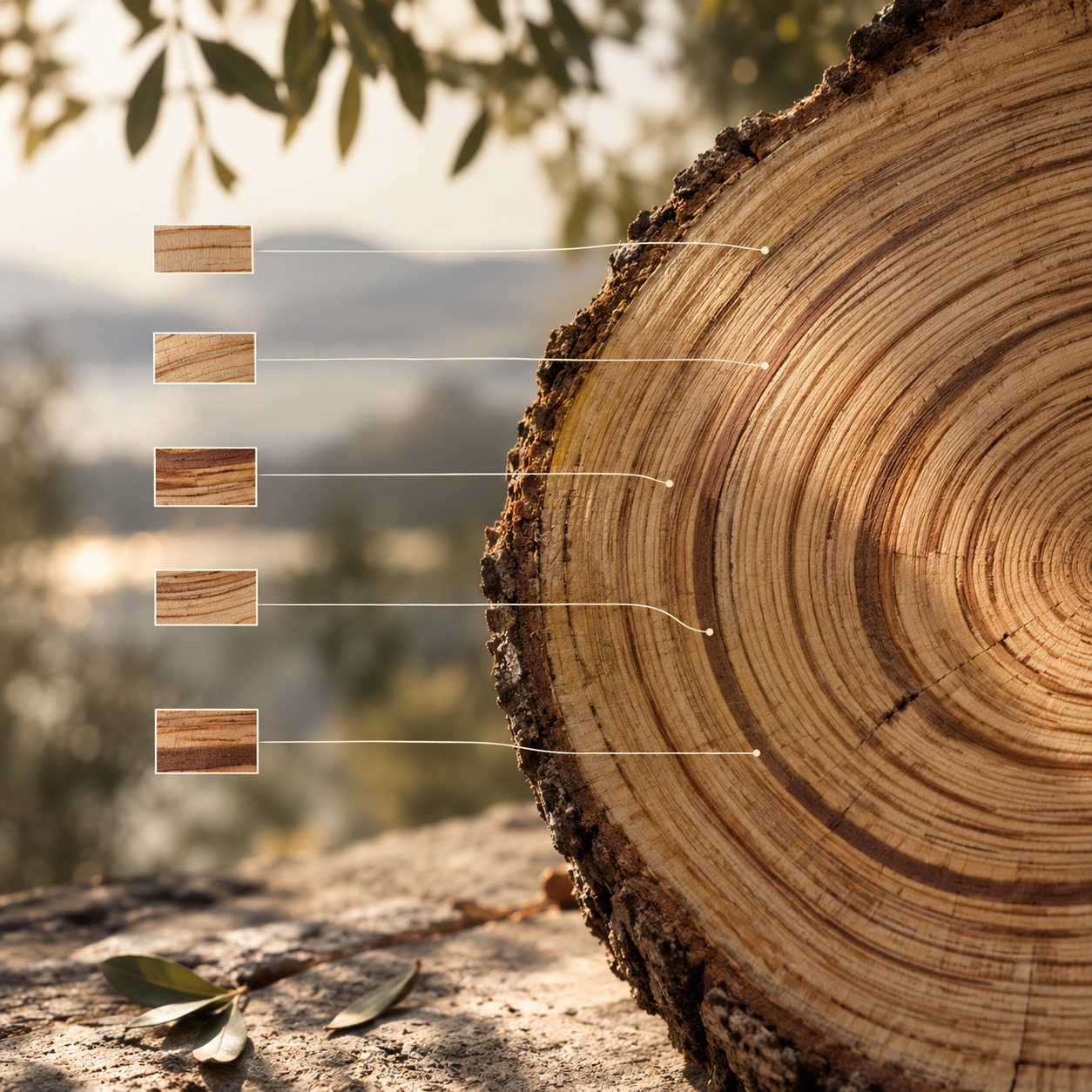
Az önce arkeologun toprağı kazarak bir izi okuduğunu gördük. Ama bitkiler için kazmaya bile gerek yok — iz, gövdenin tam ortasında, kesilmeyi bekliyor.
Bir ağacın halkalarına baktığınızda garip bir şey fark edersiniz: her halka aynı kalınlıkta değildir. Kurak bir yıl ince bir çizgi bırakır, bereketli bir yıl kalın bir bant. Yani ağaç, sadece “kaç yıl yaşadım” demiyor — her yılın nasıl geçtiğini de kaydediyor. Bu, Bergson’un bahsettiği türden bir süre değil elbette; ağacın bir “deneyimi” yok, bir bilinci yok. Ama yine de burada tuhaf bir yankı var: Bergson’a göre gerçek zaman, her anın bir öncekini içinde taşımasıydı — ve işte ağaç, tam da bunu yapıyor, sadece zihinsiz bir şekilde. Otuzuncu halka, önceki yirmi dokuz halkayı fiziksel olarak içinde taşıyor. Belki de süre dediğimiz şey, bilinçli bir deneyim olmak zorunda değil — sadece geçmişin şimdiki anın içinde somut olarak var olmaya devam etmesi.
Bitkilerin bir de daha ince, daha “canlı” bir zaman algısı var: fotoperiyodizm. Bir bitki, takvimi olmadan, güneşin gökyüzündeki açısını bile bilmeden, sadece gece ile gündüzün süresindeki değişimi ölçerek ne zaman çiçek açacağına karar verir. Burada ölçülen şey saat değil, oran — gecenin uzunluğu gündüze göre ne kadar arttı ya da azaldı. Bu, aslında Janet Yasası’nın bitkilerdeki bir yankısı gibi de okunabilir: tıpkı bizim yaşlandıkça bir yılı, ömrümüze oranla küçülen bir dilim olarak “hissetmemiz” gibi, bitki de mutlak bir zamanı değil, bir oranı takip ediyor. Belki de zamanı oransal algılamak, sandığımızdan çok daha temel, hatta bilinçten önce gelen bir eğilim.
Ama burada durup şunu sormak gerekiyor: bitki gerçekten zamanı “biliyor” mu, yoksa biz mi ona zaman atfediyoruz? Fotoperiyodizm, bilinçsiz bir kimyasal tepki zinciri — bitkinin hiçbir “farkındalığı” yok. O zaman neden bu kadar zaman-benzeri davranıyor? Belki de cevap rahatsız edici: belki zaman, bilinç gerektirmeyen, maddenin kendisine içkin bir şey. Belki Augustinus yanılıyordu — zaman sadece ruhta değil, ruhsuz bir gövdede de “işliyor.”
4b. Hayvanlarda Zaman
Bitkiden hayvana geçtiğimizde bir şey değişiyor: artık kayıt değil, deneyim var. Ama bu deneyimin herkes için aynı hızda aktığını varsaymak, belki de yaptığımız en büyük hata.
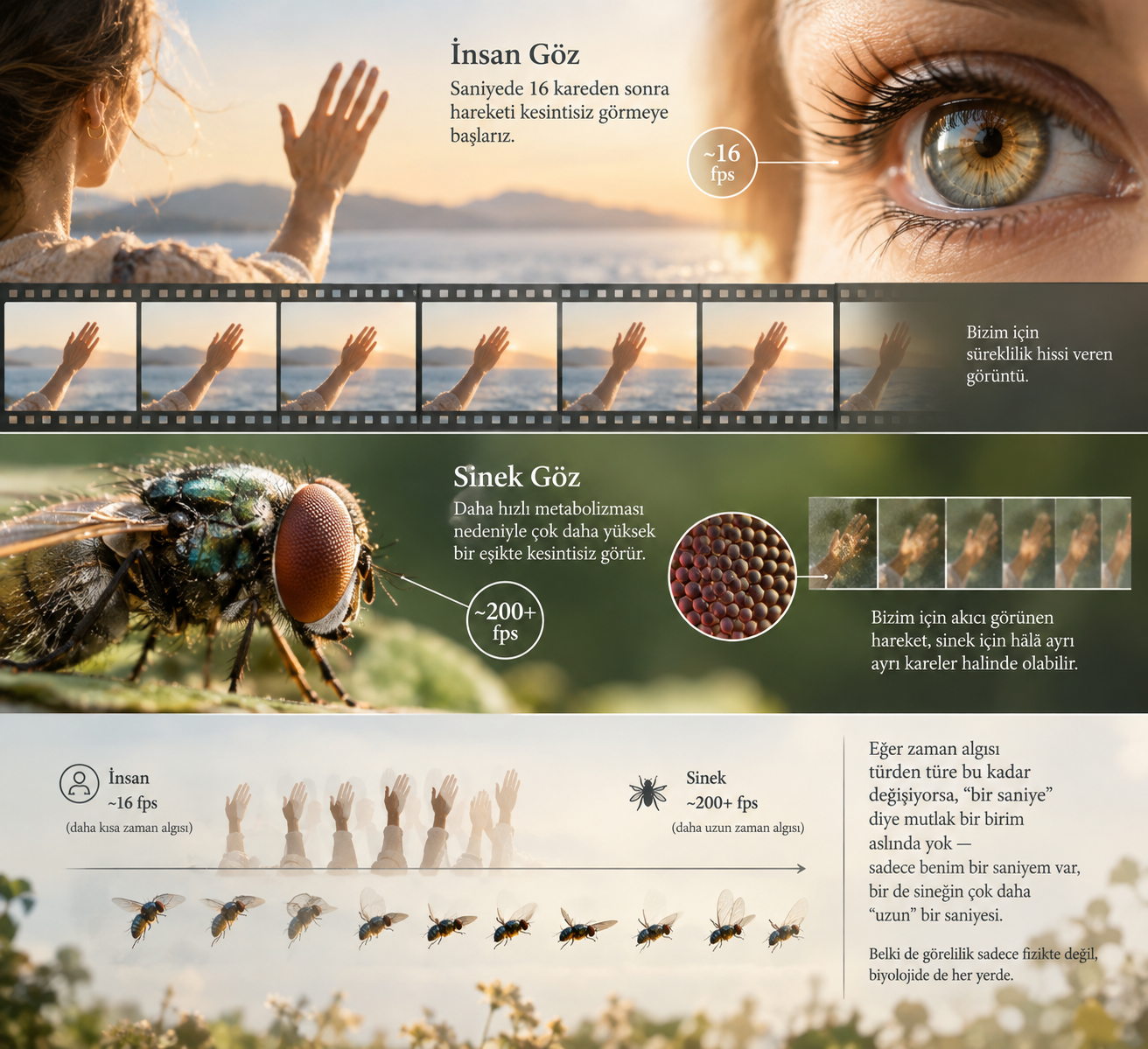
2013’te Trinity College Dublin’den Kevin Healy‘nin liderliğindeki ekip, bunu ölçmenin bir yolunu buldu: “
” — gözün, ayrı ayrı ışık parlamalarını ne zaman tek bir sürekli ışık olarak algılamaya başladığını gösteren eşik. İnsan gözü saniyede on altı kareden sonra süreklilik hisseder; bu yüzden sinema ve televizyon bu hızın üzerinde çalışır — yoksa titreşimi fark ederdik. Ama küçük ve hızlı metabolizmalı hayvanlar bu eşiği çok daha yükseğe taşıyor. Bir sinek, bizim “sürekli” gördüğümüz bir hareketi hâlâ ayrı ayrı kareler halinde görebiliyor olabilir — yani bize akıcı görünen bir el sallayışı, sinek için belki de bizim ağır çekim bir filmi izlememiz gibi, kare kare ilerleyen bir şey.
Bu bulgunun rahatsız edici tarafı şu: eğer zaman algısı türden türe bu kadar değişiyorsa, “bir saniye” diye mutlak bir birim aslında yok — sadece benim bir saniyem var, bir de sineğin çok daha “uzun” bir saniyesi. Einstein’ın görelilik teorisi bunu hız ve kütleyle açıklamıştı; ama burada hiç ışık hızına yaklaşmadan, sadece metabolizma farkıyla bile zaman “farklı akıyor.” Belki de görelilik sadece fizikte değil, biyolojide de her yerde.
Peki bu neden böyle evrimleşti? Healy’nin ekibinin vurguladığı nokta çarpıcı: bu, süs değil, hayatta kalma meselesi. Hızlı hareket eden bir avcıdan kaçan küçük bir hayvan için, dünyayı “yavaşlatabilmek” — yani zamanı ince dilimlere bölebilmek — arada kalan o milisaniyelik farkı yakalayıp kaçabilmek demek. Yani zaman algısının hızı, felsefi bir tercih değil, doğal seçilimin cezalandırdığı ya da ödüllendirdiği bir özellik. Kaplumbağa yavaş algılıyorsa, muhtemelen ona hız gerektiren bir tehdit yeterince baskı yapmamış demektir.
Burada bitkiler bölümüyle ilginç bir simetri kuruluyor: bitki zamanı biriktiriyor, hayvan zamanı hızına göre yaşıyor. İkisi de zamanla “anlaşmış” ama hiçbiri onu bizim yaptığımız gibi ölçmüyor, isimlendirmiyor, takvime dökmüyor. Belki de insanın zamanla ilişkisindeki en tuhaf şey, onu yaşamakla yetinmeyip sürekli dışarıdan izlemeye çalışması — bir sinek asla kendi saniyesini sorgulamaz, ama biz kendi saniyemizin “gerçek” olup olmadığını soruyoruz.
Eğer bir sineğin bir saniyesi bizimkinden bu kadar farklıysa, “şimdi” dediğimiz an, gerçekten paylaşılan bir şey mi, yoksa her tür kendi hızında yaşayan, birbirine hiç değmeyen ayrı “şimdi”ler mi yaşıyor?
5. Zaman ve Vortex
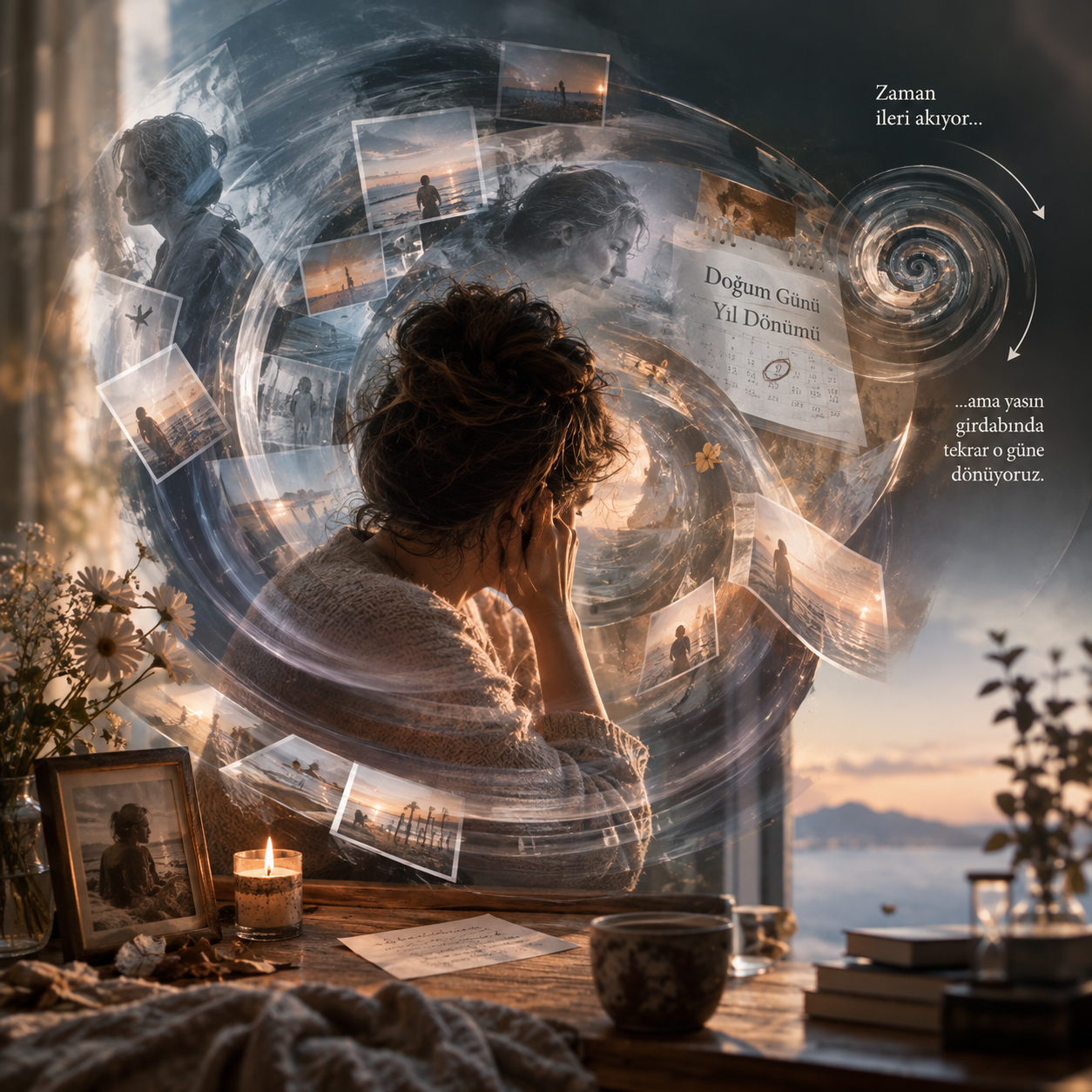
Bir önceki bölümde sinek ile insanın “şimdi”sinin hiç kesişmeyen iki ayrı hız olabileceğini düşündük. Şimdi soruyu büyütelim: ya zamanın kendisi de, tek bir yönde akan düz bir çizgi değil de, kendi etrafında dönen bir şey olsaydı?
Girdap imgesi, insanlığın en eski ve en inatçı zaman metaforlarından biri — ve bunun bir tesadüf olmadığını düşünüyorum. Çünkü bir spiral, düz bir çizginin veremediği bir şeyi verir: hem tekrarı, hem ilerlemeyi aynı anda. Düz bir okla düşünürseniz, zaman sadece bir kez olur ve biter. Bir daireyle düşünürseniz, hep aynı yere dönersiniz, hiçbir şey değişmez. Ama bir spiralde ikisi de var: mevsimler döner, ama hiçbir kış bir öncekiyle tam aynı değildir. Siz her yılın aynı ayında aynı hisse benzer bir şey yaşarsınız — ama artık bir yıl daha yaşlısınızdır. Girdap, tekrar ile değişimi uzlaştıran tek geometri gibi duruyor.
Peki bu sadece bir metafor mu, yoksa fizikte gerçek bir karşılığı var mı? Burada işler tuhaflaşıyor. Kara deliklerin çevresinde zaman, dışarıdan bakan biri için gerçekten “büküle biliyor” — olay ufkuna yaklaştıkça, uzaktaki bir gözlemci sizin saatinizin giderek yavaşladığını, neredeyse durduğunu görür. Ama burada can alıcı bir ayrıntı var: siz, düşen kişi olarak, kendi saatinizde hiçbir yavaşlama hissetmezsiniz — sizin için zaman gayet normal akmaya devam eder. Yani “yavaşlayan zaman” dediğimiz şey, mutlak bir gerçek değil, tamamen bakış açısına bağlı. Bu da bizi 1. bölümdeki tartışmaya geri götürüyor: Bergson, zamanı mekân gibi ölçmenin bir tahrifat olduğunu söylemişti. Kara delik burada ona hak veriyor gibi — çünkü “zaman yavaşladı” cümlesi, ancak dışarıdan, mekânsal bir bakış açısından anlamlı; içeriden, yaşanan süre olarak bakıldığında hiçbir “yavaşlama” yok.
Yani girdap metaforu belki de sandığımızdan daha isabetli: bir girdaba dışarıdan bakarsanız, suyun merkeze doğru inanılmaz hızlandığını görürsünüz. Ama girdabın tam ortasında, akıntıyla birlikte dönen bir yaprak için, kendi çevresindeki su hiç de öyle çılgınca hızlı akmıyordur — o yaprak için her şey gayet “normal” hızda ilerliyordur. Zamanın bükülmesi de tam olarak böyle bir şey: içeriden hiçbir zaman “anormal” hissetmezsiniz, tuhaflık her zaman dışarıdan, başka birinin bakışında ortaya çıkar.
Mitolojinin girdaba yüklediği anlam da bunu doğruluyor gibi: pek çok kültürde girdap, bir dünyadan diğerine geçiş kapısı olarak resmedilir — İskandinav mitolojisindeki Maelstrom’dan Homeros’un Skylla ile Kharybdis’ine kadar. Neden hep bir “geçiş” simgesi? Çünkü girdap, kenarından bakan biri için tehlikeli ve yabancıdır, ama merkezine giren biri için belki de sadece başka bir gerçekliğe süzülme anıdır. Zamanın kendisi de tam olarak böyle işlemiyor mu — dışarıdan, geçmişe ya da geleceğe bakarken devasa ve ulaşılmaz görünüyor, ama içinde yaşarken sadece “şimdi” oluyor?
Burada 2. bölümdeki arkeoloji tartışmasına da bir köprü kurulabilir: arkeolog, katmanları kazarken aslında girdabın kenarından bakan biri gibi davranıyor — geçmişi dışarıdan, donmuş ve mekânsallaşmış olarak görüyor. Ama o katmanı bırakan insan, kendi “şimdi”sinde yaşıyordu, hiçbir “geçmiş” hissetmiyordu. Belki de tarih dediğimiz şey, hep dışarıdan bakanın gördüğü girdap — yaşayanlar için ise hep sadece “an.”
Peki siz kendi hayatınıza dışarıdan mı bakıyorsunuz — bir gün geriye dönüp “o yıllar nasıl da hızlı geçti” diyecek biri gibi — yoksa şu anda, girdabın tam merkezinde, hiçbir hızlanma hissetmeden mi yaşıyorsunuz?
Girdap metaforunun soyut kalmaması için, onu gerçekten yaşadığımız birkaç ana bakalım — çünkü aslında hepimiz, farkında olmadan, düzenli olarak bu “içeriden bakınca normal, dışarıdan bakınca çılgın hız” deneyimini yaşıyoruz.
Akış (flow) hâli, belki de en saf örnek. Psikolog Mihaly Csikszentmihalyi, 1970’lerde kaya tırmanıcıları, satranç oyuncuları ve cerrahlarla yaptığı görüşmelerde çarpıcı bir ortaklık buldu: bu insanlar bir işe tamamen daldıklarında zaman algısı bozuluyor, kendilik bilinci kayboluyor. Bunu “akış” (flow) olarak adlandırdı ve bunun kültürden kültüre, faaliyetten faaliyete değişmeyen, evrensel bir insan deneyimi olduğunu gösterdi. Bir kitaba dalıp saatlerin nasıl geçtiğini fark etmediğiniz an, tam olarak bu — siz girdabın merkezindesiniz, su size gayet sakin akıyor gibi hissettiriyor. Ama saatinize baktığınızda, dışarıdaki gerçek zamanın nasıl “yuttuğunu” görüp şaşırıyorsunuz. Bu, bir önceki bölümde bahsettiğimiz kara delik örneğinin küçük, günlük bir versiyonu: içeride hiçbir hızlanma hissi yok, tuhaflık sadece dışarıdan, saat ibresine bakınca ortaya çıkıyor.
Telefon ekranı da modern bir girdap. Sosyal medyada “beş dakika bakayım” deyip başınızı kaldırdığınızda kırk beş dakikanın geçtiğini fark etmeniz, tesadüf değil — bu tasarım, sizi tam olarak akış hâlindeki gibi hissettirmek için optimize edilmiş: sürekli, öngörülemeyen küçük ödüller (yeni bir gönderi, yeni bir bildirim), dikkatinizi tek bir noktaya kilitleyip zamana dair her türlü dışsal referansı (pencereden gelen ışık, açlık hissi) bastırıyor. Farkı şu: akış hâli genelde sizi tatmin ederken bırakır, ekran girdabı ise çoğunlukla boşluk hissiyle.
Kumarhanelerin saatsiz, penceresiz tasarımı ise bu ilkeyi bilinçli olarak kötüye kullanan bir örnek — dışarıdaki zamana dair hiçbir ipucu bırakmayarak, insanı bilerek “girdabın merkezinde” tutmaya çalışan bir mimari.
Yas ise tam tersi bir vorteks yaratıyor — burada zaman ileri değil, adeta kendi üzerine kıvrılıyor. Kaybedilen birinin doğum günü, bir yıl dönümü geldiğinde, aradan geçen aylara rağmen acı sanki hiç geçmemiş gibi geri döner; kişi kendini bir anda o ilk güne “geri çekilmiş” hisseder. Bu, girdabın hem ileri hem geri hareketi aynı anda barındırma özelliğine çok uygun düşüyor — zaman nesnel olarak ilerlemiş, ama deneyim döngüsel bir noktaya geri sürüklenmiş.
Yeni ebeveynlik de sık anlatılan bir vorteks biçimi: geceler uykusuzlukla uzayıp giderken, aylar “nereye gitti” dedirtecek kadar hızlı akıyor — aynı anda hem en yavaş hem en hızlı zaman deneyimi.
Bütün bu örneklerin ortak noktası şu: girdap, dışarıdan bakıldığında tehlikeli ya da çılgın görünen, ama içinde olan için gayet “normal” hissettiren bir yapı. Belki de bunun asıl anlattığı şey, zamanın kendisinin değil, bakış açımızın hızlanıp yavaşladığı. Siz hiç böyle bir ana girip çıktığınızda, “nereye gittiğini” merak ettiğiniz bir zaman dilimi yaşadınız mı — girdabın tam neresindeydiniz?
6. Entropi ve Zamanın Oku
Bir önceki bölümde girdabın hem tekrarı hem ilerlemeyi barındırdığını gördük — mevsimler döner ama hiçbir kış aynı değildir. Şimdi bu “hiçbir kış aynı değildir” kısmının fizikte neden bu kadar katı, neredeyse acımasız bir kuralı olduğuna bakalım.
Bir bardağın kırıldığını hayal edin. Kırık parçaların kendiliğinden birleşip masaya geri zıplaması, hiçbir fizik yasasını çiğnemez — enerji korunumu, momentum korunumu, hepsi bu tersine harekette de geçerli olurdu. Ama böyle bir şey asla olmaz. Neden? İşte burada 1927’de İngiliz astrofizikçi Arthur Eddington‘ın ortaya attığı “zamanın oku” kavramı devreye giriyor. Eddington’ın önerdiği cevap ürkütücü derecede sadeydi: hiçbir tekil fizik yasası zamana bir yön dayatmıyor — ama olasılık dayatıyor. Kırılmış bir bardağın parçaları, sayılamayacak kadar çok farklı “dağınık” biçimde durabilirken, sağlam bir bardak olabilmenin tek bir yolu var. Kırılma, düzenden düzensizliğe (entropiye) doğru bir kayma; bu yüzden istatistiksel olarak neredeyse imkânsız derecede olası değil bunun tersinin olması. Zaman, işte bu yüzden bir yöne akıyor — çünkü evren, olası olan tarafa doğru sürükleniyor, olasısız olana değil.
Şimdi burada durup bir önceki bölümle gerçek bir gerilim kurmam gerekiyor, çünkü geçen sefer bunu yapmadan geçmiştim. Girdap bize hem tekrar hem ilerleme sunuyordu; ama entropi, saf bir tek yönlülük dayatıyor — hiçbir “tekrar” yok, sadece artan düzensizlik. Peki mevsimlerin dönüşü, entropiyle nasıl bir arada durabiliyor? Cevap, ölçeğin nerede tutulduğunda gizli: mevsimler yerel bir döngü, çünkü Dünya sürekli Güneş’ten enerji alıyor ve bu enerjiyi uzaya ısı olarak kaybediyor — yani gezegen kapalı bir sistem değil. Bahar her geldiğinde toprak “aynı” görünür, ama bu döngüyü mümkün kılan enerji akışı, evrenin geri kalanında geri dönüşsüz biçimde entropiyi artırıyor. Yani mevsimlerin girdabı, aslında daha büyük, tek yönlü bir okun üzerine biniyor — yerel bir daire, kozmik bir okun sırtında dönüyor. Bu da şu demek: hiçbir gerçek döngü tam anlamıyla “bedava” değil, her tekrar, bir yerlerde entropi faturasını ödüyor.
Bu, geçen bölümdeki kara delik örneğine de yeni bir katman ekliyor. Orada, zamanın “yavaşlaması”nın sadece bakış açısına bağlı olduğunu, içeriden hiçbir tuhaflık hissedilmediğini söylemiştim. Ama entropi burada farklı davranıyor — o, bakış açısından bağımsız, mutlak bir yön. Kara deliğe düşen kişi için zaman kendi saatinde normal akar, evet; ama o kişi için bile kahve fincanı kendiliğinden ısınıp buhara dönüşmez, saç beyazlaşmadan gençleşmez. Yani görelilik zamanın hızını bükebiliyor, ama hiçbir çerçeve zamanın yönünü tersine çeviremiyor. Bu ayrım önemli: hız görelidir, yön değildir. Belki de zamanın en “gerçek,” en tartışmasız yanı, hızı değil, bu geri dönüşsüzlüğü.
Peki bu bizi nereye götürüyor? Fizikçiler arasında gerçekten tartışılan bir soru var: evrenin entropisi bir gün, çok çok uzak bir gelecekte, mümkün olan maksimum düzensizliğe ulaşıp durağanlaşırsa (buna “ısı ölümü” deniyor), o noktada zaman diye bir şey kalır mı? Eğer artık hiçbir yönde artış yoksa, “önce” ve “sonra”yı ayırt edecek hiçbir fark kalmaz — çünkü zamanın oku, tam olarak bu farkın kendisiydi. Bu ihtimal gerçekten ürkütücü bir şey söylüyor: zaman, evrenin temel bir özelliği olmayabilir; sadece evrenin şu an, henüz maksimum düzensizliğe ulaşmamış olmasının geçici bir yan ürünü olabilir.
Bu da Bergson’a karşı çıkışın ilginç bir yolu: Bergson, zamanın mekân gibi ölçülmesine itiraz ederken, sürenin temel ve indirgenemez olduğunu savunmuştu. Ama entropi anlatısı tam tersini söylüyor gibi: zaman, aslında daha temel bir şeyin (düzensizliğin artışının) bir belirtisi — kendi başına temel değil. Yani belki de tartışma şuna dönüyor: zaman, dünyanın dokusunda mı, yoksa dünyanın şu anki hâlinde mi?
Sizce evrenin bir gün tamamen “durağanlaşacağı,” artık hiçbir şeyin değişmeyeceği bir hâl, zamanın bittiği bir an mı olurdu — yoksa zamanın kendisinin hiç var olmadığının anlaşıldığı bir an mı?
7. Gestalt Gözünden Zaman
Bir önceki bölümde zamanın belki de “temel” değil, evrenin şu anki geçici hâlinin bir belirtisi olabileceğini düşündük. Şimdi bambaşka bir olasılığa bakalım: ya zaman ne fizikte ne dışarıda, sadece zihnimizin bir inşası olsaydı?
Gestalt psikolojisinin çıkış noktası, aslında hareketle ilgili çok basit bir gözlemdi. 1912’de Max Wertheimer, iki sabit ışığı belirli bir aralıkla art arda yakıp söndürdüğünde, insanların bunu iki ayrı ışık olarak değil, tek bir ışığın hareket ettiği şeklinde algıladığını fark etti — buna “phi fenomeni” dendi. Burada önemli olan şu: hareket, ışıkların hiçbirinde yoktu. Ortadaki boşlukta, algının kendisinde vardı. Zihin, iki ayrı noktayı alıp aralarına kendiliğinden bir süreklilik dolduruyordu.
Şimdi bunu günlük hayata taşıyalım — çünkü bu, sandığımızdan çok daha tanıdık bir deneyim. Bir dizi izlerken bölümün sonunda kahraman bir uçurumdan düşerken kesiliyor, sonraki bölüm bir hafta sonra geliyor. O bir haftalık boşlukta hiçbir şey “olmadı” — ama siz zihninizde o boşluğu doldurmadan edemezsiniz: kahraman kurtuldu mu, nasıl kurtuldu, merakla dolarsınız. İşte bu, Wertheimer’in ışıklarıyla aynı mekanizma: zihniniz iki ayrı “kareyi” (düşme anı, bir sonraki bölümün başı) alıp aralarına kendiliğinden bir hikaye, bir süreklilik ekliyor. Kapanma (closure) ilkesi tam olarak bu — yarım kalan bir şeyi zihnin tamamlama zorunluluğu.
Bunun tersini de günlük hayatta sürekli yaşıyoruz: bitmemiş bir cümle, yarıda bırakılmış bir tartışma, “konuşacağız” deyip kapanmayan bir mesele — hepsi zihinde bir kaşıntı gibi kalır, ta ki bir şekilde “tamamlanana” kadar. Psikolojide buna bazen “Zeigarnik etkisi” denir: tamamlanmamış görevler, tamamlanmış olanlara göre hafızada çok daha canlı kalır — bir garsonun, ödemesi henüz alınmamış siparişleri kusursuz hatırlarken, ödemesi alınır alınmaz o siparişi unutması gibi. Zaman burada da aynı role bürünüyor: bitmemiş bir “an,” zihinde bitmiş bir andan çok daha uzun, çok daha ağır yer kaplıyor. Belki de bu yüzden yarım kalan bir ilişki, tamamlanmış bir ilişkiden çok daha uzun süre “zihninizde yaşıyor” — zaman geçmiş olsa bile.
Şekil-zemin (figure-ground) ilkesi ise başka bir günlük deneyimi açıklıyor: bir kafede otururken arka planda çalan müziği önce fark etmezsiniz — o “zemin”dedir. Ama şarkı değiştiğinde ya da biri sesi açtığında, aniden “şekil” hâline gelir, dikkatinizi çeker. Zamanla ilişkimiz de böyle işliyor: sıradan bir Salı günü “zemin”e karışır, hafızada neredeyse hiç iz bırakmaz; ama o gün beklenmedik bir haber alırsanız, o an aniden “şekil” olur, yıllarca net biçimde hatırlanır. Bir önceki bölümlerde bahsettiğimiz akış (flow) hâli de bunun bir uzantısı: dikkatiniz tek bir şeye o kadar kilitlenir ki, geri kalan her şey (zaman dahil) tamamen zemine çekilir, görünmez olur.
Yakınlık (proximity) ilkesi ise belki en tanıdık olanı. Bir haftalık tatilin yedi günü, dönüşte neden tek, bulanık bir “anı bloğu” gibi hatırlanır da, o hafta içindeki her günün ayrı ayrı detayı kaybolur? Çünkü zihin, birbirine zamansal olarak yakın olan deneyimleri otomatik olarak gruplandırıyor — tıpkı bir sayfada birbirine yakın duran noktaları tek bir şekil olarak görmemiz gibi. Bu da ilginç bir sonuç doğuruyor: hafızanız, “ne kadar zaman geçti” sorusuna kronolojik bir sayımla değil, kaç farklı “grup” oluşturduğuna bakarak cevap veriyor gibi. Rutin bir ayın otuz günü tek bir grup olarak sıkışırken, yoğun, değişken bir hafta beş ayrı “olay”a bölünüp hafızada daha fazla yer kaplayabiliyor — bu da 10. bölümde konuştuğumuz “neden yetişkinlikte zaman hızlanıyor” sorusuna zaten bir cevap sunuyor: rutin, gruplanmayı kolaylaştırıyor, grup sayısı azaldıkça geçmişe bakınca zaman “kısalmış” hissediliyor.
Kurt Lewin ve “Şimdi”nin İçinde Taşınan Geçmiş-Gelecek
Gestalt ekolünün doğduğu Berlin’de, Wertheimer, Köhler ve Koffka ile aynı entelektüel havayı soluyan bir başka isim vardı: Kurt Lewin (1890–1947). Lewin, algıdan çok motivasyon ve davranışla ilgilendiği için kendi “alan teorisi”ni (field theory) geliştirdi — ama bu teorinin tam merkezine, Gestalt’ın bütünlük ilkesini zamana uygulayan çarpıcı bir kavram yerleştirdi: zaman perspektifi (time perspective).
Lewin’in iddiası şuydu: bir insanın “şu an”ı, yalnızca o anki fiziksel gerçeklikten ibaret değildir. Kişinin o anda zihninde taşıdığı geçmiş ve gelecek de, “yaşam alanı” (life-space) dediği bu psikolojik bütünün bir parçasıdır. 1951’de bunu şöyle tanımladı: zaman perspektifi, bireyin belirli bir andaki psikolojik geleceği ve psikolojik geçmişine dair görüşlerinin toplamıdır. Yani geçmiş, “artık orada değil” değildir — şu anki alanın bir bölgesi olarak hâlâ oradadır, tıpkı henüz gelmemiş gelecek gibi.
Burada Wertheimer’in ışıklarıyla ilginç bir paralellik kurulabilir: nasıl ki iki ayrı ışık arasındaki boşluk zihin tarafından “hareket” olarak dolduruluyorsa, Lewin’e göre de geçmiş ve gelecek arasındaki boşluk, zihin tarafından tek, bütünsel bir “şimdi” olarak dolduruluyor. Bu düşüncenin somut bir kanıtı da var: Lewin, ergenlik döneminde bu zaman ufkunun aniden genişlediğini gözlemledi — çocuk günler ve haftalar cinsinden düşünürken, ergen birden yıllar, hatta on yıllar ötesini hesaba katan hedefler kurmaya başlar. Zaman ufkunun genişlemesi, ona göre gelişimin en temel işaretlerinden biriydi.
Bu fikrin izleri hiç kopmadı: Lewin’in “zaman perspektifi” kavramı, 9. bölümde bahsettiğimiz Philip Zimbardo’nun araştırmasının doğrudan temelini oluşturdu — Zimbardo ve Boyd, 1999’da bu fikri ölçülebilir bir psikolojik araca dönüştürdüler.
Fritz Perls’ün Gestalt terapisindeki “şimdi ve burada” ısrarı, tam da bu noktada Lewin’le üretken bir gerilim kuruyor. Perls, insanların çoğu zaman ya kapanmamış bir geçmişi kapatmaya çalışarak, ya da henüz gelmemiş bir geleceği zihinde tamamlamaya çalışarak şu anı kaçırdığını düşünüyordu; terapötik hedef, bu geçmiş-gelecek gürültüsünü susturup çıplak “şimdi”yi deneyimlemekti. Ama Lewin’in tezi tam tersini söylüyor gibi: şimdi, zaten geçmiş ve gelecekten arındırılamaz — çünkü onlar, şu anki psikolojik alanın kurucu bir parçası. Yani biri “şimdiyi geçmiş-gelecekten temizle” derken, diğeri “şimdi zaten onlardan örülmüş, temizlenecek bir şey yok” diyor.
Peki hangisi daha doğru geliyor size — şu anı, geçmiş ve geleceğin gürültüsünden arındırılmış çıplak bir an olarak mı yaşıyorsunuz, yoksa her “şimdi”niz, fark etmeden, geçmişinizin ve planladığınız geleceğinizin ağırlığını da taşıyor mu?
8. Zaman-Mekân Sinestezisi
Bir önceki bölümde Lewin’in “şimdi, geçmiş ve geleceğin de içinde yer aldığı bir psikolojik alandır” dediğini gördük. Peki bu “alan” kelimesini mecaz olarak değil, harfiyen almak mümkün olsaydı ne olurdu — yani zaman gerçekten, bazı insanlar için, zihinsel bir haritada somut bir yer tutsaydı?
İşte tam bu soruyu yanıtlayan gerçek bir fenomen var: time-space synaesthesia (zaman-mekân sinestezisi). Nörobilimci David Eagleman, 2009’da bu deneyimi “sequence-space synaesthesia” terimiyle literatüre taşıdı — bazı insanlar için yılların, ayların, günlerin, hatta saatlerin, çevrelerinde sabit, tutarlı mekânsal konumları vardır. Biri için Ocak sol tarafta durur, Aralık sağda; biri için yıl, önlerinde uzanan bir şerit değil, etraflarını saran bir daire gibi dizilir.
2013’te MacEwan Üniversitesi’nden Michelle Jarick ve ekibinin “L” kod adıyla andıkları bir sinestet üzerinde yaptığı çalışma, işi bir adım daha ileri taşıdı — ve burada gerçekten şaşırtıcı bir ayrıntı ortaya çıktı. “L”, bir ay ismini duyduğunda bir bakış açısından, aynı ismi yazılı gördüğünde ise tamamen farklı bir bakış açısından konumlandırıyordu. Yani onun için tek bir “Ocak” yoktu — işitilen Ocak ile okunan Ocak, zihninde iki ayrı yerde duruyordu. Bu, ilk bakışta tuhaf bir teknik ayrıntı gibi görünebilir, ama aslında çok temel bir soruyu gündeme getiriyor: eğer aynı kavram, farklı duyusal kanallardan geldiğinde farklı bir mekânsal karşılık buluyorsa, o zaman “zamanın şekli” dediğimiz şey, zamanın kendisine mi ait, yoksa onu bize taşıyan kanala mı ait?
Bu soru bizi doğrudan 6. bölümdeki tartışmaya geri götürüyor. Wertheimer’in fenomeninde hareket, ışıkların kendisinde değil, aradaki boşluğu dolduran zihindeydi. Burada da benzer bir şey oluyor gibi: “Ocak ayı”nın gerçek, mekândan bağımsız bir özü yok — zihin, onu hangi kapıdan (kulaktan mı, gözden mi) aldıysa, ona göre bir mekân icat ediyor. Yani belki de sinestezi, herkeste zaten olan ama çoğumuzda görünmez kalan bir sürecin, sadece fazla görünür hâle gelmiş bir versiyonu. Hepimiz belki de zamanı bir şekilde mekânsallaştırıyoruz — sinestetler bunu bilinçli olarak “görürken,” geri kalanımız bunu o kadar otomatik yapıyoruz ki, hiç fark etmiyoruz.
Bunun günlük hayattan bir kanıtı var, hepimizin paylaştığı: birine “geçen hafta” dediğinizde, çoğu insan farkında olmadan elini ya da bakışını hafifçe sola çevirir; “gelecek yıl” dediğinde ise sağa ya da öne. Bir zaman çizelgesi çizmeniz istendiğinde, hemen hemen hiç kimse “hangi yöne çizeyim” diye tereddüt etmez — sanki zaten, çoktan anlaşılmış bir yön varmış gibi, soldan sağa (ya da kültüre göre başka bir yöne) bir çizgi çekersiniz. Peki bu yön nereden geliyor? Muhtemelen yazı yönümüzden, okuma alışkanlığımızdan — yani kültürel bir yerleşim, doğuştan gelen bir zaman-mekân bağı değil. Bu da ilginç bir soru açıyor: eğer soldan sağa değil de sağdan sola yazan bir dilde büyüseydiniz, “geçmiş” sizin için sağda mı dururdu?
Burada 4. bölümdeki girdap tartışmasıyla da bir bağ kurulabilir. Orada, girdabın merkezinde olan biri için hiçbir “hızlanma” hissedilmediğini, tuhaflığın sadece dışarıdan bakışta ortaya çıktığını konuşmuştuk. Zaman-mekân sinestezisinde de benzer bir asimetri var: “L” için kendi zihnindeki bu çifte-mekân sistemi hiç tuhaf değil — o, doğduğundan beri böyle deneyimliyor, bizim “normal” saydığımız tek-boyutlu zaman akışı ona daha “eksik” gelebilir bile. Tuhaflık, yine sadece dışarıdan, bizim bakış açımızdan görünür oluyor.
Ve belki de en cesur soru şu: eğer bazı insanlar zamanı gerçekten mekânda görüyorsa, geri kalanımızın “zamanı sadece hissediyoruz, göremiyoruz” demesi, gerçekten daha “doğru” bir deneyim mi, yoksa sadece daha az fark edilen bir versiyonu mu? Belki de hepimiz bir çeşit zaman-mekân haritası taşıyoruz — sadece çoğumuzun haritası o kadar sessiz çiziliyor ki, hiç göremiyoruz onu.
Siz “geçen hafta” dediğinizde, gözünüzün önünde hiç, en ufak bir yön, bir konum beliriyor mu?
9. Ya Geçmiş-Şimdi-Gelecek Olmasaydı?
Bu bölüme kadar bunu hep bir düşünce deneyi gibi ele aldık — “hayal edelim ki hafızanız yok.” Ama aslında hayal etmemize gerek yok. Bu, gerçekten yaşanmış, tıp tarihinin en çok incelenen vakalarından biri.
1953’te, yirmi yedi yaşındaki Henry Molaison, dayanılmaz epilepsi nöbetlerini durdurmak için beynindeki hipokampüsün her iki tarafını da çıkarttıran bir ameliyat geçirdi. Nöbetler gerçekten azaldı — ama bunun bedeli, kimsenin öngöremediği kadar ağırdı: Henry, o günden ölümüne kadar (2008), artık hiçbir yeni anı oluşturamadı. Nörobilimci Brenda Milner, onu on yıllar boyunca düzenli olarak ziyaret edip test etti — ama her ziyarette, Henry onu sanki ilk kez görüyormuş gibi karşıladı. On dakikalık bir görüşmenin sonunda, o görüşmenin hiç yaşanmadığı bir hâle geri dönüyordu.
Şimdi burada durup 1. bölümdeki Augustinus’a geri dönelim. Augustinus, “şimdi”nin aslında üç parçadan oluştuğunu söylemişti: geçmişin şimdiki-hafızası, geleceğin şimdiki-beklentisi, anın şimdiki-dikkati. Henry’nin durumu, bu üçlemeyi acımasızca test etti: onun “anın dikkati” kısmı kusursuzdu — hatta zekâsı ameliyattan sonra bile bozulmamıştı, hatta nöbetler azaldığı için biraz artmıştı bile. Ama “geçmişin şimdiki-hafızası” kısmı yoktu. Peki geriye ne kaldı? Milner’ın gözlemlediği şey ürkütücüydü: Henry, arkadaş edinemiyordu, çünkü her arkadaşlık bir sürekliliğe dayanır. Babasının ölümünü, her seferinde yeniden, ilk kez öğreniyordu.
Ama en çarpıcı kısım şu: Henry’nin eksikliği sadece geçmişle sınırlı kalmadı. 2007’de Demis Hassabis, Dharshan Kumaran ve Eleanor Maguire’ın Proceedings of the National Academy of Sciences‘te yayımladıkları araştırma, hipokampüsü hasar görmüş hastalarla ilginç bir deney yaptı: onlardan basit, hayali bir sahneyi zihinlerinde canlandırmalarını istediler — örneğin “beyaz kumlu bir sahilde uzandığınızı hayal edin.” Sağlıklı katılımcılar bunu kolayca yaparken, hastalar tutarlı, mekânsal olarak birleşik bir sahne kuramadılar; söyledikleri şeyler kopuk, parça parça imgelerden ibaret kaldı — bir sahil değil, sahille ilgili birkaç dağınık kelime. Yani hafızasını kaybeden hastalar, sadece geçmişi değil, geleceği hayal etme yetisini de kaybetmişti. Bu bulgu, hafıza ile hayal gücünün, beyinde aslında aynı makineyi paylaştığını gösterdi — psikolog Endel Tulving’in daha önce önerdiği “zihinsel zaman yolculuğu” (mental time travel) fikrine güçlü bir kanıt sundu: hatırlamak ve tahayyül etmek, aynı iskeletin üzerine kurulu iki farklı süsleme.
İşte tam burada, bu bölümün başındaki düşünce deneyi artık bir varsayım olmaktan çıkıyor: geçmiş ve gelecek olmasaydı nasıl bir yaşam olurdu sorusunun cevabı, laboratuvarda gözlemlenmiş durumda. Ve cevap, ilk bakışta hayal ettiğimiz o huzurlu “an’a gömülme” hâli değil. Meditasyon geleneklerinin vaat ettiği “şimdiki ana tam odaklanma,” bilinçli bir seçim olarak güzel bir şey — ama Henry’de bu seçime bile izin verilmiyordu, çünkü seçim yapan “ben” de zamanla inşa edilen bir şeydi. Geçmişi olmayan biri, yeni bir “ben” kuramıyor; her randevu, her ilişki, sıfırdan başlıyor ve hiçbir yere birikmiyor.
Bu da bizi 6. bölümdeki Lewin’e geri götürüyor. Lewin, “şimdi”nin geçmiş ve geleceği kendi içinde taşıyan bir alan olduğunu söylemişti. Henry’nin vakası, bunun ne kadar doğru olduğunu acı bir şekilde kanıtlıyor: o alan çöktüğünde, geriye kalan “şimdi” bir zenginlik değil, bir yoksunluk. Sanki Lewin’in “yaşam alanı” haritasından iki büyük bölge (geçmiş, gelecek) tamamen silinmiş, geriye sadece küçük, tekrar tekrar sıfırlanan bir nokta kalmış.
Peki bu bize kimlik hakkında ne söylüyor? Eğer “ben” dediğimiz şey, büyük ölçüde geçmişin ve öngörülen geleceğin üst üste binmesinden oluşuyorsa — Henry, hangi anlamda hâlâ “Henry” kalabiliyordu? Beden aynıydı, zekâ aynıydı, ama sürekliliğin ipliği kopmuştu. Belki de kimlik dediğimiz şey, bir öz değil, sadece zamanın bize ödünç verdiği bir anlatı — ve o anlatı kesildiğinde, geriye kalan şey artık eksik değil, tamamen başka bir varoluş biçimi.
Henry’nin hayatı size acı mı geliyor, yoksa bir bakıma daha hafif mi — pişmanlıksız, kaygısız, ama aynı zamanda hiçbir şeyin birikmediği bir varoluş?
10. Davranışsal Ekonomi Gözünden Zaman
Bir önceki bölümde, Henry Molaison’ın hem geçmişi hatırlayamadığını hem de geleceği hayal edemediğini, ve bunun aynı beyin bölgesinden (hipokampüs) kaynaklandığını görmüştük. Şimdi burada beklenmedik bir soru doğuyor: eğer geleceği “hayal etme” yetisi hafızayla aynı makineyi paylaşıyorsa, bu yeti bozulduğunda kararlarımız da bozulur mu? Yani “yarın” diye bir şeyi zihninizde gerçekten canlandıramıyorsanız, bugünkü seçimleriniz nasıl etkilenir?
Bu soruyu doğrudan test eden bir araştırma var. 2010’da Jan Peters ve Christian Büchel, Neuron dergisinde yayımladıkları çalışmada, insanlara standart bir “şimdi mi, sonra mı” seçimi (örneğin, bugün elli lira mı, bir ay sonra yüz lira mı) sunmadan önce, bir gruptan geleceğe dair somut, kişisel bir sahneyi hayal etmelerini istediler — “bir ay sonra o parayla ne yapacağınızı, nerede olacağınızı hayal edin” gibi. Sonuç çarpıcıydı: sadece bu kısa hayal egzersizi bile, katılımcıların sabırsız seçimlerini azalttı — gelecekteki ödülü daha çok tercih etmeye başladılar. Ve bu etkinin gücü, hayalin ne kadar canlı olduğuyla doğru orantılıydı; ayrıca beyinde hipokampüs ile ödül değerlendirmesinden sorumlu bölgeler (vmPFC) arasındaki bağlantının güçlenmesiyle ilişkiliydi — yani tam olarak Henry’de hasar gören sistemin sağlıklı versiyonu.
Bu, temporal discounting’in (zamansal iskontolama) klasik tanımına yeni bir katman ekliyor. O’Donoghue ve Rabin’in 1999’da tanımladığı “şimdiki zaman yanlılığı,” insanların yakın ödülü mantıksızca ağır bastırdığı bir eğilim olarak sunulmuştu — sanki bu, düzeltilmesi gereken bir “hata,” bir zayıflık. Ama Peters ve Büchel’in bulgusu bambaşka bir açıklama sunuyor: belki de sorun ahlaki bir zayıflık değil, tamamen algısal bir eksiklik. Gelecekteki “ben,” çoğu zaman zihnimizde hiç canlı, somut bir sahne olarak var olmuyor — sadece soyut bir kelime, “gelecek,” olarak duruyor. Ve zihin, somut olmayan bir şeyi, somut olan karşısında otomatik olarak hafife alıyor. Yani sabırsızlık, belki de “isteğe direnememek” değil, “henüz var olmayan bir şeyi gerçek hissedememek.”
Bu da 8. bölümdeki soruyla ilginç bir simetri kuruyor: orada, geçmişi olmayan birinin yeni bir “ben” inşa edemediğini görmüştük. Burada ise, geleceği hayal edemeyen birinin (ya da hayal etme çabası göstermeyen birinin), o hayali “ben”e yatırım yapmadığını görüyoruz. “Şimdiki ben” ile “gelecekteki ben” arasındaki o ünlü çatışma, aslında bir çatışma bile olmayabilir — çünkü “gelecekteki ben” çoğu zaman ortada hiç yok, sadece bir soyutlama. Kumar oynayan, tasarrufu erteleyen, “yarın başlarım” diyen kişi, aslında gelecekteki kendisiyle bilinçli bir mücadeleye girmiyor — sadece o kişiyi hiç hayal etmemiş oluyor.
Burada 6. ve 7. bölümlerle de bir bağ kurulabilir. Gestalt’ın kapanma ilkesi, zihnin yarım kalan bir şeyi tamamlama isteği duyduğunu söylüyordu; zaman-mekân sinestezisi ise bazı insanların geleceği gerçekten mekânda, somut bir yerde gördüğünü göstermişti. Peters ve Büchel’in bulgusu, ikisini birleştiren bir köprü kuruyor gibi: belki de sabırlı olabilmek, ahlaki bir erdem değil, geleceği zihinde yeterince “Gestalt”laştırabilme — onu soyut bir kelimeden çıkarıp, canlı, mekânsal, neredeyse görülebilir bir sahneye dönüştürebilme becerisi. Sinestet, bunu belki de doğuştan, kendiliğinden yapıyor; geri kalanımız bunu bilinçli bir çabayla, hayal ederek taklit edebiliyoruz.
Peki bu ne anlama geliyor — sabırsızlık dediğimiz şey, aslında bir irade zayıflığı değil de, sadece zayıf bir hayal gücü müdür? Ve eğer öyleyse, “gelecekteki kendinizi” ne kadar net, ne kadar canlı hayal edebiliyorsunuz — yoksa o, sizin için de hâlâ isimsiz, yüzsüz bir soyutlama mı?
11. Günlük Hayatta Zaman Algısı: Neden Bu Kadar Hızlı Akıyor?
Bir önceki bölümde, geleceği canlı hayal edebilmenin bugünkü kararlarımızı değiştirdiğini gördük. Şimdi tam simetrik bir soruyla ilerleyelim: peki geçmişi ne kadar “uzun” hayal ettiğimiz, o geçmişin ne kadar hızlı akmış gibi hissedildiğini belirliyor mu?
Cevap, psikolog Claudia Hammond‘ın “tatil paradoksu” (holiday paradox) dediği, gerçekten herkesin tanıdığı bir çelişkide saklı. Bir tatildeyken zaman uçar gibi geçer — yeni yerler, yeni yemekler, sürekli değişen uyaranlar sizi öyle meşgul eder ki, günün nasıl bittiğini anlamazsınız. Ama eve döndüğünüzde, geriye dönüp baktığınızda, aynı tatil garip bir şekilde uzun hissettirir — sanki haftalarca oradaymışsınız gibi. Hammond’ın açıklaması şu: zihnimiz zamanı iki tamamen ayrı yöntemle ölçüyor. Yaşarken (prospektif olarak) zamanı, dikkatimizin ne kadarının o ana ayrıldığına göre hissediyoruz — dikkat dağıldıkça, meşgul oldukça zaman “uçuyor.” Ama geriye dönüp (retrospektif olarak) değerlendirirken, tamamen farklı bir ölçüt kullanıyoruz: o dönemde kaç yeni anı biriktirdiğimiz. Sıradan iki haftada beyninizin kaydettiği belirgin anı sayısı altı-sekiz civarındayken, bir tatilde bu sayı güne altı-sekize çıkabiliyor. Yani hafıza defterinizde tatil için çok daha fazla “sayfa” birikiyor — ve döndüğünüzde o kalınlığa bakıp “demek ki uzun sürmüş” diye sonuç çıkarıyorsunuz.
Bu çift ölçüm sistemi, aslında 6. bölümdeki Gestalt tartışmasının tam da öngördüğü bir şey: yakınlık ilkesi, birbirine benzeyen, aynı “grup”a düşen deneyimleri zihnin tek bir bloğa sıkıştırdığını söylüyordu. Hammond’ın bulgusu bunu neredeyse sayısal hale getiriyor: rutin bir hafta, hafızada gruplanabilecek çok az “farklı” olay sunduğu için tek bir bulanık kütleye iniyor; yoğun, değişken bir hafta ise çok daha fazla ayrı grup oluşturuyor ve bu da geriye dönüp bakıldığında daha “kalın,” daha “uzun” hissediliyor.
Şimdi bunu Janet Yasası‘yla yan yana koyalım — çünkü ikisi çelişiyormuş gibi görünüp aslında birbirini tamamlıyor. Janet’e göre, yaşlandıkça bir yıl, toplam ömrümüze oranla küçüldüğü için hızlanıyordu — bu matematiksel, hemen hemen mekanik bir açıklama. Hammond’ın anı-yoğunluğu açıklaması ise bunun neden böyle hissedildiğinin psikolojik motorunu veriyor: yaşlandıkça hayatımız rutinleşiyor, rutinleştikçe yeni anı sayısı düşüyor, düşen anı sayısı da geriye dönük değerlendirmede o dönemi “ince,” “hızlı geçmiş” gösteriyor. Yani on yaşındaki bir çocuğun yılı sadece matematiksel olarak değil, deneyimsel olarak da daha “kalın” — çünkü her şey ilk kez oluyor, her gün yeni bir “sayfa” ekliyor.
Peki neden bu iki sistem — anlık deneyim ve geriye dönük değerlendirme — bu kadar uyumsuz çalışıyor? Belki de burada 5. bölümdeki entropi tartışmasına şaşırtıcı bir yankı bulunabilir. Orada, zamanın oku dediğimiz şeyin, evrenin düzenden düzensizliğe doğru geri dönüşsüz ilerlemesi olduğunu görmüştük. Anlık deneyim de tam olarak bu geri dönüşsüz oku takip ediyor — siz sadece ileri gidebilirsiniz, an an, dikkatinizin dağıldığı hızda. Ama hafıza, bu oku takip etmek zorunda değil; o, geçmişe dönüp bakan, olayları yeniden düzenleyen, gruplandıran bir sistem — yani bir bakıma entropiye karşı çalışıyor, dağınık anları toplayıp anlamlı kümeler hâline getiriyor. Belki de “zamanın hızlanması” hissi, tam da bu iki sistemin — ileri akan deneyim ile geriye bakan, düzenleyen hafıza — arasındaki sürtünmeden doğuyor.
Bugünün dijital hayatı ise bu sürtünmeyi daha da katmanlı hale getiriyor. Sürekli bildirim, sürekli parçalanan dikkat, aslında hem prospektif hem retrospektif ölçümü aynı anda bozuyor: dikkatimiz o kadar ince dilimlere bölünüyor ki, ne “şu anı” dolu dolu yaşayabiliyoruz (4. bölümdeki akış hâlinin tam tersi), ne de geriye dönüp baktığımızda net, ayırt edilebilir anılar buluyoruz — çünkü telefonda geçirilen elli farklı beş dakika, hafızada tek, bulanık bir “ekran zamanı” bloğuna karışıyor, hiçbiri kendi başına bir “sayfa” oluşturamıyor.
Ve bütün bunların toplamı, artık bireysel değil, ortak bir kültürel hisse dönüşmüş durumda. Harvard’lı sosyolog Leslie Perlow’un 1999’da adlandırdığı “time famine” (zaman kıtlığı) tam olarak bunu anlatıyor: yapılacak iş hiç bitmiyormuş, zaman hiç yetmiyormuş hissi — ve bu, saatte kaç iş sıkıştırdığınızla değil, o işlerin hafızanızda ne kadar ayırt edilebilir kaldığıyla da ilgili olabilir. Belki de “günler nasıl bu kadar çabuk bitiyor” şikâyeti, günlerin gerçekten kısalmasından değil, günlerin birbirine o kadar çok benzemesinden — hiçbirinin geriye dönüp bakınca kendine ait bir “sayfa” bırakmamasından kaynaklanıyor.
Peki siz son bir ayınıza bakın — kaç farklı, ayrı ayrı hatırlayabileceğiniz an var? Ve bu sayı, o ayın size ne kadar “uzun” ya da “kısa” geldiğini gerçekten belirliyor mu?
12. Zaman Üzerine Araştırmalar
Bir önceki bölümde, hafızada biriken “anı yoğunluğu”nun geriye dönük zaman algısını nasıl şekillendirdiğini gördük — kalabalık bir tatil, hafızada kalın bir defter bırakıyor, bu yüzden “uzun” hissediliyor. Şimdi bu fikri en uç, en dramatik test alanına taşıyalım: hayatınızın tehlikede olduğu birkaç saniye.
Neredeyse herkesin anlattığı bir deneyim var: bir araba kazası, düşme, ani bir tehlike anında zamanın “yavaşladığı,” her şeyin adeta ağır çekimde geçtiği hissi. Bunu bilimsel olarak test etmeye karar veren isim, yine 7. bölümde tanıdığımız David Eagleman’dı. Kendisi de çocukken bir çatıdan düşmüş ve o düşüşün “sonsuza kadar sürdüğünü” hissetmişti — ama sonradan fizik dersinde hesapladığında, olayın yarım saniyeden az sürdüğünü fark etmişti. Bu tutarsızlık onu yıllar sonra gerçek bir deneye götürdü. 2007’de Chess Stetson ve Matthew Fiesta ile birlikte, gönüllüleri Dallas’ta 45 metre yükseklikten, hiçbir emniyet kemeri olmadan bir ağa serbest düşüşe bıraktılar — üç saniye süren, gerçekten dehşet verici bir düşüş. Gönüllülerin bileklerine, normal koşullarda okunamayacak kadar hızlı yanıp sönen bir “algısal kronometre” taktılar: eğer korku gerçekten zamanı yavaşlatıyorsa, bu hızlı titreşen rakamları düşüş sırasında okuyabilmeleri gerekirdi — tıpkı yavaş çekim bir kamera gibi.
Sonuç şaşırtıcıydı: kimse rakamları okuyamadı. Düşüşteki gönüllüler, yerde duran kontrol grubuyla aynı, sıradan doğrulukta performans gösterdi. Yani beyinleri gerçekten “hızlanmamıştı” — dünyayı daha yüksek çözünürlükte işlemiyorlardı. Ama düşüş bittikten sonra gönüllülerden kendi düşüşlerinin ne kadar sürdüğünü tahmin etmeleri istendiğinde, gerçek süreden yaklaşık yüzde otuz daha uzun olduğunu söylediler. Eagleman’ın açıklaması, tam olarak 10. bölümdeki Hammond’ın “anı yoğunluğu” fikrine denk düşüyor: tehlike anında amigdala (beynin korku merkezi) devreye girip normalden çok daha yoğun, çok daha ayrıntılı bir anı kaydı bırakıyor. Sonradan bu yoğun kaydı “gözden geçirirken,” beyin bunu “demek ki uzun sürmüş” diye yorumluyor — tıpkı kalabalık bir tatilin geriye dönük olarak uzun hissettirmesi gibi. Yani “zaman yavaşladı” hissi, o anda değil, hafızada, olay bittikten sonra inşa ediliyor.
Bu bulgu aslında rahatsız edici bir soruyu gündeme getiriyor: eğer “yavaşlayan zaman” deneyimi olay anında değil de sonradan üretiliyorsa, “o anda gerçekten öyle hissettim” cümlesi ne kadar güvenilir? Eagleman’ın kendi ifadesiyle, bu bulgular bilincin doğası hakkında da bir şey söylüyor — kişinin “o anda” yaşadığını sandığı deneyim, aslında olaydan sonra üst üste bindirilmiş bir kurgu olabilir. Burada 6. bölümdeki Gestalt tartışmasına da bir köprü kurulabilir: Wertheimer’in ışıkları arasındaki “hareket” nasıl zihnin sonradan doldurduğu bir boşluksa, belki de “yavaşlayan zaman” da olayın kendisinde değil, zihnin olayı sonradan yeniden inşa ederken doldurduğu bir boşluk.
Peki ya “ışınlanma,” zaman yolculuğu gibi daha spekülatif alanlar? Burada dürüst olmak gerekiyor: kuantum dolanıklık gibi gerçek fenomenler, bilgiyi ışıktan hızlı taşımıyor — “kuantum ışınlanma” (quantum teleportation) dediğimiz laboratuvar deneyleri de, bir parçacığın durumunu başka bir yere aktarmakla ilgili, popüler kültürdeki “insan ışınlanması” fikrinden çok uzak. Zaman yolculuğu konusunda ise bilim insanlarının elinde pratik bir yöntem yok — ama görelilik teorisinin öngördüğü, çok küçük ölçekli zaman farkları (uydu saatleri, yüksek hızda hareket eden parçacıklar) laboratuvarlarda gerçekten ölçülebiliyor. Yani “zaman yolculuğu” bugün hâlâ kurgu ile gerçek fizik arasında bir yerde duruyor; ölçülebilen şey, zamanın hızının değişebildiği, ama yönünün (5. bölümdeki entropi tartışmasını hatırlarsak) hiçbir çerçevede tersine çevrilemediği.
Belki de bütün bu araştırmaların ortak noktası şu: zaman algısı üzerine ne kadar deney yaparsak yapalım, hep aynı duvara çarpıyoruz — deneyimin kendisini, deneyimden bağımsız olarak ölçemiyoruz. Eagleman’ın düşüş deneyi bunu en çarpıcı şekilde gösteriyor: gönüllülere “o anda ne hissettiniz” diye sorduğunuzda aldığınız cevap, aslında “o an”ın kendisi değil, beynin o an hakkında sonradan yazdığı bir rapor.
Siz hiç böyle bir an yaşadınız mı — sonradan “zaman durdu sanki” dediğiniz, ama şu an düşününce, o anda gerçekten mi öyle hissettiğinizden, yoksa sonradan mı öyle hatırladığınızdan emin olamadığınız bir deneyim?
13. Düşünürlerden Zaman Üzerine Sözler
Buraya kadar zamanı pek çok farklı kapıdan zorladık — fizikten hafızaya, Gestalt’tan sinesteziye. Şimdi bir adım geriye çekilip, bu yolculukta karşımıza çıkan seslerin birbirine nasıl seslendiğini, kısa alıntılarla dinleyelim.
Antik dünyadan başlayalım. Herakleitos’un, akan bir nehre ikinci kez giremeyeceğinizi söyleyen ünlü sözü, aslında bu yazının başından beri döndüğü sorunun tohumu: değişen şey nehir mi, yoksa siz mi? Seneca ise Hayatın Kısalığı Üzerine adlı eserinde daha keskin bir uyarı yapar — ona göre hayat kısa değildir, biz onun çoğunu boşa harcarız. Bu, tam da 10. bölümde konuştuğumuz “anı yoğunluğu” fikrine şaşırtıcı bir öngörüyle işaret ediyor: Seneca’nın kastettiği, saatlerin sayısı değil, o saatlerin ne kadarının gerçekten yaşandığı.
Augustinus’a geri dönersek: zamanı kimse sormadığı sürece bildiğini, sorulduğunda ise bilemediğini itiraf eden o meşhur cümlesi, aslında bu yazının her bölümünde farklı bir kılıkla karşımıza çıktı — Eagleman’ın düşüş deneyinde “o anda ne hissettiniz” sorusuna verilen cevabın aslında sonradan kurulmuş olması gibi. Belki de Augustinus’un on beş yüzyıl önce sezdiği şey, tam olarak buydu: zamanı yaşamak ile onu anlatmak hiçbir zaman aynı şey olmuyor.
Bergson’un “süre, biçimlerin sürekli yaratılmasıdır” fikri, bize 3. bölümdeki ağaç halkalarını, 6. bölümdeki Gestalt’ın bütünlük ilkesini hatırlatıyor — hepsi aynı sezgiyi farklı dilde tekrarlıyor: parçalar bir araya gelirken, ortaya parçaların toplamından fazlası çıkıyor.
Eddington’ın entropiyle tanımladığı “zamanın oku” ise, bu yazıdaki belki de en acımasız ses — çünkü diğer tüm seslerin aksine, hiçbir yoruma, hiçbir bakış açısına yer bırakmıyor: evren ne hissettiğinizi umursamadan, tek yönde ilerliyor.
Kurt Lewin’in “zaman perspektifi,” geçmiş ve geleceğin şu anki “alan”ın bir parçası olduğu fikri ise, Fritz Perls’ün “şimdi ve burada” çağrısıyla hâlâ çözülmemiş bir gerilim içinde duruyor — biri şimdiyi geçmiş-gelecekten arındırmaya çalışırken, diğeri bunun mümkün olmadığını söylüyor.
Ve son olarak, en çağdaş sesler: Csikszentmihalyi’nin akış tanımındaki “zaman duygusunun kaybolması,” Hammond’ın “tatil paradoksu” ve Perlow’un “zaman kıtlığı” — bunların hepsi aslında aynı yüzyılın, aynı hızlanmış hayatın farklı semptomları. Belki de bu üç modern ses, antik seslerin (Herakleitos, Seneca, Augustinus) bin yıllar önce sezdiği şeyin, sadece laboratuvara taşınmış hâli.
Peki bunca farklı ses arasında hangisi size en çok “doğru” geliyor — yoksa hepsi, aynı yakalanamaz şeyin etrafında dönen farklı gölgeler mi?
14. Önerilen Kitaplar ve Filmler
Bu yolculukta karşılaştığımız isimlerin çoğu, aslında birer kitaba açılan kapı. Rastgele bir liste yerine, her öneriyi nereden geldiğine bağlayarak sunmak istiyorum — böylece bu bölüm de bir liste değil, yazının kendisinin bir devamı olsun.
Kitaplar
Hissedilen Zaman – Marc Wittman. zamanı dışarıdaki mekanik saatlerin değil, tamamen bizim içsel dünyamızın, bedenimizin ve zihnimizin ürettiğini savunan nöropsikolojik bir başyapıttır.
Zamanın Düzeni — Carlo Rovelli. Eğer entropi tartışması, “zaman belki de temel değil, geçici bir yan ürün” fikriyle sizi rahatsız ettiyse, tam da bunu derinlemesine açan kitap bu. Rovelli, fizikte zamanın nasıl “kaybolduğunu,” modern fiziğin denklemlerinde “şimdi” diye bir şeyin neden yer almadığını anlatıyor — 5. bölümü bitirdiğinizde aklınızda kalan soruların çoğuna, çok daha teknik ama erişilebilir bir dille geri dönüyor.
Time Warped — Claudia Hammond. defalarca andığımız “tatil paradoksu” ve anı-yoğunluğu fikirlerinin kaynağı. Eğer “neden zaman hızlanıyor” sorusu sizi en çok yakalayan bölüm olduysa, bu kitap tam size göre — nörobilim, psikoloji ve günlük hayat gözlemlerini birleştiren, bu yazının 10. bölümünün genişletilmiş hâli gibi okunabilir.
Zaman Paradoksu — Philip Zimbardo & John Boyd. Kurt Lewin’in “zaman perspektifi” kavramından bahsetmiştik; Zimbardo ve Boyd’un kitabı, tam olarak bu fikri ölçülebilir bir psikolojik araca dönüştürüp günlük hayata (kararlarınıza, ilişkilerinize, alışkanlıklarınıza) nasıl yansıdığını anlatıyor.
Varlık ve Zaman — Martin Heidegger. Zorlu ama “fırlatılmışlık” fikrinin kaynağına inmek isteyenler için kaçınılmaz bir metin — okuması güç, ama bu yazının felsefi omurgasının kökeni orada.
Filmler
Arrival (2016). 1. bölümde değindiğimiz “dil, zamanı algılama biçimimizi şekillendirebilir mi” sorusunu, tartışmalı da olsa, en güzel sinematik forma döken yapım — zaman-mekân sinestezisiyle de ilginç bir yankı kuruyor.
Interstellar (2014). yazımızdaki kara delik ve görelilik tartışmalarını, duygusal bir aile hikâyesi üzerinden somutlaştırıyor — “içeriden bakan için normal, dışarıdan bakan için çılgın” fikrini izlerken hissedebileceğiniz nadir filmlerden.
Eternal Sunshine of the Spotless Mind (2004). yazımızdaki Henry Molaison hikâyesinin kurgusal, ama duygusal olarak belki daha da çarpıcı bir versiyonu — hafızasız bir “ben”in gerçekten mümkün olup olmadığını sorguluyor.
Groundhog Day (1993). yazımızdaki girdap/döngü tartışmasının en saf sinematik hâli — tekrar ile değişimin aynı anda nasıl var olabileceğini, komik ama derin bir şekilde gösteriyor.
About Time (2013). Zaman yolculuğunu bir “güç” olarak değil, “anı fark etme” pratiği olarak ele alıyor — yazımızdaki “gelecekteki beni hayal etmek” ve “anı biriktirmek” temalarına en yakın duran, en sıcak film.
Predestination (2014). bütünüyle zamanın doğrusal akışını paramparça eden, başlangıcı ve sonu birbirinin içine yutan kusursuz bir paradokstur.- bölüm 5 ve 6 ile bütünleşir.
Kapanış
Kitap fuarında bir kitabın adının beni durdurduğu an, aslında farkında olmadan bu yazının ilk cümlesini de yazmıştı: hissedilen zaman. Çünkü bütün bu yolculuk boyunca fark ettiğim şey şu — zaman üzerine ne kadar çok isim, ne kadar çok araştırma, ne kadar çok yüzyıl birikmiş olursa olsun, hiçbiri “zaman nedir” sorusunu kapatmıyor. Sadece soruyu, her seferinde biraz daha zengin, biraz daha çok yönlü bir şekilde yeniden soruyor.
Zaman zaman sosyal medya önüme güzel bir şey çıkarır — bir cümle, bir konu, birinin hayatından küçük bir kesit. Bazen bu şeyler daha önce hiç dikkatimi çekmeden yolumdan geçip gitmiştir. Sonra zaman akar ve doğru an geldiğinde beni yakalarlar. Daha sonra dönüp bakmak üzere bir kenara not ederim. Amor fati de işte öyle şeylerden biriydi.
Ardından daha zor olan o soru zihne üşüşür: İnsan, zorluklarla, gerçekten ağır kaderlerle dolu bu dünyada böyle bir fikre nasıl tutunabilir? Bu absürt müdür? Boş bir vaat midir? Yoksa hakiki bir bilgelik mi taşır? Buna nasıl yaklaşmalı — hangi açıdan, hangi mesafeden? Bir insanın tekil kavrayışı kadar küçük bir ölçek, böylesi bir fikri nasıl idrak etmeye başlayabilir; bırakın anlamayı, onu nasıl içine sindirip yaşamının bir parçası kılabilir? Bu konuyu masaya yatırmak, parça parça ayırmak ve zihnime gelen her perspektiften görmeye çalışmak istedim.
Can Yaktığını Gizlemeden Olanı Sevmek Üzerine:
Bu İfade Bizden Gerçekte Ne İster?
Amor fati bize en çok, birkaç kitabında bu fikre tekrar tekrar dönen Friedrich Nietzsche’den mirastır. En net tanımlamalarından birinde, şeylerdeki zorunlu olanı güzel görmeyi öğrenmek istediğini söyler — böylece şeyleri güzelleştirenlerden biri olabilsin diye. Bu cümlenin ne kadar garip olduğu üzerinde durmaya değer. Nietzsche kendiliğinden gelen bir duyguyu tarif etmiyor. Bir disiplini tarif ediyor — bir ruh halinden ziyade bir zanaata yakın bir şeyi.
Bu ayrım son derece önemlidir; çünkü amor fati sıklıkla zorlama bir iyimserliğe, hayatın zorluklarını göğüslemek yerine es geçen o “her şeyin bir sebebi vardır” kestirmeciliğine indirgenerek sığlaştırılır. Nietzsche’nin kastettiği bu değildi; bu yazının kastettiği de bu değil. Kişinin kaderini sevmesi, içindeki her olayı onaylaması ile aynı şey değildir. Bu daha çok, kalan ömrünü geri dönülemez parçalarla savaşarak harcamayı reddetmektir.
Stoacı felsefe bu fikrin akrabasını sunar — Epiktetos’un, olayların kendisinden değil, onlar hakkındaki yargılarımızdan dolayı acı çektiğimize dair öğretisi. Ancak amor fati kabullenmenin de ötesini ister. Kabulleniş hâlâ boyun eğmiş, kolları kavuşturulmuş, daha iyisini bekleyen bir tutum olabilir. Sevgi ise bir yönelim, bir yüzünü dönme hali ister.
Gestalt bir isim almadan önce, aynı hakikatin etrafında dönen daha sessiz bir fikir vardı. 1920’lerde Güney Afrikalı devlet adamı ve filozof Jan Smuts, Yunanca “bütün” anlamına gelen holos kelimesinden hareketle holizm (bütüncüllük) kavramını ortaya attı. İddiası sade ve o dönem için neredeyse radikaldi: Yaşayan şeyler — bir hücre, bir beden, bir zihin, bir yaşam — parçalarına ayrılarak tamamen anlaşılamaz. Diseksiyonda (parçalamada) bir şey kaybolur. Bütün, ayrık parçalarının tek başına sahip olmadığı bir tutarlılık taşır.
Devam etmeden önce durulacak nazik bir yerdir burası. Sadece parçalar halinde görülen bir hayat — şu kayıp, bu başarısızlık, seçmediğimiz şu koşul — her zaman bir yara yığını gibi görünecektir. Ancak parçaların tek bir kesintisiz bütün olarak birlikte görülmesine izin verildiğinde, ortaya daha dürüst bir şey çıkmaya başlar: Bir hüküm değil, bir biçim. Amor fati, bir hayatın bütününün, en zor parçalarının toplamından daha fazlasını barındırabileceğine güvenmemizi ister.
Gestalt Merceği
Gestalt psikolojisinin yeşerdiği toprak tam da burasıydı. Yirminci yüzyılın başlarında Max Wertheimer, Wolfgang Köhler ve Kurt Koffka, insan algısının nasıl çalıştığını incelediler ve hâlâ şiirsel gelen bir şey buldular: Dağınık noktalar görmeyiz, bir takımyıldız görürüz; ayrı notalar duymayız, bir melodi duyarız. “Bütün, parçalarının toplamından farklıdır” şeklindeki ünlü fikirleri, bir algı teorisi olarak başladı ama orada kalmadı.
Fritz Perls, Laura Perls ve Paul Goodman bu fikri yüzyılın ortalarında terapi odasına taşıyarak Gestalt terapisini buna paralel, aynı derecede radikal bir iddia etrafında inşa ettiler: Bir insan, içinde var olduğu alandan — bedeninden, ilişkilerinden, şu andaki andan, şimdi beliren geçmişinden — ayrı anlaşılamaz. Hiçbir şey izole değildir. Benlik, içimizde oturan sabit bir nesne değildir; dünyayla buluştuğumuz sınırda gerçekleşen bir şeydir.
Gestalt ve amor fati’nin bu kadar doğal bir şekilde yan yana durmasının nedeni budur. İkisi de bizden hayatlarımızı çözülmesi gereken ayrı problemler dizisi olarak görmeyi bırakmamızı ve bunun yerine bütünsel yapıyı — “gestalt”ı — olduğu gibi karşılamamızı ister. Perls sıklıkla organizma ve çevresinden iki karşıt güç olarak değil, tek bir kesintisiz süreç olarak bahsederdi. Bu görüşte sağlık, zorluğun yokluğu değildir. Sağlık, hakikatten kaçmak yerine onunla gerçek temas halinde kalabilme kapasitesidir.
Hümanizma: İnsanların Büyüyebileceğine Dair Sessiz İnanç
Gestalt’ın yanı sıra daha geniş bir hareket şekilleniyordu — Carl Rogers ve Abraham Maslow gibi, odağında patoloji değil potansiyel olan bir psikoloji inşa etmek isteyen isimlerin öncülük ettiği hümanist psikoloji. Rogers, insanların koşulsuz olumlu saygı ile karşılandıklarında — önce düzeltilmeye veya tamamlanmaya bağlı olmayan bir kabullenmeyle — doğal olarak büyümeye doğru ilerlediklerine inanıyordu. Maslow ise hayatını bir insanın sadece başa çıkmasını değil, serpilmesini neyin sağladığını sormaya adadı ve kendini gerçekleştirme kavramını literatüre kazandırdı.
Her ikisinin de çalışmalarının altında buraya ait şefkatli bir şey vardır: İnsanın düzeltilmeyi bekleyen bir problem değil, oluşum sürecindeki bir bütün olduğuna dair güven. Hümanizma ve amor fati tam da bu noktada kesişir. Kişinin kaderini sevmesi sabit bir duruma boyun eğmesiyle ilgili değildir — aksine kabullenmenin, gelişimi engelleyen değil, onu mümkün kılan asıl şey olduğuna dair o ortak inanca yakındır.
Şekil, zemin ve Seçmediğimiz Hayat
Gestalt’ın en kullanışlı fikirlerinden biri, figür (şekil) ve fon (zemin) arasındaki ilişkidir — dikkatimizin belirli şeyleri öne çıkarması (figür), diğer her şeyin ise arka plana çekilmesi (fon). Hissetmemize izin vermediğimiz bir yas, arka planda sessizce kaybolmaz. Tam olarak hiçbir zaman tam karşılanmadığı için kendisini tekrar tekrar figür olmaya zorlama eğilimindedir.
Bu bize amor fati’yi anlamak için çok pratik bir yol sunar. Hayatımızda en çok direndiğimiz şeyler, genellikle bizi kesintiye uğratmaya devam eden şeylerdir — davetsiz düşünceler, ani ruh halleri, açıklayamadığımız eski kalıplar olarak belirirler. Bu açıdan kaderini sevmek, olana bayılmak demek değildir. Bazı parçaları arka planda saklamak için muazzam bir enerji harcamak yerine, nihayet bütün alanın görüş alanına girmesine izin vermektir.
Değişimin Paradoksal Teorisi
Bu, benim için tüm fikrin sessiz merkezidir. 1970 yılında Gestalt terapisti Arnold Beisser, “değişimin paradoksal teorisi” olarak adlandırdığı şeyi tanımladı: Değişim, kendimizi olmadığımız bir şey olmaya zorlayarak gerçekleşmez. İnsan, şu anda kimse ve neredeyse, tamamen orada bulunduğunda gerçekleşir. Şimdiki benliğin üzerinden atlamaya çalışmak, kaçmaya çalıştığımız bölünmeyi daha da güçlendirir.
Klinik dilde amor fati budur. Hayatlarımızı onları reddederek aşmayız. Onların içinden geçeriz — önce tamamen onların içinde olarak; iyi parçalarıyla ve farklı seçmek isteyeceğimiz parçalarıyla. Bu bir paradokstur, çünkü bizden farklı bir benliğe doğru çabalamayı bırakmamızı ister ve bu duruşta, sadece çabalamanın asla ulaşamayacağı bir şey gevşer.
Ben-Sen İlişkisi: Kaderle Bir Problem Değil, Bir Varlık Olarak Buluşmak
Yahudi filozof Martin Buber bize, dokunduğu her şeyi değiştiren bir ayrım sundu. Dünya ile iki yoldan biriyle ilişki kurduğumuzu yazdı: Ötekinin kullanılacak, ölçülecek veya çözülecek bir nesne olduğu Ben-O ilişkisi veya ötekinin tam bir varlık olarak karşılandığı, analiz edilmek yerine tecrübe edildiği Ben-Sen ilişkisi.
Çoğumuz, istemeden de olsa, kendi zorlu kaderimizle bir “O” olarak ilişki kurarız. Çözülecek bir sorun. Yönetilecek bir engel. Açıklanıp geçiştirilecek bir yara. Buber’in dili daha nazik bir şey sunar: Kendi hayatımızla — en zor bölümleriyle bile — bir “Sen” olarak buluşmak ne anlama gelirdi? Çözülecek bir şey değil, birlikte olunacak bir şey. Bu, acıyı ortadan kaldırmaz. Ancak ona getirdiğimiz duruşu, yönetimden ilişkiye doğru değiştirir. Ve amor fati, en yumuşak haliyle sadece şu olabilir: Gerçekten dinlemeye değer birine döner gibi kendi kaderine dönmek.
David Bohm’un Bölünmez Bütünlük Vizyonu
Fizikçi David Bohm, yaşamının büyük bir kısmını fiziğin çok ötesine geçen bir soruya adadı: Ya algıladığımız ayrılıklar — parçacık ve dalga, benlik ve dünya, bir an ile diğeri arasındaki — şeylerin en derin hakikati değil de, alt taraftaki daha bütünsel bir şeyden açığa çıkan bir tür yüzey deseni ise? Bu daha derin seviyeye örtük düzen (implicate order) adını verdi; her şeyin, bize ayrı, dağınık ve ilgisiz göründüğü anlarda bile, bir şekilde birbirinin içinde katlandığı bölünmez bir bütünlük.
Bohm ayrıca diyalog konusuna da derin bir önem verirdi — insanların sabit konumları savunmadan buluştuğu, anlamın taraflardan birine ait olmak yerine aralarında serbestçe hareket etmesine izin verildiği gerçek diyalog. Onun bu vizyonunu amor fati’nin yanına koymakta sessizce etkileyici bir şey var. Eğer bir hayatın zor, kopuk parçaları, izole kazalar olarak var olmak yerine daha derin bir seviyede tek bir bölünmez bütüne katlanmışsa, o zaman kişinin kaderini sevmesi safça bir tutum değildir. Doğru görmekle aynı şey olabilir — sadece pürüzlü yüzeyi değil, bütün deseni algılamak.
Duyulmaya Değer Diğer Sesler
Bu odada her biri aynı fikre kendi rengini katan birkaç ses daha var:
Carl Jung, hayatını “gölge” adını verdiği şey çalışarak geçirdi — kendimizin ve deneyimlerimizin bakmamayı tercih edeceğimiz parçaları. Yüzleşmeyi reddettiğimiz şeylerin kaybolmadığına; nihayet karşılanana kadar kılık değiştirerek bizi takip ettiğine inanıyordu. Jung için bütünleşmek kusursuzlaşmak değildi. Gölge de dahil olmak üzere bütünleşmekti.
Viktor Frankl, ızdırabın içinde bile anlam bulunabileceği yönündeki ısrarıyla burada ikincil bir bakışı hak ediyor; ızdırap iyi olduğu için değil, insanın ona yanıt verme kapasitesi asla elinden tamamen alınamadığı için.
Alan Watts, Doğu felsefesinden Batılı bir izleyici kitlesine paylaşımlar yaparken sıklıkla tek bir fikre dönerdi: Acının büyük kısmı şimdiki ana direnmekten, gerçekliğin tam da olduğu yerden başka bir yerde olmasını dilemekten gelir.
Pema Chödrön, bir Budist eğitmen olarak, kaçışın olmaması bilgeliği üzerine yazdı — gerçek kararlılığın zorluklardan kaçınmaktan değil, şeylerle tam olarak oldukları gibi, nazikçe kalmayı öğrenmekten geldiği fikri.
Burada çok daha yakın tarihli ve çok daha yalın ifade edilmiş bir şeye ara verip bakmaya değer. 2024’te Mel Robbins, iki kısa ifade etrafında şekillenen Bırak Yapsınlar Teorisi’ni (The Let Them Theory) yayınladı: Bırak yapsınlar ve bırak yapayım. İlki, diğer insanlar üzerindeki kavrayışımızı gevşetir — onların seçimleri, fikirleri, tepkileri… Aslında hiçbir zaman kontrolümüzde olmayan şeyler. İkincisi ise aynı dikkati kendimize yöneltir — nasıl yanıt vereceğime, ne inşa edeceğime, bundan sonra kime dönüşeceğime bırak ben karar vereyim.
Bu, şimdiye kadar tartışılan her şeyden daha basit bir fikir ve bu basitlik tam olarak onun armağanı. Robbins felsefe yazmıyor; hemen hemen herkesin zor bir salı gününde kullanabileceği bir dille, Gestalt’ın “sınır” diyeceği, Buber’in bir “Ben” ile hakiki bir “Sen” arasındaki alan diyeceği, Nietzsche’nin zorunluluğu işlenebilir bir şeye dönüştürme disiplininde tanıyabileceği bir şeyi adlandırıyor. Bırakın tepkilerini versinler. Bırakın seçimlerini yapsınlar, hayatlarını yaşasınlar, ne düşünüyorlarsa düşünsünler. Bırakın enerjimi bana gerçekten teslim edilen tek hayat için saklayayım.
Bu şekilde bakıldığında kader, sadece büyük, değiştirilemez şeylerden — savaş, kayıp, hastalık — ibaret değildir. Aynı zamanda ilk etapta bizim kontrolümüzde olmayan şeyleri kontrol etmeyi reddettiğimiz yüzlerce küçük günlük tutumdur. Bu daha küçük ölçekteki amor fati kulağa basitçe şöyle gelebilir: Bırak yapsınlar, bırak yapayım ve sonra, sessizce devam edeyim.
Bu seslerin her biri tamamen farklı bir yönden amor fati’ye yakın bir yere varır — belki de bunun tek bir filozofun nevzuhur bir fikri değil, insanlığın tekerrür eden bir keşfi olduğunun kanıtı.
Kader Taşınamayacak Kadar Ağır Geldiğinde
Yukarıdaki her şeyi soyut düzeyde yazmak da okumak da kolaydır. Ancak bazı hayatlar soyutlamaya izin vermez. Eğer amor fati gerçek bir anlam taşıyacaksa, bir insanın taşıyabileceği en ağır şeylerin yanında — sakınmadan ve sahte teselliler sunmadan — durabilmelidir.
Savaş. Hiçbir yaklaşım kimseden savaşın kendisini sevmesini veya şiddetini anlamlı bulmasını istemez. Gestalt’ın bunun yerine sunabileceği şey bir ayrımdır: Geri alınamayacak olan olay ile kişinin onunla hâlâ canlı ve hareketli olan ilişkisi arasındaki ayrım. Yaşananla temas tamamen reddedildiğinde — uzağa itildiğinde, uyuşturulduğunda, hiç konuşulmadığında — kişi o an süresiz olarak donup kalabilir. Alanın tekrar hareket etmesini sağlayan şey, kısmi ve yavaş da olsa temastır. Buradaki amor fati, savaşa dair bir hüküm değildir. Savaştan sonra devam eden hayata karşı bir duruştur.
Tecavüz. Bu yazıdaki en dikkatli kelimeleri hak eden konu budur, çünkü amor fati’nin eylemin kendisini veya onu işleyen kişiyi kabullenmek anlamına gelebilecek hiçbir okuması olamaz. Burada istenen bu değildir ve asla olamaz. Bu fikrin dürüstçe durabileceği tek yer, hayatta kalanın kendi bedeniyle ve bundan sonraki hayatıyla olan ilişkisidir — bedeni, ona yapılanların bir alanı olmaktan çıkarıp tekrar kendisine ait kılma çalışması. Suçluluk ve utanç, Gestalt terimleriyle sıklıkla bitmemiş bir iş haline gelir, çünkü beden yaşananların hiçbir zaman istekli bir katılımcısı olmamıştır. İyileşme, eylemlerle barışmak anlamına gelmez. Eylemin bundan sonra gelecek her şey üzerinde son sözü söylemesine izin vermeyi reddetmek anlamına gelir.
Evlat Kaybı. Buradaki örneklerin en zoru ve en nazik yaklaşmak istediğim örneği. Bu boyuttaki bir yas, daha küçük yasların bazen çözüldüğü gibi çözülmez. Gestalt’ın bitmiş bir süreçtense devam eden bir süreç dili, herhangi bir “kapanış” dilinden daha iyi uyabilir. amor fati, kaybı iyi olarak adlandırmak veya orada olmayan bir umut ışığı aramak olamaz. Şuna daha yakın bir anlama gelebilir: Kayıp uğruna kendi hayatının geri kalanını terk etmeyi reddetmek. Yaşamaya devam etmek, giden çocuğa bir ihanet değildir.
Felç veya Kalıcı Bedensel Değişim. Burada figür-fon fikri çok somut hale gelir. Tamamen değiştirilemez bir gerçekle savaşmak üzerine kurulu bir hayat, başka hiçbir şeye — ilişkilere, küçük zevklere, yeni kapasitelere — neredeyse hiç dikkat bırakmaz. Gerçek, her gün merkezinde savaşılmak yerine alana entegre edildiğinde, hâlâ mümkün olan şeyler için enerji tekrar kullanılabilir hale gelir. Bu, kaybın önemli olmadığını söylemekle aynı şey değildir. Buna karşı verilen savaşın da bir maliyeti olduğunu fark etmektir.
Mahkumiyet. Farklı bir kısıtlama türü — bedenden veya olaydan ziyade zaman ve özgürlük kısıtlaması. Viktor Frankl, toplama kamplarındaki kendi deneyimlerinden yola çıkarak, bir insanın elinden alınamayacak tek özgürlüğü tanımladı: En acımasız koşullarda bile kişinin kendi tutumunu seçme özgürlüğü. Gestalt buna şunu ekler: Alanın çok büyük bir kısmı zorla sabitlendiğinde temas için geriye ne kalır? Genellikle istediğimizden daha küçüktür — bir düşünce, bir hafıza, zihinde canlı tutulan bir ilişki, tek bir saatin dokusu. Ancak daha küçük olması, hiçbir şey demek değildir.
Bağımlılık. Bu konu net bir sınır gerektirir, çünkü amor fati’yi burada zarar verecek şekilde kötüye kullanmak kolaydır. Kaderini sevmek geçmişe — kaybedilen yıllara, taşınan utanca, çoktan yapılmış seçimlere — uygulanabilir, ancak maddeyi kullanmaya devam etme kararının yerini tutamaz. Kişinin geçmişini öz-kabullenişi, değişimi mümkün kılan şeydir; değişme işinin bir alternatifi değildir. Bir insan kim olduğuna dair gerçek bir şefkat duyabilir ve yine de bugün farklı bir şey yapmayı seçebilir.
Bunlar çözülecek vaka incelemeleri değildir. Bir fikrin gerçekten içinde yaşanacak kadar sağlam mı yoksa sadece yüksek sesle söylenecek kadar süslü mü olduğunu bize söyleyen zorlu sınır durumlarıdır.
Küçük Günlük Temaslar: Basit Sloganlar Değil, Pratikler
Tüm bunlar sadece zihinde kalırsa pek bir işe yaramaz. Gestalt her zaman bir teoriden ziyade bir pratik olmuştur; işte bir felsefe diplomasına veya bunu haklı çıkaracak bir krize ihtiyaç duymadan amor fati’yi tek bir güne taşımanın birkaç küçük, sıradan yolu:
Fark Etme Dakikası: Günde bir kez durun ve bedende neyin mevcut olduğunu fark edin — gerginlik, sıcaklık, nefes, özel bir şey olmaması. Bu, temasın en küçük biçimidir ve diğer her şeyin kapısıdır.
Bitmemiş Bir Şeyi Çözmeden Adlandırmak: Gece olduğunda, hâlâ açık hissettiren bir şeyi adlandırın — bir konuşma, bir pişmanlık, bir endişe — ve açık kalmasına izin verin. İsimlendirmek çoğu zaman bir gün için yeterlidir.
“Mecburum”u “Seçiyorum”a Dönüştürmek: Küçük bir dilsel kayma, ama gerçek bir kayma. Aksi takdirde tamamen koşullar tarafından belirlenmiş hissedilebilecek yerlere bir irade kırıntısı geri kazandırır.
Alan Çok Ağır Geldiğinde Bir Topraklanma Molası: Ayaklar yerde, gözlerle fark edilen beş şey, tamamen dışarı verilen bir nefes. Anı düzeltmek için değil — sadece ondan kaçma dürtüsünden biraz daha uzun süre temas halinde kalmak için.
Bunların hiçbiri zorluğu ortadan kaldırmaz. Sadece her sıradan günde temas kapısının tamamen kapanmasını engellerler.
Amor Fati Ne Değildir?
Kapatmadan önce açıkça söylemekte fayda var: Bu pasiflik için bir argüman değildir. Ruhsal bir kaçış (spiritual bypassing) değildir; tehlike içinde kalmak, acımasızlığı bağışlamak veya değişime doğru çalışmayı bırakmak için bir neden değildir. Kişinin kaderini sevmesi, olan her şeyi onaylaması anlamına gelmez ve kesinlikle kimseden acısı için minnettar olmasını istemez. Çoktan gerçekleşmiş olana gösterilen direncin, bundan sonra gelecek olanı yaşamak için gereken enerjiyi tüketmesine izin vermeyi reddetmek anlamına gelir.
Hâlâ Kendi Hayatına Direnenler İçin
Şu anda hayatınızın bir parçası hâlâ savaştığınız bir şey gibi geliyorsa — bir teşhis, bir karar, affedemediğiniz bir versiyonunuz, seçmediğiniz bir gerçek — bu, hissettiklerinizi hissetmeyi bırakmanız için bir öneri değildir. Bu sadece, o savaşın dikkatinizin ne kadarını sessizce talep ettiğini fark etmeniz ve o enerjinin küçük bir kısmı bile serbest kalsaydı nelerin mümkün olabileceğini nazikçe merak etmeniz için bir davettir.
Başınıza gelenleri sevmek zorunda değilsiniz. Sizden sadece, hazır olduğunuzda ve hazır olduğunuzda, şu anda hâlâ yaşayabileceğiniz hayatla savaşmayı bırakmanız isteniyor.
Son Bir Söz
Amor fati asla kolay bir ifade olarak tasarlanmadı. Bir insandan muazzam bir şey ister ve bunu birdenbire değil, yıllar içinde yavaşça ister. Gestalt ona bir beden verir — hülyalı temenniler yerine gerçek olanla temas halinde kalmak için bir dizi günlük pratik. İkisi de konfor vaat etmez. Ancak ikisi birlikte, konfordan daha kararlı bir şey sunuyor gibi görünüyor: Tam olarak olduğu gibi, dürüstçe taşınan bütün bir hayat imkanı.
yüzyılın ortalarında Fritz Perls, Laura Perls ve Paul Goodman’ın zihninden doğan Gestalt Terapisi, psikoterapide dinamik ve deneyimsel bir yaklaşımdır. Kökleri varoluşçu felsefeye, hümanizme, fenomenolojiye ve Doğu’nun bilinçli farkındalık (mindfulness) geleneklerine dayanan bu yaklaşım; “şimdi ve burada” ilkesi çerçevesinde farkındalığı, teması ve sorumluluğu vurgular. Geçmişe takılı kalan ya da bilinçdışını parçalara ayıran terapilerin aksine Gestalt, insan deneyiminin bütününe—şu andaki düşünme, hissetme ve davranma biçimimize—odaklanır. Temelinde ise iyileşmenin, bireylerin kendi yaşanan gerçeklikleriyle tam anlamıyla temas kurması ve parçalanmış yönlerini bütünsel bir yapıya entegre etmesiyle gerçekleştiği inancı yatar.
Pek çok yenilikçi kavramı arasında şahitlik konumu, dönüştürücü bir araç olarak öne çıkar. Bu çalışma; tanık konumunun ne olduğunu, kökenlerini ve yalnızca terapiyi değil; ilişkileri, iş yaşamını ve gündelik hayatı nasıl dönüştürebileceğini incelemektedir.
Bölüm 1: Tanık Konumu Nedir?
Tanık konumu, bireylerin kendilerini, başkalarını ve içinde bulundukları durumları merak ve tarafsızlıkla gözlemlemek adına anlık tepkilerinden bir adım geri çekildiği bir bilinçli farkındalık durumudur. Bu durum, sahnedeki dramaya kapılmak yerine oyunu balkondan izlemeye benzer. Gestalt terimleriyle ifade edecek olursak bu “üst-farkındalık” (meta-awareness) insanların şunları yapmasını sağlar:
Kalıpları fark etmek (örn. “Eleştirildiğimde her zaman kabuğuma çekiliyorum”).
Otomatik tepkileri kesintiye uğratmak (örn. öfke, savunmacılık).
Özerkliği yeniden kazanmak (“Nasıl tepki vereceğimi seçebilirim”).
Terapistler danışanları sıklıkla “Şu anda neyin farkındasınız?” veya “Duygularınızı sanki bir gözlemciymişsiniz gibi tanımlayabilir misiniz?” sorularıyla bu konuma yönlendirir. Böylece danışanlar yargılamadan berraklık kazanır ve gelişim için alan yaratırlar.
Bölüm 2: Felsefi ve Kültürel İlham Kaynakları
Gestalt’ın tanık konumu, farklı geleneklerden örülmüş bir dokudur:
Varoluşçuluk:Martin Buber ve Søren Kierkegaard gibi düşünürler anda var olmayı ve otantik karşılaşmayı vurgulamıştır. Buber’ın bütünsel varlıkların buluşmasını simgeleyen “Ben-Sen” ilişkisi, tanığın nesneleştirmeyen bakışını yansıtır.
Budizm: Hindu ve Budist pratiklerdeki Sakshi (tanık bilinci) kavramı, ego kaynaklı düşüncelerden özgürleşmeyi öğretir. Benzer şekilde, bilinçli farkındalık meditasyonu da bireylere duyumları tutunmadan gözlemlemeyi eğitir.
Fenomenoloji: Edmund Husserl’in “şeylerin kendisine dönme” çağrısı, varsayımların askıya alınmasını (epoché) savunur ki bu da tanığın yargısız duruşunun öncülüdür.
Zen ve tiyatrodan etkilenen Fritz Perls’in şu sözü meşhurdur: “Farkındalığın kendisi iyileştiricidir.” Tanık konumu bu anlayışı somutlaştırır.
Bölüm 3: Tanıklık Etmenin Terapötik Gücü
Terapide tanık konumu danışanlara şu konularda yardımcı olur:
Utanç döngülerini kırmak: Kendi öz-eleştirisine tanıklık eden bir danışan (“Kulağa ne kadar acımasız geldiğimi duyuyorum”), içsel diyaloğunu yumuşatır.
Kutuplaşmaları entegre etmek: Çatışan duyguları (örn. bir ebeveyne karşı sevgi ve kırgınlık) gözlemleyerek bütünlüğe doğru ilerlerler.
İçsel desteği artırmak: Dışsal onay aramak yerine içsel bir dayanıklılık geliştirirler.
Vaka incelemeleri bunu doğrular niteliktedir: Geçmiş travmaları “eski birer film” gibi gözlemlemeye yönlendirilen bir travma mağduru, bu anıların duygusal yükünü azaltır. Bir çift ise tartışmalarını suçlama olmaksızın gözlemlemeyi öğrenerek empatiyi geliştirir.
Bölüm 4: Günlük Hayatta Tanık Konumu
Aile Dinamikleri
Ebeveynler genellikle çocukların öfke nöbetlerine dürtüsel tepkiler verir. Tanık konumu onları durmaya ve şunu sormaya davet eder: “Çocuğumun bu davranışının altında yatan ihtiyaç ne?” Bir anne, oğlunun patlamasının itaatsizlikten değil, aşırı yüklenmeden kaynaklandığını fark edebilir; böylece tepkisi cezadan bağ kurmaya kayar.
İş Yeri Etkileşimleri
İş dünyasında, müzakereler sırasında kendi streslerine tanıklık eden liderler daha sakin kararlar alırlar. Bir üyenin grup dinamiklerini gözlemlediği “tanıklık” toplantıları düzenleyen ekipler, dile getirilmeyen gerilimleri tespit eder ve kapsayıcılığı artırır.
Çatışma Çözümü
Kıskançlığına tanıklık eden bir eş (“Tehdit altında hissettiğimi fark ediyorum”), suçlamak yerine savunmasızlığını açıkça ifade edebilir. Bu durum “suçlama oyununu” bozar ve yakınlığı derinleştirir.
Bölüm 5: Farklı Disiplinlerden Görüşler
Gestalt Uygulayıcıları: Psikolog Peter Philippson, tanıklığı “içinde kaybolmadan tamamen anda var olma sanatı” olarak tanımlar.
Nörobilim: Bilinçli farkındalık üzerine yapılan araştırmalar (örn. Jon Kabat-Zinn’in MBSR çalışması), gözlemsel pratiklerin amigdala tepkiselliğini azalttığını ve duygusal düzenlemeyi geliştirdiğini göstermektedir.
Liderlik Koçluğu: Brené Brown gibi danışmanlar, kişinin korkularıyla tanıklık etmesi ilkesiyle örtüşen “savunmasızlıkla yüzleşmeyi” savunur.
Eleştirmenler, aşırı kopukluğun duygusal kopuş riski taşıdığını ileri sürer. Ancak Gestalt, tanıklık etmeyi aktif deneyimlemeyle—farkındalığı eylemle—dengeler.
Sonuç: Tanıklık Etmenin Kelebek Etkisi
Tanık konumu, terapötik bir teknikten çok daha fazlasıdır; bir varoluş biçimidir. Bu duruşu geliştirerek yalnızca kendimizi değil, ilişkilerimizi ve topluluklarımızı da dönüştürürüz. Şu soruyu sorar: Hayatın kaosunu korkuyla değil, merakla karşılayabilir miyiz?
İlham Verici Bir Son Soru:
Bugün—sadece bir kez olsun—düşüncelerinizi, duygularınızı ve etkileşimlerinizi gökyüzünden geçip giden bulutlarmış gibi tanıklık etmek için dursaydınız, hayatınızda ne değişebilirdi?
İçindekiler Bölüm I — Eşzamanlılık Gerçekte Ne Anlama Gelir Bölüm II — Gestalt Bağlantısı: Bu Fikir Neden Terapi Odasına Aittir? Bölüm III — “Doğru Yoldayız”: Yaygın Bir İnancın İncelenmesi Bölüm IV — Fizik: Kuantum Teorisi Gerçekte Ne Söyler (ve Ne Söylemez)? Bölüm V — Ya Hiç Eşzamanlılık Yoksa? Bölüm VI — Beynin Rolü: Bu Durum Neden Bu Kadar Gerçek Hissettirir? Bölüm VII — Kültürler Arasında: Tao, I Ching ve Diğer Gelenekler Bölüm VIII — Yas, Kayıp ve Kaybedilenlerin Hissedilen Varlığı Bölüm IX — Bir Uyarı ve Özen Notu: Anlam İnşası ile İpi Kaçırmak Arasındaki Çizgi Bölüm X — Bu Konuyu Ciddiye Alan İsimler Bölüm XI — Okumaya Değer Kitaplar Bölüm XII — Gerçekten Nasıl Fark Edilir? Gestalt Temelli Bir Uygulama Kapanış Düşüncesi Terimler Sözlüğü Kaynakça
Kaza olmak için fazla hassas hissettiren bir tesadüften kaynaklanan özel bir ürperti vardır. Yıllardır konuşmadığınız birini düşünürsünüz ve telefonunuz çalar; arayan odur. Bir kararla boğuşuyorsunuzdur ve trendeki bir yabancı duymanız gereken tam cümleyi söyler. Rastgele bir kitap açarsınız ve sayfa yüksek sesle hiç sormadığınız bir soruyu yanıtlar.
Çoğu insanın böyle bir hikayesi vardır. Bazıları bunu bir merak konusu olarak arşive kaldırır. Diğerleri ise bunu bir pusula olarak görür — pek çok terapist, öğretmen ve mistiğin tekrarladığı o ifadeyle, “doğru yolda” olduklarının kanıtı. Peki bu anlarda gerçekte ne oluyor? Evren kendisini sizin etrafınızda mı düzenliyor, yoksa zihniniz — ustalıkla ve sessizce — kendisini evrenin etrafında mı şekillendiriyor?
Bu makale kasten bu belirsizliğin ortasında durmaktadır. Soruyu çözüme kavuşturmak için değil, keskinleştirmek için Carl Jung’un psikolojisinden, Gestalt terapisinin uygulamasından, bazı fizikçilerin kuantum teorisine doğru kurduğu spekülatif köprüden, yas antropolojisinden ve bilişsel bilimin daha temkinli bulgularından yararlanmaktadır. Sonunda, kendi “işaretlerinize” yeni gözlerle bakarken kendinizi bulabilirsiniz. Asıl amaç da budur.
Bölüm I — Eşzamanlılık Gerçekte Ne Anlama Gelir
Kavram, analitik psikolojiyi kurmak için Freud’dan ayrılan İsviçreli psikiyatr Carl Gustav Jung’a aittir. Jung, “eşzamanlılık” (synchronicity) terimini ilk kez 1930 yılındaki bir konferansta, I Ching’e danışırken fark ettiği psikolojik rezonansla bağlantılı olarak kullandı ve 1952’de bu konudaki olgunlaşmış çalışmasını yayınlamadan önce fikri işlemek için sonraki yirmi yılını harcadı. Eşzamanlılığı neden-sonuç ilişkisine dayanmayan bir bağlayıcı ilke — içsel, psikolojik bir olay ile dışsal, dünyevi bir olayın, biri diğerine neden olmadan anlamlı bir şekilde hizalanma biçimi — olarak tanımladı.
Bu, insanların sıklıkla varsaydığından daha ince bir iddiadır. Jung, halk arasındaki anlamıyla “her şeyin bir sebebi vardır” demiyordu. Klasik bilim açısından neredeyse aykırı bir şey öneriyordu: Neden-sonuç ilişkisinin yanı sıra, gerçekliği organize eden ikinci, paralel bir ilke olabilir — güç ve mekanizma ile değil, anlam ile yönetilen bir ilke.
En ünlü örneğini bilmekte fayda var, çünkü ne demek istediğini tam olarak gösteriyor. Son derece katı bir rasyonelliğe sahip olduğu için terapisi tamamen tıkanmış kadın bir hastası, rüyasında kendisine altın bir bok böceği verildiğini anlatıyordu. Tam o anda, muayene odasının penceresine bir şey vurdu. Jung pencereyi açtı ve içeri girmeye çalışan gerçek bir böceği yakaladı: dünyanın o bölgesinde bok böceğine en yakın tür olan bir altın böcek (rose-chafer). Böceği kadına sözsüzce uzattı. Jung’a göre, bu tek tesadüf aylarca süren analitik yorumlamanın yapamadığını yaptı — kadının savunmalarını kırdı ve terapinin gerçekten başlamasını sağladı.
Jung her tesadüfün bu nitelikte olduğunu iddia etmedi. Eşik konusunda oldukça dikkatli, hatta titizdi: Bir olay ancak şansla makul şekilde açıklanabilecek her şeyi aştığında ve tam o anda kişinin iç dünyasında canlı olan bir şeyle bağ kurduğunda “eşzamanlı” hale gelir. Jung’un sisteminde duygusal yükü olmayan bir tesadüf, sadece bir tesadüftür.
Bölüm II — Gestalt Bağlantısı: Bu Fikir Neden Terapi Odasına Aittir?
1940’lar ve 50’lerde Fritz ve Laura Perls ile Paul Goodman tarafından geliştirilen Gestalt terapisi, hiçbir zaman bir mistisizm ekolü olmayı hedeflemedi. Pratik, beden farkındalığına dayalı ve ilişkisel temelli bir psikoterapi biçimidir. Ancak altında yatan felsefe, eşzamanlılıkla garip bir yakınlığı paylaşır — çoğu ders kitabının kabul ettiğinden çok daha yakın.
Gestalt kelimesinin kendisi “bütünsel yapı/form” anlamına gelir — parçalarının toplamına indirgenemeyen bir biçim. Gestalt terapisi bunu, ilk Gestalt psikolojisinin algının parça parça inşa edilmediğini keşfetmesinden ödünç almıştır; zihin ham duyumları otomatik olarak, anında ve genellikle bizim onayımız olmadan anlamlı bütünler halinde organize eder.
Figür ve Fon (Şekil ve Zemin) Herhangi bir anda farkındalığınız, deneyim alanını bir “figür” (şekil) — en canlı, acil veya duygusal olarak yüklü olan ne varsa — ve geri kalan her şeyin arka plana çekildiği bir “fon” (zemin) olarak organize eder. Kalp kırıklığı yaşayan bir insan aniden aşk şarkılarını, çiftleri, alyansları fark etmeye başlar — dünya bir gecede bunlarla dolduğu için değil, kalp kırıklığı ilgili her şeyi fondan öne çeken figür haline geldiği için.
Şimdi ve Burada Gestalt terapisi, iyileşme ve farkındalığın geçmişin analizinde ya da geleceğin kaygılı provasında değil, tam anlamıyla yaşanan şimdiki anda gerçekleştiğinde ısrar eder. Perls, danışanların bekledikleri ya da korktukları şeyi değil, gerçekte neyin ortaya çıktığını fark edecek kadar bedenlerinde ve duyularında mevcut olmalarını istiyordu.
Bu iki fikri bir araya getirdiğinizde ilginç bir şey ortaya çıkar. Bir “eşzamanlılık”, kısmen, psikolojik figürünüzün — iç dünyanızı kaplayan şeyin — dış dünyada aniden ve canlı bir şekilde karşılığını bulduğu bir an olabilir. Gestalt farkındalığı tam da bu tür figür-fon olaylarını fark etmeye ayarlandığı için, tesadüf muazzam bir etkiyle iniş yapar. Gestalt gizemi yok sayıp kestirip atmaz. Bazı insanların neden sürekli eşzamanlılıkları fark ettiğini, diğerlerinin ise neden neredeyse hiç fark etmediğini açıklayan çalışan bir teori sunar: Anbean figüratif olanla kalma konusunda, kendi mevcut deneyimlerinden birkaç adım uzakta yaşamaya kıyasla daha pratiklidirler.
Bunun üzerinde durmaya değer. Gestalt farkındalık eğitimi ve “eşzamanlılığa açıklık”, işlevsel olarak iki farklı isim taşıyan aynı beceri olabilir.
Bölüm III — “Doğru Yoldayız”: Yaygın Bir İnancın İncelenmesi
Terapi, koçluk veya manevi çevrelerde gezinin; şu nakaratın bir versiyonunu sürekli duyarsınız: Eşzamanlılıklar birer onaydır. Tesadüfler üst üste binmeye başladığında, kendinizden daha büyük bir şeyle hizalanmış olursunuz; durduklarında ise rotadan sapmışsınızdır.
Çekici bir fikirdir ve önemsiz de değildir — gerçek bir psikolojik faydası vardır. “Doğru yolda” olduğunuza inanmak kaygıyı azaltabilir, zorluklar karşısında direnci artırabilir ve aksi takdirde rastgele hissedilebilecek bir hayatta hissedilir bir anlatı bütünlüğü yaratabilir. Bu tür bir anlam inşası insan bilişindeki bir kusur değildir; birçok açıdan belirsizlik karşısında nasıl hayatta kaldığımızın tüm mimarisidir.
Ancak iddianın biçimine dikkat edin. Neredeyse tamamen yanlışlanamaz niteliktedir. İyi şeyler olursa ve tesadüfleri fark ederseniz, bu bir onaydır. Kötü şeyler olursa ve tesadüfleri fark ederseniz, bu genellikle “evrenin sizi yeniden yönlendirmesi” olarak yeniden çerçevelenir. Hiç olağandışı bir şey olmazsa, bu sadece “sessizliktir” — hiçbir şeye karşı bir kanıt değildir. Mümkün olan her sonucu kendisi için bir destek olarak emen bir inanç, gerçek anlamda çok az iş yapan bir inançtır — belki de teselli verme işi hariç.
Bir tesadüfün “kader” olduğuna en çok emin olduğunuz anlarda, bu kesinliğin ne kadarı olayın kendisinden geliyor — ve ne kadarı tam o anda bir işarete ne kadar şiddetle ihtiyaç duyduğunuzdan kaynaklanıyor?
Bu bir yargılama değildir. Sadece var olan en dürüst sorudur — ve Jung’un kendisi de kendi hastalarına ve kendisine benzer bir soruyu sorma olgunluğunu göstermiştir.
Bölüm IV — Fizik: Kuantum Teorisi Gerçekte Ne Söyler (ve Ne Söylemez)?
Eşzamanlılık hakkındaki hiçbir sohbet kuantum fiziğinden uzun süre uzak kalamaz ve bunun arkasında sadece Yeni Çağ (New-Age) kavram hırsızlığı değil, gerçek bir tarihsel neden vardır.
Jung’un düşüncesi, iki dev fizikçiyle doğrudan diyalog halinde şekillendi. Birinci Dünya Savaşı’ndan önce Albert Einstein ile zaman ve uzayın göreliliğini tartıştı ve onlarca yıl sonra Pauli Dışarlama İlkesi’nin arkasındaki Nobel ödüllü fizikçi Wolfgang Pauli ile uzun, ciddi bir mektuplaşma ve dostluk sürecine girdi. Pauli, kendi kalibresindeki bir fizikçi için alışılmadık bir şekilde, Jung’un danışanıydı ve kendi çalkantılı iç dünyasıyla mücadele ediyordu. Entelektüel ortaklıkları sonunda akademisyenlerin bugün Pauli-Jung hipotezi (Pauli–Jung conjecture) olarak adlandırdığı şeyi üretti: Zihnin ve maddenin, güçle değil anlamlı korelasyonla bağlanan daha derin, “psikofiziksel olarak nötr” tek bir gerçekliğin iki tezahürü olarak ortaya çıktığına dair spekülatif bir teklif.
Pauli masaya gerçek fiziği getirdi — yerel olmama (nonlocality), tamamlayıcılık ve bir parçacığı ölçmenin mesafeden bağımsız olarak korelasyonlu diğer parçacığı anında etkiliyor gibi göründüğü kuantum sistemlerinin garip davranışı. Bunun neden eşzamanlılığa haritalanmaya cazip geldiğini görmek kolaydır: Her ikisi de sıradan nedensel zincirleri baypas ediyor gibi görünen bağlantıları içerir.
Dürüstlüğün en çok önem kazandığı yer burasıdır. Genel geçer fizik bu haritalamayı onaylamaz. Kuantum dolanıklığı (quantum entanglement), çok özel deneysel koşullar altındaki parçacıklar için geçerli olan, kesin olarak tanımlanmış, matematiksel olarak test edilebilir bir olgudur — pencerelerdeki böceklere veya eski dostlardan gelen telefon aramalarına uzanmaz. Pauli’ye empati duyan fizikçiler bile bu konuda net olmuşlardır: Pauli’nin kendi öğrencilerinden birine doğrudan eşzamanlılık sorulduğunda, fizikçilerin ne bildiği ne de bilmek istediği bir şey olduğunu söylediği aktarılır. Eşzamanlılık, bilimsel bir hipotez olarak, alışılagelmiş formunda temel olarak test edilemez ve yanlışlanamaz durumdadır — matematiği olmaksızın kuantum mekaniğinin dilini ödünç aldığında sıklıkla sözdebilim (pseudoscience) olarak sınıflandırılmasının nedeni tam olarak budur.
bunların hiçbiri Pauli-Jung hipotezinin değersiz olduğu anlamına gelmez. Bir felsefe metni olarak — anlamın gerçeklik için enerji veya kütle kadar temel olup olamayacağına dair bir meditasyon olarak — gerçekten büyüleyici kalmaya devam etmektedir ve zihin felsefesindeki ciddi akademisyenler bugün hala bunu incelemektedir. Ancak bu, fizik terminolojisi giydirilmiş felsefedir, fiziğin kendisi değil. Hayranlığı koruyun. Sadece hangi odada durduğunuz konusunda dürüst olun.
Bölüm V — Ya Hiç Eşzamanlılık Yoksa?
Şimdi daha zor, daha sessiz soru.
Ya o altın iplik orada değilse? Ya şimdiye kadar yaşadığınız her “anlamlı tesadüf”, aslında olasılık matematiğinin tahmin edeceği şeyden ibaretse?
Bu olasılık da mistik olanla aynı ciddiyeti hak eder, çünkü lehine olan kanıtlar alışılmadık derecede güçlüdür.
Beyin, kendisini kapatamayan bir desen tespit makinesidir. Bu eğilimin bir adı vardır — apofeni (apophenia) — rastgele veya ilişkisiz verilerde bağlantılar ve anlamlar görme yönündeki kendiliğinden deneyim. Prizde bir yüz görmenizi veya beyaz gürültüde adınızı duymanızı sağlayan aynı temel mekanizmadır. Desen arayışı evrimin kazara bıraktığı bir hata değildi; hışırdayan otların bir yırtıcı olabileceğini varsayan bir insansı, hiçbir şey olmadığını varsayandan daha sık hayatta kaldı. Bizler, kelimenin tam anlamıyla, daha paranoit desen bulucuların soyundan geliyoruz.
Doğrulama önyargısı (confirmation bias) işin geri kalanını halleder. Bir şeyin önemli olduğuna karar verdiğinizde, zihniniz otomatik ve görünmez bir şekilde daha fazla doğrulama avlamaya başlar ve uymayan sayısız kıl payı kaçırmayı sessizce bir kenara atar. Bunu yapmayı bilinçli olarak seçmezsiniz — farkındalığın altında gerçekleşir, ki bu da içeriden bu kadar ikna edici hissettirmesinin tam nedenidir.
Sıklık illüzyonu — sıklıkla Baader-Meinhof olgusu olarak adlandırılır — her iki mekanizmanın aynı andaki en net günlük kanıtıdır. Yeni bir kelime öğrenin ve aniden bir hafta boyunca her yerde onu duyarsınız. Kelime dünyada çoğalmamıştır; dikkatiniz sadece onu fark etmeye ayarlanmıştır ve her yeni örnek, fevkalade bir şeylerin geliştiği hissini sessizce pekiştirir. Bu, özünde, gizemi cerrahi olarak çıkarılmış ve mekanizması açığa çıkarılmış bir eşzamanlılık deneyimidir.
Ve bir de basit istatistik var. Herhangi bir günde tek bir zihinden geçen düşüncelerin, isimlerin, anıların ve çağrışımların muazzam sayısı ve etrafındaki dünyadaki insanların, telefon aramalarının, şarkıların ve gelip geçen yabancıların muazzam sayısı göz önüne alındığında, ikisi arasındaki bazı çakışmalar sadece mümkün değil, matematiksel olarak olasıdır. İstatistikçiler bunu bazen büyük sayılar yasası olarak tanımlarlar: Yeterli fırsat verildiğinde, muazzam derecede imkansız görünen olaylar neredeyse sıradan hale gelir. Sadece sizin için yazılmış gibi hissettiren tesadüf, sayısız küçük olasılığa kesişmek için sayısız şans verildiğinde ortaya çıkan şey olabilir.
Ya “yönlendirilme” hissi dışarıdan size ulaşan bir sinyal değil de zihninizin hayatınızın bir anlam taşımasını ne kadar şiddetle, ne kadar güzelce istediğinin bir portresiyse?
Bu arzu utanç verici değildir. Sizinle ilgili en insani şeylerden biri olabilir. Ancak bu, “bunu evren gönderdi” demekten çok farklı bir iddiadır.
Bölüm VI — Beynin Rolü: Bu Durum Neden Bu Kadar Gerçek Hissettirir?
Metafiziği tamamen bir kenara bıraksak bile, eşzamanlılık deneyimi nörolojik olarak gerçektir, kurgu değildir. Birkaç mekanizmayı adlandırmaya değer:
Seçici dikkat, muazzam duyusal bilgi akışını şu anda duygusal olarak ilgili olana doğru daraltır — bu yüzden duygusal olarak anlamlı bir düşünce ile duygusal olarak anlamlı bir olay bu kadar sık birlikte geliyormuş gibi görünebilir. Kazara bir araya gelmezler; dikkatiniz her ikisini de fark etmek için sessizce ayarlanmıştır.
Önemlilik ağı (salience network), anterior insula ve anterior singulat korteks dahil olmak üzere bir dizi beyin bölgesi, bilinçli akıl yürütme işin içine girmeden önce belirli uyaranları acil ve anlamlı olarak işaretler. Güçlü duyguyla hizalanan tesadüfler neredeyse anında önemli olarak işaretlenir — bu yüzden düşünceden ziyade bir vahiy gibi hissettirirler.
Hafıza yeniden inşa edicidir, fotoğrafik değildir. Çarpıcı bir tesadüfü her hatırladığınızda, onu hafifçe yeniden düzenler, sonuç vermeyen karmaşık, sıradan tesadüfleri düzeltir ve işe yarayanı o andaki gerçek halinden daha net, daha dramatik bir hikayeye dönüştürürsünüz.
Dopamin ve anlam tespiti yakından bağlantılıdır; bir bulmacayı çözmeyi iyi hissettiren aynı ödül kimyası, zihin “anlamlı” bir tesadüf tespit ettiğinde de aydınlanıyor gibi görünür. Bir eşzamanlılığı fark etmek, diğer küçük “buldum!” anlarıyla aynı nörokimyasal şekilde iyi hissettirebilir.
Bunların hiçbiri kinizm gerektirmez. Sadece hissettiğiniz hayranlığın, baktığı her yerde anlam — bazen gerçek, bazen kurgulanmış — bulmak için evrimleşmiş muazzam, anlama aç bir organın içinde gerçekleştiği anlamına gelir.
Bölüm VII — Kültürler Arasında: Tao, I Ching ve Diğer Gelenekler
Jung, eşzamanlılığın arkasındaki sezgiyi icat etmekten ziyade, daha eski bir şeye Batılı, klinik bir isim verdi. 1920’lerin başında sinolog Richard Wilhelm aracılığıyla antik Çin kehanet klasiği I Ching ile tanıştı ve tüm bir yazı onunla deneyler yaparak geçirdi. Onu etkileyen şey, metnin madeni paraların veya civanperçemi saplarının düşüşüne anlam yükleme yönteminin, kendisinin resmileştirmeye başladığı neden-sonuç ilişkisine dayanmayan, anlam odaklı mantığın birebir aynısına dayanmasıydı. Jung, Taoist düşünceyi irrasyonel olarak değil, Batı’nın nedensel akıl yürütmesinden tamamen farklı bir eksende çalışan bir yapı olarak görmeye başladı — güç ve mekanizmanın değil, korelasyon ve rezonansın şeyleri bir arada tuttuğu bir eksen.
Bu sadece Çin’e özgü bir sezgi değildir. “Mesaj olarak anlamlı tesadüf” varyasyonları, farklı kılıklarla muazzam bir gelenek yelpazesinde görünür: Hayvan elçiler hakkındaki Kelt ve Apalaş halk inançları, Meksika’daki Atalar Ziyareti (Día de los Muertos) gelenekleri, Batı Afrika ve Yerli Amerika’nın doğayı işaretler için okuma uygulamaları ve Hristiyanlık öncesine dayanan kehanet ve kehanet okuma biçimlerinin uzun Batı tarihi. Dikkat çekici olan bir geleneğin “doğru” olması değil, altındaki psikolojik hamlenin — dışsal bir olayı içsel bir durumun noktala işareti gibi ele almanın — birbiriyle teması olmayan kültürler tarafından bağımsız olarak ulaşılmış, neredeyse insani bir evrensel nitelik taşımasıdır.
Bu açıdan bakıldığında, Jung’un katkısı yeni bir olgunun keşfinden ziyade, zihnin eski, kültürlerarası bir alışkanlığı için modern, klinik bir terminoloji inşasıydı. Bu durum, alışkanlığın evrenle mi yoksa insanın desen ihtiyacıyla mı ilgili gerçek bir şeyi takip ettiğini çözmez — ancak dürtünün kendisinin modern bir tuhaflık olmadığını gösterir. Bu çok, çok eskidir.
Bölüm VIII — Yas, Kayıp ve Kaybedilenlerin Hissedilen Varlığı
Belki de bildirilen eşzamanlılıklar için en yaygın gerçek dünya ortamı yastır. Klinisyenlerin “ölüm sonrası iletişimler” veya “kaybedilen kişinin duyusal ve yarı duyusal deneyimleri” olarak adlandırdıkları şey üzerine yapılan önemli sayıda araştırma, yas tutan insanların büyük bir çoğunluğunun — incelemeler ve anketler yaygın olarak yüzde 40 ila 70 arasında rakamlar vermektedir — kaybettikleri biriyle bağlantılı bir tür hissedilen varlık, işaret veya anlamlı tesadüf bildirdiğini ortaya koymaktadır: Tam o anda çalan belirli bir şarkı, alışılmadık davranan bir kuş, tekrarlayan bir sayı. Bu deneyimler en çok kayıptan sonraki ilk yılda yoğunlaşır ve genellikle üç aylık veya bir yıllık dönüm noktaları gibi duygusal olarak yüklü tarihler etrafında zirve yapar.
Asıl ilginç olan, çağdaş yas araştırmacılarının buna nasıl yaklaştığıdır. Bu raporları patoloji altına koymak yerine, büyüyen bir klinik literatür gövdesi — olağandışı duyusal deneyimleri inceleyen uluslararası konsorsiyumlar aracılığıyla yürütülen incelemeler dahil — bu deneyimlerin ezici bir çoğunlukla zararsız ve sıklıkla uyum sağlayıcı (adaptif) olduğu sonucuna varmaktadır: Bir şeylerin yanlış gittiğine işaret etmek yerine, kaybedilen kişiyle duygusal bağları korumaya yardımcı oluyor ve yas sürecini anlamlı bir şekilde hafifletiyor gibi görünmektedirler. Başka bir deyle yas, insan zihninin eşzamanlılığı kurgulamaya — veya algılamaya — en yatkın olduğu koşullardan biri olabilir, çünkü duygusal “figür” (Gestalt terimleriyle) son derece yoğun ve amansız bir şekilde mevcuttur.
Bu durum, bu tür deneyimlerin mesajlar mı yoksa yokluk etrafında kendisini yeniden organize eden yaslı bir zihnin kurguları mı olduğunu çözmez. Ancak eşzamanlılık her ne ise, insanların ona en çok ihtiyaç duyduğu anlarda gerçek, sıklıkla nazik bir psikolojik iş çıkardığını gösterir — ki bu, metafizikten bağımsız olarak onun hakkındaki en önemli gerçek olabilir.
Bölüm IX — Bir Uyarı ve Özen Notu: Anlam İnşası ile İpi Kaçırmak Arasındaki Çizgi
Buraya dürüst bir uyarı notu aittir. Çoğu insan için, çoğu zaman, anlamlı tesadüfleri fark etmek zihnin duyguları işleme ve tutarlı bir hayat hikayesi inşa etme biçiminin normal, hatta sağlıklı bir parçasıdır — bu makale boyunca tanımlanan nazik anlam inşası türü. Ancak bir tesadüfte kişisel bir anlam bulmak ile kişinin kararlarını, ilişkilerini veya gerçeklik duygusunu tamamen algılanan işaretler zinciri etrafında organize etmesi arasında gerçek bir fark vardır; özellikle bu desen hızla yoğunlaşıyorsa, uykuyu bozuyorsa veya teselli vermekten ziyade acil bir zorunluluk gibi hissettirmeye başlıyorsa. Bu kaymayı ciddiye almaya değer ve eğer sizin veya değer verdiğiniz birinin başına geliyorsa, yalnız çözmeye çalışmak yerine bir doktora veya terapiste götürmeye değer. Bu makalenin konusu olan eşzamanlılık fark etmenin günlük versiyonu tamamen başka bir şeydir: Gerçekliğin kendisini size kanıtlamasını talep eden bir baskı değil, esnekçe tutulan bir merak.
Bölüm X — Bu Konuyu Ciddiye Alan İsimler
Carl Jung merkezi figür olmaya devam etmektedir ve pozisyonu popüler kültürün izin verdiğinden daha incelikliydi. Eşzamanlılığın doğaüstü bir şeyi kanıtladığını hiçbir zaman iddia etmedi; bunu bir hipotez, nedenselliğin yanında olası ikinci bir düzenleme ilkesi olarak çerçeveledi ve özellikle belirli klinik ve kişisel deneyimler nedensel açıklamaya tamamen direndiği için sundu. Son makalesini yayınlamadan önce üzerindeki düşüncelerini yirmi yıldan fazla bir süre gözden geçirdi.
Wolfgang Pauli, yukarıda tartışıldığı gibi, psikolojik tarafı ciddiye alırken bile işbirliğine bilimsel titizlik ve şüphecilik getirdi — eşzamanlılığın her türlü fiziksel uzantısının “arketip” gibi tamamen psikolojik dilin ötesine geçmesi gerektiğinde ısrar etti.
Yazar ve filozof Arthur Koestler, tesadüf ve parapsikoloji üzerine 1972 tarihli kitabında bu izi sürdü ve eşzamanlılığı evrenin tamamen mekanik görüşlerine karşı bir meydan okuma olarak ele aldı, ancak çalışması klinikten ziyade spekülatif tarafa kaydı.
Kavramla doğrudan çalışan bir fizikçi olan F. David Peat, zihinsel ve fiziksel “alanların” daha derindeki tek bir düzenin yansımaları olarak davrandığı bir an olarak eşzamanlılığı tanımlayarak fizik ve psişe arasında gerçek bir köprü kurmaya çalıştı — popüler mistisizmden ziyade Pauli’nin temkinliliğine daha yakın.
Jung’un en yakın çalışma arkadaşı Marie-Louise von Franz, Jung’un eşzamanlılık üzerindeki çalışmasını kehanet, masallar ve sayı sembolizmi alanına genişletti ve bu konuda en dikkatli akademik seslerden biri olmaya devam etmektedir.
Çağdaş Gestalt ve derinlik odaklı terapistler klinik olarak “eşzamanlılık” kelimesini nadiren kullanırlar, ancak birçoğu hala altında yatan beceriyle doğrudan çalışır: Danışanın şu anda hayatında neyin figüratif olduğunu fark etmesine yardımcı olmak ve dış dünyanın bu figürdeki yankılarını odada keşfetmeye değer malzeme olarak ele almak — kozmik bir şeyin kanıtı olarak değil, danışanın psişesinin şu anda neyin etrafında organize olduğuna dair veri olarak.
Harald Atmanspacher ve Christopher Fuchs (der.), Pauli–Jung Hipotezi ve Bugün Etkisi (The Pauli–Jung Conjecture and Its Impact Today) — ciddi, çağdaş akademik yaklaşımı isteyen okuyucular için.
David J. Hand, Olasılıksız — temel şüpheci denge unsuru; bir istatistikçinin “imkansız” tesadüflerin neden matematiksel olarak beklendiğine dair açıklaması.
Bölüm XII — Gerçekten Nasıl Fark Edilir? Gestalt Temelli Bir Uygulama
Metafizik hakkında ne sonuca varırsanız varın, fark etme becerisi gerçektir ve eğitilebilir; Gestalt terapisi bunun için gerçekten yararlı bir yöntem sunar — nedensel olmayan ilkelere inanç gerekmez.
Figürünüzü konumlandırın. Günde bir kez durun ve açıkça sorun: Şu anda içimde en canlı olan ne — hangi duygu, soru veya tamamlanmamış şey dikkatimi çekiyor? Onu net bir şekilde adlandırmak, dünya ona cevap veriyor gibi göründüğünde fark etme yeteneğinizi keskinleştirir.
Sadece hikayeye değil, bedene de inin. Gestalt terapisi farkındalığın sadece düşünceyi değil, fiziksel duyumu da içerdiğinde ısrar eder. Bir tesadüfün “anlamlı” olduğuna karar vermeden önce, önce bedeninizde ne olduğuna dikkat edin — bir sıkışma, bir açılma, tutulan bir nefes. Bu fiziksel yük, siz onu yorumlamadan önce bile gerçek veridir.
Hemen açıklamak yerine anla kalın. İçgüdü, saniyeler içinde bu ne anlama geliyor? sorusuna koşmaktır. Bunun yerine, bir karara varma konusunda acele etmeden önce — mistik veya kestirip atıcı — tesadüfle biraz daha uzun süre basitçe mevcut kalmaya çalışın. Her iki acele sonuç da daha fazla bir şey fark etmenin önüne geçer.
Düzenleme yapmadan yalın bir kayıt tutun. Tesadüfleri aynı gün yazın; sıradan, sonuçsuz kıl payı kaçırmaları da dahil edin — aramayan düşündüğünüz arkadaşınız gibi. Bu tek alışkanlık, daha önce tanımlanan yeniden inşa edici hafıza önyargısını düzeltmek için diğer her şeyden daha fazlasını yapar ve aylar içinde size hafızanızın tercih ettiği sevimli hikayeyi değil, kendi gerçek deseninizi gösterecektir.
Her seferinde daha zor soruyu sorun. Bu durum gerçekleşen şeyden dolayı mı anlamlı, yoksa şu anda anlamlı olmasına çok ihtiyaç duyduğum için mi? Kesin olarak cevaplamak zorunda değilsiniz. Sadece her seferinde dürüstçe sorun — tek başına bu disiplin bile, çoğu yüzeysel eşzamanlılık avcılığının ulaştığı noktadan Jung’un kendi titizliğine daha yakındır.
Kapanış
Belki bu makaleyi, dünyanın sessizce, anlamlı bir şekilde iç dünyanızın etrafında kendisini düzenlediğine ikna olarak bitiriyorsunuz. Belki de beyninizin bulutlarda yüzler bulmakta basitçe, muazzam derecede iyi olduğuna ikna olarak bitiriyorsunuz. Ulaşılacak en dürüst yer, muhtemelen her iki kampın da tam olarak rahat edemeyeceği bir yerdir: Gerçekte bilmiyoruz ve bilmeme halinin kendisi her iki cevaptan da daha ilginç olabilir.
Bildiğimiz şey şudur — dikkatinizin kalitesi fark ettiğiniz şeyi şekillendirir ve fark ettiğiniz şey hayatınız hakkında anlattığınız hikayeyi şekillendirir. Bu kadarı mistik değildir. Sadece gerçektir. Bu yüzden bir dahaki sefere kollarınızdaki tüyleri ürperten bir şekilde bir şeyler üst üste geldiğinde, onu hemen “işaret” veya “tesadüf” altına koymak için acele etmeyin. Onunla bundan biraz daha uzun süre oturun. İçinizde su yüzüne neyi çıkardığını sorun.
Penceredeki herhangi bir böcekten ziyade o duraklama, gerçek uygulama olabilir.
Bu çalışmanın arkasındaki temel motivasyon, çevremde Multipl Skleroz (MS) ile yaşayan bireylerin deneyimlerine tanıklık etmem ve onların süreçlerini daha kapsayıcı bir perspektifle ele alma ihtiyacıdır. Yetişkinlik evresinde ortaya çıkan pek çok kronik rahatsızlığı, bireyin yaşamın zorlukları karşısında geliştirdiği karmaşık adaptasyon ve savunma mekanizmalarıyla ilişkilendirme eğilimindeyim.
Geçmişte bu tür durumları yalnızca klinik bir tanı ve geçici bir “geçmiş olsun” temennisiyle ele alırken, bugün zihnimde farklı sorular yankılanıyor: Birey bu süreçte hangi adaptasyon krizlerinden geçti? Kendini hangi içsel dinamiklere karşı koruma refleksini devreye soktu?
Kuşkusuz bu alan; nörolojisiyle, psikolojisiyle ve katmanlı dinamikleriyle son derece geniş bir okyanustur. Tabii ki tıbbi müdahale ve modern bilimin rehberliği her zaman öncelikli ve vazgeçilmezdir. Bununla birlikte, somatik süreçlerin daima derinlemesine bir psikolojik ve fenomenolojik çalışma ile desteklenmesinin, bütüncül iyileşme sürecinde kritik bir tamamlayıcı rol oynadığına inanıyorum.
GİRİŞ:
Beden dediğimiz mekanizma, çoğu zaman ruhun ve zihnin sessiz çığlıklarını taşıyan en sadık haritadır. Bu harita üzerinde öyle coğrafi kırılmalar vardır ki, modern tıbbın steril dili onlara yalnızca “patoloji” ya da “otoimmün reaksiyon” adını verir. Oysa Multipl Skleroz (MS), nörolojik tablonun çok ötesinde, kişinin kendi içsel alanıyla, sınırlarıyla ve varoluş biçimiyle kurduğu ilişkinin radikal bir metaforudur.
Multipl Skleroz Nedir? Bedenin Kabuk Değiştirmesi
Tıbbi tanımıyla MS, bağışıklık sisteminin merkezi sinir sistemindeki sinir liflerini saran miyelin kılıfını hedef almasıyla ortaya çıkan kronik bir durumdur. Miyelin, sinirsel iletilerin hızla ve güvenle iletilmesini sağlayan yalıtkan bir zardır. Miyelin zarar gördüğünde, elektrik sinyalleri kesintiye uğrar, yavaşlar veya doğru adrese ulaşamaz.
Fiziksel Realite: Bedenin kendi içindeki iletişim hatlarında “statik elektrik”, “gecikmeler” veya “sinyal kopmaları” yaşanır.
Metaforik Karşılık: Dış dünya ile iç dünya arasındaki uyarıcıların iletiminde, koruyucu katmanların incelmesi ve bireyin dışarının gürültüsüne karşı savunmasız kalması ya da yalıtımı artırarak içe çekilmesidir.
1. Gestalt Perspektifi: Temas, Sınırlar ve Bölünmüş Alan
Gestalt terapisi, insanın bir bütün olduğu varsayımına dayanır; parça ile bütün, zihin ile beden ayrı düşünülemez. Fritz Perls’ün kurucusu olduğu bu yaklaşım, bireyin çevresiyle nasıl temas kurduğuna ve bu teması nerede kesintiye uğrattığına odaklanır. MS ve Gestalt’ın kesiştiği ana eksenler şunlardır:
Sınır (Boundary) Kavramı: Gestalt’ta deri, ruhun ve bedenin dış dünya ile karşılaştığı temel temas sınırıdır. MS bağlamında ise sinir sistemi sınırlarında (miyelin kılıflarında) bir hasar varken, psikolojik düzlemde de bireyin “ben ve öteki” arasındaki sınırları nasıl çizdiği sorusu belirsizleşir. Kişi, dış dünyanın taleplerine karşı sınırlarını koruyamaz hale mi gelmiştir, yoksa dış dünyayı tamamen dışarıda bırakmak için içsel bir yalıtıma mı çekilmiştir?
Figür ve Zemin (Figure-Ground): Sağlıklı bir psikolojik işleyişte ihtiyaç net bir figür olarak belirir, doyurulduktan sonra zeminleşir. MS’in getirdiği fiziksel yorgunluk, duyu kayıpları veya odaklanma dalgalanmaları, zihinsel alanda sürekli bir “figür karmaşası” yaratır. Nein önemli, neyin ikincil olduğu birbirine geçer; zemin sarsılır.
Bitmemiş İşler (Unfinished Business): Gestalt, ifade edilmemiş duyguların, bastırılmış öfkenin ya da karşılanmamış yasların bedende somatik blokajlar yarattığını söyler. MS’in alevlenme (atak) dönemleri, sıklıkla kişinin yaşamındaki çözülmemiş çatışmaların veya kronik stres yüklerinin bir dışavurumu olarak okunabilir.
Gestalt Perspektifi ve MS ile Çalışmak: Yorumdan Deneyime, “Neden”den “Nasıl”a
Gestalt terapisinde “yorum” yoktur; çünkü yorum, terapistin kendi zihninden ürettiği bir kurguyu danışana dayatmasıdır. MS gibi nörolojik bir tabloyla çalışırken Gestalt terapisti “Bu hastalık neden çıktı?” ya da “Hangi çözülmemiş çatışma bu atağı tetikledi?” gibi spekülatif neden-sonuç ilişkileri kurmaz. Bunun yerine, bireyin şu an ve burada bedenindeki duyumlarla, hislerle ve dirençlerle nasıl ilişki kurduğuna odaklanır.
MS ile çalışırken Gestalt metodolojisi şu temel eksenler üzerinden, deneyim odaklı bir yaklaşımla örülür:
1. Semptomla Savaşmak Yerine “Onunla Kalmak” (Stay with the Feeling)
Gestalt terapisinde en güçlü araçlardan biri, rahatsızlık veren duyumdan kaçmamak, aksine onunla kalabilmektir. MS’in getirdiği uyuşma, karıncalanma, yorgunluk ya da kas dokusundaki değişimler genellikle “kurtulunması gereken düşmanlar” olarak algılanır.
Gestalt Çalışması: Terapist danışana şunu sorar: “Şu an bacağındaki o uyuşma hissi bir ses olsaydı ne söylerdi?” ya da “Bu yorgunluk bedeninde bir şekil alsaydı neye benzerdi?” Danışan, semptomu dışsallaştırmak yerine onunla doğrudan temas kurduğunda, bedeninin getirdiği mesajı dışarıdan bir gözle değil, doğrudan deneyimleyerek fark eder.
*** Semptomla Kalmak Neyi Sağlar?
Semptomla kalmak (staying with the symptom), rahatsızlık veren bir duyumdan (ağrı, uyuşma, yorgunluk, sıkışma hissi) kurtulmaya çalışmak yerine, onu olduğu gibi karşılamak ve yargılamadan deneyimlemektir. Zihnimiz ve modern alışkanlıklarımız, acı veren ya da rahatsız eden bir bedensel sinyal geldiğinde hemen bir refleks geliştirir: Onu yok etmeye, bastırmaya, dikkati dağıtmaya veya hemen bir çözüm bulmaya çalışmak.
Gestalt perspektifinden bakıldığında, semptomla kalmak şu kritik dönüşümleri sağlar:
Direncin Yarattığı İkincil Acıyı Ortadan Kaldırır: Bedensel bir rahatsızlığa karşı savaşmak, zihinsel ve fiziksel bir gerginlik (direnç) yaratır. Acının kendisi bir katken, ona karşı duyulan öfke ve direnç ikinci bir katman ekleyerek yükü ağırlaştırır. Semptomla kalmak bu savaşı bitirir; böylece gereksiz enerji kaybı ve ikincil stres ortadan kalkar.
Otomatik Tepki Döngüsünü Kırar: İnsanlar genellikle semptomları bir “tehdit” olarak algılar ve panik, kaygı ya da çaresizlik gibi otomatik tepkiler verir. Semptomla kalmak, kişiye bu otomatik döngünün ortasında “durma ve nefes alma” alanı tanır. Uyarıcı ile verilen tepki arasındaki o boşlukta birey, kurban rolünden çıkıp kendi deneyiminin gözlemcisi haline gelir.
Bedenin Sessiz Mesajının Açığa Çıkmasına Alan Açar: Semptomlar, organizmanın kendi içindeki dengesizliği veya bir ihtiyacı ifade etme biçimidir. Onlarla savaşmak yerine dikkatle ve şefkatle kalındığında, o fiziksel duyumun ardındaki gerçek ihtiyacın ne olduğu (örneğin daha fazla dinlenme, bir şeylere “hayır” diyebilme ya da duygusal bir yükü bırakma ihtiyacı) berraklık kazanır.
Bütünleşme ve Tamamlanma Sağlar: Gestalt’ın temel ilkesi şudur: “Değişim, kişi neyse o olmaktan vazgeçmeye çalışmadığında gerçekleşir.” Semptomla kalmak, onu yok saymak yerine kabul etmeyi (sahip çıkmayı) sağlar. Kabul edilen parça, sistemin geri kalanıyla yeniden bütünleşir ve organizma kendi doğal akışına dönebilir.
2. Temas ve Geri Çekilme Dengesi (Contact-Withdrawal Rhythm)
Sağlıklı bir organizma nasıl nefes alıyorsa (al nefes-ver nefes), temas da öyle akar. Dış dünya ile aşırı temas (tüketici talep ve koşturmacalar) veya aşırı geri çekilme (izolasyon) sistemin dengesini bozar. MS deneyiminde fiziksel enerji sınırlı bir kaynak olarak yeniden tanımlanır.
Gestalt Çalışması: Terapide, danışanın dış dünyanın beklentileriyle (introject) kendi içsel sınırları (boundary) arasındaki döngü incelenir. “Şu an dışarıya doğru ne kadar uzanabiliyorsun? Ne zaman ‘dur’ demen gerekiyor?” sorusu bir yorum değil, o anki sınır farkındalığını artırma davetidir. Bedenin durma sinyali (yorgunluk), dışarıdan dayatılan bir engelden ziyade, organizmanın kendi öz düzenleme (self-regulation) çabası olarak ele alınır.
3. Çoğul Gerçeklikle Bütünleşme (Integrating the Fragmented Self)
Ataklar veya bedensel değişimler, kişide “Eski ben” ve “Şu anki ben” şeklinde bir bölünme yaratabilir. Zihin eski hızı ve kapasiteyi arzularken, beden farklı bir gerçeklik sunar. Bu durum Gestalt’ta polariteler (zıt kutuplar) alanına girer.
Gestalt Çalışması: Danışanın içindeki “koşmak, güçlü olmak, her şeyi kontrol etmek isteyen taraf” ile “dinlenmek, yavaşlamak, zayıflığa yer açmak isteyen taraf” (veya bedeninin kendisi) sandalyeler tekniği (empty chair) ya da iki kutuplu diyaloglarla konuşturulur. Amaç bu iki kutbu birleştirmek, birini diğerine tercih etmek değil, ikisinin de bu bütünün parçası olduğunu fark etmektir.
4. Deneyimsel Farkındalık ve “Şu An” (Awareness in the Here and Now)
Geçmişin pişmanlıkları veya gelecekteki atak kaygısı, sistemin enerjisini tüketir. Gestalt, dikkati sürekli şimdiye çağırır.
Gestalt Çalışması:“Şu an, bu odada, nefes alırken ellerinde ne hissediyorsun?” gibi somut, şimdiki zamana ait çapalama soruları kullanılır. Amaç, geleceğin belirsizliği ya da geçmişin etiketleri ("Ben MS'liyim") üzerinden değil, o anki duyumların akışından (“Şu an buradayım ve nefes alıyorum”) yola çıkarak varoluşsal zemini yeniden sağlamlaştırmaktır.
Gestalt yaklaşımı MS’i bir gizem ya da çözülmesi gereken bir bulmaca olarak görmez. O, bireyin değişen bedensel manzarasıyla karşılaşma cesaretini destekleyen, yargısız ve bütüne saygı duyan bir varoluşsal pusuladır.
2. Spiritüel ve Psikolojik Derinlikler: Ruhun Sinyal Kaybı Ne Anlatır?
Farklı psikolojik analizler ve spiritüel öğretiler, kronik rahatsızlıkları birer ceza veya tesadüf değil, ruhsal birer evrim basamağı ya da uyarı sinyali olarak ele alır.
Ruhsal Açıdan MS:
Aşırı Kontrol ve Sertlik: MS, sıklıkla yaşamı, etrafındakileri ve geleceği zihinsel olarak aşırı kontrol etmeye çalışan, esneklik kasını zayıflatmış ruhlarda görülür. Hayatın akışına direnmek, bedensel düzeyde katılık (spastisite) veya iletim sorunları olarak yankı bulur. Beden, “Artık bu kadar çok şeyi tutmak zorunda değilsin, bırak sinyaller aksın” dercesine yavaşlama emri verir.
Hız ve Performans Çağına İsyan: Modern dünyanın “sürekli üret, hızlan, dayan” dayatmasına karşı ruhun koyduğu en radikal frenlerden biridir MS. Kişiyi durmaya, kendi iç sesini dinlemeye ve “yapma” halinden “olma” haline geçmeye zorlayan spiritüel bir duruştur.
3. Louise Hay ve Metaforik Psikolojik Anlamlar
Metafiziksel ve psikosomatik yaklaşımın öncülerinden Louise Hay, hastalıkların bedensel dildeki zihinsel köklerini araştırırken şu kavramlara dikkat çeker:
Hastalığın Zihinsel Kökü: Katılık, sert zihinsel tutumlar, demir leblebi misali bükülmezlik, korku ve “yeterince iyi olamama” baskısı.
Omurilik ve Sinir Sistemi: Yaşamın temel yapı taşlarına duyulan güvensizlik, destekten yoksun hissetme ve içsel otoritenin baskısı altında ezilme hissi.
Dönüştürücü Olumlama: Louise Hay’in perspektifinden bakıldığında bu tıkanıklığı çözmenin yolu, kontrolü bırakmak, akışa güvenmek ve şu cümlenin içselleştirilmesidir:“Evrende güvendeyim, hayat akıp gidiyor ve ben bu akışın içinde esnek, huzurlu ve özgürüm.”
4. Geleneksel Çin Tıbbı (GÇT) ve Meridyen Sistemi: Enerji Akışının Tıkanması ve Rüzgarin Dansı
Geleneksel Çin Tıbbı’nda (GÇT) beden, “Qi” (yaşam enerjisi) adı verilen enerjinin meridyenler boyunca akıp gittiği canlı bir ekosistemdir. MS’in semptomları GÇT terminolojisinde son derece çarpıcı karşılıklar bulur:
Böbrekler ve Öz (Jing) Zayıflığı: GÇT’ye göre omurilik, beyin ve sinir sistemi doğrudan Böbrek (Kidney) meridyeni ve oradaki derin “Jing” (öz enerjisi) ile ilişkilidir. Jing, doğuştan gelen batarya gücümüzdür. Kronik tükenmişlik, aşırı yaşam baskısı ve derin korkular Jing’i tüketerek sinir sisteminin temel yapı taşlarını savunmasız bırakır.
İçsel Rüzgar (Internal Wind) ve Balgam (Phlegm): MS ataklarında görülen ani uyuşmalar, karıncalanmalar, denge kayıpları ve spazmlar GÇT’de “İç Rüzgar” ve “Balgamın Meridyenleri Tıkaması” olarak adlandırılır. Rüzgar sürekli hareket eder, öngörülemezdir; balgam ise zihinsel ve fiziksel düzeyde akışkanlığı engelleyen yoğunluktur. Sinyallerin kesilmesi, bu tıkanıklıkların enerjinin iletim yolunu kesmesidir.
5. Çakra Sistemi: Enerjetik Merkezlerde Blokajlar ve İletişim Kopuklukları
İnsan bedenindeki yedi ana enerji girdabı (çakra), fiziksel organlarımızla kozmik evren arasında birer köprüdür. MS’in özellikle hangi çakralar ekseninde şekillendiği, semptomların lokalizasyonuna göre okunabilir:
Kök (Muladhara) ve Sakral (Svadhisthana) Çakra: Güven, hayatta kalma, topraklanma ve yaşamın akışına teslim olma merkezleridir. MS tablosunda bedenin alt kısımlarında (bacaklar, yürüme fonksiyonu) görülen güç kaybı, kök çakranın “dünyaya kök salma” ve “güvende hissederek yola devam etme” temalarında yaşanan derin bir tutunma veya güvensizlik krizine işaret eder.
Boğaz (Vishuddha) ve Üçüncü Göz (Ajna) Çakra: Zihinsel kontrolün merkezleridir. Hayatı ve bedeni zihinsel olarak aşırı yönetmeye çalışan, duygularını bastıran ve “akışa” direnç gösteren bireylerde üst merkezler aşırı çalışırken alt merkezlerle olan enerji bağı kopar. Zihin her şeyi kontrol etmek ister, ancak beden bu yüke karşı “artık taşıyamıyorum” diyerek sigorta attırır.
6. Tasavvuf ve Doğu Mistisizmi: “Nefis Terbiyesi” ve İlahi Duraklama
Sufi geleneğinde ve Doğu mistisizminde her bedensel deneyim, Hakk’ın kulunu uyandırma, ona kendini hatırlatma ve “nefis” katmanlarını inceltme yöntemidir.
Hız Çağına Karşı “Sükût” ve “Hiçlik”: Tasavvuf, dünyanın geçiciliğine (Fena) kalbi açmayı öğütler. Modern insanın “durmaksızın koşan, üreten, fetheden” egosuna karşı MS, ilahi bir “zorunlu duraklama” (seyr-i sükûn) halidir. Beden hareket etmeyi bıraktığında, dış dünyanın gürültüsü kısılır ve dervişin kendi içindeki “Hakk’ın aynası” ile baş başa kalması sağlanır.
Kaza ve Kader (Teslimiyet): Doğu mistisizminde kontrolün yanılsama olduğu kabul edilir. MS gibi öngörülemez seyirli durumlar, kulun zihinsel ben-merkezci kontrol direncini kırarak onu “Mutlak Teslimiyet”e davet eder. Kontrolü bırakmak, ruhi olgunlaşmanın en keskin eşiğidir.
7. Şamanik Yolculuk ve “Şifacı Yarası” (Wounded Healer)
Şamanik öğretide ve derinlemesine arkedipsel psikolojide kronik rahatsızlıklar, sıradan bir hastalık değil, bireyin “Şifacı” rolüne soyunabilmesi için geçirdiği radikal birer inisiyasyon (erginlenme) sürecidir.
Ruhun Parçalanması ve Yeniden Toplanması: Şamanik krizlerde önce bedenin veya ruhun “parçalandığı” (şamanik hastalık) bir faz olur. MS’in sinirsel iletim kopmaları, metaforik olarak eski kimliğin, eski alışkanlıkların ve katı inançların parçalanmasıdır.
Yaralı Şifacı: Kendi sınırlarıyla, hassasiyetiyle ve bedensel gerçekliğiyle yüzleşen kişi, başkalarının acılarına karşı derin bir empati ve şefkat geliştirir. Hastalık, dışarıya karşı zırhları indirip içerideki gerçek gücü bulmanın (yaralı şifacı arketipinin) kapısını aralar.
Ken Wilber’ın İntegral Teorisi
İntegral Teori, herhangi bir gerçeği anlamak için dört temel boyutun (kadranın) ve farklı evrimsel katmanların aynı anda hesaba katılması gerektiğini söyler. MS ve Gestalt ekseninde ördüğümüz bu yazıyı İntegral Teori’nin 4 çeyreği (bütünsel haritası) üzerinden okuduğumuzda tablo şu şekilde netleşir:
İntegral Çerçeveden MS Analizi: 4 Çeyrek, Tek Gerçeklik
1. Üst-İç (Upper-Left / Öznel – Psikolojik Boyut)
Ne İfade Eder? Bireyin içsel dünyası, duyguları, niyetleri, bilinçdışı süreçleri ve Gestalt terapisinden bildiğimiz “şimdi ve burada”ki farkındalığıdır.
MS Bağlantısı: Kişinin kendi sınırlarıyla ilişkisi, yaşamın hızına karşı geliştirdiği savunmalar, kontrol etme arzusu, bastırılmış öfke veya “yeterince iyi olamama” baskısı bu kadranda yer alır. Gestalt’ın semptomla kalma, kutuplarla çalışma ve temas-geri çekilme döngüleri doğrudan bu öznel alanı iyileştirmeye yöneliktir.
Ne İfade Eder? Gözlemlenebilir fiziksel beden, nörolojik yapılar, beyin kimyası, tıp biliminin verileri ve miyelin kılıfındaki hasar.
MS Bağlantısı: Modern tıbbın, nörolojik muayenelerin, ilaç tedavilerinin ve Geleneksel Çin Tıbbı’ndaki meridyen/biyo-enerji akışlarının incelendiği somatik alandır. İntegral teori, bu boyutu asla reddetmez; aksine tıbbi desteğin vazgeçilmezliğini ilk sıraya koyar.
3. Alt-İç (Lower-Left / Kolektif-Kültürel Boyut)
Ne İfade Eder? Paylaşılan anlamlar, inanç sistemleri, tasavvufi/doğu mistisizmindeki kozmik bakış açıları, “kader, teslimiyet ve şifacı arketipi” gibi kültürel ve spiritüel paradigmalar.
MS Bağlantısı: Hastalığın sadece tıbbi bir arıza değil, ruhsal birer evrim basamağı, “seyr-i sükûn” ya da şamanik bir erginlenme (şifacı yarası) olarak anlamlandırıldığı ortak insanlık havuzudur. Toplumun ve kültürün hastalığa yüklediği anlamlar burada şekillenir.
Ne İfade Eder? Sosyal sistemler, çevre, modern yaşam koşulları, çalışma hayatının getirdiği sistemik baskılar, ekonomi ve ekosistem.
MS Bağlantısı: Modern çağın “sürekli üret, hızlan, dayan” sistemik dayatmaları, endüstriyel yaşamın sinir sistemi üzerindeki yükü ve bireyin içine doğduğu sosyal çevre ile kurduğu ekolojik dengedir.
İntegral Teori bize şunu söyler: Yalnızca biyolojiye (Üst-Dış) odaklanırsanız indirgemecilik yapmış olursunuz; yalnızca psikolojiye veya spiritüelliğe (Üst-İç / Alt-İç) odaklanıp tıbbı dışlarsanız da tehlikeli bir romantizme kapılırsınız.
MS’i ele alırken tıbbi desteği (Üst-Dış) el üstünde tutarken, Gestalt ile içsel farkındalığı işletmek (Üst-İç), tasavvuf veya kadim geleneklerle anlamsal bir zemin bulmak (Alt-İç) ve modern yaşamın sistemik baskılarını okumak (Alt-Dış) İntegral Model’in tam kalbidir.
Bütünsel Bakış
GÇT’den Tasavvufa kadar tüm bu kadim pencereler tek bir ortak hakikate işaret eder: Multipl Skleroz, bedenin susturmaya çalıştığı değil, tam aksine çok daha derin bir dille konuşturmaya çalıştığı bir bilgelik arayışıdır. Sinyaller yavaşladığında dış dünyanın sesleri susar; geriye sadece ruhun kendi öz tınısı ve “şimdi ve burada” kalma sanatı kalır.
KAYNAKÇA:
Fritz Perls – Gestalt Terapisi Verbatim (Gestalt terapisinin temel ilkelerini, temas sınırlarını ve “şimdi ve burada” kalma felsefesini doğrudan kurucusundan okumak için temel eser).
Erving Polster & Miriam Polster – Gestalt Therapy Integrated: Contours of Therapy and Practice (Beden, zihin ve çevre arasındaki temas döngülerini ve bütünleşme süreçlerini inceleyen klasik bir kılavuz).
Bessel van der Kolk – Beden Kayıt Tutar: Travmanın İyileşmesinde Beyin, Zihin ve Beden (Kronik bedensel yanıtların ve stresin sinir sistemindeki somatik karşılıklarını anlamak için vazgeçilmez bir referans).
Gabor Maté – Vücudunuz Hayır Diyorsa: Duygusal Stresin Bedeli (Kronik rahatsızlıklar ve otoimmün süreçlerle bireyin bastırdığı duygular, sınır koyma zorlukları ve yaşam stresleri arasındaki bağı inceleyen derinlemesine bir inceleme).
Louise L. Hay – Düşünce Gücüyle İyileşme (Hastalıkların metaforik ve zihinsel kökenlerine dair popüler bir perspektif sunar).
Irvin D. Yalom – Varoluşçu Psikoterapi (Ölüm, özgürlük, yalıtılmışlık ve anlamsızlık gibi varoluşsal temaların insan ruhu ve bedeni üzerindeki etkilerini ele alır).
Giovanni Maciocia – The Foundations of Chinese Medicine (Geleneksel Çin Tıbbı’nda meridyen sistemleri, böbrek özü (Jing) ve içsel rüzgar dinamiklerinin tıbbi ve enerjetik temelleri).
Ken Wilber – İzdüşüm Kuramı / Integral Psikoloji (Batı psikolojisini Doğu mistisizmi ve dört çeyrek modeliyle sentezleyen bütüncül bir harita).
Bu sabah (25.06.2026) güne Victor Yalom’un ölüm haberiyle başladım.
Psikoterapi dünyasıyla ilk tanışmam yıllar önce, Irvin D. Yalom’un Divanda adlı romanıyla olmuştu. Bende derin bir iz bırakan bu kitap, henüz içinden geçeceğimi bilmediğim bir kapıyı sessizce aralamıştı. O zamanlar bu karşılaşmanın beni zamanla bu alanda formal bir eğitime götüreceğini ya da psikoterapinin benim için mesleki bir ilgiden çok daha öte bir anlam kazanacağını kestirmeme imkân yoktu. Eğititim sürecimde, Victor Yalom’un kurduğu ve yıllar içinde geliştirdiği Psychotherapy.net platformu, sık sık başvurduğum son derece kıymetli bir kaynağa dönüştü.
Sıradan bir sabahta onun ölüm haberine rastladığımda bir an durakaldım. Hiç tanışmadığım bir insanın ardından duyulan bir yas ve yalnızca şoktan değil, cevapsız soruların ağırlığından kaynaklanan özel bir huzursuzluk hissettim. Ömrünü başkalarının iç dünyasına adayan biri nasıl olur da bu noktaya gelir? Uygulayıcılar, insanlar ve belki de bir yakınını bu şekilde kaybetmiş bireyler olarak bizler bu gerçekle nasıl bir arada durabiliriz? Ben sorularla kalmayı seçtim. Bu yazı da işte o kararın bir ürünü: İntihara basit yanıtlarla değil, konunun hak ettiği merak ve özenle yaklaşma çabası.
Victor’ın ailesine, yakınlarına ve bu kaybın acısını taşıyan herkese en derin taziyelerimi sunuyorum.
İntihar, Anlam ve Geride Kalan Sorular Üzerine
Victor Yalom’un (1959–2026) ve kendi hayatının sınırına kadar yürümüş olanların — ve o eşikte durup dışarıya bakakalanların — anısına.
Öyle bir yas vardır ki, beklenmedik bir kaybın sessizliğiyle değil; açık olduğunu dahi bilmediğiniz bir kapının yüzünüze çarpmasının yarattığı şokla gelir. Bir insanın, hele ki tüm yaşamını insanların iç dünyalarında yolunu bulmalarına rehberlik ederek geçirmiş birinin intihar ederek öldüğünü öğrendiğimizde, zihin yalnızca yas tutmakla kalmaz. Sorar, uzanır ve anlayabileceği bir birleşim noktası arayarak kaybı evirip çevirir.
Psychotherapy.net’in kurucusu ve otuz yıl boyunca insan zihni hakkında samimi diyaloglar kurulabilmesi için alan açan psikoterapist Victor Yalom, Şubat 2026’da hayatına son verdi. Haber aylar sonra, Haziran’da sessizce yayıldı — sanki bu duyurunun bile kelimelerini bulabilmek için zamana ihtiyacı varmış gibi. Belki de bu duraksama bize bir şey anlatıyordur. İntihar, pek çok çevrede hâlâ adını koymaktan çekindiğimiz bir kayıptır. Onu yumuşatır, etrafından dolaşır ya da klinik ifadelere sığınarak hızla geçiştiririz. Oysa intihar, hem dürüstlük hem de şefkatle ele alınmayı hak eder.
Bu yazı, intihara tek bir açıdan değil; tıpkı bir heykeltıraşın eserinin etrafında yavaşça yürüyüp hiçbir tek açının bütünü kapsayamayacağını kavramak gibi, birden fazla perspektiften bakma çabasıdır.
Ölümün Bir Parçası mı, Yoksa Ondan Ayrı mı?
Ölümden genellikle başımıza gelen bir şey olarak bahsederiz. Yaşamın sonunda davetsiz ve kaçınılmaz bir şekilde bekler. İntihar ise bu dilbilgisini sarsar. Burada insan ölüme doğru sürüklenmek yerine, ona doğru hareket eder. Geride kalanlar için kabullenmesi zor olan da işte bu irade ve eylemliliktir.
Peki bu eylemlilik gerçek midir, yoksa acının sunduğu acımasız bir illüzyon mu? Isdırap her şeyi kapladığında — sinir sistemi öyle uzun süre imdat çağrısı yapmıştır ki bu durum tek gerçeklik gibi hissedilmeye başladığında — gitme kararı artık bir seçim gibi hissettirmeyebilir. Geriye kilitlenmemiş tek kapı kalmış gibi görünebilir.
Varoluşçu psikiyatrist ve Victor’ın babası olan Irvin Yalom, intiharın ölüme karşı bir egemenlik kurma çabası — hiçbirimizin kaçamayacağı tek kesinlikten kontrolü geri alma yolu — olarak anlaşılabileceğini yazmıştı. Yine de ortada mutlak bir çelişki vardır: Bu egemenliği bizzat deneyimleyemezsiniz. Onu hak ettiğinizi iddia ettiğiniz an, iddia eden kişinin kendisi yok olmuştur.
Belki de intiharı ölüme karşı kazanılmış bir zafer ya da hayattan bir kaçış olarak değil; çoğumuzun hiç yaşamadığı koşullar altında sergilenen son bir tutum olarak anlamak doğrusudur. Bu hâlâ bir ölümdür; yalnızca ona giden yol farklı görünür.
Gestalt Bakış Açısının Gördükleri
Gestalt terapisi bize bütüne bakmayı öğütler — yalnızca semptoma değil, semptomun ortaya çıktığı alana. İnsana, çevreye, ilişkilere, tamamlanmamış meselelere, temas kurmaya ve geri çekilmeye… Hiçbir şey yalıtılmış bir halde var olmaz.
Gestalt’ın en önemli kavramlarından biri temastır (contact); yani benlik ile dünya arasındaki canlı, nefes alan arayüz. Bu yaklaşıma göre sağlık, acının yokluğu değil; ötekiyle, duygularla ve şu anla samimi bir temas kurabilme kapasitesidir. Temas imkânsız hale geldiğinde — dünya tamamen ulaşılmaz ya da katlanılmaz hissettirdiğinde — geri çekilme başlar. Ve bu geri çekilme yeterince ileri giderse, bir kopuşa dönüşür.
Fritz Perls, organizmanın tamamlanmamış gestalt’ları tamamlama, yani bitmemiş durumları bir çözüme kavuşturma ihtiyacından bahseder. Karşılanmamış yas, ifade edilmemiş öfke, verilememiş ya da alınamamış sevgi… Bunlar biriktiğinde, kronik bir acıya veya duyarsızlaşmaya dönüştüğünde organizma bir rahatlama arar. Gestalt yaklaşımında bu durumu basitçe bir patoloji olarak etiketlemeyiz. Şunu sorarız: Bu insan neyle temas halindeydi? Neyi entegre etmek imkânsız hale geldi?
Gestalt bakış açısı intiharı romantize etmez. Ancak onu tek bir tanıya indirgemeyi de reddeder. İnsanı bütünüyle — geçmişiyle, ilişkisel alanıyla, temasın koptuğu anlarla — kucaklar ve bizi paniğe kapılmak yerine meraklı kalmaya davet eder.
Geride kalanlar için de Gestalt’ın sunduğu bir şey vardır: Yasın kendisinin de tamamlanmamış bir gestalt olduğunu kabul etmek. Hiç gerçekleşmeyen o konuşma, hiçbir zaman mümkün olamayan o vedalaşma… Bu gerçektir ve kendine has yavaş, sabırlı bir tamamlanmayı hak eder.
Bütünlük ve Tek Başımıza Taşıyamayacağımız Parçalar
Bütünlük kavramı Gestalt’ın merkezinde yer alır, ancak sıklıkla yanlış anlaşılarak bir tür huzurlu entegrasyon — insanın kendisinin her haliyle barışık olması — zannedilir. Pratikte ise bütünlük çok daha çalkantılıdır. Gömdüğümüz parçalarımızı, hissetmeye gücümüzün yetmediği duyguları, var olmasına asla izin verilmemiş benliklerimizi de içerir.
Biri intihar ederek öldüğünde bazen sorarız: İşlerin düzelebileceğini nasıl göremedi? Fakat bu soru, geleceği hayal edebilme kapasitesinin — umudu soyut bir düşünce olarak değil, hissedilebilir bir olasılık olarak tutabilme becerisinin — o sırada o kişide mevcut olduğunu varsayar. Özellikle depresyon, sadece bir üzüntü hali değildir. Bir daralmadır. Zamansal olasılıkların çöküşüdür. Gelecek, var olmadığı için değil; beynin ileriye dönük projeksiyon yapma yeteneği zedelendiği için hayal edilemez hale gelir.
Dolayısıyla bütünlük, tek başımıza ulaştığımız bir şey değildir. İlişki içinde — henüz kendi başımıza taşıyamadığımız şeyleri bizim için tutabilecek bir başkasının varlığında — mümkün hale gelen bir durumdur. Bağ kurmanın bu kadar hayati olmasının sebebi de budur; bir tedavi olduğu için değil, iyileşmenin gerçekleşebileceği zemini hazırladığı için.
Pek çok intiharın trajedisi, kişinin yardımın ötesinde olması değil; duyduğu acı ile erişebildiği yardım (duygusal, yapısal, ilişkisel) arasındaki uçurumun zamanında aşılamayacak kadar derin olmasıdır.
Kalmamayı Seçmek: Özgürlük, Anlam ve Varoluşçu Bakış
Varoluşçu felsefe, Albert Camus’nün “gerçekten ciddi tek felsefi soru” olarak nitelediği şeyle uzun süre hesaplaşmıştır: Neden hayatımıza son vermeyelim? Camus bu soruyu intiharı teşvik etmek için sormadı. Hayatı ciddiye almanın — onu seçmenin, olumlamanın — tam da bu soruyla yüzleşmeyi gerektirdiğine inandığı için sordu.
Varoluşçu bir perspektiften bakıldığında, insan radikal bir şekilde özgürdür. Bu özgürlük her zaman özgürleştirici bir deneyim olarak yaşanmaz; çoğu zaman baş döndürücü, hatta ürkütücüdür. Hazır sunulmamış bir dünyada anlamı inşa etmekte özgürüzdür. Ve bu anlamı inşa etme çabası imkânsız hissettirdiğinde — kişi artık devam etmek için kendine gerçek gelen bir neden bulamadığında — gitme özgürlüğü odadaki somut bir varlığa dönüşür.
Bu durum, meslek veya yemek seçerken kastettiğimiz anlamda rasyonel bir seçim yapmakla aynı şey değildir. Aşırı koşullar altında, genellikle algıyı derinden bozan nörolojik bir ıstırabın pençesinde verilen bir karardır. Ancak varoluşçu bakış, bir yandan bu iradenin hangi koşullar altında kullanıldığına dair derin bir şefkat duyarken, diğer yandan kişinin eylemliliğini tamamen yok saymamamızı — onu bozuk bir mekanizmaya indirgemememizi — talep eder.
Holokost’tan sağ kurtulan ve psikolojisini insanın acı içinde bile anlam bulma kapasitesi üzerine kuran Viktor Frankl, anlam arayışının en temel dürtümüz olduğuna inanıyordu. Bu arayış söndüğünde — hiçbir şey anlamlı kılınamadığında — acı sadece şiddetinden dolayı değil, hiçbir yere varmadığı için katlanılmaz hale gelir.
Sonrasında Ne Var? Dürüstçe Yanıtlayamayacağımız O Soru
Ölüm her şeyin sonu mudur? Bunu sanki kesinleşmiş bir gerçekmiş gibi zahmetsizce söyleriz. Oysa öyle değildir. Bedenin son nefes eşiğinin ötesinde ne olduğunu kesin olarak bildirmek üzere kimse geri dönmedi. Bilimsel, ruhani ya da felsefi her gelenek bir tutum sunar, ancak hiçbiri kanıt sunamaz.
Materyalizm şöyle der: Bilinç, nöral aktivitenin bir ürünüdür; beyin durduğunda benlik de durur. Bu yaşamın ötesinde hiçbir şey yoktur çünkü bir “ötesi” yoktur. Ölüm, başka bir deneyime geçiş değil, deneyimin tamamen sona ermesidir.
Ruhani ve dini gelenekler ise farklı bir şey söyler — yeniden doğuş, reenkarnasyon, daha büyük bir bütün içinde erime ya da bilincin farklı bir formda devam etmesi gibi çeşitli şekillerde. Bunlar sadece rahatlatıcı mitler değildir; birinin ölümüne tanıklık etmiş her insanın karşı karşıya kaldığı aynı gizemle hesaplaşmaya çalışan kadim çabalardır.
Belki de en dürüst tutum şudur: Bilmeyişimiz. Ve bu bilmeme halinin kendisi de önemlidir. Bu, hikâyenin kesin olarak bitmediği anlamına gelir. Ölümün ne olduğu — Victor Yalom’un ya da bu yoldan ayrılan herhangi birinin neye doğru adım attığı — sorusunun gerçekten açık kaldığı anlamına gelir.
Bu, ölümü romantize etmek için bir sebep değildir. Ancak ona kendimize genellikle izin verdiğimizden daha fazla felsefi mütevazılıkla yaklaşmamız için bir nedendir.
Geride Kalanlar İçin
Eğer bir yakınınızı intihar nedeniyle kaybettiyseniz, bu yazıdaki sorular kaybınızın somut ağırlığı karşısında soyut kalabilir. Nitekim öylelerdir de. Hiçbir kuramsal çerçeve yası yok etmez. Hiçbir bakış açısı onu küçültmez.
Belki de söylenebilecek şey şudur: O insana duyduğunuz sevgi, onun nasıl öldüğüyle ortadan kalkmaz. İlişki gerçekti. Anlar gerçekti. O insan gerçekti — bir sembol, çıkarılacak bir ders ya da açıklanması gereken bir trajedi değil; burada var olmuş ve şimdi hazırlıklı olduğumuz kayıpların şekline uymayan bir biçimde aramızdan ayrılmış somut bir insandı.
Yasınız; yapabileceğiniz şeylere dair sorularla, kederin yanı sıra kabullenmesi zor duygularla — rahatlama, öfke, terk edilmişlik hissi — karmaşıklaşabilir. Bunların hepsi bütünün bir parçasıdır. Gestalt’ın diyeceği gibi: Bırakın neyseler o olsunlar. Onları bir çözüme kavuşturmak için acele etmeyin.
Ve eğer şu anda siz de ağır bir şeyler taşıyorsanız — geleceği imkânsız hissettiren bir şey — lütfen şu anda hissettiğiniz şeyin resmin tamamı olmadığını bilin. Isdırap görüş açısını daraltır, ancak o açı yeniden genişleyebilir. Bu süreçte yanınızda oturabilecek bir başka insanı arayıp bulmaya değer.
Son Söz
Victor Yalom, mesleki yaşamını terapistlerin büyük düşünürlerden öğrenmesini, samimi insan karşılaşmalarına tanıklık etmesini ve iki insan arasındaki mesafede anlayışın mümkün olduğuna inanmasını kolaylaştırmaya adadı. O alanı genişletti.
Bu emek geride kaldı. Videolar, söyleşiler, onun korumaya değer gördüğü şeyler sayesinde hayati bilgiler edinen nesillerce klinisyen… Bunlar kaybolup gitmiyor.
Onu sevenlerin yası da kaybolmuyor. İç dünyayla bu kadar hemhal olmuş birinin bile nasıl olup da bu kapıya varabildiği sorusu da öyle.
İkisini birden tutuyoruz. Katkıyı ve kaybı. Yaşamı ve onun bitiş şeklini. Bilmeyişi ve anlamaya çalışmaya devam etme ihtiyacını.
Bu gerilim çözülmesi gereken bir sorun değildir. Başka birinin ölümünün ardından hayatta kalmanın — ve burada var olmanın ne anlama geldiğini özenle ve sevgiyle sormaya devam etmenin — ta kendisidir.
Kendiniz veya tanıdığınız biri zor bir dönemden geçiyorsa, lütfen ülkenizdeki bir ruh sağlığı uzmanına veya kriz destek hattına başvurun. Bu yükü tek başınıza taşımak zorunda değilsiniz.
Böbrek taşı ağrısı, insanı anında durduran ve bedenle kurduğu ilişkiyi baştan aşağı yeniden sorgulatan son derece somut ve sarsıcı bir deneyimdir. Ancak bu süreci yalnızca mekanik bir tıbbi arıza ya da bir böbrek hastalığı olarak görmek, resmin önemli bir kısmını eksik bırakabilir. İnsan organizması zihin, beden ve ruhun ayrılmaz bir bütünleşmesidir; bu nedenle fiziksel bir taşın oluşumu ve düşürülmesi, çoğu zaman kişinin iç dünyasında biriktirdiği, esneyemediği veya serbest bırakmakta zorlandığı duygusal yüklerle de paralel seyredebilir.
Bununla birlikte, zihinsel ve spiritüel farkındalık çalışmaları hiçbir zaman tıbbi teşhis ve tedavinin yerine geçmez; aksine onu tamamlar. Fiziksel olarak doktor kontrolünde doğru tıbbi adımları atarken, bir yandan da semptomun duygusal ve psikolojik mesajlarına kulak vermek, bu sancılı süreci tam bir bütünsel iyileşme fırsatına dönüştürür.
1. Zihinsel ve Psikosomatik Bakış (Louise Hay ve Yeni Düşünce Akımı)
Psikosomatik tıp ve enerjisel şifa literatüründe böbrekler, korku, kaygı, bastırılmış öfke ve ilişki dinamikleri ile ilişkilendirilir.
Katılaşmış Duygular: Taş, zamanında ifade edilememiş, sindirilememiş veya serbest bırakılamamış kırgınlıkların, öfkenin ve hayal kırıklıklarının zamanla “sertleşip katılaşmasını” temsil eder.
Taşı Düşürme Süreci: Taşın bedenden atılması, artık kişiye hizmet etmeyen eski bir duygu yükünün, geçmişe ait bir tutunmanın veya çözülememiş bir korkunun ağır ve sancılı da olsa zihinden ve yaşamdan tahliye edilmesi anlamına gelir.
2. Geleneksel Çin Tıbbı (GÇT) ve Meridyen Sistemi
GÇT’ye göre böbrekler, yaşam enerjisinin (Jing / Öz) depolandığı temel merkezdir ve doğrudan Su elementi ile bağlantılıdır.
Korku ve İrade: Böbreklerin temel duygusu korkudur. Böbreklerde taş oluşması, yaşam enerjisinin akışında bir tıkanıklığı ve varoluşsal korkuları simgeler.
Enerjisel Arınma: Taşın düşürülmesi, enerjisel kanallardaki (meridyenlerdeki) tıkanıklığın açılması ve yaşam enerjisinin yeniden serbestçe akmaya başlaması olarak yorumlanır.
3. Çakra Sistemi (Sakral ve Kök Çakra)
Böbrekler ve alt boşaltım sistemi, alt çakralarla (Kök ve Sakral Çakra) doğrudan ilintilidir.
Güvenlik ve Bırakabilme: Kök çakra köklenme, güvenlik ve hayatta kalma arzusuyla ilgilidir. Böbrek taşı düşürmek, kişinin hayat üzerindeki aşırı kontrolcülüğünü veya “bırakma” (letting go) korkusunu aşma çabasını simgeler.
İlişkiler ve Akış: Sakral çakra akışkanlığı, ilişkileri ve esnekliği temsil eder. Taş düşürme sancısı, kişinin katı kurallarından ve duygusal katılıklarından arınarak hayatın doğal akışına teslim olması sürecini yansıtır.
4. Tasavvuf ve Doğu Mistisizmi
Mistik geleneklerde bedensel rahatsızlıklar ve fiziksel sancılar, ruhun hamlıktan kurtulup olgunlaşması (seyr-i sülük) için birer “tathir” (arınma) vesilesi olarak görülür.
Ağırlıklardan Kurtulma: Katılaşmış yüklerin şifa ve sancı yoluyla bedeni terk etmesi, ruhun üzerindeki dünyevi ve duygusal tortulardan arınmasını simgeler.
Sabır ve Teslimiyet: Taş düşürme anındaki yoğun hisler, kişinin kendi direnç noktasını görmesi ve katılaşmış benlik anlayışından yumuşamaya geçiş yapması olarak değerlendirilir.
Önemli Not: Spiritüel bakış açıları, bireysel farkındalık ve bütünsel içsel süreçleri anlamlandırmak için sembolik rehberlerdir. Fiziksel böbrek taşı süreçlerinde her zaman tıbbi teşhis, tedavi ve uzman hekim takibi esastır.
5. Gestalt bakış açısı ile
Gestalt terapisinde hastalıklar, semptomlar ve bedensel rahatsızlıklar tıbbi bir “bozukluk” veya salt mekanik bir arıza olarak görülmez. Beden ve zihin ayrılmaz bir bütündür (organizma/çevre alanı). Beden, kişinin sözel olarak ifade edemediği, farkında olmadığı veya yarıda kestiği duygusal süreçlerin sahnelendiği ana alandır.
Böbrek taşı veya taş düşürme süreci Gestalt yaklaşımıyla şu temel kavramlar üzerinden ele alınır:
1. Temas Engelleri ve Retansiyon (Tutma/Biriktirme)
Gestalt’a göre beden, kişinin çevreyle temas kurarken kullandığı savunma mekanizmalarını somutlaştırır.
Retrofleksiyon (İçe Yöneltme / Duyguyu Tutma): Kişinin dışarıya, çevresine ifade etmek istediği (öfke, sınır çizme, hayır deme, üzüntü) ancak ifade etmekten çekindiği duyguları kendi bedenine yöneltmesidir. Dışarı akamayan enerjinin içeride “katılaşması” ve taş formunu alması, ifade edilmemiş bir temasın bedensel ifadesidir.
Tutma (Retansiyon) ve Bırakamama: Böbrekler ve boşaltım sistemi organizmanın arınma ve süzme merkezidir. Neyi bırakmaktan korkuyorum? Neyi içimde biriktirip sertleştirdim? soruları bu noktada önem kazanır.
2. Tamamlanmamış İşler (Unfinished Business)
Gestalt terapisinin en temel ilkelerinden biri, ifade edilmemiş ve yarım kalmış duygusal süreçlerin organizmada bir gerilim yarattığıdır.
Taş, kişinin geçmişte çözüme kavuşturamadığı, “yutmak” durumunda kaldığı veya helalleşemediği tutumların, hayal kırıklıklarının zamanla kireçleşmiş, taşlaşmış birer figur (şekil) haline gelmesidir.
Taşın bedenden atılmaya çalışılması (sancı ve düşürme süreci), organizmanın bu tamamlanmamış işi zorla da olsa kapatma, dışarı atma ve dengeye (homeostaz) ulaşma çabasıdır.
3. “Şimdi ve Burada” Beden Farkındalığı
Gestalt, belirtinin sembolik zihinsel analizinden ziyade, o an bedende ne yaşandığına odaklanır:
Sancı veya baskı anında kişi bedeninin o bölgesine yabancılaşmak (onu bir “düşman” veya “arıza” gibi görmek) yerine, “Şu an böbreğimdeki o katılıkla temas kurarsam, o taş bana ne söylemek istiyor?” sorusuyla çalışır.
Taş düşürme anındaki yoğun ağrı, organizmanın kişiyi kaçamayacağı bir şekilde “Şimdi ve Burada”ya çekme çabasıdır. Beden, zihni durdurur ve dikkatini tamamen o noktaya toplamasını zorunlu kılar.
4. Şekil-Zemin İlişkisi (Figure-Ground)
Normalde böbreğin işleyişi arka plandadır (zemin). Ne zaman ki orada bir tıkanıklık veya katılaşma oluşur, o organ şiddetle ön plana çıkar (şekil).
Beden, bastırılmış veya halı altına süpürülmüş bir duygusal ihtiyacı öne çıkarmak için taşı araç olarak kullanır.
Düşürme Süreci: Zemin ile şekil arasındaki dengenin yeniden kurulması çabasıdır. Şekil (taş/sancı) görevini tamamlayıp dışarı atıldığında, organizma yeniden esnek ve dengeli akışına geri döner.
Gestalt Perspektifinden İçsel Sorular
Bu süreci kendi içinizde Gestalt odaklı bir farkındalıkla deneyimlemek isterseniz, şu sorulara odaklanabilirsiniz:
Katılık ve Esneklik: Hayatımın hangi alanında, hangi ilişkimde aşırı katılaştım veya esnekliğimi kaybettim?
Bırakma Korkusu: Tutunduğum, bırakırsam dağılacağımı düşündüğüm hangi duygu veya kontrol arzusu var?
Bedene Ses Vermek:“Eğer böbreğimdeki o taş dile gelseydi ve bana konuşsaydı, ilk cümlesi ne olurdu?”
Gelişimsel ve Bütünsel Yaklaşım İçin Kaynak Kitaplar
Düşünce Gücüyle Tedavi (You Can Heal Your Life) – Louise Hay
Beden Kayıt Tutur (The Body Keeps the Score) – Bessel van der Kolk
Vücudunuz Hayır Diyorsa (When the Body Says No) – Gabor Maté
Bir şehirde sokak köpeklerinin ani ve sistematik biçimde ortadan kaldırılması, yalnızca “hayvan hakları” başlığıyla sınırlı bir konu değildir. Bu durumun toplumsal, psikolojik, ekolojik ve ekonomik yansımaları, çoğu zaman ilk bakışta fark edilmeyen ama uzun vadede derin izler bırakan bir tablo ortaya koyar.
1. Halk Sağlığı Boyutu
“Vakum etkisi” kesin bir yasa değil, koşula bağlı bir olgudur. Bir bölgeden hayvanlar kaldırıldığında, komşu bölgelerden gelen yeni hayvanların veya kalan popülasyondaki üreme/hayatta kalma artışının boşluğu doldurması (“vakum etkisi”) ekolojik olarak makul bir mekanizmadır. Ancak konuyu inceleyen güncel bir derleme, bu etkinin ampirik kanıtının “karışık” olduğunu ve çoğu gözlemin kısa süreli, kontrol grubu içermeyen çalışmalara dayandığını vurgulamaktadır. Yazarlara göre vakum etkisinin gerçekleşip gerçekleşmeyeceği; müdahalenin kapsamı ve sürekliliği, üreme/terk yoluyla yeni bireylerin eklenme hızı, gıda ve barınak gibi kaynakların (özellikle denetimsiz çöp ve atık yönetiminin) sağladığı taşıma kapasitesi ve kurumsal denetimin gücü gibi faktörlere bağlıdır. Bu noktada İzmir özelinde altı çizilmesi gereken kritik bir bağlantı ortaya çıkar: şehirdeki atık yönetimi sorunları çözülmeden yürütülen köpek toplama operasyonları, köpek popülasyonunu besleyen kaynağı olduğu gibi bırakarak yalnızca görünürlüğü geçici olarak azaltabilir.
Simülasyon tabanlı modeller, “işe yarar/yaramaz” ikiliğinin ötesinde bir tablo çiziyor. Agent-tabanlı bir popülasyon modeli (StreetDogSim) kullanan yakın tarihli bir çalışma, itlafın da kısa vadede popülasyonu dişi-odaklı kısırlaştırma (CNVR) kadar düşürebildiğini, ancak etkisinin çok daha kısa sürede tersine döndüğünü (yaklaşık 2 yıl vs. 4,7 yıl) göstermektedir. Aynı çalışma, itlaf uygulanan popülasyonlarda yavru oranının belirgin biçimde daha yüksek kaldığını da ortaya koymuştur; bu hem anne köpeklerin savunma güdüsüyle saldırganlık riskini artırabilir hem de bağışıklığı düşük, kuduz açısından daha kırılgan bir popülasyon yapısı doğurabilir. Öte yandan aynı model, popülasyonu hiçbir şekilde küçültmeyen müdahalelerin (yalnızca aşılama gibi) doğal ölüm oranını da azaltmadığını göstererek, “hiçbir şey yapmamanın” da nötr bir seçenek olmadığını ortaya koymaktadır.
Ortak bulgu: düzensiz ve düşük yoğunluklu müdahale, hangi yöntemle yapılırsa yapılsın etkisizdir. Hem modelleme çalışmaları hem de saha verileri, düşük yoğunlukta uygulanan (örn. ayda görece az sayıda hayvanla sınırlı kalan) ve süreklilik göstermeyen operasyonların -ister itlaf ister kısırlaştırma temelli olsun- kalıcı bir sonuç üretmediğini göstermektedir. Bu çerçevede, gece yarısı yapılan, kapsamı ve sıklığı belirsiz toplama operasyonlarının bilimsel literatürdeki “etkili müdahale” tanımına uyup uymadığı ayrı bir soru işaretidir.
Bu bilimsel çerçevenin ötesinde, sürecin nasıl yürütüldüğüne dair somut riskler de mevcuttur:
Sürecin şeffaf olmaması (nereye götürüldüğü, nasıl sonlandırıldığı belirsizse), denetimsiz yöntemlerin kullanılması ihtimalini artırır; bu hem çevre sağlığı hem de görev alan personelin güvenliği açısından risk oluşturur.
Kayıt dışı yürütülen süreçlerde aşılama takibinin kesintiye uğraması, bağışıklık oranlarının izlenebilirliğini zayıflatır.
Cesetlerin uygun olmayan koşullarda bertaraf edilmesi, kendi başına bir çevre ve halk sağlığı sorunudur.
Sonuç olarak literatür, ne “toplu toplama tamamen etkisizdir” ne de “kısırlaştırma her koşulda yeterlidir” gibi kesin iddiaları destekler; asıl belirleyici olan, müdahalenin ölçeği, sürekliliği, kaynak yönetimiyle (atık dahil) bütünleşik olup olmadığı ve şeffaflığıdır.
2. Psikolojik ve Toplumsal Etkiler
Şehir sakinleri için sokak hayvanları, çoğu zaman günlük yaşamın bir parçası, hatta bazı bireyler için önemli bir sosyal temas biçimi haline gelmiştir. Özellikle yalnız yaşayan yaşlılar, evden çıkma güçlüğü çeken bireyler ya da sosyal izolasyon yaşayan kişiler için bu hayvanlarla kurulan bağ, önemli bir duygusal destek kaynağıdır. Bu bağın ani şekilde ve açıklama yapılmadan kesilmesi, yas benzeri bir kayıp duygusuna, güvensizlik hissine ve kentsel aidiyet duygusunda azalmaya yol açabilir. Bireylerin yaşadıkları çevreye duydukları güven de bu süreçte zedelenir.
3. Çocuklar ve Eğitim Boyutu
Çocukların sokak hayvanlarıyla kurduğu ilişki, empati gelişimi, sorumluluk duygusu ve şefkat becerilerinin şekillenmesinde önemli bir rol oynar. Bu hayvanların aniden ve belirsiz koşullarda ortadan kaybolması, çocuklarda kayıp, korku ve güvensizlik duygularını tetikleyebilir. Ayrıca yetişkinlerin bu süreçte sergilediği tutum ve söylem, çocukların adalet, şeffaflık ve kurumlara duyulan güven algısını da şekillendirir.
4. Ekonomik ve Yönetsel Boyut
Kaynakların nasıl önceliklendirildiği, bir yönetimin değerler hiyerarşisini yansıtır. Temel belediye hizmetlerinde (katı atık yönetimi, personel ücretleri gibi) aksaklıklar sürerken, farklı bir alana ayrılan kaynak ve operasyonel kapasite, kamuoyunda haklı bir soru işareti doğurur: Öncelik nasıl belirleniyor, hangi veriye dayanıyor, hangi uzun vadeli plana hizmet ediyor?
5. Ekolojik Denge
Şehir ekosistemleri, insan ve hayvan popülasyonları arasındaki hassas bir dengeye dayanır. Bu dengenin ani müdahalelerle değil, bilimsel temelli ve sürdürülebilir yöntemlerle (aşılama, kısırlaştırma, sahiplendirme teşviki, sivil toplum işbirliği) yönetilmesi, hem hayvan hem insan sağlığı açısından daha kalıcı sonuçlar üretir.
6. Turizm ve Şehir İmajı
İzmir gibi turistik bir şehirde, uluslararası basına yansıyan toplu itlaf veya kayıp haberleri, şehrin marka değerini ve turizm imajını doğrudan etkileme potansiyeli taşır. Özellikle hayvan hakları duyarlılığının yüksek olduğu Avrupa pazarlarında, bu tür haberler seyahat tercihlerinde belirleyici bir faktöre dönüşebilir. Şehrin uluslararası tanıtım stratejileri ile yerel uygulamalar arasındaki tutarsızlık, itibar yönetimi açısından ayrı bir risk oluşturur.
7. Hukuki Boyut
Türkiye’de sokak hayvanlarının statüsünü düzenleyen 5199 sayılı Hayvanları Koruma Kanunu, 30 Temmuz 2024 tarihinde kabul edilip 2 Ağustos 2024’te yürürlüğe giren değişikliklerle önemli ölçüde revize edilmiştir. Bu değişiklikle önceki “kısırlaştır, aşıla, yerinde yaşat” modelinden, sahipsiz hayvanların toplanıp bakımevlerine alınmasını esas alan bir modele geçilmiş; belirli koşullarda (saldırgan, tedavi edilemez hastalığı bulunan veya kamu güvenliği açısından tehlike oluşturduğu değerlendirilen hayvanlar için) ötanazi uygulamasına da yasal zemin tanınmıştır. Değişiklik, TBMM Genel Kurulu’nda 275 kabul oyuna karşı 224 ret oyuyla, hayvan hakları örgütlerinin ve muhalefetin yoğun itirazlarına rağmen kabul edilmiştir. Bu noktada kamuoyu denetimi açısından iki husus öne çıkar: Birincisi, belediyelerin yasada öngörülen bakımevi kurma yükümlülüğü 2028 yılına ertelenmiş durumdadır; bu “ara dönem”de yürütülen toplama uygulamalarının hangi standartlara göre yapıldığı belirsizliğini korumaktadır. İkincisi, ötanazi kararının hangi somut kritere göre verildiği, hangi merci tarafından denetlendiği ve sürecin şeffaflığı, hukuki hesap verebilirlik açısından güncel bir tartışma konusudur.
8. Veri Şeffaflığı ve Kurumsal Güven
Toplanan hayvan sayısına, nakil güzergâhlarına ve akıbetlerine dair bilgilerin kamuoyuyla paylaşılmaması, tek başına bir “şeffaflık krizi” örneğidir. Bu tür bilgi belirsizlikleri, yalnızca ilgili konuda değil, yerel yönetimin genel icraatlarına duyulan güvende de aşınmaya yol açabilir. Kurumsal güven, bir kez zedelendiğinde yeniden inşası uzun zaman alan bir sermayedir.
9. Ekonomik Fırsat Maliyeti
Tekrarlanan, süreksiz ve düşük yoğunluklu itlaf/toplama operasyonları, kalıcı bir sonuç üretmediği için kaynakları döngüsel biçimde tüketir. Popülasyonu yeniden ve yeniden aynı seviyeye getiren bir müdahale, her seferinde yeni bir bütçe, ekip ve araç gerektirir; bu da “tek seferlik ucuz çözüm” görünümündeki bir yaklaşımın, uzun vadede toplam maliyeti öngörülemez şekilde artırabileceği anlamına gelir. Ayrıca, kısırlaştırma çabalarının müdahalenin ilk döneminde yoğunlaştırılması (“front-loading”) gibi uygulama stratejilerinin, aynı bütçeyle daha kalıcı popülasyon azalması sağlayabileceğine dair bulgular da mevcuttur.
Kısacası, “itlaf ucuzdur, kısırlaştırma pahalıdır” biçimindeki basit karşılaştırma yanıltıcıdır: Doğru soru, hangi yöntemin tek seferlik maliyeti değil, hangi yaklaşımın sürdürülebilir bir sonuç için toplamda daha az kaynak tükettiğidir — ve bu da yerel koşullara (popülasyon dinamikleri, terk oranları, kaynak yönetimi) bağlı olarak değişebilir.
10. Sosyal Sermaye ve Gönüllülük Kültürü
Hayvan dernekleri, gönüllüler ve sokak hayvanlarını besleyen vatandaşlardan oluşan organik bir sosyal sermaye, şehirlerde önemli bir dayanışma potansiyeli taşır. Bu yapıyla işbirliği yerine çatışma temelli bir yaklaşım tercih edildiğinde, yalnızca hayvan refahı değil, şehirde var olan sivil toplum-yerel yönetim ilişkisi de zarar görür. Oysa bu potansiyel, doğru yönetildiğinde kamu kaynaklarını tamamlayıcı bir işlev üstlenebilir.
11. Kentsel Ekoloji ve Biyoçeşitlilik
Şehir ekosistemleri, yıllar içinde kendi içinde bir denge kurmuş karmaşık yapılardır. Sokak köpekleri de bu dengenin bir parçası olarak, bulunduğu bölgede belirli bir alan ve kaynak paylaşımı düzeni oluşturmuştur. Bir türün belirli bir bölgeden ani ve toplu şekilde çekilmesi, o bölgedeki tür dağılımını ve davranış örüntülerini öngörülemeyen biçimde değiştirebilir; örneğin boşalan alanlara farklı bölgelerden yeni hayvan gruplarının yönelmesi gibi. Bu tür değişimlerin etkileri, alan bazlı gözlem ve uzman değerlendirmesi gerektiren, tek yönlü değil çok yönlü bir denge meselesidir.
12. Medya
Sosyal medyada oluşan tepki dalgası, kendi başına bir toplumsal hareket örneğidir. Vatandaşların bu konuda dijital platformlar üzerinden bilgi paylaşması ve dayanışma ağları kurması, “dijital vatandaşlık kültürü” açısından incelenmeye değer ayrı bir başlıktır. Bu tepkiler, yerel yönetimlerin şeffaflık ve iletişim stratejilerini gözden geçirmesi gerektiğine dair önemli bir sinyal niteliği taşır.
Sonuç Yerine
Bir şehrin sokak hayvanlarıyla kurduğu ilişki, o şehrin şefkat kapasitesinin, kurumsal şeffaflığının ve kriz yönetimi yaklaşımının bir aynasıdır. Sorunun çözümü, görünürlüğü ortadan kaldırmak değil, sürdürülebilir ve şeffaf politikalar geliştirmektir. Bu konuda sivil toplum kuruluşları, veteriner hekimler, akademisyenler ve yerel yönetimlerin ortak akılla hareket etmesi; hem hayvanlar hem de şehir sakinleri için daha sağlıklı, güvenli ve sürdürülebilir bir gelecek inşa edilmesini sağlayacaktır.
Farkındalık, değişimin ilk adımıdır.
Kaynakça
Halk Sağlığı / “Vakum Etkisi” ve WHO-WOAH Yaklaşımı – World Health Organization – Eastern Mediterranean Regional Office, Policy brief: humane management of stray dogs (Morocco örneği, TNVR önerisi):
New study: neutering works, killing doesn’t (No Kill Advocacy Center, Preventive Veterinary Medicine dergisinde yayımlanan 91 ampirik + 18 modelleme çalışmasının derlemesi)
*Görsel YZ ile kikasworld tarafından üretilmiştir.
‘Zeka’ dediğiniz şey aslında keskin bir bıçaktan ibarettir. Analiz etmek için her şeyi parçalara ayırır. Ancak içinizde Chitta adı verilen, hafızadan etkilenmeyen ve kirlenmeyen çok daha derin bir zeka boyutu vardır. Zekanızın sorumluluğunu makineler üstlendiğinde, nihayet gerçek insanlığınızı — sevme, farkında olma ve sadece var olma kapasitenizi — keşfedecek alanı bulacaksınız.” — Sadhguru.
Sadhguru’nun bu büyüleyici tespitini Alzheimer gibi yıkıcı bir gerçeklikle ilişkilendirmek derin bir bakış açısı sunar. Alzheimer’a zihnin yogik çerçevesinden bakıldığında, bir insanın varoluşunu algılama biçimimiz tamamen değişir.
Genel kabul gören anlayışta Alzheimer, yalnızca trajik ve yıkıcı bir nörolojik yetersizlik olarak görülür. Ancak perspektifimizi rasyonel beynin ötesine taşıdığımızda, ortaya bambaşka ve son derece dokunaklı bir tablo çıkar.
1. Zeka ve Chitta’nın Ayrışması
Bu bağlantıyı anlamak için öncelikle yogik gelenekte insan zihninin nasıl ele alındığına bakmamız gerekir. Zihin tek bir bütünden ibaret değildir; belirgin katmanlara ayrılır:
Buddhi (Entelektüel Zeka): Sadhguru’nun “keskin bıçak” olarak tanımladığı yapıdır. Bir bilgisayar gibi çalışır; dünyayı analiz etmek, yargılamak ve etiketlemek için veriye (Manas veya hafıza) ihtiyaç duyar.
Chitta (Saf Zeka): Zihnin hafızadan tamamen bağımsız, derin boyutudur. Kalbinizin atmasını sağlayan, her saniye milyonlarca hücresel işlevi yöneten ve sizi doğrudan yaşam kaynağına bağlayan evrensel zekadır.
Alzheimer hastalığında fiziksel beyin ağır bir hasara uğrar. Bu durum Manas (hafıza) arşivini yok eder ve Buddhi (entelektüel zeka) mekanizmasını bozar. Keskin bıçak körelir ve kırılır.
Ancak Chitta, fiziksel bir hastalıkla yok edilemez. Var olmak için hafızaya ihtiyaç duymadığından, bireyin temel yaşam enerjisi ve öz bilinci — kendi adını bile hatırlayamadığı anlarda dahi — bütünüyle bozulmadan kalır.
2. Farklı Bir Varoluş Boyutu mu?
Dışarıdan bakıldığında, ileri derecede Alzheimer hastası olan biri “kaybolmuş” gibi görünür. Ruhsal bir perspektiften ise bu kişiler yok olmamış, sadece veri odaklı dünyamızla iletişim kurmak için kullandıkları köprüyü kaybetmişlerdir.
Entelektüel zeka ve kişisel hafıza silindiğinde; insan egosundan, toplumsal koşullanmalarından, kırgınlıklarından ve geleceğe dair kaygılarından arınır. Tam anlamıyla radikal bir “şimdi” haline çekilir.
Durum
Zihinsel Mekanizma
Varoluş Biçimi
Sağlıklı Durum
Hafıza ve Entelektüel Zeka baskındır
Chitta gölgede kalır, psikolojik yaşantı ön plandadır.
Alzheimer Durumu
Hafıza ve Entelektüel Zeka çözülür
Yalnızca yalın varoluşsal öz (Chitta) kalır.
Zeka dünyayı sürekli “ben ve sen” ya da “geçmiş ve gelecek” şeklinde bölmediğinde, kişi yaşamın en yalın haliyle baş başa kalır. Bu, psikolojik olmaktan ziyade tamamen varoluşsal bir boyuttur. Zihinlerinde yaşamayı bırakıp, doğrudan hayatın bir parçası olarak var olurlar.
3. Alzheimer’a Bakış Açımızı Değiştirmek
Bir Alzheimer hastasına bakım verirken veya onunla iletişim kurarken bu bakış açısını benimsemek, yaklaşımımızı kökten değiştirir:
Zihinsel Etkileşim Beklentisini Bırakmak: Hastaları kırık bir aracı kullanmaya zorlamak (“Benim kim olduğumu biliyor musun?” veya “Bugün ne yaptın?” gibi sorular sormak) onlarda huzursuzluk yaratır. Onları işlevsizleşmiş zekaya yönlendirmek yalnızca hayal kırıklığı getirir.
Chitta Aracılığıyla İletişim Kurmak:Chitta yaşam enerjisinin ve bilincin merkezi olduğu için hafıza gerektirmeyen unsurlara yanıt verir: Varlık, temas, göz teması, ses tonu ve saf duygu.
Sevme Kapasitesi Baki Kalır: Birçok aile, hastaların isimleri unutsa bile bazı insanların yanında gülümsediğini veya derin bir güven hissettiğini fark eder. Zeka ismi unutmuştur, ancak derindeki yaşam enerjisi sevgiyi tanımaya devam eder.
Farklı Bir Perspektif: Alzheimer trajik bir fiziksel rahatsızlıktır; ancak aynı zamanda psikolojik egoyu eksilten sert bir süreçtir. Geride kalan boş bir kabuk değil, mantıkla değil yalnızca varlıkla karşılanmayı bekleyen saf bir insan özüdür.
Alzheimer’ın artışına daha geniş bir açıdan bakmak, bizi klinik değerlendirmelerin ötesine geçirerek insan evrimi, sosyoloji ve kolektif bilinç alanlarına taşır.
Makro eğilimlere bakıldığında, küresel vakaların hızla arttığı ve 2050 yılına kadar yaklaşık 55 milyondan 140 milyona ulaşacağı öngörülmektedir. Bu durum, modern insanlığın belirleyici bir gerçeği haline gelmektedir.
Evrende hiçbir şey nedensiz gerçekleşmiyorsa, bu büyük artış bize bütün hakkında ne söylüyor olabilir? Bu küresel değişimi üç temel çerçevede yorumlayabiliriz:
Evrimsel Perspektif: “Keskin Bıçağın” Bedeli
Evrimsel açıdan Alzheimer insan türüne özgüdür; diğer primatlarda neredeyse hiç görülmez. Evrimsel biyologlar, Homo türünün “bilişsel niş”e uyum sağladıkça beynin karmaşık dil, soyut planlama ve otobiyografik hafızayı desteklemek adına büyük değişimler geçirdiğini belirtir.
Bu seviyeye ulaşmak için insan beyni, sinaptik plastikliğini (kendini sürekli yeniden yapılandırma yeteneği) en üst düzeye çıkarmış ve aerobik metabolizmasını aşırı seviyelere taşımıştır.
Evrimsel Dengelenme: Gelişmiş zekamızdan, öz farkındalığımızdan ve hafızamızdan sorumlu beyin bölgeleri, yetişkinlik döneminde bile son derece aktif kalır. Bu gelişmiş mekanizmayı çalıştırmanın enerjik bedeli ise yüksek oksidatif strestir. Uzun bir yaşam süresince bu stres, Alzheimer olarak bildiğimiz biyolojik yıpranmaya (amiloit plaklar ve tau yumakları) yol açar.
Geniş çerçevede Alzheimer’ın artışı, biyolojik evrimimizin sınırlarını gösterir. Zekanın “keskin bıçağını” geliştirmek için fiziksel beynimizi son sınırına kadar zorladık. Bu hastalık, bu kadar karmaşık ve analitik bir zihne sahip olmanın biyolojik bedeli olarak görülebilir.
Toplumsal Perspektif: Aşırı Rasyonelleşmenin Yansıması
Her dönemin, kendi kolektif psikolojisini yansıtan belirleyici bir rahatsızlığı vardır. Hıza, üretkenliğe, veri akışına ve dijital kimliklere takıntılı bir dünyada, tüm verileri silen bir hastalık bize ne anlatır?
Alzheimer, modern topluma tutulan sert bir aynadır:
Aşırı Değer Gören Zeka: İnsanın değerinin sıklıkla veri işleme kapasitesine (diplomalarına, zekasına, özgeçmişine, hafızasına) bağlandığı bir dünyada yaşıyoruz.
Kolektif Dengeleme: İnsan zihni teknoloji aracılığıyla hızlandıkça ve karmaşıklaştıkça, bu Düzene katılamayan insanların sayısı da artmaktadır.
Sistemik bir bakış açısıyla Alzheimer, aşırı mantık odaklı ve hızlı dünyayı durmaya zorlar. Milyonlarca sağlıklı insanı yavaşlamaya, ekranlardan uzaklaşmaya ve geçmişi, geleceği ya da üretkenliği olmayan bir insanın yanında durmaya yöneltir. Bu durum, toplumsal yapıyı karşılıksız bir empati kurmaya; bir insana zihinsel üretimi için değil, yalnızca var olduğu için değer vermeyi öğrenmeye sevk eder.
Karmik ve Ruhsal Perspektif: Sevgiyi Evrimleştirmek
Sadhguru’nun analitik zekanın işlevini makinelere devrettiğimiz ve gerçek insanlığımızı keşfetmeye alan açtığımız yönündeki yaklaşımına dönersek; Alzheimer buna paralel bir biyolojik olgu sunar.
[Standart ilişki]⟶”Seni ortak geçmişimiz, isimlerimiz ve kabullerimiz için seviyorum.”
↓(Alzheimer verileri siler)
[Aşkın Sevgi]⟶”Seni, hafızadan bağımsız olarak, yaşam enerjilerimizin bağından dolayı seviyorum.”
Bir ebeveyn veya eş sizin kim olduğunuzu unuttuğunda, sevginin psikolojik zemini sarsılır. Onu sevmeye ve ona bakım vermeye devam ettiğinizde, hafızaya dayalı bir sevgiden varlığa dayalı bir sevgiye geçmek durumunda kalırsınız. Artık onun egosuyla değil, Chitta’sıyla — derindeki yaşam gücüyle — bağ kurarsınız.
Genel Değerlendirme
Büyük resimde Alzheimer’ın artışı yalnızca rastlantısal bir Biyolojik aksaklık değildir; varoluşsal bir dengeleyici olarak da yorumlanabilir. İnsanlık aşırı zihinselleşmeye, yapay zekaya ve veri yoğunluğuna doğru hızla ilerlerken, milyonlarca insan zihnindeki verileri tamamen kaybetmektedir.
Bu durum, insan türünü kolektif bir soruyla baş başa bırakır: Tüm veriler tamamen silindiğinde, birbirimiz için ne anlam ifade ederiz? Bu sorunun gerektirdiği yanıt; gerçek insanlığımızın, yani sevme, farkında olma ve sadece var olma kapasitemizin idrak edilmesidir.
Bakım Verenler İçin Varoluşsal ve Dönüştürücü Sorular
“Hatırlamasına veya tanımasına dair tüm beklentilerimi bıraktığımda, onunla aynı odada otururken aramızda ne kalıyor?”
“Onu zihninin geçmişteki başarıları veya bana olan ebeveynlik/eşlik rolü üzerinden değil, şu anki yalın varlığıyla kabul etmekte en çok zorlandığım nokta neresi?”
“Sevgi anlayışım, ortak anılarımızın ve bana sunduğu karşılığın bir ürünü müydü, yoksa hiçbir veri kalmadığında da varlığını koruyabilen köklü bir bağ mı?”
“Ismimi, kim olduğumu veya birlikte paylaştığımız onlarca yılı unuttuğunda; incinen şey nedir?”
“Kelimelerin ve mantıklı soruların yetersiz kaldığı anlarda, ses tonum, dokunuşum ve göz temasım aracılığıyla ona nasıl bir güvenlik ve huzur alanı açabilirim?”
“Onun dünyasına mantıkla yaklaşmayı bırakıp sadece ‘varlığımı sunmayı’ başardığımda, hastanın tepkilerindeki ve huzursuzluğundaki değişim ne oluyor?”
Kelimelerin yetmediği durumlarda, varlığınızı veya duygularınızı ona iletmenin nasıl bir yolunu buluyorsunuz?
Sosyal medyada sürekli karşılaştığım hikâyelerden ve haberlerden ilhamla bu değerlendirmeyi; öz hakikatlerini gerçekleştirecek alanı ve özgürlüğü sistemik olarak ellerinden alınan trans bireylere ithaf ediyorum. Bu metnin, hepimizi dünyaya daha geniş ve kapsayıcı gözlerle bakmaya davet etmesini; daha derin bir anlayış ve şefkat için nezaketle bir katalizör görevi görmesini temenni ederim.
Bölünmeyi örtük —ve çoğu zaman açık— bir biçimde talep eden bir kültürde yaşıyoruz. Erken yaşlardan itibaren elimize kim olmamız, kendimizi nasıl ifade etmemiz gerektiğine ve içsel dünyamızın hangi parçalarının dışarıya gösterilmeye değer olduğuna dair taslaklar tutuşturulur. İçsel gerçekliğimiz bu dış şablonlarla örtüşmediğinde, sessiz ve derinden bir kopuş gerçekleşir. Sırf bir yere ait olabilmek uğruna özümüzün bazı parçalarını sahiplenmeyi reddeder, onları psişemizin gölgelerine saklarız.
Oysa bütünlük arzusu hiçbir zaman tamamen yok olmaz; kendimize geri dönmemiz için yapılan sürekli bir çağrı olarak varlığını sürdürür.
“Kendini gerçekleştirmek” ifadesinin ne anlama geldiğini kavramak için sıfırdan yepyeni bir kimlik icat etmemiz gerekmez. Bunun yerine entegrasyon (bütünleşme) sanatını öğrenmeliyiz. Bu yolculuk; Gestalt terapisinin şimdiki an farkındalığı, Tasavvufun mistik örtüleri kaldırışı ve Ken Wilber’ın İntegral Kuramı’nın evrimsel haritası ile aydınlanan bir süreçtir. Bu kutsal süreç, hiçbir yerde içsel hakikat ile dışsal varoluşu hizalamanın derin taslağını sunan transgender ve cinsiyet yelpazesi geniş bireylerin yaşantısındaki kadar somut ve etkileyici bir biçimde tezahür etmez.
1. Gestalt: Sahiplenilmeyen Parçaları “Şimdi ve Burada”ya Getirmek
Fritz Perls ve Laura Perls’ün öncülük ettiği Gestalt terapisinde kendini gerçekleştirme, soyut bir gelecek hedefi değil; anlık farkındalığın doğrudan bir uygulamasıdır. Gestalt basit fakat devrimsel bir önermeyle hareket eder: İnsan organizması doğal olarak tamamlanmaya ve bütünlüğe ulaşmaya çabalar.
Çevremizde varlığımızı sürdürebilmek için duygularımızı, arzularımızı veya otantik cinsiyet ifademizi bastırdığımızda, Gestalt’ın bitmemiş işler (unfinished business) olarak adlandırdığı durumu yaratırız. Kendimizle dünya arasında katı “temas sınırları” inşa ederiz. Perls’ün ifadesiyle, zihnimizin içindeki toplumsal kural koyucu olan “üst-üstün” (top-dog) ile nefes almaya çalışan bastırılmış, otantik dürtümüz olan “alt-üstün” (under-dog) arasında bir bölünme yaşarız.
  [ Toplumsal Beklentiler ve Koşullanmış Benlik ]
                          │
                ( Temas Sınırı )
                          │
  [ Sahiplenilmeyen Hakikat / İfade Edilmemiş Kimlik ]
Gestalt merceğinden kendini gerçekleştirme, “şimdi ve burada” olanla yeniden temas kurmayı gerektirir. Rahatsızlığımızla kalmayı, genellikle görmezden geldiğimiz bedensel duyumsamalara dikkat etmeyi ve “sahiplenilmeyen parçaları” yeniden bir diyaloğa davet etmeyi talep eder. Kendimizi onarmaya çalışmayı bırakır, bunun yerine şu an tam olarak olduğumuz kişi olmamıza izin veririz.
2. Tasavvuf: İlahi Benliğin Mistik Keşfi
Gestalt bütünlüğe psikolojik entegrasyon yoluyla yaklaşırken, İslam’ın mistik kalbi olan Tasavvuf ise buna manevi bir dönüş olarak yaklaşır.
Tasavvuf felsefesinde kendini gerçekleştirme Tevhid (Birlik veya Bütünlük) kavramıyla ifade edilir. Temel inanç, öz benliğin (Fıtrat) zaten saf, nurlu ve doğası gereği bütün olduğudur. Bir ruh yaratmamıza gerek yoktur; sadece onu örten ağır perdeleri (hucüb) kaldırmamız gerekir.
“Görevin sevgiyi aramak değil; yalnızca kendi içinde ona karşı inşa ettiğin tüm engelleri aramak ve bulmaktır.”
— Mevlânâ Celâleddîn-i Rûmî
Tasavvuf yolu, Nefsin tasfiye edilmesini içerir. Kendini gözlemleme (muraqaba) ve arınma (tezkiye) yoluyla arayışta olan kişi, çatışma ve bölünme halinden (Nefs-i Emmâre) derin bir huzur ve otantiklik haline (Nefs-i Mutmainne) geçer.
Bu perspektiften bakıldığında kendini gerçekleştirmek bir Keşif (örtünün kalkması) eylemidir. Ailenin, kültürün ve korkunun beklentilerini, altındaki ilahi kıvılcım —yaratıldığınız o özgün, otantik öz— hiçbir engel olmadan parlayana kadar katman katman soyma sürecidir.
3. Ken Wilber’ın İntegral Vizyonu: Aşan ve Kapsayan
Filozof Ken Wilber, psikoloji ve maneviyatı birbirine dokumak için İntegral Kuram olarak bilinen kapsamlı bir harita sunar. Wilber, insan gelişimini bilinç düzeyleri üzerinden haritalandırır ve büyümenin kritik bir yasasına işaret eder: Evrim, aşarak ve kapsayarak ilerler.
Bir çocuk yetişkinliğe eriştiğinde çocukluk benliğini yok etmez; onun armağanlarını bünyesine katarken (kapsarken) sınırlarını geride bırakır (aşar). Gerçek kendini gerçekleştirme de aynı şekilde işler.
Wilber, bütünlük yolundaki iki büyük tuzağa karşı uyarır:
Ön/Aşkın Yanılsaması (Pre/Trans Fallacy): Akıl öncesi dürtüler ile akıl ötesi manevi kavrayışları birbirine karıştırmak.
Bastırma ve Büyüme: Psikolojik yaralarımızı ve sahiplenilmeyen kimlik parçalarımızı görmezden gelerek doğrudan “manevi birliğe” veya transpersonel bilince atlamaya çalışmak.
Wilber bize, önce tam anlamıyla benimsemediğimiz ve sahiplenmediğimiz bir kimliği aşamayacağımızı hatırlatır. Manevi bütünlüğe ulaşmak için önce bireysel benliği onurlandırmalı ve iyileştirmeliyiz.
4. Trans Deneyimi: Bütünlük İçin Kutsal Bir Model
Trans yolculuğunu bu birleşik merceklerden —Gestalt, Tasavvuf ve İntegral Kuram— incelediğimizde, geçiş sürecinin yalnızca sosyal veya fiziksel bir süreç olmadığını görürüz. Bu, ontolojik bir kendini gerçekleştirmenin son derece radikal ve cesur bir eylemidir.
Transgender ve cinsiyet uyumsuzluğu olan bireyler sıklıkla ağır düzeyde toplumsal bölünmeye maruz kalırlar. Erken yaşlardan itibaren birçok trans bireye, içsel hakikatlerine tamamen yabancı gelen bir beden haritası ve kültürel anlatı dayatılır.
Hayatta kalabilmek için çoğu dışsal bir persona —koruyucu bir kalkan— edinir. Ancak ruh, bu bölünmeye kaçınılmaz olarak direnir.
       [ İçsel Öz / Deneyimlenen Benlik ]
                       │
                       ▼ (Cesur Köprü)
     ┌───────────────────────────────────┐
     │  Sosyal, Bedensel ve Manevi       │
     │           Uyum Süreci             │
     └───────────────────────────────────┘
                       │
                       ▼
       [ Tutarlı, Bedenselleşmiş Bütünlük ]
Uyum Sürecinde Bağların Kesişimi:
Gestalt Anı: Geçiş süreci genellikle güçlü bir Gestalt farkındalığıyla başlar; “bitmemiş işler” içinde veya bölünmüş bir hayatta yaşamayı reddetme anıdır. Kişinin “şimdi ve burada” oturup “Ben kimsem oyum ve artık bu gerçekliği reddedemem” dediği andır.
Tasavvufi Keşif: Uyum sağlamak; korkunun, toplumsal koşullanmaların ve dış onay beklentilerinin kalın perdelerini sıyırıp atmaktır. Zahir (dıştaki, görünen form) ile Batının (içteki, gizli gerçeklik) hizalanmasıdır. Şu mesajı verir: Dış dünyadaki yaşamım, içimdeki ruhun hakikatini onurlandırmalıdır.
İntegral Sahiplenme: Wilber’ın ifadesiyle bir trans birey, bedensel benliğini teğet geçmek yerine bireysel kimliğini tam anlamıyla yaşama hakkını talep eder. Muazzam toplumsal dirençle karşılaşmalarına rağmen, dünyada köklü bir biçimde durabilmek adına bu cesur kendini gerçekleştirme çabasını gösterirler.
Trans bireylerin karşılaştığı zorluklar —yalnızlaştırılma, bedensel disfori, bürokratik engeller ve toplumsal dışlanma— son derece gerçek ve acı vericidir. Yine de öz hakikatlerinin adını, formunu ve varlığını sahiplenmek adına bu ateşten geçen trans bireyler; sessiz bir kabulleniş yerine bütünlüğü seçmenin bedelini ve bunun getirdiği yüce dönüşümü dünyaya canlı bir örnek olarak sunarlar.
5. Varoluşçu Felsefe: Radikal Özgürlük ve Otantiklik
Varoluşçuluk —Jean-Paul Sartre, Simone de Beauvoir ve Viktor Frankl gibi düşünürler aracılığıyla— varoluşun özden önce geldiğini savunur. Sabit, değiştirilemez bir kimlik senaryosuyla doğmayız; aksine kim olduğumuzu seçimlerimiz ve eylemlerimizle tanımlarız.
Kötü Niyet (Mauvaise Foi): “Kötü niyet” içinde yaşamak, özgürlüğün getirdiği varoluşsal kaygıdan (Angst) kaçınmak için toplumsal beklentileri ve önceden atanmış rolleri benimsemektir.
Otantiklik (Authenticité): Kendi gerçek kimliğini sahiplenmek, radikal özgürlüğün en üst noktasıdır. Trans bireyler için uyum süreci, kötü niyetle yaşamayı varoluşsal olarak reddetmek; bunun yerine öz-yaratımın ve otantik yaşamanın ürkütücü fakat özgürleştirici sorumluluğunu seçmektir.
6. Jungian Psikoloji: Bireyleşme ve Gölge Çalışması
Carl Jung, insan yaşamının temel amacının bireyleşme —psikolojik bütünlüğe ulaşmak amacıyla bilinçli egoyu benliğin daha derin, bilinçdışı yönleriyle entegre etme süreci— olduğunu öne sürmüştür.
Gölge ve Persona: Toplum çoğu zaman bireyleri gerçek doğalarını tamamen gizleyen bir Persona (sosyal maske) takmaya zorlar ve gerçek kimliklerini Gölge’ye (reddedilen, bilinçdışı parçalar) itmeye mecbur bırakır.
Anima / Animus Entegrasyonu: Jung, her insan psişesinin hem eril hem de dişil arketipsel enerjiler taşıdığını gözlemlemiştir. Kendini gerçekleştirme, bu enerjileri bastırmak yerine entegre etmeyi; içsel arketip ile dışsal benliğin uyum içinde olmasını gerektirir.
7. Yerli ve Geleneksel Dünya Görüşleri: Kutsal Üçüncülük
Modern Batı paradigmaları katı ikilikleri dayatmadan önce, birçok Yerli kültür cinsiyet akışkanlığını bünyesinde barındıran bireyleri bölünmüş olarak değil; aksine kimlikler arası köprü kurma ve kutsal bir kavrayış yeteneğiyle doğuştan donanmış kişiler olarak görmüştür.
İki Ruhlu (Two-Spirit) Gelenekler (Kuzey Amerika Yerlileri): Birçok Kuzey Amerika kabilesi, hem eril hem de dişil nitelikleri taşıyan “İki Ruhlu” bireyleri onurlandırmış; her iki dünyanın da kavrayışına sahip oldukları için onları vizyoner, şifacı ve arabulucu olarak kabul etmiştir.
Bugis Beş Cinsiyet Sistemi (Endonezya): Sulawesi’deki Bugis kültürü, topluluktaki manevi denge için elzem görülen Bissuular ( çift cinsiyetli şamanlar) dâhil olmak üzere beş farklı cinsiyet rolünü tanımlar.
Bu perspektiften bakıldığında cinsiyet çeşitliliği çözülmesi gereken bir sorun değil; topluluğun manevi dokusuna işlenmiş hayati bir unsurdur.
8. Anlatı Psikolojisi: Kendi Hikâyesinin Yazarı Olmak
Anlatı psikolojisi (Narrative Psychology), insan yaşamını gelişen bir hikâye olarak görür. Kimliğimizi geçmişimiz, bugünümüz ve geleceğimiz hakkında anlatmayı seçtiğimiz hikâye akışı üzerinden inşa ederiz.
Egemen Anlatılara Karşı Alternatif Anlatılar: Toplum genellikle fiziksel görünüm veya sosyal arka plana dayanarak bizim için “egemen bir anlatı” yazar. Bu senaryo derin bir içsel çatışmaya yol açtığında, anlatı terapisi hikâyeyi yeniden yazmayı (re-authoring) vurgular.
Bir Gerçekleşme Olarak Öznellik (Agency): Uyum süreci ve kendini gerçekleştirme, kalemi yeniden eline alma eylemleridir. Birey, başkasının senaryosundaki pasif bir karakter olmaktan çıkıp kendi hayat hikâyesinin etken yazarı haline gelir.
9. Sentez: Dinamik Bir Hareket Olarak Bütünlük
Kendini gerçekleştirmek, bir daha asla şüphe veya acı hissetmeyeceğiniz statik ve kusursuz bir durağa ulaşmak demek değildir.
Gestalt bize bütünlüğün şimdiki anla temas kurmak olduğunu öğretir.
Tasavvuf bize bütünlüğün kutsal özümüzü hatırlamak olduğunu öğretir.
İntegral Kuram bize bütünlüğün hikâyemizin her aşamasını kapsamak olduğunu öğretir.
Trans deneyimi ise bize bütünlüğün cesur bir hizalanma gerektirdiğini hatırlatır.
Bu parçaları bir araya getirdiğimizde anlarız ki: Yeni biri olmak zorunda değilsiniz. Sadece özünüzün parçalarını geride bırakmayı bırakmalısınız.
Tüm bireyler için Üzerinde Düşünülecek Sorular
Bu sayfayı kapatıp günlük hayatınıza dönerken yavaş bir nefes alın ve şu soruları nezaketle kalbinizde taşıyın:
Büyürken güvende, kabul görmüş veya sevilmiş hissetmek için kendinizin hangi parçasını saklamak veya susturmak zorunda kaldınız?
Şu anda dikkatinizi tamamen bedeninize verseydiniz, duyulmayı bekleyen ifade edilmemiş hangi hakikatle karşılaşırdınız?
Hayatınızın hangi alanında artık iç dünyanızla eşleşmeyen bir dış görünüşü sürdürmeye devam ediyorsunuz?
Bugün kendinize doğru yumuşak ve radikal bir izinle yaklaşmak nasıl görünürdü?
1. Sakıp Sabancı Museum
2. Pera Museum
3. Istanbul Modern museum
4. Salt Beyoğlu
5. Arter Sanat
6. Borusan Artcenter
7. Salt Galata
8. Tophane-i Amire
9. Arkas Sanat Merkezi
Kika’s bookstore
1. The Power of Now- Eckhart Tolle
2. Loving what is- Byron Katie
3. 21 Lessons for the 21st century -Yuval Noah Harari