I would like to share the “Gestalt prayer” of Fritz and Laura Perls, who introduced Gestalt therapy to the world in the 1940s:
I do my thing and you do your thing. I am not in this world to live up to your expectations, And you are not in this world to live up to mine. You are you, and I am I, and if by chance we find each other, it’s beautiful. If not, it can’t be helped.
(Fritz Perls, 1969)
One of the treatment methods of Gestalt therapy is the “empty chair technique“.
* Those who have difficulty expressing feelings or not being able to express them at all,
*Those who have difficulty connecting with emotions,
* It gives very effective results in people with unresolved issues (unclosed issues, unconfronted people, suppressed emotions, secrets kept, unrealized goodbyes (such as sudden death), unbreakable ties with deceased loved ones, illness, etc.).
It is not necessary to have experienced deep pain or trauma to use this technique. It is a very effective work for issues and feelings that bother you, also the more manageable and superficial ones.
The technique is quite simple, but sometimes there are reactions such as “How am I going to talk to an empty chair?” After we get over this reaction and are ready to work, let’s move on to the details of this work that I would recommend adding to our lives:
Our subconscious or our cells are not interested in what we are talking to, whether we talk to ourself, to the sea, to the wall, to another friend, to our doctor, to our pet at home or whatever… As long as you are willing to talk.
Let your name be MARY, and the opposite person name shall be JOHN. Let John be your ex, whom you broke up with, who made you very sad and therefore you continue to feel negative emotions.
2 chairs are positioned opposite each other. Mary/you are sitting on one of them, and you are imagining John, the person with whom you have a problem, on the empty chair opposite you. Before you start working, take 3-5 deep breaths, focus on the present moment, and feel as if the other person is there. Talking into the void may seem silly at first, even if you’re on your own, you might say “oh, what’s the point now”, but once you start, the things that will come out will surprise you. Don’t give up!
You started to talk to the empty chair, express to John unlimitedly whatever you feel, what you think. It is very important that you express everything that comes to your mind. Speak like a shotgun, there is a point where you can be very open and limitless, as the person is not in front of you. You will not experience anything that may upset you. Therefore, you are free. Speak as much as you want, make sure nothing is left inside you, try to put everything into words. You pour your heart out, you feel like you have nothing more to say, well, it’s not over yet, now it’s time to switch roles! This is one of the most effective moments. “I’m Mary, I thank John’s higher self for listening to me” and close your role by saying “I’m finishing my work here”.
Then, take a deep breath and replace John’s empty chair in front of you. Addressing the empty chair: “I am now John, and you are Mary. I am speaking to you as John.” Take another deep breath, without getting caught up in thoughts like ‘How should I speak as John now?’ – this may surely pass through your thoughts in your first attempt. Start speaking to Mary. It is crucial to speak without any brain games such as ‘Would John have said this?’ or ‘John would have said exactly that, and Mary would have wanted to hear it.’
“Speak without thinking“, and you may find yourself expressing things that even surprise you. Speak until you feel there is nothing left inside you. You might wonder where all these emotions came from. During this process, try to pay attention to any movements or sensations in your body. For example, when I do these exercises, a tremendous energy movement begins in my heart and throat area. When your words come to an end, this time, thank Mary for listening to me, say, “Now I am leaving my role,” and close your session. Be yourself again.
If Mary still wants to talk, you can continue this chair role reversal. It is very effective to pour out your heart until there is not a single word left in you. You can repeat this exercise as many times as you want. You can do it with anyone you want.
What can change in your life after the study ends: *You may have a much clearer idea of the emotions that are confusing and bothering you. You can capture a completely different perspective. *You may experience that the negative bond between you and that person is no longer in its former strength, and even that your feelings have completely changed. *An unexpected news, communication request may come from that person. You can face it and convey what you want to say to him. *You will feel much more peaceful and balanced, and you will realize that all the emotions you have not expressed affect your progress. *Your relationship with the person changes, and because you change, the relationship gains another momentum as the energies also change. It is very interesting…
Empty chair work is not only done between people and people, but also between people and diseases and emotions, and extremely effective results are obtained.
DISEASE EXAMPLE:
For example, you have cancer. You can talk to your cancer. Like this:
2 chairs are positioned opposite each other. Mary/you are sitting on one of them, and you are imagining your cancer in the empty chair opposite you. Before you start working, take 3-5 deep breaths, focus on the present moment and enter the feeling as if the disease is there.
Very interesting confessions can come up when we talk to diseases. I will write an “example scenario”:
I am afraid of you, I am afraid of dying, I am afraid of you spreading inside me and suffering. But on the other hand, I am very happy that because of you, my family pays more attention to me, my mother has never taken care of me this much before, I feel happier, I am both afraid of you and happy that you exist (I wrote a very extreme but very common scenario) Then, as Mary, you thank your illness when you are finished talking and you step out of your role as Mary and enter your cancer role. You start talking to Mary as cancer. The words that will appear here are very important!
Mary, you have been smoking for a long time. I am actually the form in your body of the sentences that you are afraid to express, that you have trapped in your smoke and inhaled deeply. I have become visible, permeated into your every cell, I am spreading, unless you express yourself, I will spread by getting stronger. What did they say? What you suppress grows stronger and eventually explodes. Just like a pressure cooker. How does it make a sound with the pressure created, right? This is how I announce your voice to the world. While these studies are being carried out, it will be much more beneficial if they are carried out with professional support. Because the selection of words, their meanings and interpretation will gain more depth with psychological support.
EMOTION EXAMPLE: You carry a constant anger inside you. 2 chairs are positioned opposite each other. Mary/you are sitting on one of them, and you imagine your “feeling of anger” in the empty chair opposite you. Before you start working, take 3-5 deep breaths, focus on the present moment and enter the emotion as if the emotion was there. Let me set up an example dialog: Mary to anger: I’m tired of constantly feeling you as a strong energy inside me, you seem to explode at any moment. You make my life difficult, people have always defined me angry, you negatively affect my relationships, I don’t understand where you got so strong, you bother me. When I feel anger, there is a strong energy in my chest area, my heart is pounding, I feel like crying, I want to throw everything what is around me etc.
(describe in detail, what is happening inside you?)
“Speaking without thinking and being sincere” is the golden key here. Also, expressing the feelings that the situation has created in you instead of making accusations brings the hidden truths to the surface. When you have decided that you have said everything inside you, switch roles, that is, take the opposite chair, be the anger itself and start talking to Mary/yourself.
Out of anger to Mary: Mary, you can’t speak up in your communication with people, you even accept the things you don’t agree with because your relationship will deteriorate, you always feel crushed, in this case, I am growing and getting stronger inside, I am about to explode. When are you planning to talk and express your opinions??? Don’t you have your own feelings, thoughts? Did you come here to live for someone else? If your relationship will break when you say your opinion, let it be. Where is your presence? You are missing anyway, what would it be if it broke down? Now I get stronger, now I explode, as you keep quiet, I grow. I’ll get stronger until I explode…etc vs.
It is a valuable guide for us to pay attention to and understand the emotions that we constantly carry within us.
“When cutting grass, the roots are not pulled out, when spring arrives, the grass grows back.”
Chinese idiom
In what situations can you use the empty chair technique:
1. With people with whom you have an “unfinished business” (family members, friends, people with whom you do business, your partner, etc.) 2. With the emotions you carry/repeat, if any, such as depression, anger, sadness, mourning 3. With some of your characteristics (such as perfectionism, meticulousness, being constantly late) 4. When starting a new job (fear of the employer, preparing for the interview, etc.) 5. With your illness 6. for any issue that bothers you
Hissiyatlar rüzgarlı bir gökyüzündeki bulutlar gibi gelip geçer. Bilinçli nefes almak benim çapa noktamdır. Thich Nhat Hang
Nefes, hayatı bilinçle birleştiren köprüdür, bedeninizi düşüncelerinizle birleştiren köprüdür. Zihnin dağıldığı her an, zihninizin yeniden kontrolünü ele geçirmenin aracı olarak nefesinizi kullanın. Thich Nhat Hang
Derin nefes alma derin düşünmeyi getirir, sığ nefes alma sığ düşünmeyi getirir. Elsie Lincoln Benedict
Nefes düzensiz olunca zihin kararsız olur, ancak nefes sakinleştiğinde zihin de huzurlu olur. Hatha Yoga Pradipika
Her an size derin bir nefes alabilme fırsatı verir ve bir nefes alabilme olasılığına minnettar olmanızı sağlar. John Assaraf
Hayatın sizi sürüklediği zamanlarda, dibi tekmeleyip, yüzeyi delip yeniden nefes alabileceğimi öğrendim. Sheryl Sandberg
Her dönem yeni bir rahatlama, kişisel gelişim yöntemi başlığı daha duyuyor ve uygulamaya çalışıyoruz. Düzenli bir çalışma olmayınca da “aaa bu bana yaramadı, yaptım ama verim alamadım, sıkıldım” diyerek bir sonraki duyduğumuz yeniliğe yelken açıyoruz. Deniyor da deniyoruz. Reikisi, meditasyonu, pilatesi, yogası, seyahati, diyeti derken kişisel gelişim ve arayış gurusu olduk çıktık. Kötü mü? Elbette hayır. Arayış her zaman iyidir, insanı geliştirir. Kendimize iyi geleni bulmak gibisi yok.
Her çalışmanın gelişimin altın anahtarı onun düzenli ve uzun süreli uygulanmasında yattığını sıklıkla hatırlamak lazım. Bazen gerçekten hiçbir şey yapmak gelmek içimizden, koyveririz. Olur öyle dönemler. O zaman o hiçbir şey yapmamak halinin içinde kalıp, dibine kadar yaşayıp, onu zamanla aşabileceğimizi görürüz.
İçinden geçtiğimiz her türlü zorlu dönem için “nefes” her gün uygulayabileceğimiz son derece basit ve etkili bir araç.
Anksiyete hissederken, üzüntülüyken, çaresizlik hissederken, ümitsizken…Her türlü olumsuz duyguda nefes rahatlatır. Bu gibi ruh halleri ve duygular içindeyken genelde daha az, yüzeysel nefesler alırız, hatta nefesimize dikkat edersek nefesimizi tuttuğumuzu bile fark edebiliriz. Nefesi güzel alamayınca bedenimizdeki bu olumsuz duygu halleri daha da artar. Dolayısı ile bedene oksijen sağlamak çok önemli ve yaşamsal bir hale gelir.
Nefes’le ilgili sayısız kaynak, sayısız rehber yönlendirme yapmıştır.
Tasavvufun özünde de “nefes” vardır.
Hayatın özünü “nefes” oluşturur. Nefes olmazsa yaşam süremez. Nefes bedenizimi hayata bağlayan kaynaktır.
Bu yazımda Wim Hof nefes çalışmasını kısaca aktarmak isterim. Wim Hof, zamanında eşinin ruhsal bunalım yaşaması sonucu intihar etmesi ile birlikte 4 çocuk ile kalmış ve bunun getirdiği sorumluluk ile hayata tekrar bağlanabilecek yollar arayarak kendi “wim hof nefes tekniğini” geliştirmiştir.
youtube videolarında kendisini kısaca şöyle tanıtır:
“Hollandalı Sporcu ve çoklu Guinness Dünya Rekoru sahibi “Buz Adam” Wim Hof, aşırı soğuğa dayanma yeteneği ve olağanüstü başarılarıyla tanınır.
Wim, bedeninin ona izin verdiği olağanüstü şeyleri herkesin yapabileceğine inanır. İşte bu yüzden Wim Hof Metodu’nu geliştirdi – nefes egzersizleri, soğuk terapisi ve kararlılık kombinasyonunu – size bedeninizi kontrol etme araçlarını sunmak için.
O, yönteminin potansiyel sağlık faydalarını paylaşma misyonuyla dünyadaki bilim insanlarıyla çalışarak tekniklerinin işe yaradığını kanıtlamaya çalışıyor.”
İlk başlayanlar için 10 dakikalık bir uygulama çalışması bulunmaktadır. Bu çalışmayı hergün, en az 1 kez olmak üzere uyguladığımız zaman özellikle uygulama ertesi bedensel bir rahatlama, sakinleşme ve hafif bir uyku hali hissetme gözlemlenebilir.
90 saniye nefes bırakma-15 saniye nefes tutma ve normal nefese dönerek tamamlama şeklindedir.
Çalışmayı yaparken nefes tutmada zorlandığınızı görebilirsiniz. Sorun değil, zorlamaya gerek yok, pratik yaptıkça bu zorlanmanın geçtiğini, ciğerlerinizin güçlenmeye başladığını hissedebilirsiniz. Zorla nefes tutmayın. Yavaş yavaş ciğerleriniz gelişecektir. Covid geçirmiş olanlarda nefes tutmanın daha zor olduğu belki gözlemlenebilir, ciğerlerinizi covide karşı tekrar toparlamak adına da iyi bir çalışma olduğunu düşünüyorum.
Tavsiyem kahvaltı ve yemeklerden “önce” nefes çalışmasını yapmanızdır. Aksi halde mideniz dolu iken nefes tutma bölümünde çokça zorlandığınızı görebilirsiniz. Amaç zorlanmak değil, sakinleşmek ve bedeni rahatlatmaktır.
Nefes çalışmasını yaparken yaşayabileceğiniz duygular ve bedensel tepkiler: Ağlama hissi, eski bir takım hatıraların aklınıza gelmesi, üzüntü, mutluluk, beyninize düşünce hücumu, terleme, ellerinizin terlemesi, karıncalanma, kan çekilmesi, gülmek krizi gibi birbirinden değişik durumlar olabilir. Hepsi gayet normaldir. Hepsini sadece gözlemleyin ve olması olana izin verin.
Wim Hof’un uygulama videoları altında nefis geri bildirimler okunabilir. Bunları okuyunca bu çok basit uygulamaya inanmamak ve kendinizde de değişiklikler beklememek mümkün değil.
Bazılarını paylaşmak ve motivasyonu arttırmak isterim:
Bir aydır nefes egzersizlerini yapmaya başladım ve eskisi kadar sık olarak anksiyete krizleri geçirmiyorum. Çift bacak ampute olmam sebebiyle depresyonla mücadele ettim. Dünyanın benim için sona erdiğini düşünüyordum. Şimdi ise sakin hissediyorum, hazırım ve pozitifim. Kendime “bu kaderim değil” dedim. Gelecek hafta protez bacaklarımı alacağım ve bu dünyayı keşfetmek için hazırım. Seviyorum bu durumu. Wim Hof ile hayat boyu.
İnanılmaz, ben bir 4. evre akciğer ve karaciğer kanseri atlattım ve nefes almakta zorluk çekerdim. Şimdi sadece daha iyi nefes almakla kalmıyor, aynı zamanda kolaylıkla bir süre nefesimi tutabiliyorum! Bu buluşu yapmış olmaktan çok mutluyum!
Agorafobi yaşıyorum. 4. Gün – Nefes egzersizini yaptım ve ardından soğuk bir duş aldım (30 saniye). Bir yıldır ilk kez toplu taşıma araçlarını kullandım! Bu işe yarıyor!
Çocukluğumdan beri kediler ve diğer hayvanlara alerjim vardı. Üç haftadır Wim Hof nefes egzersizleri yapıyordum ve üç kedi ve üç köpeği olan bir arkadaşımı ziyarete gittim. Hiçbir alerji hissetmedim ve eskiden kullandığım ilaçları almadım. Yaklaşık iki yıldır soğuk duş alıyorum. Şimdi bir köpeğim ve iki kedim var. Normal bir şekilde nefes alabiliyorum. Teşekkür ederim, Wim.
COVID-19’dan iyileştikten sonra akciğerlerim hiçbir zaman eskisi gibi olmadı. Egzersiz yapmakta zorlandım çünkü her zaman nefessiz kaldığımı hissediyordum. Bu, hayatım boyunca sporcu olmama rağmen bana yeni bir durumdu. Sadece 1 hafta boyunca Wim Hof’u yapmamın ardından aylarca koşmuş gibi 1.5 mil koşabildim. Bunu sağladığınız için teşekkür ederim.
Bir psikiyatrist tarafından ADHD ve PTSD ile birlikte birçok başka durum teşhisi konduktan sonra, her gün almam gereken birçok ilaç verildi. Bu ilaçlar beni daha da kötüleştirdi ve yemeğim neredeyse yokken bile fazladan kilo almama sebep oldu. Ayrıca, 4 ay boyunca hiçbir gece 30 dakikadan fazla uyuyamadım. Yaklaşık 6 ay önce ilaçları bıraktım ve 3 hafta önce bu nefes egzersizlerine başladım, her gün soğuk buz banyosu ile birlikte. 19 günde 5 kilo kaybettim ve tamamen yeni biri gibi hissediyorum. Günlük mücadelelerimin çoğu ortadan kayboldu, şimdi hayatın tadını çıkarıyor ve her gün dondurucu soğuk banyoma sabırsızlıkla bekliyorum. Zihinsel sağlık sorunları olan herkese, bu sürece güvenmelerini ve bunu denemelerini öneririm, gerçekten işe yarıyor. Teşekkürler Wim.
Parkinson hastasıyım ve 2 aydır Wim Hof nefes egzersizlerini yapıyorum. Genel semptomlarımda kesin bir iyileşme fark ettim. Teşekkürler Wim!
47 yaşındayım. Bir aydır nefes seanslarını yapıyorum. İlk günden itibaren kendimi daha iyi hissetmeye başladım ve yıllardır çaresiz olduğum sigara ve esrar kullanımını büyük ölçüde azalttım. Ancak en şaşırtıcı etki, bir yıl önce duran adetimin geri dönmesidir. Şok oldum ve bunun gerçekleştiğine inanamıyorum. Wim, teşekkür ederim. Bu hayatı değiştiren bir yöntem. Teşekkürler!!!
Nefes egzersizlerini her gün yapıyorum. Kronik yorgunlukla ilgili olarak gerçekten enerji seviyelerini ve zihinsel berraklığı iyileştirmede yardımcı oldu.
Kız kardeşim 4. evre meme kanseriyle mücadele ediyor. Son 10 yılda çok şey yaşadı, ama yine de hepsinin üstesinden gülümseyerek geliyor. Ona sırrının ne olduğunu sorduğumda, söylediği şeylerden biri de Wim Hof’un nefes, soğuk duşlar ve hatta buz banyolarının en zor zamanlarında nasıl inanılmaz etkili olduğuydu. Bunun bir tedavi olmasa da, kesinlikle hem mental hem de fiziksel durumuna yardımcı oldu. Ben de son bir yıldır şiddetli anksiyete ve depresyonla başa çıkmak, nefes alma zorluklarından bahsetmeye bile gerek yok, mümkün olduğunca sık nefes egzersizleri yapıyorum ve gerçekten harikalar yaratıyor! Birkaç tur nefes alma gibi hiçbir şey, beni fiziksel ve zihinsel olarak bu kadar güçlendirmez.
Abartmıyorum, bu hayatımı kurtardı. Bağımlıyım ve yıllardır opioid ve diğer zararlı madde bağımlılıklarıyla mücadele ediyorum. Birkaç haftadır bunu yapıyorum ve isteklerim tamamen azaldı, hatta ortadan kayboldu. Sabah uyandığımda ve genellikle gün içinde bir kez, bazen de yatmadan önce bir kez yapıyorum. Soğuk duşları ise iki yıldır yapıyorum. Soğuk maruziyet ve nefes egzersizlerinin kombinasyonu, benim yeni bağımlılığım oldu. Teşekkür ederim Wim.
Maalesef çeşitli dayatmalar ve şunu da işaretleyin bunu da işaretleyin derken aslında izin vermediğimiz birçok iletinin cep telefonlarımıza veya maillerimize gelmesine izin veriyor, üstelik neredeyse hergün bir takım firmaların tanıtım telefonlarına maruz kalıyoruz.
Bu kabusa son verecek bir sistem devreye girmiş.
ILETI YÖNETİM SİSTEMİ : iys.org.tr
Sayfayı açıp sağ üst köşedeki “vatandaş girişi” butonuna basınca sizin izin verdiğiniz firma bilgileri önünüze geliyor. Buradan mesaj ve telefonla iletişime red veya onay vermek istediklerinizi güncelleyebiliyor, izinsiz mesajların önüne geçebiliyorsunuz.
Ancak tüm firmaların orada olmadığını da göreceksiniz. nedeni şöyle açıklanmış:
Neden aradığım marka/hizmet sağlayıcılar bu listede yok?
İzinlerin İYS veri tabanına aktarılması Mevzuat gereğince hizmet sağlayıcının sorumluluğundadır. Listenizde bulunmayıp size ticari içerikli ileti gönderen firmalar için şikâyet hakkınızı kullanabilirsiniz. Şikâyet başvuruları, elektronik ortamda e-Devlet kapısı (Ticari Elektronik İleti Şikâyet Sistemi) veya Ticaret Bakanlığı Ticari Elektronik İleti Şikâyet Sistemi üzerinden veyahut yazılı olarak şikâyetçinin ikametgâhının bulunduğu yerdeki il müdürlüğüne yapılır.”
Mesaj tacizleri devam ediyorsa şöyle bir bilgilendirme açıklaması mevcut:
RET verdiğim firma hala iletişim adresime ileti gönderiyor, ne yapmam lazım?
Hizmet sağlayıcıların RET bildirimlerinizi takip eden üç iş günü içinde iletişim adresinize yapılacak gönderimleri durdurmaları gerekmektedir.
Eğer ret bildiriminizin üzerinden üç iş gününden fazla zaman geçmesine rağmen ticari elektronik ileti almaya devam ediyorsanız hizmet sağlayıcıyla iletişime geçebilir veya T.C. Ticaret Bakanlığı Ticari Elektronik İleti Şikâyet Sistemi üzerinden şikâyet kaydınızı oluşturabilirsiniz.
The following text is a written version of the speech given by clinical psychologist Prof. Dr. Hanna Nita Scherler, who spoke on the second day of the 6th Turkey Psychotherapy Summit held on March 18th and 19th, with her permission.
This morning, I would like to briefly talk about “how to cope with difficulties” with you.
First, what is difficulty? I want to start by talking about that. We have all been physically ill in our lives. We may have lost a loved one, suffered physically, or felt rejected, unwanted, or unapproved by others in terms of our emotional relationships with others. In terms of our relationship with ourselves, we may feel mentally inadequate, unsuccessful, weak, and losing self-esteem. Or we may find ourselves experiencing a general loss of meaning and purpose in our lives on a more spiritual level. Any experience that can fall under these headings can be defined as a difficulty. No human being can go through their life without encountering some difficulties in these areas that I have mentioned. This is impossible. So we will all inevitably encounter various difficulties at different times in our lives.
The problem is not actually experiencing these kinds of experiences. We grow up with social programming that refers to these kinds of experiences. So, we prefer the healthy, vibrant, and physically pain-free aspects of our experiences, and we grow up with an doctrine from social programming that says “be healthy, live long, don’t suffer” or “being alone and being rejected is not a good thing, be loved by everyone”. The most common social programming is about issues such as success, competence, power, and respect. If we feel uninterested or unsuccessful in these feelings, it is not very supported by those around us to remain in those emotions or talk about them. We often hear phrases like “it will pass soon”, “you will be successful soon”, “you will recover soon and forget the pain of loss”, “life is like that”. Especially, the loss of meaning and purpose in life is not an acceptable thing, and we may feel under pressure to quickly have meaning and purpose, and to quickly recover. What happens then? The person not only faces difficulties related to their life experiences, but also the discomfort of being in an experience that is not very preferred by social programming is added on top of that. It doesn’t end there. Each new difficulty also triggers unresolved issues from similar past difficulties.
For example, in this earthquake disaster, many old unresolved issues and wounds may have been triggered even in people who were not directly affected by the earthquake, and this is very natural. In this case, we are faced with the pressure to get out of this situation as soon as possible, both from the experience we are going through and from our social programming, as well as with unfinished issues related to old experiences that have been triggered by this experience. It is really a difficult situation, and we do not know what to do in this situation. There may be guides on what can be done in this situation, and we may need guidance. We may not be able to find our way. All of these are very natural, and first of all, let me say that there is nothing more natural than asking for help. When a person is in a difficult situation, when they are struggling, they can ask for help from their surroundings. They can easily share that they are struggling, having difficulty getting out of this situation, and that they need help. I have never seen anything wrong with this. Now we do not have a guide, and we do not know what to do, but the key is this: in such situations, when we are struggling, we only need to connect with the reactions we are experiencing emotionally, physically, and mentally.
Many of you may have come across Peter Levine’s videos on YouTube. He explains it beautifully. In short, when a person experiences a traumatic event, their body contracts, meaning that energy becomes blocked in the body. Based on observing animals, he developed the assumption that when an animal encounters a threat, if they can handle it, they attack. If they can’t handle it, they run away. During a threat, the blocked energy in their body is expressed when animals attack or run away, but this is not the case for humans. Most of the time, when we experience trauma, we neither fight nor flee. We either can’t fight or flee, so the energy remains blocked.
Every experience has physical, emotional, and mental manifestations. That means human existence is a whole with all its dimensions. We don’t live them separately. The experience resonates in every dimension of our existence at that moment. What we need is to connect with ourselves. What does it mean to connect with ourselves? I am responsible for describing the bodily sensations accompanying emotions and thoughts. This is what connection means, how else can I connect? I can’t hold onto the pain in my body, if something hurts I can rub it, but I can’t hold onto it. But I can describe it. I can describe my emotions. I can describe the bodily sensations created by my emotions. For example, when I’m afraid, I can describe that my heart beats fast. When I’m anxious, I can describe that I clench my jaw. Or when I get angry, I can describe that a warmth rises from my chest to my jaw. These are things that can be described. What we need is to connect with ourselves and describe all the physical, emotional, and mental manifestations related to that difficult experience.
we often resist because we don’t know that this is what we need or because we can’t think of a way to do it even if we did know. How do we show resistance? By blaming ourselves or others, feeling angry, experiencing anxiety, helplessness, hopelessness or shame. These are the “substitute satisfactions” we choose instead of connecting with our actual needs. Yes, we are engaging with something in that moment, but we are not connecting with our true needs. Instead, we are engaging with something that prevents us from connecting with our actual needs. But here, I also want to be supportive and say that if you find yourself more clearly angry, fearful, anxious, helpless or shameful than usual, you can see this as an opportunity to connect with yourself. Clear negative experiences and emotions are great opportunities for maturity, growth, and an inner journey of connecting with oneself. So instead of asserting oneself to someone else, trying to explain oneself to someone else, striving for someone else to understand you, or ignoring someone else, all of these are substitute satisfactions. All of these are things that prevent us from connecting with the experience of difficulty in the moment.
If a part of our body hurts, or if we fall and hurt ourselves, do we hit that part? No. We approach it with tenderness. We take a cotton ball, some antiseptic, and gently tend to our injured part, blowing on it with care. There is no difference in this case. Perhaps there is no blood, no bruising, but there is a part of us that is bleeding and bruised in an abstract sense, and we must approach it with tenderness as well. How can we do that? What is the way and method? There is only one way to connect with oneself, which is to describe, depict, and make sense of our experience in the physical, emotional, and mental realms, without trying to criticize, judge, or attribute value to it. We don’t say, “Why am I angry now? I’m angry because of this or that.” We don’t criticize ourselves by saying, “I’m showing weakness now. I should have been stronger.” We don’t judge our emotions as good or bad, or assign them any importance or value. We don’t try to approach or distance ourselves from any experience. We simply describe it.
To be able to do this, it is necessary to acquire a certain presence quality, that is, to take care of myself, to show compassion towards myself, to approach myself with acceptance in the moment of need. How? By connecting with what arises in the moment, simply by describing and depicting it, by being there for myself only. I show acceptance to whatever emotion or thought comes up. I do not question or judge, whatever emerges in my awareness, whether it is anger, fear, anxiety, helplessness, I take it in, I accept it. This presence state is very different from pushing myself to the position I designed in my mind. I show acceptance to whatever arises in my awareness. I do not question or fight it. I do not attach importance to it. The only reason for being with myself there should be to respond to my own needs. It should not be to react to events or external factors, or to respond to external stimuli when my presence is in contact with difficulties. It should be to respond to my own needs. What do I need to do for this? I need to slow down. By slowing down, I mean that if I am experiencing anxiety, and my heart is starting to race, and I feel like I cannot breathe enough, I do not immediately try to get out of this state by saying “oh no, something is happening, I need to get out of this state.” Instead, I mean slowing down.
To slow down; to notice that my heart started beating faster and I feel like I can’t breathe enough, I noticed it and thought, “How nice, I am beginning to connect with myself.” By slowing down, I mean trying to describe this faster heartbeat in every possible way. So my heart is going up and down or left to right really quickly in my chest. I imagine my heart bigger than it is, I see it as bright red or pitch black, I can hear its sound in my ears, and an internal voice echoes in me. When I hear this voice, I realize that there is anxiety accompanying it. Interesting… Slow down and accept whatever I am describing at the moment without criticism, without judging it as good or bad, without saying it should or shouldn’t be, without thinking “Oh no, where is this taking me?” Just accept it. Accept whatever is appearing. In fact, it’s also useful to say that if I describe anxiety, I should say, “I am not anxiety. Anxiety is an entity that is appearing in my consciousness right now. I am that entity and much more.” Or my current feeling is fear. It’s an entity appearing in my consciousness. I cannot define myself as fear, anxiety, or anger. I cannot define myself as helplessness. I am those emotions and much more that appear in my consciousness. When I can create this presence quality in myself, I can connect with my needs and respond to them.
Another important quality of this state of being is not to judge the outcome. When I start this practice of connecting with myself, I should not have the expectation that my heartbeat will return to its normal rhythm immediately, or that my breathing will return to its usual tempo right away. I should not have the goal of getting rid of fear, anxiety, or helplessness immediately. I need to approach it as a guest and let whatever comes up happen. I have something to offer as well. What I can offer is my attention, impartial attention, kindness, acceptance, and embrace. As I offer these things, I will see that my guest’s perception of me is changing. To do this, I need to slow down. Another aspect of this practice is to have faith that it will serve me in connecting with myself and my needs. I’m not trying it out because someone else said it’s a good idea, but because I believe it will benefit me. I’ve tried many ways before, but they didn’t work. Now, I’ll try this way and describe my physical, emotional, and mental experiences of it while taking it slow.
I wonder, what is happening? How am I generating thoughts? What emotions accompany them? What are the physical manifestations in my body? How am I contracting? I notice which muscle groups in my body are contracting more. Am I getting warmer? Sweating? Shaking? Does it feel like someone is playing drums inside my head? Or like an elephant is sitting on my back? Like an elephant is sitting on my chest? Like someone is stabbing me in the back? What am I experiencing? Describing it. We can understand that we can support ourselves by experiencing this. Since childhood, we have wanted someone to encompass us, to make us feel safe and secure, to show us love, kindness, and compassion. It is completely natural to want this as a child. Of course, a child will want this, but when we become adults – I emphasize again, there is no harm in asking for help from others – we can also help ourselves. You know what we want others to show us? We can show them to ourselves too.
This Gestalt mindfulness practice that I have described will be a practice of tolerating our angry, fearful, anxious, and hopeless states in which we struggle to get rid of as soon as possible, and instead, will be a practice of showing ourselves care and compassion. Therefore, I call the practice itself healing. Because by defining my state that I want to get rid of as quickly as possible, I can see that I can embrace it, and that I can tolerate it. In other words, I can simultaneously bring out the childlike part of me that is afraid, seeking attention, love, care, safety, and security, and the parent part of me that encompasses it. There is also an adult part of me that remains in the position of a witness, allowing both of these parts to emerge. Therefore, I say that this practice is healing in itself. I believe that just starting to try it, slowing down, and sincerely believing that it is a practice that will respond to my need for connection, will help.
Hayvanseverlerin önemli ihtiyacı eve yayılmayan, toz yapmayan , sağlıklı kedi kumu bulabilmektir. Hepimizin sıkça kullandığı betonit kumlar kedilerin patileri arasına sıkışmakta ve yürüdüklerinde vesilesi ile evin birçok yerine saçılmaktadır. Kum kabının önüne kum tutucu matlar konsa da bana göre istenen sonucu vermemektedir. O ince kum tanelerini evin her yerinde görmekteyiz.
Çam peleti kedi kumu iyi bir seçenek. Ancak her yerde yazdığı gibi toz yapmama gibi özelliği yok, toz yapmama özelliği sadece 1 tek durumda %100 geçerlidir. Onu da şimdi paylaşacağım:
Çam peleti kumu kedi idrarını yapınca toz haline gelmektedir (sağ resim) Eger çam peletini bildiğimiz standart, eleksiz kum kabı içine koyarsanız o tozlar kedinin her kaba giriş çıkışında etrafa dağılacaktır, hatta oldukça rahatsız edici ince bir katman yaymaktadır. Elekli kedi kumu kabı alınması tavsiye edilir.
Bu soruna evde kendimiz bir çözüm ürettik, resimdeki gibi 2 adet istiflenebilir plastik sert kutuyu üstüste koyup üstteki kutunun altını kesip 5 mm aralıklı metal elek filesi ile döşedik (soldaki resimde elek görülebilir). Kedi her kullandığında tozlaşan çam peleti alttaki kutuya dolmakta, böylece kutudan çıktığında patileri ile yayılım engellenmektedir.
Ayrıca sol resimde görüleceği gibi dışkılar çam peletine yapışmamaktadır. Dolayısı ile dışkıyı kürekle alıp hemen tuvalete atabilirsiniz. Çam peleti suda hemen dağıldığı için kürekte kalan peletle dışkıyı tuvalete atmanızda sakınca yoktur.
Çam peletinin koku yapmaması güzel yönü, hatta kendine has hafif bir çam kokusu bulunmaktadır.
İri tanelerden oluşması kaynaklı betonit kumlar gibi patilere sıkışmamaktadır.
Kutuları biz balkonda tutuyoruz. Ancak balkonsuz evlerde ve kış aylarında kutuyu evinizde tutabilirsiniz. Bu şekilde kullanımda toz yayılmamaktadır.
Ancak…altta biriken tozun kedi sağlığına etkisini tam tespit edebildiğimi söyleyemem, zaman zaman kedimde hapşırık krizleri görebilmekteyim. Bunun sebebi bu pelet mi başka faktörler mi net bir sonuca varabilmiş değilim, vesilesi ile kediniz alerjik bir yapıdaysa mutlaka kumu kullandığınızda gözlem yapmalı, hapşırık ve göz akması gibi durumlar sıkça tekrarlanıyorsa başka bir çözüme gidilmelidir.
Çam peleti doğal bir malzeme olduğu için daha sağlıklı denebilir.
Çam peleti nasıl üretilir? Videodan izleyebilirsiniz.
Aşağıdaki kaynaklardan esinlenerek 2023 senesi itibarı ile ziyaret ettiğim köşklerin güncel durumları. Geçmiş fotoğraflar ile karşılaştırıldığında nasıl değişimlere maruz kaldıkları takip edilebilir.
Özellikle ” Buca’da günümüzdeki tarihi yapılar haritası” müthiş! Hazırlayanların ellerine sağlık. Buca’nın köşklerini görmek isteyenlerin faydalanabileceği, rehbersiz gezebileceği bir el kitabı niteliğinde.
Yalnız gezmekten ziyade hem gezelim, hem tarihi bilgiler edinelim derseniz Buca rehberli turlarını inceleyebilirsiniz.
Köşkler hakkında sınırlı bilgi bulunması, ailelerle grüşmelerin neredeyse hiç yapılmamış olması ilginçtir.
Neredeyse tamamen yıkılmış olan RENDA KÖŞKÜ
81 sokak no15 Buca
İsimsiz ev
88 sokak no73 Buca
Renda köşkünün ilerisi
Muradiye Camii kapısı
APACK EVİ / 81 sokak no28
CAPORAL EVİ / 81 sokak No30 Buca
Hz. Meryem ana evi dernegi (Hotel Manoli)
RUSSO KÖŞKÜ
UĞUR MUMCU CADDESİ EVLERİ
ALPARSLAN EVİ no15
HANSON KÖŞKÜ
KAMİL ERGEN EVİ
DOKTOR VARDA EVİ
GAVRİLİ KÖŞKÜ
DAVUD FARGOH KÖŞKÜ
MİMAR TAHSİN SERMET EVİ
ANTONIO ALIOTTI EVİ
HEGINBOTHAM EVİ
RAHIBE EVİ
PETTER EVI
BALLADUR EVI
DEFTERDAR HÜSEYİN AVNİ BEY EVİ
GUEST EVİ
THALIA EVİ
FORBES KÖŞKÜ
Evlerin tarihi ile ilgili bir takım bilgiler aşağıdaki linklerden alınabilir, ancak genel olarak bakıldığında yeterli ve detaylı bilgilerin maalesef günümüze gelemediğini, levanten tarihi merakının muhtemelen geç başlanmasından anlaşılabilir.
Ötenazi, terminal bir hastalığı veya yönetilemeyen acı ve sıkıntıya neden olan bir durumu olan bir kişinin hayatını kasıtlı olarak sonlandırma eylemine atıfta bulunur. Ayrıca yardımcı ölüm veya merhamet öldürme olarak da adlandırılır. Ötenazi, bir hekim veya diğer sağlık uzmanı tarafından ölümcül ilaçların uygulanması gibi farklı yollarla gerçekleştirilebilir. Tartışmalı bir konudur ve yasallaştırılması ve uygulanması için hem lehine hem de aleyhine argümanlar bulunmaktadır.
Ötenazinin yasal olduğu ülkeler
Eutanasinin yasallığı farklı ülkeler ve yargı bölgeleri arasında değişmektedir. İşte eutanasinin veya yardımcı ölümün yasal olduğu bazı ülkeler:
Belçika: Eutanasinin yasal olduğu Belçika’da 2002 yılından beri uygulanmaktadır.
Kanada: Tıbbi yardımla ölüm (MAID), Kanada’da 2016 yılından beri yasal olarak kabul edilmektedir.
Kolombiya: Eutanasinin yasal olduğu Kolombiya’da 1997 yılından beri uygulanmaktadır.
Lüksemburg: Eutanasinin ve yardımcı intiharın yasallaştırıldığı Lüksemburg’da 2009 yılında yasal hale getirilmiştir.
Hollanda: Eutanasinin yasal olduğu Hollanda’da 2002 yılından beri uygulanmaktadır.
Yeni Zelanda: 2021 yılında, Yeni Zelanda, ölümcül hastalığı olan hastaların yardımcı ölüm istemlerine izin veren bir yasayı kabul etti.
İspanya: Eutanasinin yasal olduğu İspanya’da 2021 yılında yasal hale getirildi.
İsviçre: Yardımlı intihar, İsviçre’de 1940’lardan beri yasal olarak kabul edilmektedir. Eutanasinin yasal olduğu ülkelerde bile genellikle sadece belirli koşullar altında ve uygun güvencelerle gerçekleştirildiğinden emin olmak için sıkı kurallar ve yönetmelikler bulunmaktadır.
Amerika’da;
California: Kaliforniya’da, Yaşamın Sonu Seçeneği Yasası Ekim 2015’te yasalaştırıldı ve 9 Haziran 2016’da yürürlüğe girdi.
Montana: Montana’da, eyalet anayasası kapsamında ölümcül hastalığı olan hastaların doktor yardımıyla ölüm hakkına sahip olduğuna dair eyalet Yüksek Mahkemesi kararı 2009’da verildi.
Vermont: Vermont, 2013 yılında, doktor tarafından reçete edilen ilaçla yaşamlarını sonlandırmalarına izin veren bir yasayı ilk kez kabul eden eyalet oldu.
Washington: Washington’da, Ölümle Saygı Yasası Kasım 2008’de kabul edildi ve Mart 2009’da yürürlüğe girdi.
New Jersey: New Jersey’de, Terminally Ill Act için Tıbbi Yardım Yasası Nisan 2019’da yasalaştırıldı ve 1 Ağustos 2019’da yürürlüğe girdi.
Hawaii: Hawaii’de, Hasta Bakımımız, Seçimimiz Yasası Nisan 2018’de yasalaştırıldı ve 1 Ocak 2019’da yürürlüğe girdi. Eutanasinin yasal olduğu eyaletlerde bile, genellikle yalnızca belirli koşullar altında ve uygun güvenlik önlemleri alınarak uygulanması için sıkı yönergeler ve düzenlemeler bulunmaktadır.
Türkiye’de Ötenazi
Eutanasia şu anda Türkiye’de yasal değildir ve buna izin veren hiçbir yasa veya düzenleme yoktur. Türk Tabipleri Birliği, eutanası ve hekim yardımlı intiharı yasaklayan bir etik kurallar dizisi vardır ve bu kuralları ihlal eden sağlık profesyonelleri disiplin cezası ve yasal sonuçlarla karşı karşıya kalabilirler. Ancak bazı durumlarda, hastalar hayatı sürdürme tedavisini reddetmeyi veya yaşam desteğinin çekilmesini isteyebilirler. Bu durum, pasif eutanası olarak bilinir. Bu durumlarda, sağlık profesyonelleri hastanın isteklerine saygı göstermek ve uygun son-of-hayat bakımı sağlamakla yükümlüdür. Ayrıca, özellikle hasta ölümcül bir hastalıktan muzdarip olduğunda ve iyileşme umudu yoksa, Türkiye’de eutanası yasallaştırmak için tartışmalar ve görüşmeler oldu. Ancak şu anda, eutanası ülke genelinde yasadışıdır.
Ötenazinin yasal durumu
Eutanasinin yasal durumu farklı ülkeler ve yargı bölgeleri arasında değişmektedir. Bazı yerlerde, belirli koşullar altında eutanası yasal iken diğer yerlerde yasadışı ve suç olarak kabul edilmektedir. İşte bazı örnekler:
Yasal: Belçika, Kanada, Kolombiya, Lüksemburg, Hollanda, Yeni Zelanda ve İspanya gibi ülkelerde, belirli koşullar altında eutanasi veya yardımcı ötenazi yasaldır. Bu ülkeler, hastanın terminal bir hastalıktan muzdarip olduğu ve dayanılmaz ağrı ve acı çektiği gibi belirli durumlarda eutanasının yalnızca belirli durumlarda gerçekleştirildiğinden emin olmak için yasalar ve yönetmelikler uygularlar.
Yasak: Eutanasının yasadışı ve suç olarak kabul edildiği birçok ülke vardır. Bu yerlerde eutanası uygulayan sağlık profesyonelleri, tıbbi lisanslarının iptali dahil olmak üzere ciddi yasal sonuçlarla karşı karşıya kalabilirler.
Suç olmaktan çıkarılmış: İsviçre ve Amerika Birleşik Devletleri’ndeki bazı eyaletler gibi bazı ülkeler, yardımcı intiharı suç olmaktan çıkarmıştır, bu da yasal değilken, ölümcül bir hastalığı olan bir hastanın intiharına yardım eden bireylerin cezai takibata tabi olmadığı anlamına gelir. Eutanasının yasal durumu oldukça tartışmalı ve karmaşık bir konudur ve her iki tarafın da güçlü görüşleri vardır. Eutanası savunucuları, ölümcül hastalığı olan hastaların acılarını sonlandırmak için merhametli ve insancıl bir yöntem olduğunu savunurken, karşıtlar, yaşamın kutsallığına bir ihlal olduğunu ve savunmasız bireylerin kötüye kullanımına ve sömürüsüne yol açabileceğini savunur.
Ötenazide yaş sınırı
Eutanazi veya yardımlı intihar için yaş sınırı, farklı ülkeler ve yönetim bölgeleri arasında değişmektedir. Bazı yerlerde, belirli yaş sınırı gerekliliği olabilirken, bazı yerlerde yaş faktörü hiçbir şekilde etkili olmayabilir. İşte bazı örnekler:
Belçika: Belçika’da, eutanazi en az 18 yaşında olan bireylere sunulmaktadır.
Kanada: Kanada’da, tıbbi yardım yoluyla ölüm (MAID) en az 18 yaşında olan ve kendi sağlık kararlarını verebilen bireylere sunulmaktadır.
Hollanda: Hollanda’da, eutanazi en az 12 yaşında olan bireylere sunulmaktadır ve 12 ile 16 yaş arasındaki hastalar için ebeveyn onayı gerekmektedir.
İsviçre: İsviçre’de, yardımlı intihar için belirli bir yaş sınırı yoktur, ancak bireyler karar verme konusunda akıl sağlıklarının yerinde olması gerekmektedir ve ölümcül bir hastalık veya tedavi edilemeyen bir durumdan muzdarip olmaları gerekmektedir. Eutanazinin yasal olduğu ülkelerde bile, yalnızca belirli durumlarda ve uygun güvenlik önlemleri altında gerçekleştirildiğinden emin olmak için sıkı yönergeler ve düzenlemeler genellikle mevcuttur.
Ötenazi ve Dinler
Farklı dinlerin ötanazi konusunda farklı görüşleri vardır ve tüm dinler arasında tek bir birleşik pozisyon yoktur. İşte bazı örnekler:
Hristiyanlık: Katolik Kilisesi ve birçok Protestan mezhebi genellikle ötanazi karşıtıdır ve bunu öldürmenin bir şekli ve yaşam kutsallığına saygısızlık olarak görürler. Ancak, diğer bazı Hristiyan mezhepleri acının giderilmesinin yaşamın sonlandırılması için bir haklılık sebebi olabileceğine inanırlar.
Yahudilik: Yahudilikte, ötanazi genellikle izin verilmez, çünkü “Öldürmeyeceksin” emrinin bir ihlali olarak görülür. Ancak, Yahudi hukuku, acı veriyorsa tıbbi tedavinin geri çekilmesine veya ertelenmesine izin verir.
İslam: İslam hukuku genellikle ötanazi yasağını getirir, çünkü Allah tarafından belirlenen doğal yaşamın müdahalesi olarak görülür. Ancak, bazı İslam alimleri dayanılmaz acıları hafifletmek için gerekli ise ötanazinin belirli koşullarda mümkün olabileceğini savunurlar.
Hinduizm: Hinduizm’de, ötanazi genellikle tavsiye edilmez, çünkü şiddetsizlik ilkesinin bir ihlali olarak görülür. Ancak, birleşik bir görüş yoktur ve bazı Hinduistler ötanaziye belirli durumlarda destek verebilirler.
Budizm: Budizm’de, ötanazi genellikle öldürmeyi yasaklayan ilk prensibin bir ihlali olarak görülür. Ancak, bazı Budist bilginler acıyı hafifletmek için hareket etmek istenen merhametli bir niyet olduğunda ötanazinin izin verilebileceğini savunurlar. Önemli olan bunların genelleştirmeler olduğu ve her din içinde bireylerin kişisel inançları ve deneyimlerine dayalı olarak ötanazi konusunda kendi görüşlerinin olabileceğidir.
Toplum bakış açısından ötenazi
Eutanasinin konusu tartışmalı ve çekişmeli bir konudur. Bazı insanlar acıyı hafifletmenin bir yolu olarak desteklerken, diğerleri etik, ahlaki ve dini nedenlerle karşı çıkmaktadır. Halk açısından, eutanasinin potansiyel yan etkileri arasında şunlar yer almaktadır:
Kaygan zemin: Eutanasinin endişe verici bir yönü, zaman içinde eutanasinin kimlerin uygun olduğu kriterlerinin genişlemesine yol açabilecek bir “kaygan zemin” yaratmasıdır. Bu potansiyel olarak zayıf kişilerin eutanasıayı seçmeye zorlanmasına veya insan hayatının değerinin düşürülmesine yol açabilir. Eutanasinin yasal olduğu bazı ülkelerde, uygunluk kriterlerinin zamanla genişlediğine dair endişeler olmuştur. Örneğin, eutanasinin 2002’den beri yasal olduğu Hollanda’da, ölümcül hastalığı olmayan yaşlı insanların yalnızlık ve sosyal izolasyon hisleri nedeniyle eutanasıayı seçtiği vakalar olmuştur. Bu, eutanasıa kriterlerinin çok genişlediği ve insan hayatının değerinin düşürülebileceği endişelerine yol açmaktadır.
Otonomi eksikliği: Bazı insanlar, eutanasının, finansal veya sosyal nedenlerden, aile üyeleri veya sağlık hizmeti sağlayıcıları gibi diğerlerinin baskısı nedeniyle insanları yaşamlarını erken sonlandırmaya zorlamak için kullanılabileceğinden endişe ederler. Bu hastanın otonomisini ve bağımsızlığını zayıflatabilir. Örneğin, Belçika’da hastaların açık rızası olmadan eutanasıa edildiği veya yaşlı hastaların ailelerine yük olacakları korkusu nedeniyle eutanasıayı seçmeye zorlandıkları vakalar olmuştur.
Tıbbi hatalar: Eutanasıa sürecinde tıbbi hatalar meydana gelebilir ve bu hastalar için gereksiz acı veya komplikasyonlara yol açabilir. Örneğin, Hollanda’da 2017 yılında ilaçların verilmesinde yapılan bir hatadan dolayı 74 yaşındaki bir kadın iki kez eutanasıaya maruz kalmıştır.
Psikolojik etki: Eutanasinin aile üyeleri ve sevdiklerinde suçluluk, yas ve kayıp hissine neden olabilecek psikolojik etkileri olabilir. Örneğin, 2010 yılında Belçika’da bilgileri veya onayları olmadan eutanasi yapılan bir kadının çocukları önemli psikolojik sıkıntı ve travmalar yaşadılar.
Ahlaki ve dini itirazlar: Bazı kamu üyeleri, ahlaki veya dini nedenlerle eutanasiye itiraz edebilirler, bu da sosyal ve kültürel çatışmalara neden olabilir. Örneğin, ABD’de eutanasi yasallaştırılması konusunda tartışmalar ve çatışmalar yaşanmıştır ve bazı dini gruplar ve muhafazakar politikacılar ahlaki ve etik nedenlerle güçlü bir şekilde karşı çıkmaktadırlar.
Ötenazi için kullanılan karışımlar
Eutanazi için kullanılan spesifik karışım, yasal olduğu ülke ve/veya eyalete ve kullanılan yönteme göre değişiklik gösterir. Bazı durumlarda ölümcül enjeksiyon kullanılırken, diğer durumlarda hastaya içmesi için ilaç verilir. Eutanazinin yasal olduğu ülkelerde kullanılan bazı karışımlara örnek olarak şunlar verilebilir:
Hollanda: Hollanda’da, eutanazi genellikle uyku sağlamak için barbitürat sedatif, solunum ve kalp durmasına neden olmak için bir nöromüsküler blokaj ajanı gibi ilaçların kombinasyonu kullanılarak gerçekleştirilir. Kullanılan ilaçlar değişebilir, ancak ortak kombinasyonlar arasında midazolam, propofol ve potasyum klorür karışımı yer alır.
Belçika: Belçika’da eutanazi için kullanılan ilaçlar genellikle barbitürat sedatif ve nöromüsküler blokaj ajanı, ayrıca kalbi durdurmak için potasyum klorür içerir. Kullanılan spesifik ilaçlar değişebilir, ancak ortak bir kombinasyon, tiyopental, panküronyum bromür ve potasyum klorür karışımını içerir.
Oregon (ABD): Tıbbi yardımla ölümün yasal olduğu Oregon’da, hastalara genellikle kendilerinin kullanması için ölümcül dozda bir reçete verilir. Kullanılan ilaç genellikle barbitürat sedatif (genellikle sekebarbital veya pentobarbital) ve bir kas gevşetici (genellikle roküronyum bromür veya veküronyum bromür) gibi ilaçların kombinasyonudur.
Eutanazi için kullanılan spesifik ilaçlar ve dozajları, yasal olduğu ülkelerde dikkatle düzenlenir ve kontrol edilir. Eutanazi yapan sağlık profesyonelleri, işlemi hastalar için güvenli ve etkili hale getirmek için sıkı kurallar ve protokollere uymalıdır.
Ölüm süresi
utanazi kokteyli yoluyla bir kişinin ölümü için gereken süre, kullanılan özel ilaçlar ve dozajlarına, bireyin sağlık durumuna ve tıbbi geçmişine bağlı olarak değişebilir. Genel olarak, eutanazi süreci, hastanın acısını en aza indirmeyi hedefleyerek hızlı ve ağrısız bir şekilde tasarlanmıştır. Eutanazinin enjeksiyon yoluyla gerçekleştirildiği ülkelerde, işlem genellikle sadece birkaç dakika sürer. Hastaya genellikle uyku hâline getiren bir sedatif verilir, ardından solunum ve kalp durmasına neden olan bir nöromusküler blokaj ajanı uygulanır. Bu işlem çok hızlı olabilir ve ölüm birkaç saniye veya dakika içinde gerçekleşebilir. Tıbbi yardımda ölüme izin verilen ülkelerde ilaç kullanarak ölmek için hastaya verilen ilaçların türüne bağlı olarak, işlem daha uzun sürebilir. Hasta, ilacın etkili olması için belirli bir zamanda ve belirli bir şekilde ilacı alması talimatı verilir. Bazı durumlarda hasta, kısa bir süre bilinci açık kalarak komaya girer ve sonunda ölür.
Eutanasiinin amacının hastaya huzurlu ve ağrısız bir ölüm sağlamak olduğunu belirtmek önemlidir ve eutanasiyi gerçekleştiren sağlık çalışanları, işlemin güvenli ve etkili olmasını sağlamak için büyük özen gösterirler.
Ötenazi işlemi sırasında aile bireylerinin bulunup bulunmayacağına dair kurallar
Eutanazi işlemi sırasında aile bireylerinin bulunup bulunmayacağına dair kurallar, işlemin gerçekleştirildiği ülkeye veya eyalete göre değişiklik gösterir. Bazı yerlerde, aile bireylerinin işlem sırasında bulunmasına izin verilirken, diğer yerlerde izin verilmez.
Örneğin Belçika’da, hasta ve sağlık hizmeti sağlayıcısı ikisi de kabul ederse, aile bireylerinin eutanazi işlemi sırasında bulunmasına izin verilir. Hollanda’da, hasta açıkça istemediği sürece aile bireyleri işlem sırasında bulunabilir. Kanada’da aile bireyleri işlem sırasında bulunamaz, ancak işlemden önce ve sonra bulunmalarına izin verilir.
Önemli olan, aile bireylerinin işlem sırasında bulunamaması durumunda bile, işlemden önceki saatlerde veya günlerde hastayla zaman geçirebilecekleridir. Sağlık hizmeti sağlayıcıları da işlem öncesinde ve sonrasında aile bireylerine destek ve danışmanlık sağlayabilirler.
Sonuç olarak, eutanazi işlemi sırasında aile bireylerinin bulunup bulunmayacağına ilişkin karar hasta ve sağlık hizmeti sağlayıcısına aittir. Bazı hastalar işlem sırasında yalnız olmayı tercih edebilirken, diğerleri sevdiklerinin desteğini isteyebilir. Sağlık hizmeti sağlayıcılarının hasta ve aile bireylerine uygun destek sağlamaları ve hastanın isteklerine saygı göstermeleri önemlidir.
Ötenazi sorumluluğu
Eutanasiayı uygulamak için karar verme sorumluluğu hasta üzerindedir, ancak karar alma sürecinde diğer taraflar da yer alabilir. Eutanasiaya yasal olduğu ülkelerde, eutanasiayı uygulamak için karar vermek hasta tarafından kendisi tarafından gönüllü olarak, başkalarının baskısı veya zorlaması olmadan yapılmalıdır. Hasta, tıbbi durumu ve eutanasi’nin riskleri ve faydaları konusunda tam bilgilendirilmeli ve bilinçli bir karar verebilecek zihinsel kapasiteye sahip olmalıdır. Bazı durumlarda, eutanasiyi uygulamak için karar verme, hasta yakınları veya sağlık çalışanları tarafından destek sağlanması gerekebilir. Ancak, son karar hasta tarafından verilmelidir. Eutanasiyi uygulamak için karar vermek karmaşık ve derin bir kişisel karardır ve tüm mevcut seçenekler dikkatlice düşünülerek alınmalıdır. Hastalar, son hayat bakımları konusunda bilgi edinmek için sağlık hizmeti sağlayıcılarıyla, aile üyeleriyle ve diğer destek ağlarıyla konuşmaktan faydalanabilirler.
Tarih boyunca ötenazi
Eutanazi, bir kişinin acısını hafifletmek için kasıtlı olarak hayatının sonlandırılması, antik çağlara kadar uzanan uzun ve karmaşık bir geçmişi olan bir uygulamadır. İşte eutanazinin tarihte nasıl görüldüğü ve uygulandığına dair kısa bir genel bakış:
• Antik Yunan ve Roma: Eutanazi, antik Yunan ve Roma’da uygulandı ve acıları sonlandırmak ve saygınlığı korumak için bir yol olarak görüldü. Hem Hipokrat hem de Platon, inatçı hastalığı olan hastalar için barış içinde ölümü savunan eutanazi hakkında yazdı
. • Orta Çağ: Orta Çağ boyunca, eutanazi uygulaması genellikle hoş karşılanmadı ve birçok dini çevrede bir günah olarak kabul edildi. • Rönesans: Rönesans döneminde, eutanazi daha olumlu bir şekilde görülmeye başlandı ve bazı doktorlar belirli durumlarda kullanımını savundu.
• 19. ve 20. yüzyıllar: Eutanazi tartışması modern döneme kadar devam etti ve bazı savunucular, ölüm hakkıyla insanlıkla ölmeyi savundular, diğerleri ise ahlaki veya dini gerekçelerle eutanazi karşı çıktılar. 20. yüzyılda, modern tıbbın gelişimi ve biyoetik yükselişi, eutanazi konusuna yeni bir dikkat getirdi.
• Bugün: Eutanazi, Hollanda, Belçika ve Kanada gibi birkaç ülkede yasal olarak uygulanmakta olup, hala tartışma ve tartışma konusu olan bir konudur. Eutanazinin etik, yasal ve ahlaki sonuçları, doktorlar, politika yapıcılar ve genel halk tarafından tartışılmaya ve tartışılmaya devam ediyor.
Ötenazi ile ilgili siteler:
Eutanasia ve son-of-life care ile ilgili bilgi ve kaynaklar sağlayan birçok web sitesi vardır ve bunlar arasında eutanasia’yı düşünen veya eutanasiden geçen hastaların deneyimleri ve bakış açılarına odaklananlar da bulunur. İşte birkaç örnek:
Dying with Dignity Canada: Bu kuruluş Kanada’da tıbbi yardımla ölümü düşünen bireylere kaynaklar ve destek sağlar.
Final Exit Network: Bu kuruluş Amerika Birleşik Devletleri’nde kendini öldürmeyi veya yardımlı intiharı düşünen bireylere bilgi ve destek sağlar.
Exit International: Bu kuruluş dünyanın çeşitli ülkelerindeki bireyler için gönüllü eutanasia ve yardımlı intiharla ilgili bilgi ve kaynaklar sağlar.
The Brittany Fund: Bu kar amacı gütmeyen kuruluş, genç bir kadın olan Brittany Maynard’ın tıbbi yardımla ölümü seçmesinden sonra kurulmuştur. Kuruluş, Amerika Birleşik Devletleri’nde tıbbi yardımla ölmeyi düşünen bireylere destek ve savunuculuk sağlar. Bu web siteleri değerli bilgi ve kaynaklar sağlasa da, son-of-life care konusunda karar verirken sağlık profesyonelleri ve diğer güvenilir kaynaklardan rehberlik almak her zaman iyi bir fikirdir.
Ötenazi ile ilgili belgeseller:
“Oregon’da Nasıl Ölünür” (2011): Bu belgesel, tıbbi yardımla ölmeyi düşünen ve sonunda karar veren Oregon’daki birkaç terminal hastaı takip ediyor. Film ayrıca destekli ölümle ilgili siyasi ve etik tartışmaları araştırıyor.
“İntihar Turisti” (2007): Bu belgesel, motor nöron hastalığı olan Craig Ewert’in İsviçre’ye giderek destekli intiharla hayatına son vermesini anlatıyor. Film, destekli ölümün etiği ve ölme hakkı gibi soruları gündeme getiriyor.
“Son Oyun” (2018): Netflix tarafından üretilen ve Rob Epstein ve Jeffrey Friedman tarafından yönetilen bu belgesel, San Francisco’daki bir hastane tesisinde terminal hastaların ve ailelerinin deneyimlerini takip ediyor. Film, end-of-life care ile ilgili duygusal ve etik konuları keşfediyor ve sağlık profesyonelleri, hastalar ve ailelerle röportajlar içeriyor.
“Gloria Taylor’ın Yaşamı ve Ölümü” (2013): Bu belgesel, kendi koşullarında ölmek için savaşan ALS’li Kanadalı bir kadın olan Gloria Taylor’ın hikayesini anlatıyor. Film, Kanada’da ötanazi etrafındaki yasal ve etik tartışmaları keşfediyor ve Taylor ve ailesiyle röportajlar içeriyor.
“İyi Ölüm” (2016): Bu belgesel, hayatlarının sonuna yaklaşan dört terminal hastaın Avustralya’daki deneyimlerini takip ediyor. Film, end-of-life care’ın farklı yaklaşımlarını keşfediyor ve sağlık profesyonelleri, hastalar ve ailelerle röportajlar içeriyor.
Ötenazi turizmi
Eutanasıa turizmı, ölmek için tıbbi yardım almak için eutanasının yasal olduğu bir ülkeye seyahat etme pratiğini ifade eder. Terminally hasta olan ve acı çeken bazı insanlar, kendi ülkelerinin yasalarının, istedikleri türdeki son yaşam bakımına erişmelerine engel olduğunu hissedebilirler ve bu nedenle eutanasının veya destekli intiharın yasal olduğu bir ülkeye seyahat etmeyi tercih edebilirler.
Eutanasının yasal olduğu ülkelerden biri Hollanda’dır ve eutanasıa turizminin en yaygın olduğu ülkelerden biridir. Ancak Belçika, İsviçre ve Kanada gibi diğer ülkelerde de belirli koşullar altında eutanasıa veya destekli intihar yasal olarak kabul edilir.
Değerlendirilmeye değer bir nokta, eutanasıa turizminin tartışmalı olabileceğidir, çünkü birinin sadece hayatını sonlandırmak için başka bir ülkeye seyahat etmenin etik olup olmadığına ve hekimlerin, aldıkları bakımın yasalarını ve kültürel normlarını bilmeyebilecek yabancılara eutanasıa sağlayıp sağlamaması gerektiği konusunda sorular ortaya çıkarmaktadır. Bazı eleştirmenler, eutanasıa turizminin savunmasız bireyleri istismar veya sömürü riskine sokabileceğini savunuyor.
Ötenazi ile ilgili kitaplar
Harvey Max Chochinov tarafından yazılan “Dignity Therapy: Final Words for Final Days”: Özel olarak intihar turizmi hakkında değil, bu kitap ölüm döşeğinde olanlar için anlam ve saygının önemini ve son yaşam bakımını ele almaktadır.
Brigitte Sion tarafından yazılan “Death Tourism: Disaster Sites as Recreational Landscape”: Bu kitap, ölüm ve trajediyle ilişkili sitelere ziyaret etmek gibi felaket turizmi fenomenini incelemekte ve tartışmaktadır.
Dr. Philip Nitschke tarafından yazılan “The Peaceful Pill Handbook”: Bu kitap, yardımlı intihar ve gönüllü ötanazi gibi son yaşam seçeneklerine dair tartışmalı bir rehberdir. Ölümcül ilaçların nasıl temin edileceği ve yardımlı intihar için nereye gidileceği gibi bilgiler içerir.
Howard Ball tarafından yazılan “The Right to Die: A Reference Handbook”: Bu kitap, ötanazi, yardımlı intihar ve intihar turizmi de dahil olmak üzere, ölüm hakkı etrafındaki yasal, etik ve ahlaki konuları ele alan kapsamlı bir referans kılavuzudur.
Derek Humphry tarafından yazılan “Final Exit: The Practicalities of Self-Deliverance and Assisted Suicide for the Dying”: Bu kitap, yöntemler ve yasal konular da dahil olmak üzere yardımlı intihar ve kendi kendine öldürme konularında bir rehberdir. İntihar turizmi hakkında bilgi verir ve hayatlarını sonlandırmak için başka bir ülkeye seyahat etmeyi düşünenler için kaynaklar sağlar.
The legality of euthanasia across different countries
Euthanasia in Turkey
Legal status of euthanasia
The age limit for euthanasia
Views about euthanasia in different religions
Euthanasia from public point of view
The cocktail for euthanasia
The length of time to die
Rules regarding family members being present during the euthanasia process
The responsibility for making the euthanasia decision
The practice of euthanasia through the ages
websites related to euthanasia and end-of-life care
documentaries about euthanasia and end-of-life care
Euthanasia tourism, travelling to die
Books about suicide tourism
What is euthanasia?
Euthanasia refers to the act of intentionally ending the life of a person who is suffering from a terminal illness or a condition that causes them to experience unmanageable pain and suffering. It is also commonly referred to as assisted dying or mercy killing. Euthanasia can be carried out in different ways, such as through the administration of lethal medication by a physician or other healthcare professional. It is a highly controversial topic, with arguments both for and against its legalization and practice.
The legality of euthanasia across different countries
The legality of euthanasia varies across different countries and jurisdictions. Here are some countries where euthanasia or assisted dying is legal:
Belgium: Euthanasia has been legal in Belgium since 2002.
Canada: Medical assistance in dying (MAID) is legal in Canada since 2016.
Colombia: Euthanasia has been legal in Colombia since 1997.
Luxembourg: Euthanasia and assisted suicide were legalized in Luxembourg in 2009.
Netherlands: Euthanasia has been legal in the Netherlands since 2002.
New Zealand: In 2021, New Zealand passed a law to allow terminally ill patients to request assisted dying.
Spain: Euthanasia was legalized in Spain in 2021.
Switzerland: Assisted suicide has been legal in Switzerland since the 1940s.
It’s worth noting that even in countries where euthanasia is legal, there are often strict guidelines and regulations in place to ensure that it is only carried out under certain circumstances and with appropriate safeguards in place.
California: In California, the End of Life Option Act was signed into law in October 2015 and went into effect on June 9, 2016.
Montana: In Montana, the state Supreme Court ruled in 2009 that terminally ill patients have the right to physician-assisted dying under the state constitution.
Vermont: Vermont became the first state to pass a law allowing terminally ill patients to end their lives with medication prescribed by a physician in 2013.
Washington: In Washington, the Death with Dignity Act was passed in November 2008 and went into effect in March 2009.
New Jersey: In New Jersey, the Medical Aid in Dying for the Terminally Ill Act was signed into law in April 2019 and went into effect on August 1, 2019.
Hawaii: In Hawaii, the Our Care, Our Choice Act was signed into law in April 2018 and went into effect on January 1, 2019.
It’s worth noting that even in states where euthanasia is legal, there are often strict guidelines and regulations in place to ensure that it is only carried out under certain circumstances and with appropriate safeguards in place.
euthanasia in TURKEY
Euthanasia is currently illegal in Turkey, and there are no laws or regulations that allow for it. The Turkish Medical Association has a code of ethics that forbids euthanasia and physician-assisted suicide, and healthcare professionals who violate these guidelines can face disciplinary action and legal consequences.
However, in some cases, patients may choose to refuse life-sustaining treatment or request the withdrawal of life support, which is known as passive euthanasia. In these cases, healthcare professionals are required to respect the patient’s wishes and provide appropriate end-of-life care.
It’s also worth noting that there have been debates and discussions about legalizing euthanasia in Turkey, particularly in cases where patients are suffering from terminal illnesses and have no hope of recovery. However, as of now, euthanasia remains illegal in the country.
Legal status of euthanasia
The legal status of euthanasia varies across different countries and jurisdictions. In some places, euthanasia is legal under certain circumstances, while in others it is illegal and considered a criminal offense. Here are some examples:
Legal: In countries like Belgium, Canada, Colombia, Luxembourg, the Netherlands, New Zealand, and Spain, euthanasia or assisted dying is legal under certain circumstances. These countries have laws and regulations in place to ensure that euthanasia is only carried out in specific situations, such as when the patient is suffering from a terminal illness and experiencing unbearable pain and suffering.
Illegal: In many other countries, euthanasia is illegal and considered a criminal offense. In these places, healthcare professionals who carry out euthanasia can face severe legal consequences, including imprisonment or revocation of their medical license.
Decriminalized: Some countries, such as Switzerland and some states in the United States, have decriminalized assisted suicide, meaning that while it is not legal, individuals who assist in the suicide of a terminally ill patient are not subject to criminal prosecution.
It’s important to note that the legal status of euthanasia is a highly controversial and complex issue, with strong opinions on both sides. Proponents of euthanasia argue that it is a compassionate and humane way to end the suffering of terminally ill patients, while opponents argue that it is a violation of the sanctity of life and can lead to abuses and exploitation of vulnerable individuals.
The age limit for euthanasia
The age limit for euthanasia or assisted dying varies across different countries and jurisdictions. In some places, there may be minimum age requirements, while in others, age may not be a factor at all. Here are some examples:
Belgium: In Belgium, euthanasia is available to individuals who are at least 18 years old.
Canada: In Canada, medical assistance in dying (MAID) is available to individuals who are at least 18 years old and capable of making their own healthcare decisions.
Netherlands: In the Netherlands, euthanasia is available to individuals who are at least 12 years old, with parental consent required for patients between 12 and 16 years old.
Switzerland: In Switzerland, there is no specific age limit for assisted suicide, but individuals must be mentally competent to make the decision and must be suffering from a terminal illness or incurable condition.
It’s important to note that even in countries where euthanasia is legal, there are often strict guidelines and regulations in place to ensure that it is only carried out under certain circumstances and with appropriate safeguards in place.
Views about euthanasia in different religions
Different religions have varying views on euthanasia, and there is no one unified position across all religions. Here are some examples:
Christianity: The Catholic Church and many Protestant denominations are generally opposed to euthanasia, considering it as a form of killing and a violation of the sanctity of life. However, some other Christian denominations believe that the relief of suffering can be a justification for ending life.
Judaism: In Judaism, euthanasia is generally not permitted, as it is seen as a violation of the commandment “Thou shalt not kill.” However, Jewish law does permit the withholding or withdrawing of medical treatment if it is causing undue suffering.
Islam: Islamic law generally forbids euthanasia, as it is viewed as an interference in the natural course of life determined by Allah. However, some Islamic scholars argue that euthanasia may be allowed in certain circumstances, such as if it is necessary to relieve unbearable suffering.
Hinduism: In Hinduism, euthanasia is generally discouraged, as it is seen as a violation of the principle of ahimsa, or non-violence. However, there is no unified view, and some Hindus may support euthanasia in certain circumstances.
Buddhism: In Buddhism, euthanasia is generally seen as a violation of the first precept, which prohibits killing. However, some Buddhist scholars argue that euthanasia may be permitted if it is motivated by compassion and the intention is to relieve suffering.
It’s important to note that these are generalizations, and individuals within each religion may have their own views on euthanasia based on their personal beliefs and experiences.
Euthanasia from public point of view
The topic of euthanasia is highly debated and controversial, with some people supporting it as a way to relieve suffering and others opposing it on ethical, moral, and religious grounds. From a public point of view, there are several potential side effects of euthanasia, including:
Slippery slope: One concern with euthanasia is that it could lead to a “slippery slope,” where the criteria for who is eligible for euthanasia expands over time. This could potentially lead to vulnerable people being coerced into choosing euthanasia or to a devaluation of human life.
For example, in the Netherlands, where euthanasia has been legal since 2002, there have been cases where elderly people who were not terminally ill have chosen euthanasia due to feelings of loneliness and social isolation. This has raised concerns that the criteria for euthanasia is becoming too broad and could lead to the devaluation of human life.
Lack of autonomy: Some people worry that euthanasia could be used to pressure people into ending their lives prematurely, either due to financial or social reasons, or due to pressure from others, such as family members or healthcare providers. This could undermine the autonomy and independence of the patient.
For example, there have been cases where patients in Belgium have been euthanized without their explicit consent, or where elderly patients have felt pressured to choose euthanasia due to fears of becoming a burden on their families.
Medical errors: There is also a risk that medical errors could occur during the euthanasia process, which could lead to unnecessary suffering or complications for the patient.
For example, in 2017, a 74-year-old woman in the Netherlands had to be euthanized twice due to an error in administering the drugs.
Psychological impact: Euthanasia can have psychological effects on family members and loved ones, who may struggle with feelings of guilt, grief, and loss.
For example, in a case in Belgium in 2010, the children of a woman who was euthanized without their knowledge or consent experienced significant psychological distress and trauma.
Moral and religious objections: Some members of the public may object to euthanasia on moral or religious grounds, which could lead to social and cultural conflicts.For example, in the United States, there have been debates and conflicts over the legalization of euthanasia, with some religious groups and conservative politicians strongly opposing it on moral and ethical grounds.
The coctail for euthanasia
The specific cocktail used for euthanasia varies depending on the country and/or state where it is legal and the method used. In some cases, a lethal injection is used, while in others, the patient is provided with medication to ingest. Here are some examples of the cocktails used in countries where euthanasia is legal:
The Netherlands: In the Netherlands, euthanasia is typically performed using a combination of drugs, including a barbiturate sedative to induce sleep, followed by a neuromuscular blocking agent to cause respiratory and cardiac arrest. The drugs used can vary, but common combinations include a mixture of midazolam, propofol, and potassium chloride.
Belgium: In Belgium, the drugs used for euthanasia typically include a barbiturate sedative and a neuromuscular blocking agent, as well as potassium chloride to stop the heart. The specific drugs used can vary, but a common combination includes a mixture of thiopental, pancuronium bromide, and potassium chloride.
Oregon (USA): In Oregon, where medical aid in dying is legal, patients are typically provided with a prescription for a lethal dose of medication to self-administer. The medication used is usually a combination of drugs, including a barbiturate sedative (usually secobarbital or pentobarbital) and a muscle relaxant (usually rocuronium bromide or vecuronium bromide).
It’s important to note that the specific drugs and dosages used for euthanasia are carefully regulated and controlled in countries where it is legal. Healthcare professionals who perform euthanasia must follow strict guidelines and protocols to ensure that the process is safe and effective for the patient.
The length of time to die
The length of time it takes for a person to die through euthanasia cocktail depends on the specific drugs and dosages used, as well as the individual’s health status and medical history. In general, the process of euthanasia is designed to be quick and painless, with the goal of minimizing suffering for the patient.
In countries where euthanasia is legal and performed through injection, the process typically takes only a few minutes. The patient is usually given a sedative to induce sleep, followed by a neuromuscular blocking agent to cause respiratory and cardiac arrest. This process can be very rapid, and death can occur within seconds or minutes.
In cases where the patient is provided with medication to ingest for medical aid in dying, the process can take longer. The patient is typically instructed to take the medication at a specific time and in a specific manner to ensure that it is effective. In some cases, the patient may remain conscious for a short period of time before slipping into a coma and eventually dying.
It’s important to note that the goal of euthanasia is to provide a peaceful and painless death for the patient, and healthcare professionals who perform euthanasia take great care to ensure that the process is safe and effective.
Rules regarding family members being present during the euthanasia process
The rules regarding family members being present during the euthanasia process vary depending on the country or state where the procedure is being carried out. In some places, family members are allowed to be present during the procedure, while in other places they are not.
For example, in Belgium, family members are allowed to be present during the euthanasia procedure if the patient and the healthcare provider both agree to it. In the Netherlands, family members are allowed to be present during the procedure, but only if the patient has explicitly requested it. In Canada, family members are not allowed to be present during the procedure, but they are allowed to be present before and after.
It’s important to note that even if family members are not allowed to be present during the actual euthanasia procedure, they may be able to spend time with the patient in the hours or days leading up to the procedure. Healthcare providers can also provide support and counseling to family members before and after the procedure.
Ultimately, the decision about whether or not family members can be present during the euthanasia procedure is up to the patient and the healthcare provider. Some patients may prefer to be alone during the procedure, while others may want the support of their loved ones. It’s important for healthcare providers to respect the patient’s wishes and provide appropriate support to both the patient and their family members.
The responsibility for making the euthanasia decision
The responsibility for making the decision about whether or not to pursue euthanasia rests with the patient, although there may be other parties involved in the decision-making process.
In countries where euthanasia is legal, the decision to pursue euthanasia must be made by the patient themselves and must be done voluntarily, without coercion or pressure from others. The patient must be fully informed of their medical condition and the risks and benefits of euthanasia, and they must have the mental capacity to make an informed decision.
In some cases, the decision to pursue euthanasia may involve family members or healthcare providers, who can provide support and guidance to the patient. However, the final decision must be made by the patient themselves.
It’s important to note that the decision to pursue euthanasia is a complex and deeply personal one, and it should be made after careful consideration of all available options. Patients may benefit from speaking with their healthcare providers, family members, and other support networks to help them make an informed decision about their end-of-life care.
The practice of euthanasia, or intentionally ending a person’s life to relieve their suffering, has a long and complex history that dates back to ancient times. Here is a brief overview of how euthanasia has been viewed and practiced throughout the ages:
Ancient Greece and Rome: Euthanasia was practiced in ancient Greece and Rome, where it was seen as a way to end suffering and preserve dignity. Both Hippocrates and Plato wrote about euthanasia, with Hippocrates advocating for a peaceful death for patients who were intractably ill.
Middle Ages: During the Middle Ages, the practice of euthanasia was generally frowned upon, and it was considered a sin in many religious circles.
Renaissance: During the Renaissance, euthanasia began to be viewed more positively, and some physicians advocated for its use in certain circumstances.
19th and 20th centuries: The debate over euthanasia continued into the modern era, with some advocates arguing for the right to die with dignity, while others opposed euthanasia on moral or religious grounds. In the 20th century, the development of modern medicine and the rise of bioethics brought new attention to the issue of euthanasia.
Today: Euthanasia is legal in several countries around the world, including the Netherlands, Belgium, and Canada, and it is a topic of ongoing debate and controversy. The ethical, legal, and moral implications of euthanasia continue to be discussed and debated by physicians, policymakers, and the general public.
websites related to euthanasia and end-of-life care
There are many websites that provide information and resources related to euthanasia and end-of-life care, including those that focus on the experiences and perspectives of patients who are considering or have undergone euthanasia. Here are a few examples:
Dying with Dignity Canada: This organization provides resources and support for individuals who are considering medical assistance in dying (MAID) in Canada.
Final Exit Network: This organization provides information and support for individuals who are considering self-deliverance or assisted suicide in the United States.
Exit International: This organization provides information and resources related to voluntary euthanasia and assisted suicide for individuals in countries around the world.
The Brittany Fund: This nonprofit organization was founded in honor of Brittany Maynard, a young woman who chose to end her life through medical aid in dying. The organization provides support and advocacy for individuals who are considering MAID in the United States.
It’s important to note that while these websites may provide valuable information and resources, it’s always a good idea to seek guidance from healthcare professionals and other trusted sources when making decisions about end-of-life care.
Documentaries about euthanasia and end-of-life care
“How to Die in Oregon” (2011): This documentary follows several terminally ill patients in Oregon as they consider and ultimately make the decision to undergo medical aid in dying. The film also explores the political and ethical debates surrounding assisted dying.
“The Suicide Tourist” (2007): This documentary follows the story of Craig Ewert, a man with motor neuron disease who travels to Switzerland to end his life through assisted suicide. The film raises questions about the ethics of assisted dying and the right to die.
“End Game” (2018): This documentary, produced by Netflix and directed by Rob Epstein and Jeffrey Friedman, follows the experiences of terminally ill patients and their families at a hospice facility in San Francisco. The film explores the emotional and ethical issues surrounding end-of-life care and features interviews with healthcare professionals, patients, and families.
“The Life and Death of Gloria Taylor” (2013): This documentary tells the story of Gloria Taylor, a Canadian woman with ALS who fought for the right to die on her own terms. The film explores the legal and ethical debates surrounding euthanasia in Canada and features interviews with Taylor and her family.
“The Good Death” (2016): This documentary follows the experiences of four terminally ill patients in Australia as they confront the end of their lives. The film explores different approaches to end-of-life care and features interviews with healthcare professionals, patients, and families.
Euthanasia tourism
refers to the practice of traveling to a country where euthanasia is legal in order to receive medical assistance to die. Some people who are terminally ill and suffering may feel that their own country’s laws prevent them from accessing the type of end-of-life care they desire, and so they may choose to travel to a country where euthanasia or assisted suicide is legal.
One of the countries where euthanasia is legal is the Netherlands, and it is one of the countries where euthanasia tourism is most prevalent. However, there are also other countries, such as Belgium, Switzerland, and Canada, where euthanasia or assisted suicide is legal under certain conditions.
It’s worth noting that euthanasia tourism can be controversial, as it raises questions about whether it is ethical to travel to another country solely for the purpose of ending one’s life, and whether it is appropriate for physicians to provide euthanasia to non-residents who may not be familiar with the laws and cultural norms of the country where they are receiving care. Some critics argue that euthanasia tourism could put vulnerable individuals at risk of abuse or exploitation.
Books about suicide tourism:
“Dignity Therapy: Final Words for Final Days” by Harvey Max Chochinov: While not specifically about suicide tourism, this book explores end-of-life care and the importance of dignity and meaning for those who are dying.
“The Peaceful Pill Handbook” by Dr. Philip Nitschke: This book is a controversial guide to end-of-life options, including assisted suicide and voluntary euthanasia. It includes information on how to obtain lethal medications and where to go for assisted suicide.
“The Right to Die: A Reference Handbook” by Howard Ball: This book is a comprehensive reference guide that explores the legal, ethical, and moral issues surrounding the right to die, including discussions of euthanasia, assisted suicide, and suicide tourism.
“Final Exit: The Practicalities of Self-Deliverance and Assisted Suicide for the Dying” by Derek Humphry: This book is a guide to self-deliverance and assisted suicide, including information on methods and legal considerations. It includes information on suicide tourism and provides resources for those who are considering traveling to another country for assistance in ending their lives.
Whats app grupları yerine göre hayatımızı kolaylaştıran bir görev oynayıp bolca iş halletmeye vesile olabilirken paralelde de oldukça baş ağrıtan mesaj bombardımanlarına da maruz kalabilmektedir.
Korkulu rüya “yaşgünü kutlamaları” başlı başına bir konu…Kabus, karabasan…
30-50 kişilik gruplarda yaşgünü kutlamaları başlayınca en az grubun yarısı zaten mecburen saygısızlık olmasın diye cevap vermektedir. İşin gücün arasından bu yaşgünleri ile uğraşacak zaman bulmak zor.
Kaç yaşına gelmiş yetişkin bireylerde bu yaşgünü kutlama sevdasının bende uyandırdığı etkiyi kendime sordum:
Benim zeminimde kişi diyor ki; benim ilgi görmeye ihtiyacım var, bu mesajlarla aradığım ama yine de havada kalacak geçici ilgiyi bulabiliyorum, bu güne has ilgi odağı oluyorum. Zaten seven, arkadaş olan ayrıca seni aramıyor da mesajla gününü geçiştiriyorsa o zaman zaten yüzeysel bir ilgiye maruz kalmakta olunduğu sanırım pek akla gelmiyor…
Bu grupların içinde sadece yaşgünü ve bayram tebrikleri dönüyorsa insan kendine “ben burada ne arıyorum? Bu kadar dünyevi konu varken, belki birbirimizi geliştirebilecek, fayda sağlayacağımız bilgileri paylaşabilecekken nasıl bu kadar yüzeysel şeylerde takılıp kalıyor, başka hiçbir şeye odaklanılmıyor” diye soruyor. Gruptan çıksan arkandan dedikodu dönecek, çıkmasan 1 tam gün boyunca yaşgünü kutlamaları…Kabus. Samimiyetsiz ayrıca. Nereden çıktı bu yazı ile geçiştirme?
Whats app uygulamasından çıkmadan, “kabus gruplardan gelen mesajlar en altta kalsın, hiç görmiiiim uygulama güncellemesi” bekliyorum. Grubu zaten sessize alıyorsun, yetmiyor, her gelen mesajla en üstte kalıyor, oldukça sinir bozucu bir hal alıyor. İş yapacaksın grup sürekli üste çıkınca gerçekten iş yazışmaları yaptığın gruplar altta kalıyor. Gerçekten hiç hoş olmuyor. Bu sefer mesajlar yanlış gruplara yazılabiliyor, haydeee sil, doğru gruba iş mesajını at vs vs…Şimdi de zoom ile telefon toplantıları yapmayan kalmayınca arka fonda bunlar ding ding ding dönüyor…Dikkat dağıtıyor.
İş yapılan grupların içinde hele yaşgünü ve bayram kutlamaları çok rahatsız edici. Nitekim bu devirde neredeyse herkesin birkaç iş grubu oluyor, o zaman da esas konudan uzaklaşıp sosyal çiçekler haline dönüşülüyor, bir yorum yapacak olsanız kimi zaman ama bu ilişkilerin canlı ututlmasına yarıyor deniyor ki yakından uzaktan ilgisi yok.
Yakınlık , samimiyet ve iletişim kavramı mesajlara kaldıysa bunu tekrar bir gözden geçirmek ve bu kavramları güncellemek lazım.
Bunu ölen kişilere gönderilen çiçeklere benzetiyorum. Kişi hayattayken göndermediğin çiçeği ölünce göndermek gibi. Mış gibi yapmak.
5. Etik yaşam tarzının psikolojimiz üzerindeki etkisi
6. Kişisel değerlerimizle uyumlu olmayan seçimler yapmak
7. Etik kişisel seçimlerin insanlık üzerine etkileri
8. Perls, Jung ve Freud’un etik yaklaşımları
9. Etik üzerine yazılmış kıymetli kaynaklar
Etik Değerler
Etik değerler, gestalt terapi de dahil olmak üzere herhangi bir terapötik yaklaşımın vazgeçilmez bir yönüdür. İşte gestalt terapisindeki bazı temel etik düşünceler:
Gizlilik: Gestalt terapistleri, müşterileri tarafından paylaşılan tüm bilgileri gizli tutmakla yükümlüdür, ancak müşteri kendine veya başkalarına zarar verme durumunda ise istisna yapılabilir.
Özerkliğe saygı: Gestalt terapistleri, müşterilerinin kendileri için karar verme hakkını tanırlar ve özerkliklerine saygı gösterirler. Müşterilere kendi değerlerini, inançlarını veya gündemlerini dayatmaktan kaçınırlar.
Bilgilendirilmiş onay: Gestalt terapistleri, müşterileri terapinin doğasından, olası riskler ve faydalarından ve terapistin yeterliliği ve yetkinliklerinden haberdar etmek zorundadırlar. Müşteriler, sorular sorabilir ve terapiye devam etmek veya etmemek konusunda karar verebilirler.
Profesyonellik: Gestalt terapistleri, meslek kuruluşları tarafından belirlenen profesyonel standartlara ve yönergelerine uymak zorundadır. Ayrıca müşterilerle uygun sınırları korumak da dahil olmak üzere, onlarla herhangi bir cinsel veya romantik ilişkiye girmekten kaçınmak zorundadırlar.
Kültürel hassasiyet: Gestalt terapistleri, kültürel farklılıklara ve bunların terapötik ilişkiyi nasıl etkileyebileceğine dikkatli ve hassas olmalıdır. Müşteriler hakkında ırk, etnik köken, cinsiyet, cinsel yönelim veya diğer kültürel faktörlere dayanarak stereotipleme veya varsayımlarda bulunmaktan kaçınmalıdırlar.
Yetkinlik: Gestalt terapistleri, müşterilerini etkili bir şekilde tedavi etmek için gerekli bilgi, beceri ve eğitime sahip olmalıdır. Ayrıca, alanındaki en son araştırmalar ve en iyi uygulamalarla güncel kalmak için sürekli olarak profesyonel gelişimle ilgilenmelidirler.
Genel olarak, etik düşünceler, gestalt terapinin başarısı ve müşterilerin en yüksek kalitede bakımı almasını sağlamak için hayati öneme sahiptir.
Eşyaya etik yaklaşım
Gestalt terapisinde, müşterilerin otonomisine ve kişisel sınırlarına saygı göstermenin önemini vurgulayan etik bir yaklaşım vardır. Bir gestalt perspektifinden bakıldığında, eşya, öznenin bir uzantısıdır ve dolayısıyla, müşterilerin eşyalarına bağlılıklarına saygı göstermek ve onları onurlandırmak önemlidir. Gestalt terapistleri, müşterilerin eşyalarıyla ilişkilerini ve varsa altta yatan duygusal sorunları keşfetmek için güvenli ve destekleyici bir ortam yaratmayı amaçlarlar.
Ayrıca, gestalt terapistleri, müşterilerin eşyalarının ve diğerlerine olan etkilerinin sorumluluğunu almalarını teşvik eder. Bu, eşyaların ilişkileri nasıl etkileyebileceğini kabul etmek ve ortaya çıkabilecek herhangi bir çatışma veya sorunu ele almak anlamına gelir.
Aynı zamanda, gestalt terapistleri, müşterilerin eşyalarının rahatlık, güvenlik ve kendini ifade etmenin bir kaynağı olarak da hizmet edebileceğini kabul ederler. Bu nedenle, müşterilerin eşyalarının anlamını ve kendilerinin duygu durumlarını nasıl artırabileceğini belirlemeleri için çalışırlar.
Genel olarak, gestalt terapisinde eşyalarına yönelik etik yaklaşım, saygı, özerklik ve sorumluluk vurgusu yaparken, mal varlıklarının öznenin bir uzantısı olduğunun farkındalığını da korur.
Benliğin uzantısı olarak eşya
Gestalt terapisinde “benliğin bir uzantısı olarak eşya” kavramı, sahip olduğumuz eşyaların sadece fiziksel nesneler olmadığı, aynı zamanda bizim için duygusal ve psikolojik bir anlam taşıdığı anlamına gelir. Bu, eşyalarımıza anlam, anı ve duygular bağladığımız şekilde görülebilir ve bu da kimliğimizi ve benlik duygumuzu şekillendirir.
Örneğin, bir müşterinin büyükannesinden devraldığı bir takıya bağlı olduğunu hayal edin. Bu takı, müşteri için büyükannesini ve paylaştıkları sevgiyi hatırlattığı için müşteri için duygusal bir değere sahip olabilir. Ayrıca müşterinin ailesinin tarihi ve geleneğine bağlı bir hissiyatı da temsil edebilir, ki bu müşterinin kimliği için önemlidir.
Gestalt terapisinde, terapist müşteriyle bu takının arkasındaki anlamı ve onun benlik duygusuyla nasıl ilgili olduğunu keşfetmek için çalışır. Müşteriye şu sorular sorulabilir:
• Bu takı sana ne hissettiriyor?
• Bu nesneyle hangi anıların veya ilişkilerin var?
• Sana neyi temsil ediyor?
• Ailen veya kültürel geçmişinle nasıl ilgili?
Bu araştırma yoluyla, terapist ve müşteri nesnenin duygusal önemini ve nasıl müşterinin kimliği ve benlik duygusuyla bağlantılı olduğunu daha derinlemesine anlayabilir.
Genel olarak, “benliğin bir uzantısı olarak eşya” kavramı, eşyaların bizim için taşıdığı duygusal ve psikolojik anlamı vurgular ve onların kimliğimizi ve benlik duygumuzu nasıl şekillendirebileceğini ortaya koyar.
Kişisel etik ve dünya etiği
Gestalt terapisi perspektifinden, kişisel etik ve dünya etiği birbiriyle bağlantılıdır ve bir kişinin kişisel etiği daha geniş dünya üzerinde bir etkiye sahip olabilir.
Kişisel etik, bir bireyin çeşitli durumlarda neyin doğru ve yanlış olduğuna dair inanç ve değerleri ile nasıl davranması gerektiği hakkındaki inanç ve değerlerini ifade eder. Bu inanç ve değerler, kültürel ve toplumsal normlar, kişisel deneyimler ve bireysel inançlar gibi çeşitli faktörler tarafından şekillendirilir.
Dünya etiği ise daha geniş bir etik prensip ve değerler kümesine işaret eder ve küresel düzeyde davranışları yönlendiren prensipleri içerebilir, insan haklarına saygı, çevresel sürdürülebilirlik ve sosyal adalet gibi prensipler gibi.
Gestalt perspektifinden, kişisel etik ve dünya etiği ayrı değildir, birbirleriyle bağlantılıdır ve birbirlerini etkileyebilirler. Örneğin, çevresel sürdürülebilirliği önemseyen bir birey, kişisel hayatında karbon ayak izini azaltmak veya çevre politikalarını savunmak gibi seçimler yaparak daha etik bir dünya için katkıda bulunabilir. Benzer şekilde, sosyal adaleti önemseyen bir birey, gönüllülük yapmak veya sosyal adaleti teşvik eden kuruluşları desteklemek gibi kişisel hayatında eylemler yaparak daha etik bir dünya için katkıda bulunabilir.
Genel olarak, kişisel etik ile dünya etiği arasındaki bağlantı, bireysel seçimlerimizin ve eylemlerimizin daha geniş dünya üzerindeki etkisini tanımanın ve her birimizin daha etik ve adil bir topluma katkıda bulunabileceğimizin önemini vurgulamaktadır
Etik yaşam tarzının psikolojimiz üzerindeki etkisi
Etik yaşam tarzı psikolojimiz üzerinde önemli bir etkiye sahip olabilir. Psikolojik açıdan, etik davranışlar, kendine saygı, özsaygı ve sosyal bağlantı hissini artırabilirken, etik olmayan davranışlar suçluluk, utanç ve diğerlerinden kopukluk hissi yaratabilir. Etik yaşam, değerlerimiz ve prensiplerimizle uyumlu olarak seçimler yapmak ve davranışlar sergilemek ve toplumsal ve kültürel normlarla tutarlı olmaktır. Bu seçimler, sosyal bağlantı ve amaç hissi yaratarak zihinsel sağlık ve refahımızı olumlu yönde etkileyebilir. Örneğin, gönüllü çalışma, bağış yapma veya sosyal konulara destek verme, sosyal bağlantı hissi yaratmaya ve amaç ve tatmin hissi sağlamaya katkıda bulunabilir.
Öte yandan, etik olmayan davranışlar, yalan söyleme, hile yapma veya çalma gibi başkalarına zarar veren davranışlar, suçluluk ve utanç hissi yaratırken, diğerleriyle olan ilişkilerimizi de olumsuz yönde etkileyebilir. Sonuç olarak, etik yaşam tarzı, amaç, anlam ve sosyal bağlantı hissi yaratarak olumlu psikolojik sonuçlar sağlayabilirken, etik olmayan davranışlar, suçluluk, utanç ve diğerleriyle kopukluk hissi yaratarak psikolojimizi olumsuz yönde etkileyebilir.
Kişisel değerlerimizle uyumlu olmayan seçimler yapmak
Gestalt bakış açısına göre, kişisel değerlerimizle uyumlu olmayan seçimler yapmak kendimizde içsel bir çatışma ve gerginlik hissi yaratabilir. Bu içsel çatışma, kaygı, suçluluk ve utanç hisleri, kendimizle ve diğerleriyle bağlantımızı koparabilir. Sosyal ve kültürel normlarla uyumlu, ancak kişisel değerlerimizle uyumlu olmayan seçimler yaptığımızda, kendi içsel yönergelerimizi takip etmek yerine, dışarıdaki beklentilere uyma baskısı hissedebiliriz. Bu, içsel bir uyumsuzluk hissi yaratabilir, içsel doğruluğumuzun dış dünya ile çatışması. Bu durum tatminsizlik, doyumsuzluk hissi ve gerçek benliğimizle bağlantı kaybına neden olabilir.
Bir yaşanmış örnek, çevresel sürdürülebilirliğe önem veren ancak çevreye zararlı uygulamalar yapan bir şirkette çalışan bir kişi olabilir. Eylemleri sosyal ve kültürel normlarla uyumlu olsa da (yani iş bulup ekonomiye katkıda bulunma), kişisel değerleriyle uyumlu olmadığından içsel bir çatışma ve gerginlik hissi yaşayabilir. Başka bir örnek, sosyal adaleti önemseyen ancak sistemik eşitsizlikleri sürdüren davranışlarda bulunan bir kişi olabilir, örneğin ırkçı veya cinsiyetçi şakalar yapmak. Eylemleri bazı sosyal ve kültürel normlar içinde kabul edilebilir olsa da, kişisel değerleriyle uyumlu olmadığından suçluluk veya utanç hissi yaşayabilirler.
Etik kişisel seçimlerin insanlık üzerine etkileri
Etik kişisel bir seçim, insanlık üzerinde çeşitli olumlu etkilere sahip olabilir. İşte birkaç örnek:
Genel iyiliğe katkıda bulunmak: Gönüllülük veya hayırseverlik gibi etik kişisel seçimler yoluyla, diğerlerinin refahına pozitif bir etki yapabiliriz. Örneğin, bir çorba mutfağında gönüllü olarak çalışan bir kişi, açlık ve yoksullukla mücadele etmeye yardımcı olarak toplumunun genel iyiliğine katkıda bulunuyor.
Sosyal adaleti teşvik etmek: Etik kişisel seçimler ayrıca sistemik eşitsizliklere meydan okuyarak ve marjinalleştirilmiş grupların haklarını savunarak sosyal adaleti teşvik edebilir. Örneğin, ayrımcılığa karşı çıkan veya ırksal veya cinsiyet eşitliğini teşvik eden organizasyonları destekleyen bir kişi, daha adil ve eşitlikçi bir toplum yaratmaya yardımcı olan etik bir seçim yapmış olur.
Çevreyi koruma: Etik kişisel seçimler, karbon ayak izimizi azaltmak veya sürdürülebilir uygulamaları desteklemek gibi çevre üzerinde pozitif bir etkiye sahip olabilir. Örneğin, bir araba yerine bisiklet veya toplu taşıma tercih eden bir kişi, sera gazı emisyonlarını azaltmaya ve daha sürdürülebilir bir gelecek için çalışmaya yardımcı olan etik bir seçim yapmış olur.
İnsanları ilham vermek: Son olarak, etik kişisel seçimler, diğerlerinin benzer seçimler yapmasını teşvik ederek pozitif bir değişim dalgası yaratabilir. Örneğin, minimalist bir yaşam tarzı benimseyerek ve mal tüketimini azaltarak, başkalarını aynısını yapmaya teşvik ederek daha sürdürülebilir ve bilinçli bir yaşama doğru bir hareket yaratılabilir.
Perls, Jung ve Freud’un etik yaklaşımları
Fritz Perls, Carl Jung ve Sigmund Freud, psikoloji alanında kurucular ve önde gelen figürler olarak, her biri kendi perspektifleri ve etikle ilgili fikirleri vardı.
Gestalt terapisinin kurucusu Fritz Perls, etik davranışın anın içinde yaşamaktan ve eylemlerinin diğerleri üzerindeki etkisinden farkında olmaktan kaynaklandığına inanıyordu. Kendi kendine ve seçimlerine sorumluluk almanın önemini vurguladı ve bireylerin kendilerine uygun ve gerçek benliklerine uygun bir şekilde yaşamasını teşvik etti.
Analitik psikolojinin kurucusu Carl Jung, etiklerin bireyin kolektif bilinçaltına ve etrafındaki geniş dünyaya bağlılığından kaynaklandığına inanıyordu. Bireyin ihtiyaçlarını kolektifin ihtiyaçlarıyla dengelemenin önemini vurguladı ve etik davranışın kendini aşan bir şeye bağlılık hissinden geldiğini düşündü.
Psikanalizin kurucusu Sigmund Freud ise etik konusunda daha karmaşık ve nüanslı bir görüşe sahipti. Etik davranışın ahlaki ve etik davranışları düzenlemekten sorumlu süper egonun gelişiminden kaynaklandığına inanıyordu. Ancak, bireylerin istekleri ile toplumun talepleri arasındaki çatışmalarla mücadele edebileceklerini ve etik davranışın çeşitli psikolojik ve sosyal faktörler tarafından şekillenebileceğini de kabul etti.
Genel olarak, bu figürlerin her biri kendi benzersiz etik perspektiflerine sahipti, ancak hepsi diğerleri üzerindeki etkilerinin farkında olmanın ve seçimlerinin ve eylemlerinin sorumluluğunu almalarının önemini vurguladı.
Yeni dönem ruhani öğretmen, Şimdi’nin Gücü kitabının yazarı Eckhart Tolle zorlu aile bireyleri ile bir aradayken anda kalmayı video konuşmasında tanımlıyor:
Dinleyici sorusu: Aile üyelerimle bir aradayken şimdiki an farkındalığımı nasıl koruyabilirim? Bu özellikle yemek zamanında ortaya çıkıyor, kendimle ve bir aile üyesiyle farkındalığımı koruyabilirim, ancak üç ya da iki kişi bir araya geldiğinde, farkındalığım kayboluyor ve olanların dramına kapılıyorum.
E.Tolle: Peki, şimdiki an farkındalığını nasıl kaybedersin?
Dinleyici: Özel ihtiyaçları olan bir kızım var, küçük olanı ve dikkatimi istiyor, kocam da dikkatimi istiyor ve genellikle hiç dikkatimi istemeyen bir ergen kızım var. Orada bir dinamik var, kocam ve ergen kızım birbirleriyle didişiyorlar ve ben de onu korumak ve küçük olanın ihtiyaçlarına bakmak istiyorum. Temel olarak kaçmak istiyorum.
E.Tolle: Bu da çok iyi bir uygulama, sadece dikkat verme konusunda ne kadar başarılı olduğunuza dikkat edin ama dikkat verirken kendinizi kaybetmeyin. Böylece, kendinizde olan dikkat kaynağıyla bağlantılı olursunuz. Bu bağlantıyı kaybetmeden dikkatiniz akar ve çocuğunuza bir şeyler söyleyebilirsiniz, diğerine bir şeyler söyleyebilirsiniz ama o hareket içinde kendinizi kaybetmezsiniz. Ve yine iç beden farkındalığı ve masada otururken bağlı kalmanız gerekiyor, kendinizi hissetmeniz, iç varlığınızı hissetmeniz gerekiyor ve sonra var olmanın köklerinde olursunuz ve o zaman dikkat verebilirsiniz ve varlıkla bağlılık hissedebilirsiniz. Zihinsel düzlemde kaybolmazsınız. Ama onlar kaybolabilir. Ama eğer sadece bir kişi bağlı kalırsa, genellikle odadaki tüm enerji alanını etkiler, derin bilinçsiz bir kişi de odadaki tüm enerji alanını etkiler. Ve orada derin bilinçsiz bir kişi varsa, örneğin ailenizde öyle biri yoksa, o zaman varlığınız oldukça yoğun olmalıdır, bununla mücadele etmezsiniz, karanlıkla savaşmazsınız.
Sadece ışığın daha güçlü olması gerekiyor, dimmer düğmesini açıyorsun. Ancak evde insanlarla otururken bir şekilde bunu biraz daha artırmak zorundasın. Geçmişi çok paylaştığın insanlarla şimdiki anda kalmak bazen, pek geçmişini paylaşmadığın insanlarla kalmaktan daha zor olabilir. Ancak aile üyeleri genellikle çok uzun bir geçmişe dayanıyor. Ama bu aynı zamanda güzel bir meydan okuma. Yani sadece bir ya da iki kişiyleyken uygulama yapın ve sonra yeterince var olan bir mevcudiyet gücü olacaktır ki, daha fazla insan varken bile mevcudiyeti sürdürebilirsiniz.
Burada gereken şey, enerjinizin ve bilincinizin gözlemi, gözetimi; dikkat de diyebiliriz, çünkü bir Zen ustası, Zen’in özünün “yükselen parmak” olduğunu açıkladı. Bu uyanık varlık, gözetim gerektirir. Çoğu insanın zihni tarafından kontrol edilen birçok insanın bulunduğu yerde, özellikle güçlü olması gerekir. Zihinsel rahatsızlığı olan birisiyle birlikteyken de özellikle güçlü olması gerekir. Güçlü gözetim, güçlü mevcudiyet gerektirir. Fiziksel bir durumunuz ve ciddi bir hastalığınız olduğunda da özellikle güçlü olması gerekir. Böylece, yükselen parmak ne kadar çok yardımcı olduğunu görebilirsiniz. Zihne varoluşu ya da gözetimi ne olduğunu kavramsal olarak açıklayamazsınız.
Çünkü bu sizi hemen zihnin ötesine taşır. Ve bazen insanlar sorar, birkaç yıl önce bir haftalık bir inzivadan sonra, “varlık kavramını tekrar açıklayabilir misin? Tam anlayamadım.”
Tüm hafta boyunca varlık pratiği yapmıştı ama zihninde “anlamadım” dedi. Tabii ki anlamamıştı, çünkü kavramsal olarak anlamayı bekliyordu. Ve düşündü ki, sadece biraz daha açıklasam gerçekten var olacağım. Varlık sadece dikkattir. Dikkat kavramsal olmayan zekadır. Bu açık farkındalıktır. Dikkat, temelde az veya hiç düşünce yoktur. Sadece bilinç var, sadece ışık var. Bu nedenle, ışığı insanlara doğru yönlendirirsiniz ve sonra konuşabilirsiniz ve ışık hala oradadır. Varlık oradadır ve şu anda size konuşurken, varlık oradadır, ama kelimeler de oradadır. Kelimeler varlıktan çıkar. Ve burada bir çocuk olsa ve “baba, baba oyuncaklarımı aldı” dese veya ne derse, ona güzel bir varlıkta, aynı zamanda merhamet ve iyilikle bakabilirsiniz. Hepsi o varlığın bir parçasıdır. Çocuğa bakarsınız ve günlük dram, günlük varoluşun dramı, o sinirli hali içinde kendinizi kaybetmeden ne söylemeniz gerekiyorsa onu söylersiniz. Bu sizin görevinizdir.
This article was published in Turkish language in 14th of December 2020 with the permission of Prof.Dr.Hanna Nita Scherler. Now translated to English for everyone who would like to learn about Gestalt.
The written version of the online talk with Prof. Dr. Hanna Nita Scherler & the Turkish Health Foundation, which took place on June 8th, 2020. Thanks to Prof. Dr. Hanna Nita for giving permission to publish.
When I finished my master’s degree in 1986, I started working voluntarily at Bakırköy Hospital. In the spring of 1988, a beloved professor of mine at Boğaziçi University told me, “Nita, I found a perfect place for you in Cleveland, you’re going there this summer.” In the summer of ’88, I decided to attend an intensive Gestalt training for the entire months of July and August, without knowing what I would find, simply because my professor had recommended it to me. That trip changed my life. That’s how I met Gestalt.
Moderator: Gestalt therapy has become one of the most curious approaches in Turkey. What is Gestalt therapy? How can we define it?
Of course, everyone will answer from their own perspective and subjectivity, so let me answer with that in mind. Because if you ask other Gestalt therapists, they will certainly give a different definition. For me, Gestalt is not a therapy method. For me, Gestalt is a philosophy of life, and if you ask what kind of philosophy of life, my concern is about the continuous development of the individual through contact with others and contact with oneself.
Moderator: You have a metaphor that you use, where you talk about 88 piano keys. What is the philosophical foundation of this therapy approach?
When Fritz Perls gave birth to Gestalt therapy, he collected many experiences from his own journey during the pregnancy period. Perhaps one of the most important was having a therapist who worked with an analytical approach. He used to go to an analyst and in his writings, he talked about how someone else could claim to know me better than myself. How can behaviors be interpreted from someone else’s subjectivity about my own subjectivity? This was the thing he reacted to the most, and he started from the assumption that no one could know a person better than themselves, but themselves, in developing his approach. He got this idea from Jung, who talked about the collective unconscious. Although Perls did not mention it explicitly, it can be found between the lines of his approach that one can move towards the consciousness of unity by saying that we can find ourselves in the other. He was very influenced by humanistic philosophy, which motivates people to realize their own potential. According to Perls, a person’s own potential is what I call 88 keys. So, we are all born with equal resources, but what we learn during the socialization process prevents us from using the whole resource. We can think of it this way: There is a stage, and I am the owner of the whole stage, but my parents, who hold the projectors, only illuminate a certain part of the stage, and as a child, I think that what I have is only what they have illuminated. However, I also have resources that they have not illuminated and remain in the dark, but which I possess. With Perls’ humanistic perspective in mind, what he meant was that discovering the dark keys that our parents did not illuminate would motivate us.
You may say, “How can I know that I have those unused parts (dark aspects)?” The struggles, difficulties, irritability, anxiety, sadness, and reactions outside of my daily life that I experience with others give me the message that there is something I cannot bear there. If I lean towards perceiving the message they convey, I set out on a journey of discovery of my dark side. So, from a Humanistic perspective, Perls takes the part that I am motivated to meet my undiscovered parts. He was also influenced by existential philosophy. It includes the facts he takes from existential philosophy, such as everyone being responsible for their own life, responsible for their own choices, and obligated to make choices and bear the consequences of their choices.
Speaking of philosophy, Perls has also been heavily influenced by Taoism. From Taoism, in a bird’s-eye view, he perceives life as a cycle, meaning that everything in life develops in a cycle of motion. Perls was inspired by this approach and talked about a cycle that he named “cycle of experience”, which I translated into Turkish as “yaşam döngüsü” (cycle of life).
Our life contains a cycle from birth to death, and each experience within that cycle has various stages. The most crucial point of the cycle is the point of contact. When the contact meets our current needs, the enjoyment of that cycle is endless. However, when the contact responds to an old need that we carry from the past rather than our current needs, the discomfort of that cycle is much greater. Because we are in a substitute satisfaction. In fact, the Gestalt approach contains the method of realizing the discomfort caused by substitute satisfactions and seeing that discomfort as an invitation to change.
Another leg is Gestalt psychology. Gestalt psychology has nothing to do with Gestalt therapy. Gestalt psychology is entirely related to perception. I am in awe of Perls’ creativity in this regard.
If we show three dots to a person and ask what it is, they will say “triangle”, or if we show consecutive dots in a straight line, they will say “line”. Similarly, if we show four dots, they will say “square”. This is related to perception and interpretation, and it is a study in Gestalt psychology. Fritz Perls said, why should this be limited to only concrete perception and interpretation? I can adapt it to abstract perception and interpretation, which I think is a very creative leap! In our daily lives, we encounter various stimuli. We can think of these stimuli as three concrete dots. Just as we call three dots a triangle because we know what a triangle is, we load the meaning of the encountered stimulus with the pattern we have experienced in our life up to that point in the abstract sense. We load the expectation. For example, let’s say my father was a very dominant person. In my relationship with him, I learned and internalized certain patterns. As an adult, my boss at work is also dominant. How do I know he is dominant? Some of his behaviors and words remind me exactly of what my father did. These are stimuli. If I learned the triangle in my relationship with my father, I call it the triangle. If I learned the square, I call it the square.
Perls has incorporated the empty chair technique and role-playing technique from psychodrama. Wilhelm Reich focused on working with the body, arguing that all of a person’s abstract defenses are manifested concretely in the muscles of their body. Perls included this perspective in his approach and placed great importance on working with the body. Another concept that he included from an existentialist philosophical perspective is Martin Buber’s work on “I and Thou” or “I and my extension.”
Perls emphasizes the importance of establishing a “me and you” relationship between the client and therapist in Gestalt therapy. The psychoanalytic approach sees the relationship as “me and my extension,” not “me and you,” because if I claim to know you better than yourself and make judgments about you, then I am objectifying you. Perls strongly objects to this. Therefore, in Gestalt therapy, the therapist cannot make any interpretations about the client’s relationship. According to Perls, this would be a violation of the client’s autonomy.
Moderator: What does the Gestalt approach aim for?
The whole life is actually the unity created by the combination of parts. This subject has always fascinated me. Everything is the manifestation of knowledge processed by everything else. What does this mean? Let’s take our own body, for example. We talk about a body and consciousness, 2 eyes, 2 ears, 2 arms, 2 legs, and many systems that enable the functioning of the body. If we look at an institution, we can say that it has abstract eyes, ears, arms, legs, and some systems that enable its functioning. If we look at nature, we can perceive mountains as bones, oceans as blood, and forests as lungs. So, I went too abstract while answering the question, there is no superficial way to describe the purpose of Gestalt therapy as simply solving problems or helping individuals to meet their own capacity, as they are already in the melting pot. They are already in the box. In my opinion, the goal is much deeper, actually to improve one’s capacity to notice the abundance.
Moderator: What are the methods used to develop the capacity of the multiple selves and achieve other goals?
This capacity is present in all of us, so the 4 dimensions of our existence are present in all of us, it is in one side of the source, and on the other side is social software. What is social software? Everything we learn and internalize through learning. So why does this become the source? Because if this socialization process didn’t exist, we wouldn’t be able to call it a glass, we wouldn’t be able to call it a warm or cold glass when hot or cold liquid is put in it. If objects didn’t have names, we would have to describe them instead of saying “glass”. So the socialization process is very important in terms of practicality. The socialization process gives us our beliefs and values about life. None of us are independent of our values, we all have beliefs and values, and we should have them. How do we reconcile all of these words with the phenomenological methodology? Use social software in everyday life because it is necessary. But in Gestalt therapy, Perls says to leave social software outside the door. How to leave it outside the door? Look at everything about your client with the curiosity and excitement of a baby discovering everything for the first time. Look with the intention of describing and defining. Don’t look with the intention of labeling. If your male client has an earring in his ear, don’t open the folder of men with earrings. If you have a client in front of you whose yellow hair and many aesthetic surgeries suggest that they have had, don’t open the folder of blond, aesthetic clients. Explore them for yourself. The phenomenological methodology enables the therapist to do this, it opens this door.
From the client’s perspective, phenomenological methodology teaches that every client has a story and it focuses on the client’s experience while telling that story rather than the story itself. The story is just a tool. It’s like the saying, “coffee is an excuse, conversation is great.” What’s important is the description of the experience. We will listen to each other, look into each other’s eyes, and create a shared “we space” between us. In Gestalt therapy, there is no therapist or client. There is a “we space” that they both create and deepen every day. Both the client and therapist entrust us with what they create together. I use the word “entrust” because phenomenological methodology is spontaneous. There is no “What am I going to do with my client today?” In that methodology, they are together in uncertainty. In the movie “Ghost,” they were making pottery together, giving it a body by feeling it together. Phenomenological methodology is lived in the moment, creating a shape by touching each other’s depths in mutual interaction.
Moderator: Can the same effect of Gestalt therapy be seen, the same satisfaction be reached in group work, aside from its impact on individual applications?
Let’s not say the same thing, both have their own taste. Gestalt group therapy offers a ground, an opportunity that can bring a person to a point that might take much longer in individual therapy and can provide the same satisfaction. Why? Because in a group, every person other than myself is a reflection of some of my triggers. I interact with these people, repeating the buttons I know how to play with some of them, but with others, I meet the sound of buttons I’ve never heard before. This may not always be fluid and pleasant, it can sometimes be challenging, and what will actually improve me is to see myself in the unknown mirrors and the mirrors I have not yet looked into. The group is different from individual therapy in terms of offering this richness to its participants. I can’t say it’s better or worse, it’s different.
Moderator: Can we talk about the common characteristics of clients who continue with Gestalt therapy?
We can talk about it. Clients don’t come knowing what they will find in Gestalt therapy. They don’t come saying “I want Gestalt therapy.” Some come to get rid of an acute problem, some come to find answers to questions about themselves or life without having an acute problem, some come for a relational problem, some come when they are at a stage of making an important decision in their life, with the expectation of making the decision with the therapist. There are those who are in mourning, those who have suffered from serious illnesses… anything related to being human can be a reason to come to therapy. To receive Gestalt therapy means to intend to embark on an inner journey and to be active in this regard. But when a person comes, they don’t come aware of this. I mostly start to inform and empower the person about the responsibility they are taking on as they embark on this path.
To empower someone means something like this: for example, they say, “this job is not bad, I’m satisfied but there is another company that offers a better package and I can earn more money and provide more benefits, but I’m stuck in between, should I switch or not?” My response to this is: The answer to this question is not in me.
But I don’t know either, if I knew I wouldn’t come and ask,” he says. For example, I say, let’s not search for an answer to the question, let’s just stay with the fact that we can’t find an answer, do you want that?
Then what do they begin to understand? They begin to understand that they need to work on themselves, that they need to embark on this journey. Those who realize that they cannot or do not intend to embark on this journey do not continue. I can say that they are a very small minority.
I won’t be too modest here, because for me, each new client is a new mirror, so I can feel equally excited about the “us” that we will create together, and I can convey this excitement well, even if people are hesitant to take on that responsibility.
Moderator: What are your suggestions for colleagues and prospective colleagues who want to improve themselves in this field?
To progress on this path, it is not necessary for them to find a Gestalt therapist right away. The first step is to intend to look at themselves as an observer, so starting by asking themselves, “What am I doing? How am I doing it?” Maybe some existential philosophy, like Eckhart Tolle for example, or many of Fritz Perls’ books can be a good starting point. Reading a little and, if possible, looking at how it is practiced and taught in different countries, such as Georgia or Macedonia, can be helpful. They don’t necessarily need to travel far to the US. They can also attend therapy and group therapy with a sense of curiosity, approaching themselves with self-compassion and mercy, without judgment.
Moderator: Can we take an example from a case to illustrate? For instance, if a client says “I feel like there’s an obstacle in front of me, I can’t lift it, and I’m suffocating.” How can we approach this with Gestalt therapy?
“I would start by asking, ‘What do you experience while telling me this? Could you describe it for me?’ Let’s say I don’t know what the word ‘obstacle’ means. ‘Could you describe the obstacle to me in a way that I can perceive it, like you do? Can you paint a picture of your experience with this obstacle, assuming that I don’t understand what you mean by “I can’t lift it” and that I need you to describe what you experienced while saying “I can’t lift it” in order for me to understand?'”
Moderator: How is resistance addressed in Gestalt therapy?
In Gestalt therapy, resistance is a very valuable tool. Resistance means avoiding contact with the phenomenon I am about to contact at the boundary of contact. Instead of contacting it, I create something to keep myself from making contact with it. From a Gestalt perspective, avoiding contact with what one is about to contact is not something to be stuck or fought against. On the contrary, resistance is identified. As its function becomes clear, it realizes that it no longer needs to protect itself in this way. Resistance was developed in the past. The current conditions are different, and the individual is also different. It no longer needs to protect itself in the way it did in the past. The threat is not the same, and perhaps it has completely disappeared.
Moderator: What are the essential philosophical approach dimensions and therapeutic techniques during the counseling session that you find crucial in this approach?
In this approach, the essential philosophical approach that you find crucial is completely opposite to Gestalt philosophy. Because, as I said at the beginning, Gestalt is the whole formed by the combination of parts. There will always be more than one phenomenon that we are in contact with in our lives. Declaring one of them as more important than the others invites disruption in contact. Let’s imagine a board meeting. There is a board chairman and managers of different departments. If I always give more say to the manager of the same department as the chairman, over time other department managers will be filled with unexpressed energy. This leads to unfinished business. Therefore, no phenomenon in our life can be more or less important than the others. They are all equally important. This is a phenomenological stance. Therefore, my answer to the first part of the problem is that they are all important, and none of them are very important. It depends on the situation and the need. As for the second part of the problem, we are talking about techniques. I have the “I-language” technique. In other words, I support the client to always speak from their own perspective. Speaking in “I-language” is a very prominent technique that increases awareness.
Experiments are conducted. These experiments are divided into two types: awareness experiments and thematic experiments. For example, a person may say “I am very calm” while talking. They use language to say they are calm, but their entire face is moving, or they say they are not sad but tears are streaming from their eyes. In this case, an awareness experiment is used. You can say “I see tears streaming from your eyes, can you express them as tears? Can you speak as your tears?” This is an experiment. Or, “I see your eyes darting around when you say you are comfortable. Can you speak as your darting eyes?” This is an awareness experiment.
Thematic experiments consist of a conversation about the divided parts within the person. Fantasy work, dream work, and body expression work are all techniques that can be easily used in Gestalt therapy.
Moderator: Do differences occur in the therapy process in different psychopathologies? If so, what kind of differences are there?
When we talk about different psychopathologies, I understand two things. One is from the perspective of symptoms, and the other is from the perspective of where the person’s consciousness is located, independent of their symptoms. So, what I mean is that in terms of consciousness development, a person can be neurotic and obsessive or have borderline consciousness and be obsessive. The techniques used should be shaped according to the level of consciousness the person is in, rather than their symptoms.
Moderator: What does time mean in Gestalt?
Time is a resource. It is not something that needs to be consumed. It is 100% relative. For example, we do not ask the question “when will you do it?” but we use time to develop awareness. Time is very valuable in terms of the fact that we can die at any moment, and it also represents a process of living as if we will never die, enjoying life and intending to do what we want.
Moderator: How are behavior changes achieved in Gestalt therapy?
In Gestalt therapy, behavior change is never the aim. It does not concern itself with results. Results are judged events. Gestalt therapy does not dictate results; rather, it focuses on the process. Therefore, any behavior change is, at most, a result.
Moderator: Do we need a longer period compared to other approaches?”
The text translates to: “No, dancing requires two people, regardless of the music, the quality of the dance depends on the chemistry between the dancers. Some people come to therapy already very ready to become aware, and I tell them that they have already translated what needs to be translated, they just need to put the final period. Transformation happens quickly with such a person. Some people come to become aware, but it takes longer. However, it would be misleading to attribute this only to the client, as the therapist is also a partner in this dance and can determine the course. The same goes for the therapist. If an issue arises that the therapist has not yet discovered but that the client brings to the table, the process will take longer because each therapist can only take the client as far as the client can handle. They cannot take them beyond their limits.”
the impact of Kurt Lewin’s field theory in the area of social psychology
the impact of Kurt Lewin’s field theory in the area of organizational behavior
How does change occur in the individuals field?
When there is resistance in the field of change
Driving forces in the field theory
“Restructuring” the field
How nations create change using the field theory
Solely focused on thoughts
Going with the flow
Gestalt therapists who worked on the field theory
The “life space”
According to Kurt Lewin’s field theory, life space refers to an individual’s psychological reality or their subjective experience of their environment, both internal and external. It includes an individual’s thoughts, feelings, perceptions, attitudes, and behaviors, as well as the social and physical environment that they are in.
Lewin saw life space as an interconnected and dynamic system that is constantly changing and evolving. He believed that an individual’s behavior is influenced by their life space and the forces that operate within it. These forces can be both internal (such as personal needs, desires, and goals) and external (such as social norms, expectations, and constraints).
Lewin’s concept of life space is closely related to his idea of the psychological field, which he defined as the totality of an individual’s current psychological situation, including their life space and the external environment.
Overall, according to Lewin, an individual’s life space is a complex and dynamic system that influences their behavior and is influenced by both internal and external forces. Understanding an individual’s life space can help to explain and predict their behavior, and can be used to develop interventions that promote positive change.
Kurt Lewin’s field theory
Kurt Lewin’s field theory is a psychological theory that emphasizes the importance of understanding the individual’s environment or “field” in shaping behavior. According to Lewin, an individual’s behavior is determined not only by their internal psychological state, but also by the external environment in which they find themselves.
Lewin’s field theory posits that an individual’s behavior is the result of the interaction between their personality and the social environment in which they exist. The individual’s personality is seen as a dynamic system that is constantly changing and adapting to their environment, and the environment is seen as a field of forces that influences the individual’s behavior.
Lewin identified three types of forces that make up an individual’s field:
Psychological forces: These are internal forces that are unique to each individual and include their needs, desires, and goals.
Needs: Needs are a fundamental psychological force that drives behavior. Maslow’s hierarchy of needs is a well-known theory that identifies five levels of needs, including physiological needs, safety needs, belongingness and love needs, esteem needs, and self-actualization needs. For example, an individual may be motivated to work to meet their physiological needs by earning money to buy food and shelter.
Desires: Desires are personal preferences or wants that can influence behavior. For example, an individual may desire to travel to a new place, which may motivate them to work harder to earn money to finance their trip.
Goals: Goals are specific outcomes that an individual aims to achieve. Goals can be short-term or long-term, and can be related to various aspects of life, such as career, relationships, or personal growth. For example, an individual may set a goal to lose weight, which can motivate them to exercise regularly and eat a healthy diet.
Attitudes: Attitudes are an individual’s evaluation or judgment of a particular object, person, or situation. Attitudes can influence behavior by shaping an individual’s beliefs and values. For example, an individual who has a positive attitude towards exercise may be more likely to engage in physical activity regularly.
Social forces: These are external forces that come from the social environment, such as cultural norms, peer pressure, and societal expectations.
Cultural norms are the shared expectations and values that guide behavior within a particular culture. They can include beliefs about how to behave in social situations, what is considered acceptable or unacceptable behavior, and what is valued in a particular culture. For example, in some cultures, it may be considered rude to interrupt someone when they are speaking, while in other cultures, interrupting may be seen as a sign of active engagement in the conversation.
Social expectations are the norms and rules that are specific to a particular social context. For example, in a classroom setting, there may be social expectations that students should raise their hands to ask a question, wait their turn to speak, and be respectful to their peers and teachers.
Peer pressure is the influence that peers can have on an individual’s behavior. Peers can influence an individual’s behavior through positive or negative reinforcement, or through the threat of social exclusion. For example, if an individual’s peers engage in risky behavior, such as using drugs or engaging in unprotected sex, the individual may feel pressure to conform to their peer group and engage in similar behaviors.
Social support is the assistance and encouragement that individuals receive from their social networks, including friends, family, and colleagues. Social support can have a positive impact on an individual’s behavior and well-being. For example, individuals who have strong social support networks may be more likely to seek help for mental health issues or to make positive lifestyle changes, such as quitting smoking or exercising regularly.
Overall, social forces are important determinants of behavior, as they can shape an individual’s social context, beliefs, values, and behaviors. Understanding these social forces can help us to understand and predict behavior, and can inform interventions aimed at promoting positive behavior change.
3. Physical forces: These are the physical aspects of the environment, such as temperature, lighting, and noise levels, that can affect an individual’s behavior.
Temperature: Temperature is a physical force that can affect an individual’s physical
and cognitive functioning. Extreme temperatures, such as very hot or very cold temperatures, can affect an individual’s ability to concentrate, think clearly, and perform physical tasks.
Sound: Sound is a physical force that can affect an individual’s behavior and well-being. Loud noises can be stressful and disruptive, while soothing sounds can have a calming effect.
Light: Light is a physical force that can affect an individual’s circadian rhythms and mood. Exposure to natural light can help regulate sleep and wake cycles, while exposure to artificial light at night can disrupt sleep patterns.
Electromagnetic radiation: Electromagnetic radiation, such as that emitted by electronic devices, can affect an individual’s behavior and well-being. Prolonged exposure to electromagnetic radiation can lead to eye strain, headaches, and disrupted sleep patterns.
Vibrations: Vibrations, such as those caused by machinery or transportation, can affect an individual’s physical comfort and well-being. Prolonged exposure to vibrations can lead to fatigue, muscle strain, and other physical health problems.
Lewin believed that behavior is the result of the interaction between these forces, and that changes in any one of these forces can have a ripple effect on the others. He also believed that behavior is goal-directed, and that individuals are constantly striving to achieve their goals in their environment.
Lewin’s field theory has had a significant impact on psychology, particularly in the areas of social psychology and organizational behavior. It has been used to understand a wide range of phenomena, from group dynamics and leadership to consumer behavior and motivation.
The impact of Kurt Lewin’s field theory in the area of social psychology
Kurt Lewin’s field theory has had a significant impact on the field of social psychology, particularly in the areas of motivation, personality, and group dynamics. Here are some examples of how Lewin’s field theory has influenced social psychology:
Motivation: According to Lewin’s field theory, behavior is motivated by the individual’s current psychological field, which is a combination of their needs, goals, and the external environment. This concept has been applied to understanding human motivation, particularly in the workplace. For example, if an individual’s psychological field is aligned with their job responsibilities, they are likely to be motivated to perform well. However, if their psychological field is not aligned with their job, they may experience frustration and lack of motivation.
Personality: Lewin’s field theory suggests that an individual’s personality is shaped by their interaction with the external environment. This idea has been applied to understanding how individuals develop and maintain their sense of self. For example, an individual’s personality may be shaped by their social environment, including their family, friends, and cultural norms.
Group dynamics: Lewin’s field theory has been applied to understanding group dynamics, particularly in terms of how group processes and structures can influence individual behavior. For example, Lewin’s concept of “group dynamics” has been used to understand how groups function and how they can be influenced by external factors. This has been particularly useful in understanding group decision-making processes, conflict resolution, and leadership within groups.
Overall, Lewin’s field theory has had a significant impact on social psychology, particularly in the areas of motivation, personality, and group dynamics. His ideas have provided a useful framework for understanding how individuals interact with their environment, and how social factors can influence human behavior.
The impact of Kurt Lewin’s field theory in the area of organizational behavior
Kurt Lewin’s field theory has had a significant impact on the field of organizational behavior, particularly in the areas of change management, leadership, and group dynamics. Here are some examples of how Lewin’s field theory has influenced organizational behavior:
Change management: Lewin’s field theory has been applied to change management in organizations. According to Lewin, change occurs when the individual’s psychological field is altered by external forces. This idea has been used to develop strategies for managing organizational change, including the “unfreeze-change-refreeze” model. In this model, organizations first need to “unfreeze” the current situation by identifying and addressing the current psychological field. Then they can implement the change, and finally “refreeze” the new situation to make it the new norm.
Leadership: Lewin’s field theory has also been applied to leadership in organizations. According to Lewin, effective leadership requires an understanding of the individual’s psychological field and how it interacts with the external environment. Leaders need to be able to identify and address the needs and motivations of their employees in order to create a positive psychological field. For example, a leader who understands their employees’ needs and goals can create a work environment that promotes employee satisfaction and motivation.
Group dynamics: Lewin’s field theory has been used to understand group dynamics in organizations. According to Lewin, group behavior is influenced by the individual’s psychological field, as well as the group’s psychological field. This has been applied to understanding group decision-making processes, conflict resolution, and team building. For example, understanding the psychological field of a team can help managers to identify potential sources of conflict and work to address them.
How does change occur in the individuals field?
According to Kurt Lewin’s field theory, change occurs in the individual’s psychological field when external forces act upon it. The psychological field is the combination of an individual’s personal characteristics, such as their needs, goals, and attitudes, and the external environmental factors that influence their behavior.
Lewin proposed that change can be achieved through a three-stage process: unfreezing, changing, and refreezing. In the unfreezing stage, the individual’s current psychological field is disrupted or destabilized to create a motivation for change. This can be achieved through various means, such as increasing awareness of a problem or creating dissatisfaction with the current situation.
In the changing stage, new ideas, behaviors, or attitudes are introduced and incorporated into the individual’s psychological field. This can be achieved through training, coaching, or other interventions that support learning and development.
Finally, in the refreezing stage, the new ideas, behaviors, or attitudes are reinforced and stabilized in the individual’s psychological field. This can be achieved through ongoing support and reinforcement, such as recognition or rewards for desired behaviors.
Overall, according to Lewin’s field theory, change occurs when the external environment acts upon the individual’s psychological field, disrupting the current state, introducing new ideas, and reinforcing the desired changes. This three-stage process can be used to promote individual and organizational change in various contexts, such as change management or personal development.
When there is resistance in the field of change
According to Kurt Lewin’s field theory, resistance to change can occur when there is a discrepancy between an individual’s current psychological field and the desired state. This discrepancy can create a sense of discomfort, uncertainty, or anxiety, which can lead to resistance to change.
For example, a resisting force in the context of weight loss could be the temptation to eat unhealthy foods or the lack of time or energy to exercise regularly. These resisting forces can hinder an individual’s progress towards their weight loss goal and make it more difficult for them to achieve success.
Other examples of resisting forces could include social pressure, fear of failure, or lack of resources. All of these forces can create obstacles and hinder movement or change in the individual’s life space. In order to create change or achieve goals, it is important to identify and overcome these resisting forces, whether by changing the individual’s environment, seeking social support, or developing new skills or strategies.
When there is resistance in the field of change, Lewin suggested that it is important to identify the source of the resistance and address it directly. This can involve several strategies, including:
Increase awareness: By increasing awareness of the need for change and the potential benefits, individuals may be more likely to overcome their resistance.
Communicate clearly: Clear communication can help to alleviate fears and uncertainties and provide individuals with the information they need to feel comfortable with the proposed changes.
Address concerns: Individuals may have concerns or objections to the proposed changes. Addressing these concerns directly and finding ways to alleviate them can help to reduce resistance.
Involve individuals: Involving individuals in the change process can help to increase their sense of ownership and commitment, which can reduce resistance.
Provide support: Providing support and resources to individuals during the change process can help to alleviate anxiety and uncertainty, and increase the likelihood of successful change.
Overall, according to Lewin’s field theory, resistance to change is a natural and expected response to a discrepancy between an individual’s current psychological field and the desired state. By addressing the source of the resistance directly and implementing strategies to reduce anxiety and uncertainty, individuals may be more likely to embrace change and achieve a successful outcome.
Driving forces in the field theory
In Kurt Lewin’s field theory, driving forces are the psychological or social forces that push individuals towards a certain behavior or goal. Driving forces can be thought of as positive or helpful forces, as they are the ones that create movement or change in the individual’s life space. They are the forces that help individuals to achieve their goals or desires.
For example, a driving force in the context of weight loss could be the desire to improve one’s health or to fit into a particular outfit. This driving force pushes an individual towards behaviors like eating healthier or exercising more, which can ultimately lead to weight loss.
Other examples of driving forces could include social support, positive feedback, or personal motivation. All of these forces can help to create movement and change in the individual’s life space, and can be used to create positive outcomes in various contexts, such as in the workplace, in personal relationships, or in educational settings.
“Restructuring” the field
According to Kurt Lewin’s field theory, people can create a new psychological field by changing the existing forces that operate within the field. Lewin referred to this process as “restructuring” the field.
Restructuring involves changing the balance of forces within the field, either by strengthening existing forces or introducing new ones. This can be done by modifying the environment or changing the individual’s psychological makeup, such as their beliefs, attitudes, or behaviors.
Lewin believed that restructuring a field requires a three-step process:
Unfreezing: This involves disrupting the existing equilibrium of the field, by increasing the driving forces or reducing the restraining forces. This can create a sense of discomfort or disequilibrium, which can motivate individuals to seek a new equilibrium.
Moving: This involves introducing new elements into the field, such as new behaviors, attitudes, or values. These new elements can help to shift the balance of forces and create a new equilibrium.
Refreezing: This involves stabilizing the new equilibrium, by reinforcing the new elements and reducing the old ones. This can help to solidify the new field and create a lasting change.
Overall, according to Lewin, creating a new psychological field requires a deliberate effort to disrupt the existing equilibrium, introduce new elements, and stabilize the new equilibrium. This process can be challenging and may require significant effort, but it can lead to positive change and growth.
How nations create change using the field theory
Kurt Lewin’s field theory can provide a framework for nations to create change by understanding the dynamics of the social and psychological fields that shape individuals’ behavior and beliefs. Here are some ways that nations can apply Lewin’s theory to create change:
Identify and analyze the existing field: To create change, nations need to understand the social and psychological forces that are currently shaping the behavior and beliefs of their citizens. This involves identifying the driving and restraining forces that are operating within the field.
Create a sense of urgency: Nations need to create a sense of urgency or dissatisfaction with the current state of affairs in order to motivate individuals to seek a new equilibrium. This can involve highlighting the negative consequences of the status quo and the potential benefits of change.
Introduce new elements into the field: Nations can create change by introducing new elements into the field, such as new policies, laws, or social norms. These new elements can help to shift the balance of forces and create a new equilibrium.
Provide support for change: Nations can support change by providing resources, incentives, and education to individuals and groups. This can help to reinforce the new elements and reduce resistance to change.
Monitor and adapt: Nations need to monitor the field and adapt their strategies as needed to ensure that the desired change is achieved. This may involve modifying policies, providing additional support, or addressing new challenges that arise.
Overall, Kurt Lewin’s field theory provides a useful framework for nations to create change by understanding and influencing the social and psychological forces that shape individuals’ behavior and beliefs.
Identify and analyze the existing field: At the time, the field was characterized by strong social norms and laws that enforced racial segregation and discrimination. This created a strong restraining force against change.
Create a sense of urgency: The civil rights movement created a sense of urgency by highlighting the negative consequences of the status quo, such as violence, discrimination, and inequality.
Introduce new elements into the field: The movement introduced new elements into the field, such as protests, boycotts, and civil disobedience. These new elements helped to shift the balance of forces and create a new equilibrium.
Provide support for change: The movement received support from various groups, such as religious organizations, labor unions, and civil rights activists. This support provided resources, incentives, and education to individuals and groups, helping to reinforce the new elements and reduce resistance to change.
Monitor and adapt: The movement monitored the field and adapted their strategies as needed to ensure that the desired change was achieved. This involved modifying their tactics, responding to opposition, and seeking new allies.
Solely focused on thoughts
According to Kurt Lewin’s field theory, a person who is always in their mind and disconnected from their environment may experience a disconnect between their inner and outer worlds. This can create a field that is imbalanced, with the person’s inner world dominating their life space.
Lewin believed that an individual’s behavior is influenced by the psychological and social forces that exist within their life space. When a person is disconnected from their environment and solely focused on their own thoughts, they may not be fully aware of the social and psychological forces that are present in their life space. As a result, they may be less responsive to these forces, and may struggle to achieve their goals or adapt to changes in their environment.
In contrast, when a person is fully engaged with their environment and attuned to the social and psychological forces that are present, they are more likely to be successful in achieving their goals and adapting to changes. They are able to identify and respond to the driving and resisting forces in their field, and can adjust their behavior accordingly.
Overall, according to Lewin’s field theory, being too focused on one’s inner world and disconnected from the environment can lead to an imbalanced field, which may hinder an individual’s ability to achieve their goals and adapt to changes in their surroundings.
Going with the flow
Kurt Lewin’s field theory suggests that “going with the flow” can have different results depending on the situation and the individual’s goals. In some cases, going with the flow can be beneficial if the individual’s goals align with the forces in their environment.
For example, if an individual wants to fit in with a new social group, going with the flow and conforming to the group’s norms and behaviors may help them achieve their goal of social acceptance. Similarly, if an individual is part of a team working towards a common goal, going with the flow and cooperating with their team members can help them achieve success.
However, if the individual’s goals conflict with the forces in their environment, going with the flow may not be beneficial. For example, if an individual is trying to quit smoking but is surrounded by smokers, going with the flow and continuing to smoke may hinder their progress towards their goal.
In general, according to Lewin’s field theory, it is important for individuals to be aware of the forces in their environment and how they align with their goals. They should consider whether going with the flow will help or hinder their progress towards their goals, and make conscious decisions about how to respond to these forces.
Gestalt therapists who worked on the field theory
Kurt Lewin (1890-1947) was the founder of the field theory approach, and his work influenced many other psychologists and therapists who incorporated field theory into their own theories and practices. Among them were several gestalt therapists who expanded on Lewin’s ideas:
Fritz Perls (1893-1970): Perls was a prominent gestalt therapist who incorporated field theory into his work. He believed that the self is a product of the interactions between the individual and their environment, and that people need to be aware of their surroundings to fully understand themselves.
Laura Perls (1905-1990): Fritz Perls’ wife and collaborator, Laura Perls, also worked on the development of gestalt therapy and incorporated field theory into her work. She focused on the importance of the relationship between the therapist and the client, and how this relationship can help the client become more aware of their field.
Arnold Beisser (1925-1991): Beisser was a gestalt therapist who expanded on Lewin’s ideas about the interdependence of the individual and their environment. He believed that people are constantly creating and re-creating their own fields, and that change occurs when they become aware of the field and actively work to change it.
Joseph Zinker (1934) : Zinker was a gestalt therapist who also incorporated field theory into his work. He believed that people’s fields are constantly evolving and changing, and that the therapist’s role is to help the client become more aware of their field and make conscious choices about how to interact with it.
3. Education examples from countries with equal education systems
4. Communal results of equality in education
5. Successful teachers who changed systems
6. Tools to advance in a community without having a good education
7. The importance of lifelong learning and skill-building
8. Examples of successful education reforms in other countries
9. Strategies for implementing change in a broken education system
10. Ways to involve citizens to take voluntarily part in the education system
11. How can AI contribute to equal education opportunities ?
12. How can nature contribute to equal education opportunities ?
13. Inspirational quotes that emphasize the importance of equal education opportunities
Conclusion
OVERVİEW:
Education is a fundamental human right, and equal access to education is essential for building a just and equitable society. Unfortunately, not all individuals have equal access to quality education. Factors such as socioeconomic status, race, gender, and geography often result in disparities in educational opportunities and outcomes. This inequality in education can have severe consequences for individuals and society, perpetuating poverty and hindering economic growth and development.
Equal education opportunities mean providing access to quality education for all individuals, regardless of their background, identity, or circumstance. Equal education opportunities can help to reduce inequality, increase social mobility, and improve economic growth and productivity. Additionally, providing equal education opportunities helps to promote equity and social justice, allowing individuals to achieve their full potential and contribute to society in meaningful ways.
In summary, equality in education is essential for building a just and equitable society. Providing equal education opportunities is not only a fundamental human right but also an investment in the future of society.
2. What is equality in education?
Equality in education means ensuring that all individuals have equal access to quality education, regardless of their background, identity, or circumstance. This includes providing equal opportunities for learning, access to educational resources and technology, and ensuring that educational institutions are free from discrimination.
Importance of Providing Equal Education Opportunities for All:
Providing equal education opportunities for all is crucial for building a just and equitable society. It can help to reduce inequality, increase social mobility, and improve economic growth and productivity. Additionally, providing equal education opportunities promotes equity and social justice, allowing individuals to achieve their full potential and contribute to society in meaningful ways.
Example:
An example of the importance of providing equal education opportunities is the desegregation of schools in the United States. Prior to the civil rights movement, schools were often segregated by race, resulting in unequal educational opportunities for African American students. Desegregation of schools allowed for equal access to quality education, leading to increased academic achievement and improved economic opportunities for African American students. The desegregation of schools has also had broader social and economic impacts, contributing to the overall reduction of poverty and inequality in the United States.
3. Examples from countries with equal education systems
Germany:
Germany has a strong public education system that provides equal education opportunities for all students. The country has a dual education system that combines vocational training with classroom instruction, allowing students to gain practical skills and experience while earning academic credentials. The education system is funded through taxes, ensuring that all students have access to quality education regardless of their socioeconomic background.
Finland:
Finland is often regarded as a model for providing equal education opportunities for all. The country has a strong public education system that provides free education for all students, regardless of their socioeconomic background. The education system is based on the principle of equity, where every student has access to the same opportunities and resources, regardless of where they live or their family’s income level. Finnish schools also focus on play-based learning, and teachers are highly trained and respected professionals.
Holland:
Holland has a strong education system that provides equal education opportunities for all students. The country has a strong emphasis on early childhood education and has a well-developed system of daycare and preschool programs. Dutch schools also have a focus on active learning and student-centered teaching practices, allowing students to develop critical thinking and problem-solving skills.
Denmark:
Denmark has a public education system that provides equal education opportunities for all students. The country has a focus on social and emotional learning, and Danish schools often incorporate mindfulness and wellbeing practices into their curriculum. Danish schools also have a strong focus on sustainability and environmental education, allowing students to develop a deep understanding of environmental issues and the importance of sustainable practices.
Sweden:
Sweden has a public education system that provides equal education opportunities for all students. The country has a strong emphasis on child-centered learning and student autonomy, allowing students to take an active role in their education. Swedish schools also focus on interdisciplinary learning, allowing students to make connections between different subjects and develop a holistic understanding of the world.
Israel:
Israel has a public education system that provides equal education opportunities for all students. The country has a strong emphasis on STEM education, and Israeli schools often incorporate technology and innovation into their curriculum. Israeli schools also have a focus on Jewish history and culture, allowing students to develop a deep understanding of their heritage and identity.
South Korea:
South Korea has a public education system that provides equal education opportunities for all students. The country has a strong emphasis on academic achievement and has a highly competitive education system. Korean schools also have a focus on character education, allowing students to develop strong moral and ethical values. Additionally, Korean schools often incorporate technology into their curriculum, allowing students to develop advanced digital skills.
4. Communal results of equality in education
Improved social mobility:
When education is provided equally to all, regardless of their socioeconomic background, it can lead to improved social mobility, where individuals can move up the social ladder based on their own efforts and abilities rather than their family background. An example of this can be seen in Finland, where the country’s education system is designed to provide equal opportunities for all students, regardless of their family background. As a result, Finland has one of the highest rates of social mobility in the world, with many students from low-income backgrounds able to access higher education and secure well-paying jobs.
Reduced poverty and inequality:
Providing equal education opportunities can also lead to reduced poverty and inequality, as education can be a powerful tool for breaking the cycle of poverty and improving economic outcomes for individuals and their families. An example of this can be seen in South Korea, where the country’s focus on education has played a significant role in its economic development. By providing equal education opportunities for all students, regardless of their background, South Korea has been able to reduce poverty and inequality, with many students from low-income backgrounds able to access higher education and secure well-paying jobs.
Increased economic growth and productivity:
Providing equal education opportunities can also lead to increased economic growth and productivity, as education is an important driver of innovation, entrepreneurship, and economic development. An example of this can be seen in Denmark, where the country’s education system is designed to foster creativity, critical thinking, and problem-solving skills. By providing equal education opportunities for all students, Denmark has been able to develop a highly skilled workforce that is able to drive economic growth and innovation in a wide range of industries. As a result, Denmark has one of the highest levels of productivity and innovation in the world, with a strong economy and a high standard of living for its citizens.
5. Successful teachers who changed systems
Examples of teachers who made a significant impact on the education system
Maria Montessori: Montessori was an Italian physician and educator who developed the Montessori method of education. Her approach emphasized the importance of child-centered learning and hands-on activities, and has been widely adopted in schools around the world.
Jaime Escalante: Escalante was a Bolivian-American educator who taught math at Garfield High School in East Los Angeles. He gained national recognition for his success in teaching advanced calculus to students who had previously been considered “unteachable,” and was the subject of the film “Stand and Deliver.”
John Dewey: Dewey was an American philosopher, psychologist, and educator who is often considered the father of progressive education. His ideas emphasized the importance of experiential learning, critical thinking, and democracy in education, and have had a significant impact on modern education theory.
Marva Collins: Collins was an American educator who founded the Westside Preparatory School in Chicago, which focused on providing a high-quality education for students from low-income backgrounds. She was known for her strict but caring approach to teaching, and her school achieved impressive academic results despite the challenges facing its students.
Paulo Freire: Freire was a Brazilian educator and philosopher who developed the concept of critical pedagogy, which emphasizes the importance of empowering students to think critically about their own experiences and the world around them. His ideas have had a significant impact on education theory and practice, particularly in the field of adult education.
These individuals demonstrate the power of passionate and innovative educators to make a lasting impact on the education system and the lives of their students.
6. Tools to advance in a community without having a good education
Examples of alternative education programs and resources include:
Online courses and learning platforms such as Coursera, edX, and Udemy, which offer a wide range of courses in various fields and allow learners to acquire new knowledge and skills at their own pace.
Apprenticeship programs, which provide hands-on training and experience in a specific trade or profession. These programs often involve working alongside experienced practitioners and can lead to well-paying jobs.
The United States Department of Labor sponsors apprenticeship programs in a variety of fields, including healthcare, construction, and information technology.
The German dual apprenticeship system combines on-the-job training with classroom instruction, providing apprentices with the practical skills and theoretical knowledge they need to succeed in their chosen careers.
The Apprenticeship Network in Australia helps employers and job seekers connect and provides information about apprenticeship opportunities in a range of industries.
Community education programs, which offer courses and workshops on a variety of topics to people in the local community. These programs are often run by community organizations, libraries, or schools and can be a great way to learn new skills or pursue personal interests.
The New York Public Library offers a wide range of free courses and workshops on topics such as business, technology, and creative writing.
The community education program at the University of California, Los Angeles (UCLA) provides classes in art, music, writing, and other subjects to adults in the local community.
The Community Education Centers program in South Africa offers adult literacy courses and training in skills such as sewing and gardening to people in disadvantaged communities.
Non-formal education programs such as language schools, art schools, and music schools, which provide structured learning opportunities outside of the traditional school system.
The British Council offers language courses for learners of all ages and levels around the world.
The School of Visual Arts in New York City provides courses in fine arts, design, and advertising.
The Berklee College of Music in Boston offers online courses and degree programs in music performance, production, and business.
7. The importance of lifelong learning and skill-building
The importance of lifelong learning and skill-building cannot be overstated. In today’s rapidly changing world, new technologies and industries are emerging all the time, and workers need to continually update their skills and knowledge to remain competitive in the job market. Lifelong learning can also enhance personal growth and well-being by providing opportunities for intellectual stimulation and personal fulfillment.
Moreover, skill-building and education can also have broader societal benefits. When people have access to education and training, they are more likely to be productive members of society, contributing to economic growth and social development. They are also better equipped to make informed decisions about their lives, participate in democratic processes, and contribute to their communities in meaningful ways. Therefore, it is essential for individuals and societies to prioritize lifelong learning and skill-building.
Alternative education programs and resources refer to educational opportunities that exist outside of traditional formal education, such as schools and universities. These programs are designed to provide individuals with different pathways to learn and develop new skills. Here are some examples:
Online courses and learning platforms: Many online courses and platforms offer learning opportunities on a variety of subjects, including programming, marketing, design, and more. Examples include Coursera, edX, Udemy, and Skillshare.
Apprenticeship programs: Apprenticeship programs provide hands-on training in specific industries, such as construction, healthcare, and information technology. These programs often include a mix of classroom instruction and on-the-job training.
Community education programs: These programs provide educational opportunities to people in local communities, such as classes in art, music, writing, and other subjects.
Lifelong learning and skill-building are important for several reasons:
Career advancement: In today’s rapidly changing job market, it’s important to continually update your skills and knowledge to stay competitive and advance in your career.
Personal growth: Learning new skills and knowledge can help you develop new interests and passions, and improve your confidence and self-esteem.
Social interaction: Lifelong learning opportunities can provide opportunities to meet new people and build social connections.
Health benefits: Research has shown that lifelong learning can help improve cognitive function and reduce the risk of dementia and other age-related cognitive decline.
In summary, alternative education programs and resources, as well as lifelong learning and skill-building, can provide individuals with diverse educational opportunities that can lead to personal growth, career advancement, social interaction, and improved cognitive function.
8. Examples of Successful Education Reforms in Other Countries
Finland: Over the past several decades, Finland has transformed its education system by focusing on teacher training, reducing standardized testing, and emphasizing play and creativity in early childhood education.
Singapore: Singapore’s education system is consistently ranked among the best in the world. Key features include a focus on bilingualism, rigorous teacher training, and a strong emphasis on STEM education.
Canada: Canada’s education system is known for its inclusivity and diversity. Canada has implemented reforms to reduce inequality in education, including increasing access to early childhood education and investing in indigenous education.
9. Strategies for Implementing Change in a Broken Education System
Invest in teacher training and professional development: High-quality teachers are essential to a successful education system. Providing ongoing training and professional development opportunities for teachers can help to improve student outcomes.
Focus on early childhood education: Research has shown that early childhood education is critical for setting the foundation for future learning. Investing in early childhood education can help to reduce achievement gaps and improve student outcomes.
Reduce standardized testing: While some testing can be useful for assessing student progress, over-reliance on standardized tests can be harmful to student learning. Reducing the emphasis on standardized testing can help to create more well-rounded, creative, and critical-thinking students.
Increase access to technology: Technology can be a powerful tool for enhancing student learning and engagement. Increasing access to technology and providing training on how to use it effectively can help to improve student outcomes.
Engage parents and the community: Successful education reform requires the engagement and support of parents, community leaders, and other stakeholders. Building strong partnerships with these groups can help to create a more supportive and effective education system.
10. Ways to involve citizens to take voluntarily part in the education system
The importance of community involvement in education is significant because the involvement of the community helps to create a sense of ownership and responsibility for the education system. It fosters a collaborative effort between schools and communities, which can lead to improved student outcomes, increased support for teachers, and more effective allocation of resources. Community involvement in education can also lead to a greater understanding of the needs and aspirations of students, as well as the development of more relevant and engaging curricula.
Here are some examples of successful community-led education initiatives:
Parent Teacher Associations (PTAs): PTAs are organizations made up of parents and teachers who work together to support the education of children. They can help to raise funds for school programs, organize school events, and advocate for policies that support student learning.
Community Learning Centers (CLCs): CLCs are spaces that provide educational and recreational programs for children and families outside of school hours. These centers offer a range of services, including tutoring, mentoring, and enrichment activities.
Community Schools: Community schools are partnerships between schools and community organizations that provide a range of academic, social, and health services to students and their families. These services can include tutoring, mentoring, counseling, and health care.
Mentoring Programs: Mentoring programs pair students with adult mentors who provide guidance and support. These programs can help to improve academic performance, reduce absenteeism, and increase graduation rates.
Community-Based Research: Community-based research involves collaboration between researchers and community members to identify and address local educational issues. This type of research can help to ensure that research questions are relevant to the needs and interests of the community, and that findings are disseminated in a way that is accessible to the community.
These initiatives demonstrate the positive impact of community involvement in education. By working together, communities and schools can create a more supportive and effective education system that benefits students, families, and society as a whole.
11. How can AI contributie to equal education opportunities ?
AI can contribute to equal education opportunities in several ways:
Personalized Learning: AI can help create personalized learning experiences for each student based on their unique learning style, interests, and abilities. This can help level the playing field for students with different backgrounds and learning needs.
Accessibility: AI can improve accessibility for students with disabilities by providing real-time captioning, audio descriptions, and sign language interpretation.
Data Analysis: AI can help educators analyze large amounts of student data to identify patterns and insights that can inform more effective teaching practices and interventions.
Virtual Learning: AI can facilitate virtual learning environments that enable students to learn anytime, anywhere, and at their own pace. This can be particularly beneficial for students who face geographical or economic barriers to accessing quality education.
Language Learning: AI-powered language learning tools can help students learn new languages more efficiently and effectively, providing opportunities for students who come from non-native speaking households.
Overall, AI has the potential to democratize education and provide more equitable access to learning opportunities for all students.
12. How can nature contribute to equal education opportunities ?
Nature can contribute to equal education opportunities in several ways:
Outdoor Learning: Outdoor learning can provide students with hands-on experiences and opportunities to learn about the natural world. This can help level the playing field for students who may not have access to resources like textbooks, field trips, or science labs.
Environmental Education: Environmental education can help students develop a deeper understanding of environmental issues and become better equipped to address them. This can help promote equity by providing students with the knowledge and skills needed to create positive change in their communities.
Health and Well-being: Spending time in nature has been shown to improve mental health and well-being. By promoting access to natural environments, we can help ensure that all students have access to resources that support their overall health and well-being.
Sustainability: Nature-based education can also promote sustainability and encourage students to become more environmentally conscious. This can help create a more equitable future by addressing issues like climate change and environmental justice.
Overall, nature-based education has the potential to promote equity by providing all students with access to hands-on learning experiences, promoting health and well-being, and encouraging sustainability and environmental consciousness.
here are some examples for each point:
Hands-on learning experiences: Outdoor education programs, such as camping trips or nature-based activities, can provide hands-on learning experiences that allow students to engage with the natural world and apply classroom concepts to real-life situations. For example, students might learn about ecology by studying the plants and animals in a local park, or learn about environmental science by monitoring water quality in a nearby stream.
Physical and mental health benefits: Spending time in nature has been shown to have numerous physical and mental health benefits, including reduced stress and anxiety, improved mood, and increased physical activity levels. These benefits can help support overall well-being and academic success.
Environmental stewardship: Learning about the natural world can help students develop a sense of environmental stewardship and a desire to protect and preserve the planet. By understanding how their actions impact the environment, students can become responsible and engaged global citizens.
Cultural and historical significance: Many natural areas have cultural or historical significance that can be incorporated into educational programs. For example, students might learn about the history and traditions of the indigenous people who lived in a particular area, or explore the role that natural resources played in shaping local economies and communities.
13. Inspirational quotes that emphasize the importance of equal education opportunities
“Education is the most powerful weapon which you can use to change the world.” – Nelson Mandela
“An investment in knowledge pays the best interest.” – Benjamin Franklin
“Education is not preparation for life; education is life itself.” – John Dewey
“The function of education is to teach one to think intensively and to think critically. Intelligence plus character – that is the goal of true education.” – Martin Luther King Jr.
“Education is the passport to the future, for tomorrow belongs to those who prepare for it today.” – Malcolm X
“The only true equalizer in life is education.” – Horace Mann
“The more that you read, the more things you will know. The more that you learn, the more places you’ll go.” – Dr. Seuss
“Education is the key to unlock the golden door of freedom.” – George Washington Carver
“I have never let my schooling interfere with my education.” – Mark Twain
“Education is not the filling of a pail, but the lighting of a fire.” – William Butler Yeats
“The mind is not a vessel to be filled, but a fire to be kindled.” – Plutarch
“Education is the foundation upon which we build our future.” – Christine Gregoire
“Education is a human right with immense power to transform. On its foundation rest the cornerstones of freedom, democracy and sustainable human development.” – Kofi Annan
“Education is the movement from darkness to light.” – Allan Bloom
“Let us remember: One book, one pen, one child, and one teacher can change the world.” – Malala Yousafzai
“The level of education in a society determines its level of development and progress.” – Mustafa Kemal Ataturk
Summary of key points and importance of striving for equal education opportunities for all
In summary, striving for equal education opportunities is essential for creating a more just and equitable society, and efforts to promote equal access to quality education require ongoing commitment and action.
1. Sakıp Sabancı Museum
2. Pera Museum
3. Istanbul Modern museum
4. Salt Beyoğlu
5. Arter Sanat
6. Borusan Artcenter
7. Salt Galata
8. Tophane-i Amire
9. Arkas Sanat Merkezi
Kika’s bookstore
1. The Power of Now- Eckhart Tolle
2. Loving what is- Byron Katie
3. 21 Lessons for the 21st century -Yuval Noah Harari


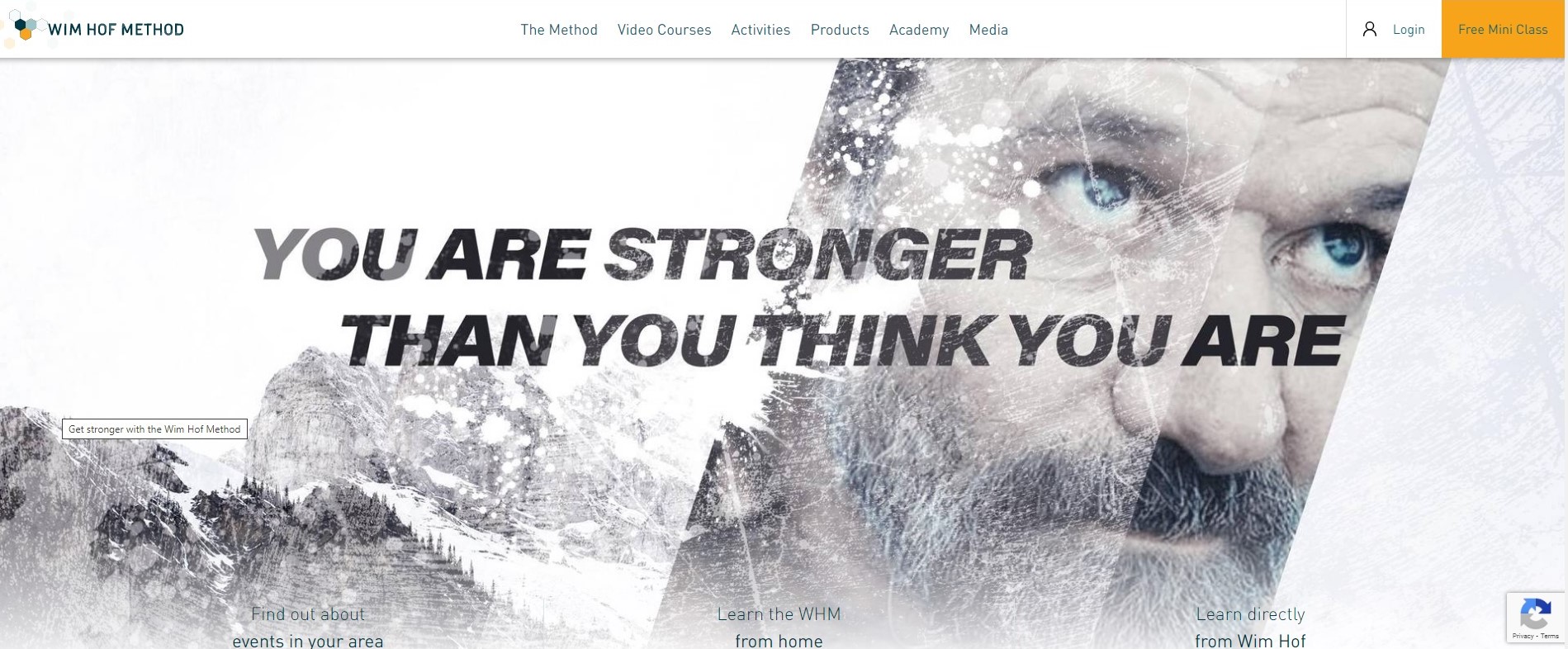

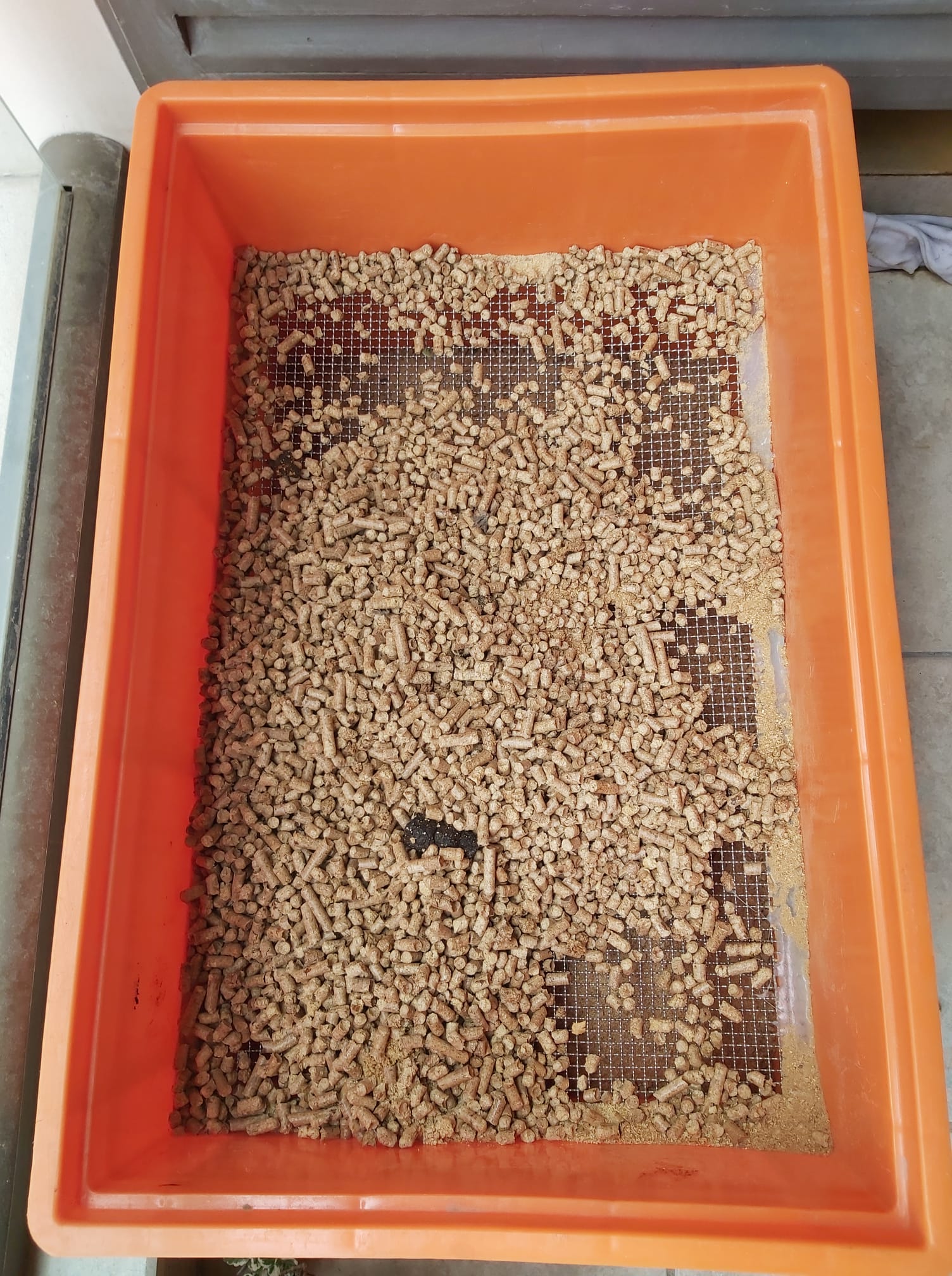
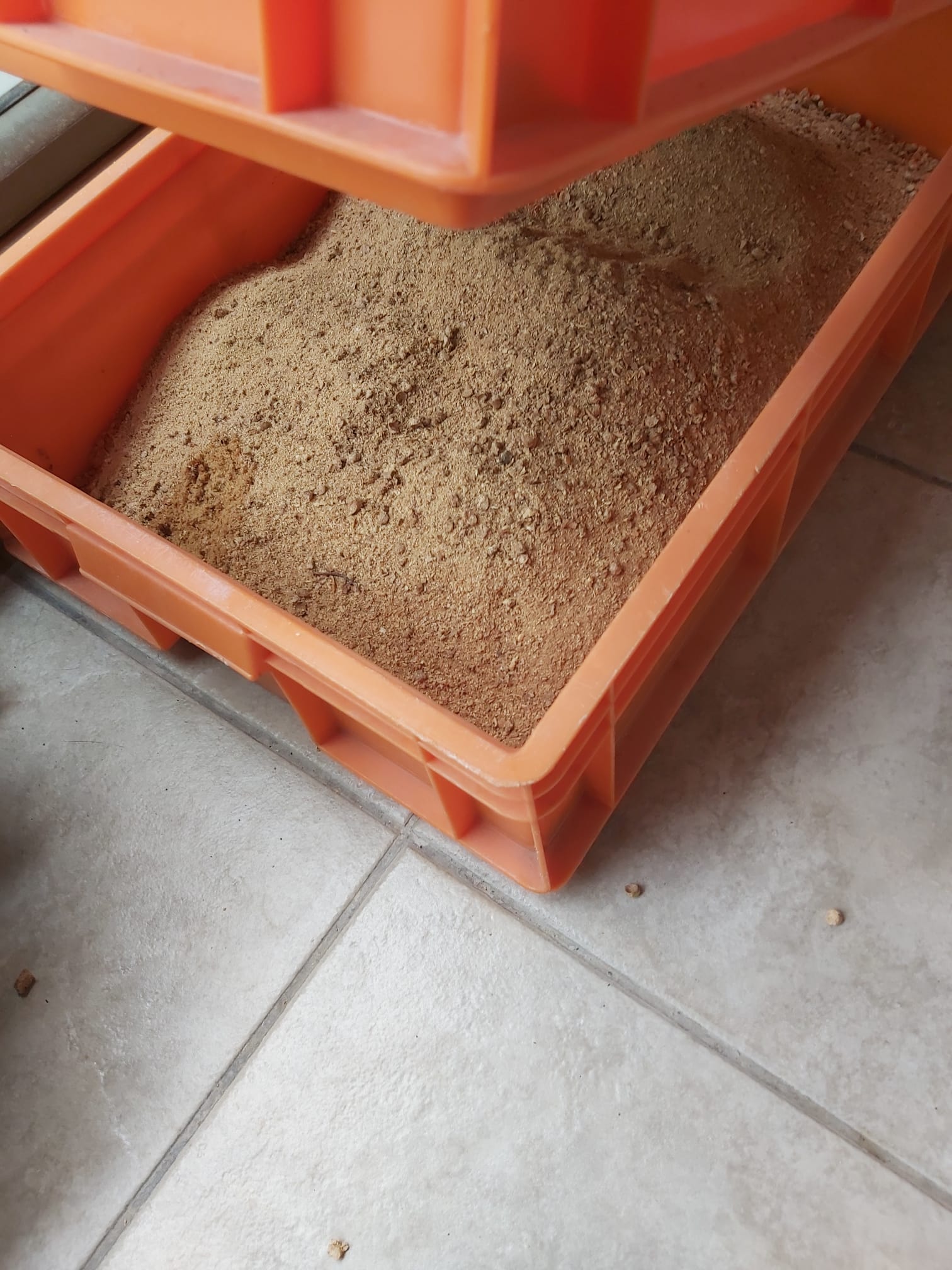

















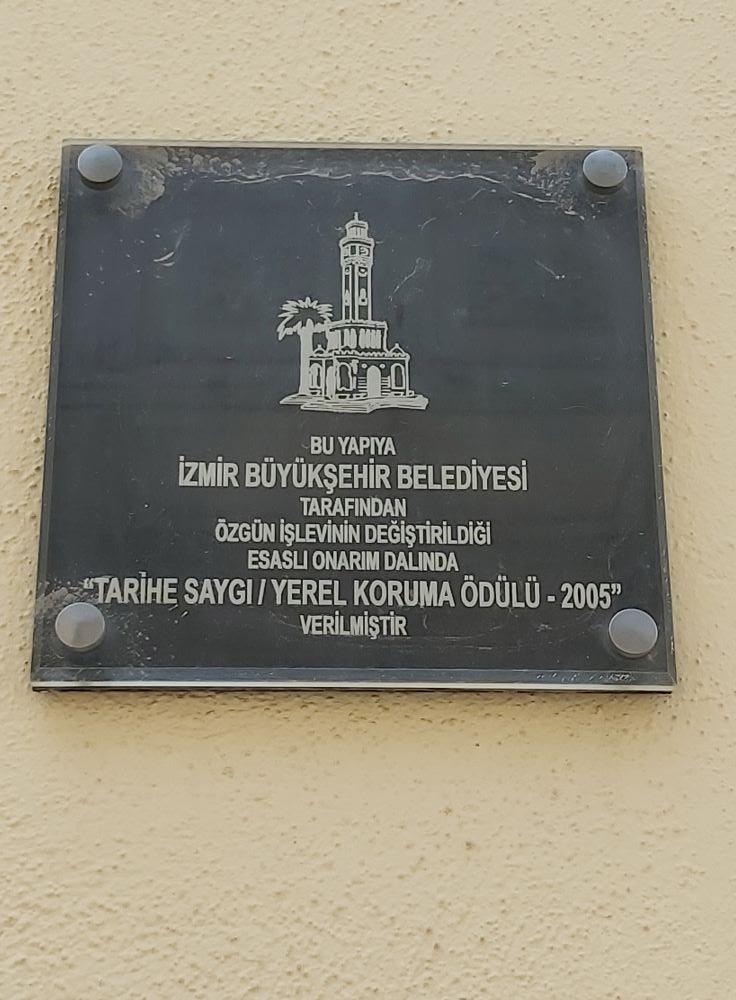














































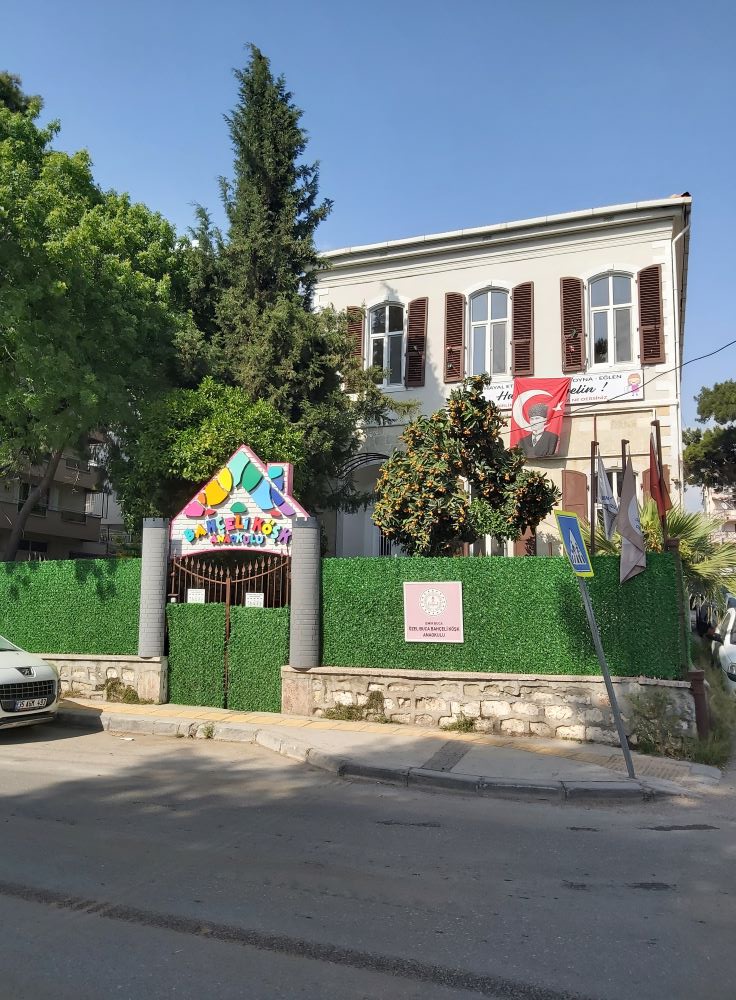

























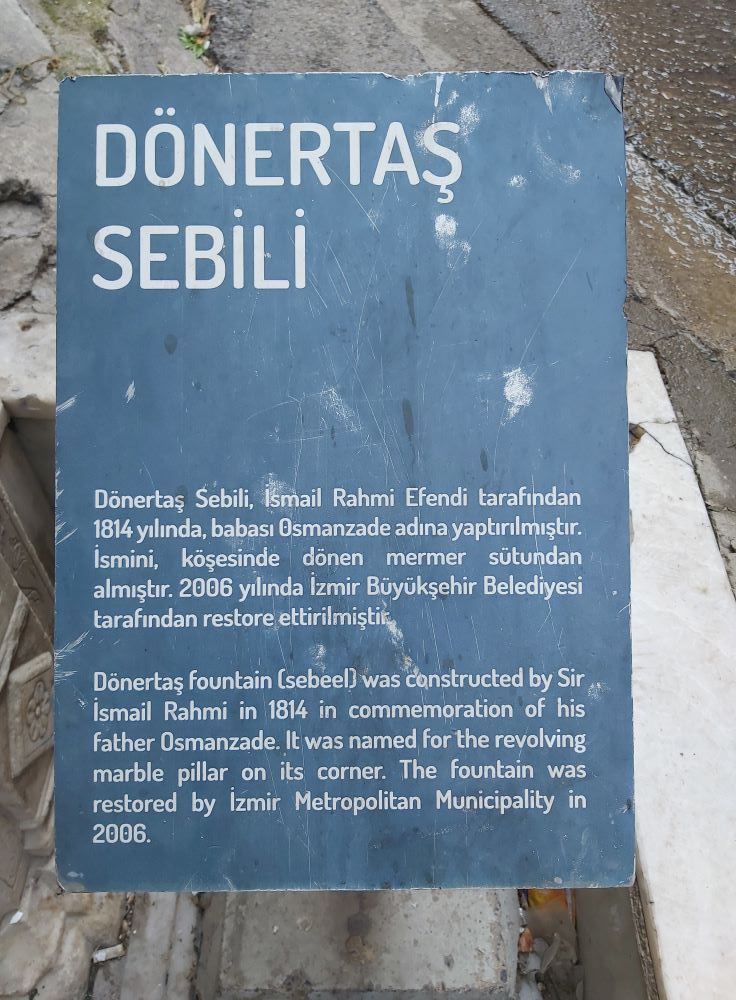



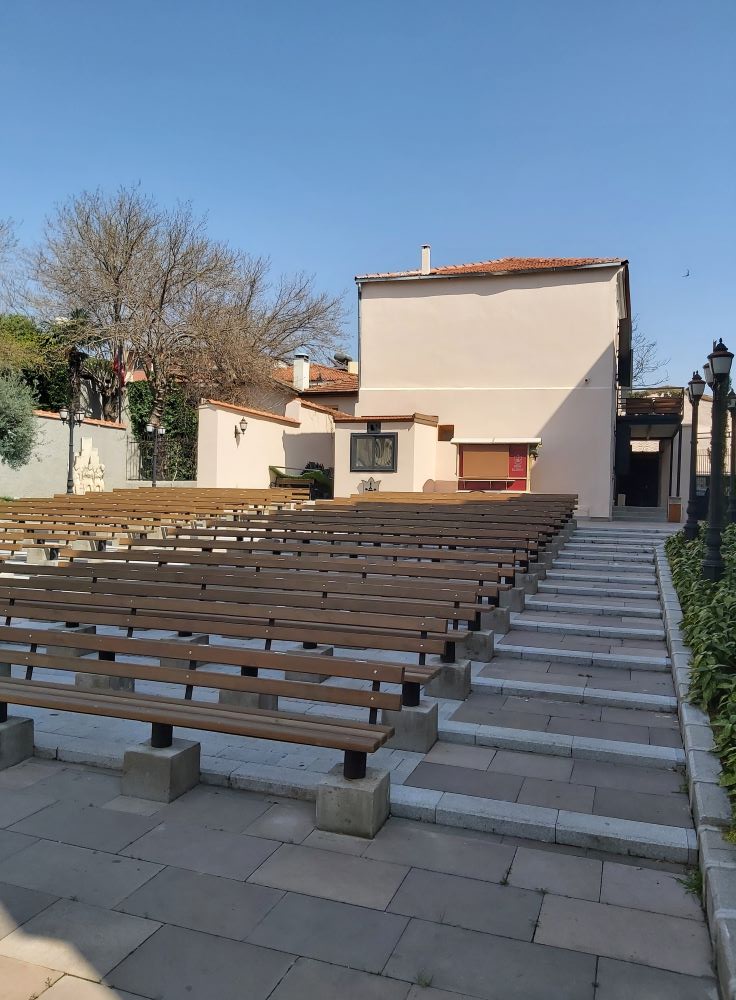





















































































 Kika's world