
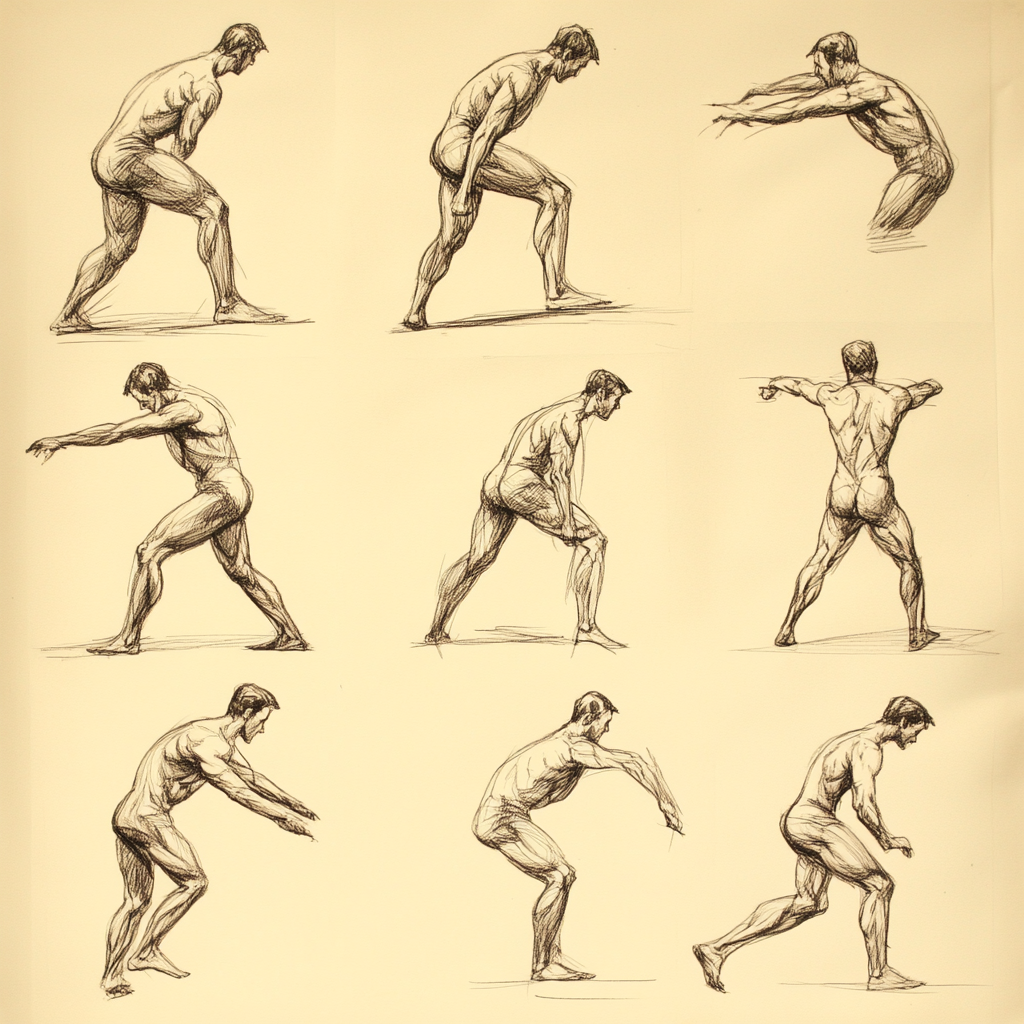
Integrating movement into daily life, especially through the lens of Gestalt therapy and body awareness, can help individuals reconnect with their physical selves, process emotions, and shift out of trauma-related “freeze” states (as described by Bessel van der Kolk). Here’s a structured approach:
1. Integrate Movement into Daily Routines
- Micro-movements: Start small. Stretch while waiting for coffee, shift your weight while standing, or roll your shoulders during work breaks. These subtle actions disrupt stagnation and signal safety to the nervous system.
- Mindful transitions: Use routine moments (e.g., walking to the bathroom, climbing stairs) to notice bodily sensations—the pressure of your feet on the ground, the rhythm of your breath.
- Embodied rituals: Pair activities with movement, like a morning “body wake-up” (stretching arms overhead, shaking out limbs) or an evening wind-down (gentle yoga or swaying).
2. Gestalt Therapy & Body Awareness
Gestalt emphasizes present-moment awareness and the mind-body connection. Practices include:
- Body scanning: Pause to notice physical sensations without judgment. Ask: “What do I feel in my body right now? Where is tension or ease?”
- Grounding exercises: Stand barefoot, feel the floor, and rock gently side-to-side. Verbally acknowledge sensations: “I feel my feet rooted; my breath is slow.”
- Amplification: If you notice a gesture (e.g., clenched fists), exaggerate it slightly to explore the emotion behind it. “What does this movement want to express?”
- Empty chair technique: Physically move while dialoguing with an emotion or person (e.g., stand to express anger, sit to receive compassion).
3. Overcoming Freeze Mode
Freeze is a survival response (parasympathetic shutdown). To gently “thaw”:
- Reconnect with sensation:
- Tap or rub your arms/legs to reignite proprioception.
- Hold a warm mug, feel textures, or splash cold water on your face.
- Breath-led movement:
- Inhale while raising your arms, exhale as you lower them. Sync breath with motion to bridge mind and body.
- Try “sigh and shake”: Exhale deeply with a sigh, then gently shake out limbs (releases tension).
- Rhythmic motion:
- Rock in a chair, sway to music, or walk rhythmically. Repetition calms the nervous system.
- Playful movement:
- Dance, skip, or jump—activities that bypass the “thinking brain” and spark spontaneity.
4. Practical Steps for Integration
- Trauma-informed practices: Yoga, Tai Chi, or Qigong combine mindful movement with breathwork, fostering safety and embodiment.
- Journaling: After movement, write down sensations, emotions, or images that arose. Gestalt encourages “owning” fragmented experiences.
- Community & creativity: Join a dance class, hike with others, or engage in expressive arts (e.g., clay work, drumming) to reconnect socially and somatically.
- Professional support: Therapies like Somatic Experiencing or Sensorimotor Psychotherapy directly address freeze states with guided body awareness.
Key Gestalt Principle: “Here and Now”
Movement becomes healing when paired with curiosity about the present moment. Instead of forcing change, ask:
- “What is my body needing to move toward (or away from) right now?”
- “How can I honor this sensation without judgment?”
By merging movement with mindful body awareness, you cultivate agency, safety, and aliveness—countering the dissociation of freeze. Start gently, celebrate small shifts, and prioritize self-compassion.
 Kika's world