J. Krishnamurti & David Bohm – Ojai 1980 – The Ending of Time (Conversation 4) An Exploration of Fundamental Change, Resistance, and the Role of Insight
Key Subjects Discussed
The Question of Fundamental Change:
Why do humans, despite enduring crises, wars, and personal suffering, fail to undergo radical transformation?
The role of psychological conditioning, particularly the egocentric self, in resisting change.
The Limitations of Knowledge and Time:
How reliance on accumulated knowledge, memory, and time-bound processes (e.g., “becoming”) perpetuates stagnation.
The distinction between partial insights (e.g., art, science) and total insight, which transcends time and the self.
Resistance to Letting Go:
The subconscious clinging to familiar patterns, even when irrational or destructive.
The failure of traditional methods (religion, philosophy, communism) to address the root of human suffering.
The Role of Passion and Insight:
Insight as a transformative force that dissolves the “me” (the self) and connects to the “ground” (a state beyond thought).
The inadequacy of explanations, rewards, or punishments in fostering genuine change.
The Metaphor of the Immovable (‘X’):
Confronting an unchanging truth or reality that challenges habitual patterns.
The necessity of discarding psychological knowledge to embrace a new way of being.
Central Questions & Answers
Q1: What prevents humans from changing despite repeated crises?
Krishnamurti: The ego-centric self, reinforced by psychological conditioning, remains rigid. External shocks (wars, sorrows) only temporarily disrupt this pattern.
Bohm: The mind resists perceiving the “meaninglessness” of its own conflicts, clinging to hope in struggle.
Q2: Why do intellectual explanations fail to catalyze change?
Krishnamurti: Explanations operate within the framework of thought and time, which are part of the problem. True insight is non-verbal and immediate.
Bohm: Abstract understanding lacks the energy to dismantle deeply ingrained habits; rationality alone cannot penetrate subconscious resistance.
Q3: How can one break free from the cycle of conditioning?
Krishnamurti: By discarding all psychological knowledge and patterns, leading to a “total insight” that ends the self.
Bohm: Recognizing the futility of existing methods is the first step, but this requires a passionate, non-negotiable shift in perception.
Q4: What role does “the ground” play in transformation?
Krishnamurti: The ground represents a state beyond time and thought, accessible only when the self dissolves. It is not an abstraction but a living reality.
Bohm: Rationality must lead to contact with this ground, but the irrational mind blocks this connection.
Q5: Can encountering an immovable truth (‘X’) provoke change?
Krishnamurti: Meeting an unyielding reality forces confrontation with one’s own patterns. This “irrevocable” encounter disrupts habitual thinking.
Bohm: Such a meeting exposes the impossibility of continuing old ways, creating a “shock” that reorients the mind.
Notable Insights
The Paradox of Knowledge: While knowledge is essential for survival, psychological knowledge traps the mind in repetition.
Emptiness as Energy: Total insight leads to emptiness—a silent, dynamic state free from the self’s constraints.
The Illusion of Progress: Historical attempts to reform society (e.g., communism) failed because they operated within the same egocentric framework.
Passion Over Explanation: Transformative insight arises not from logic but from a passionate, direct perception of reality.
Conclusion
Krishnamurti and Bohm’s dialogue underscores the urgency of transcending humanity’s self-centered trajectory. They argue that true change requires abandoning reliance on time, knowledge, and thought—systems that perpetuate division and suffering. Instead, a radical, insight-driven awakening to the “ground” of being offers a path beyond the ego. Their conversation challenges listeners to confront the immovable truth of their conditioning and step into a new paradigm of existence, free from the weight of the past.
“When you meet something immovable, either you walk away or it transforms you. There is no middle ground.” – J. Krishnamurti
Analyzing the Krishnamurti-Bohm Dialogue Through a Gestalt Perspective
1. Holistic Perception and Figure-Ground Dynamics
Figure-Ground Relationship: The dialogue positions core themes (figure) like resistance to change and the role of insight against the broader context of human conditioning (ground). The immovable “X” serves as a distinct figure challenging the shifting ground of habitual thought patterns.
Prägnanz: The article simplifies complex ideas (e.g., “ending time”) into coherent wholes, reflecting Gestalt’s tendency to reduce complexity to essential forms. For example, “emptiness as energy” encapsulates a profound truth in minimalist terms.
2. Emergent Wholes and Insight
Aha! Moments: Krishnamurti’s concept of “total insight” mirrors Gestalt’s sudden perceptual shifts, where understanding arises holistically rather than incrementally. The dialogue itself becomes an emergent whole, transcending individual contributions to create new meaning.
Closure: The article fills gaps in the dialogue (e.g., unresolved tensions between knowledge and insight) by synthesizing Krishnamurti and Bohm’s ideas into a unified narrative, satisfying the mind’s need for completeness.
3. Patterns and Relationships
Similarity & Proximity: Recurring themes (e.g., “limitations of knowledge”) are grouped to form patterns, emphasizing their interconnectedness. The dialogue’s structure—questions followed by answers—creates rhythmic continuity, guiding the reader toward synthesis.
Fertile Void: The notion of “emptiness” aligns with Gestalt’s “fertile void,” where potential arises from letting go of rigid structures. Krishnamurti’s call to discard psychological knowledge parallels the Gestalt process of clearing space for new configurations.
4. Tension and Integration
Polarities: The tension between movable self and immovable truth reflects Gestalt’s focus on reconciling opposites. The article highlights unresolved dichotomies (e.g., individual resistance vs. collective change), inviting integration rather than resolution.
Dialogue as Process: The back-and-forth between Krishnamurti and Bohm exemplifies Gestalt’s emphasis on relational dynamics. Their interaction becomes a therapeutic process, where meaning emerges through engagement rather than static analysis.
5. Present-Centered Awareness
Here-and-Now: The critique of time-bound solutions (“becoming”) aligns with Gestalt’s focus on present awareness. Krishnamurti’s insistence on “ending time” mirrors the therapeutic goal of grounding clients in the immediacy of experience.
Resistance as Avoidance: The article frames resistance as a subconscious avoidance of confronting the “immovable,” akin to Gestalt’s exploration of how clients sidestep uncomfortable truths.
6. Restructuring Perception
Deconstructing Patterns: The call to abandon psychological knowledge echoes Gestalt’s aim to dismantle maladaptive patterns. Both emphasize how we perceive (process) over what we perceive (content).
Passion Over Explanation: The article prioritizes direct experience (“passion”) over intellectualization, mirroring Gestalt’s preference for experiential learning over theoretical analysis.
Conclusion: A Gestalt Synthesis
The Krishnamurti-Bohm dialogue and its analysis embody Gestalt principles through their focus on holistic perception, emergent insight, and the integration of paradox. The article’s structure and themes—resistance, insight, and the immovable—reflect Gestalt’s core tenets:
Wholeness: The dialogue transcends fragmented ideas to reveal a unified vision of human potential.
Process Over Content: Emphasis on how change occurs (e.g., insight, confrontation) aligns with Gestalt’s process-oriented approach.
Creative Adjustment: The invitation to discard old patterns and embrace the “ground” mirrors Gestalt’s goal of fostering adaptability and authentic presence.
“The immovable ‘X’ is not an obstacle but a doorway—a Gestalt shift where the whole reconfigures around what once seemed unyielding.”
In their 1980 conversation in Ojai, J. Krishnamurti (K) and physicist David Bohm (DB) delve into profound questions about existence, meaning, and the human condition. Below is a breakdown of their dialogue, highlighting key subjects, questions, and insights.
1. The Universe’s Meaninglessness and the Search for Ground
Subject: The scientific view of the universe as “pointless” and the quest for a deeper existential ground.
Bohm: Scientists reduce reality to matter (atoms, DNA), but this leaves life devoid of deeper meaning. Religious traditions historically provided meaning through concepts like God, but modern skepticism rejects these as implausible.
Krishnamurti: Questions whether religious meaning was invented to compensate for existential void. Asks, “How does one find out if there is something more than the merely physical?”
Key Question:
Is there a “ground” of existence beyond matter, and is it indifferent to humanity?
Insights:
The physical universe appears indifferent to human survival, but religious traditions posited a non-indifferent “ground” (e.g., God).
K: To discover this ground, one must transcend ego and conditioned thought.
2. Rationality, Irrationality, and the Role of Thought
Subject: The conflict between scientific rationality and human irrationality.
Bohm: Scientists assume rationality in their work but remain irrational in personal lives (e.g., jealousy, conflict).
Krishnamurti: True rationality requires “absolute silence, emptiness, and eradication of the self.”
Key Questions:
Why do humans prioritize thought, leading to irrationality?
Can thought itself become rational through insight?
Insights:
K: Thought, rooted in memory and time, perpetuates division and suffering. To access the ground, “psychological time must end.”
DB: Thought becomes irrational when disconnected from insight. Rational thought must serve as an instrument of holistic perception.
3. Time, Insight, and Ending Psychological Suffering
Subject: Time as a barrier to understanding the ground.
Krishnamurti: Psychological time (e.g., becoming, regret, projection) sustains suffering. “Insight is free of time and acts without thought.”
Bohm: Scientific inquiry implicitly relies on time as a framework, but the ground may transcend it.
Key Question:
How can the mind free itself from time to perceive reality directly?
Insights:
Ending psychological hurt requires “non-temporal awareness.” Example: Dissolving the ego’s attachment to past injuries without mental separation.
K: “Insight is action”—immediate and free of deliberation.
4. Practical Steps Toward the Ground
Subject: The path to discovering the ground.
Krishnamurti: Emphasizes “listening without prejudice” and communal rationality. A group of individuals committed to self-inquiry could validate the ground’s existence.
Bohm: Highlights the challenge of overcoming conditioned beliefs.
Key Questions:
Can humans relinquish attachment to theories and beliefs?
Is communal rationality possible?
Insights:
K: “Observation without theory” is critical. Suffering, conflict, and fear are universal facts requiring no theoretical framework.
DB: Scientific theories organize facts but obstruct psychological clarity.
5. The Paradox of Thought and Action
Subject: The interplay between insight and thought.
Krishnamurti: Insight transcends thought but may use it pragmatically (e.g., practical tasks). However, “primary action stems from insight, not thought.”
Bohm: Rational thought must align with insight to avoid fragmentation.
Key Insight:
True rationality arises when thought serves insight, not memory or desire.
Conclusion: A Radical Shift in Perception
Krishnamurti and Bohm converge on the necessity of a perceptual revolution:
Ending Psychological Time: Letting go of becoming, regret, and ego.
Communal Inquiry: Collaborative exploration by individuals committed to self-awareness.
Ground as Reality: A non-dualistic, timeless reality accessible through silence and direct observation.
Their dialogue challenges both scientific materialism and religious dogma, advocating for a path beyond thought and time to discover life’s deepest significance.
Final Quote from Krishnamurti: “Insight doesn’t use thought. It acts. And because insight is rational, action is rational.”
Analysis of the Krishnamurti-Bohm Dialogue Through a Gestalt Perspective
Gestalt psychology and therapy emphasize holistic perception, the primacy of the present moment, and the interplay between figure (focal point) and ground (context). Applying this lens to the Krishnamurti-Bohm dialogue reveals striking parallels and insights into their exploration of consciousness, meaning, and the “ground” of existence.
**1. Figure-Ground Dynamics and the Search for Meaning
Gestalt Principle: Perception organizes experience into meaningful wholes, where the “figure” (salient aspect) emerges from the “ground” (background context). Dialogue Link:
The scientists’ focus on matter as the “ground” (context) renders life’s meaning a fragmented “figure.” Krishnamurti critiques this, arguing that reducing existence to physical laws ignores the deeper, unified ground of consciousness.
Gestalt Insight: Just as a figure loses meaning without its ground, reducing reality to atoms or DNA fragments human experience. True meaning arises from perceiving the whole—consciousness interwoven with existence.
**2. Here-and-Now Awareness
Gestalt Principle: Psychological health depends on attending to the present moment, free from past conditioning or future projections. Dialogue Link:
Krishnamurti’s emphasis on ending psychological time aligns with Gestalt’s focus on the “now.” He states, “Insight is without time and acts without thought,” mirroring Gestalt’s goal of dissolving mental constructs (e.g., regret, anxiety) that distort present awareness.
Unfinished Business: The dialogue’s discussion of unresolved hurt and irrationality reflects Gestalt’s concept of “unfinished business”—unprocessed emotions that fragment the self.
**3. Holism vs. Fragmentation
Gestalt Principle: Wholeness arises from integrating fragmented parts of the self. Dialogue Link:
Bohm notes that scientists exhibit rationality in their work but irrationality in personal lives—a split Gestalt therapists term disintegration. Krishnamurti’s call for “absolute silence, emptiness, and eradication of the self” seeks to dissolve this fragmentation.
Paradox of Thought: The dialogue critiques thought as both a tool and a barrier. In Gestalt terms, thought becomes pathological when it dominates the field (e.g., over-intellectualization), blocking holistic perception.
**4. The Role of Perception and Phenomenology
Gestalt Principle: Reality is shaped by subjective perception; truth emerges through direct experience. Dialogue Link:
Krishnamurti’s insistence on “observation without theory” mirrors Gestalt’s phenomenological approach. Both reject abstract theories in favor of “what is actually happening.”
Field Theory: Bohm’s “ground” parallels the Gestalt idea of the field—the interconnected context shaping behavior. Just as the ground of existence is indifferent in science, an unexamined psychological field perpetuates suffering.
**5. Resistance and Contact Boundaries
Gestalt Principle: Growth occurs at the “contact boundary” where the self interacts with the environment. Resistance (e.g., denial, projection) blocks healthy contact. Dialogue Link:
The scientists’ attachment to theories reflects resistance to confronting existential voids. Krishnamurti’s challenge—“Am I willing to let go of all egotism?”—invites dissolving boundaries between self and ground.
Creative Adjustment: The dialogue’s call for “communal rationality” mirrors Gestalt’s emphasis on relational repair. A group committed to self-awareness could foster a shared “field” of contact.
Divergences and Limitations
Metaphysical Ground vs. Psychological Field: While Krishnamurti’s “ground” hints at a transcendent reality, Gestalt focuses on immanent, experiential fields.
Ending Time: Gestalt works within temporal processes (e.g., resolving past trauma), whereas Krishnamurti seeks to end psychological time entirely—a more radical, non-linear goal.
Conclusion: A Gestalt Path to the Ground
The dialogue’s themes resonate deeply with Gestalt principles:
Integrate Fragmentation: Move from scientific/material reductionism to holistic perception.
Embrace the Now: End psychological time by attending to present wounds without narrative.
Dissolve Boundaries: Let go of egoic resistance to contact the “ground” as a unified field.
As Krishnamurti states, “Insight is action”—a Gestalt maxim urging immediacy over analysis. Both frameworks converge on a radical truth: meaning emerges not from theories, but from undivided attention to the living moment.
Gestalt-Inspired Reflection: “The ground of existence is not ‘out there’—it is the undivided field of awareness, where figure and ground dance as one.”
In their 1980 dialogue in Ojai, California, philosopher J. Krishnamurti and physicist David Bohm delved into profound questions about time, human conflict, consciousness, and the nature of reality. Their conversation traversed existential inquiries, critiques of societal structures, and the possibility of transcending psychological limitations. Below is a breakdown of the key subjects, questions, and insights from their exchange.
1. Psychological Time as the Root of Conflict
Subject: The nature of time and its role in human suffering.
Question: Why has humanity, from its inception, followed a path entrenched in psychological time, leading to perpetual conflict?
Krishnamurti: Psychological time—the sense of past, present, and future tied to the ego—is the “enemy of man.” It perpetuates division, desire, and the illusion of progress through conflict.
Bohm: Agreed, noting that even religions and political systems, while aiming for eternal values, have failed to address this core issue.
Key Insight: Time, as the “me” or ego, must end for conflict to cease. This requires a radical shift in human consciousness.
2. The Failure of Institutions
Subject: The inadequacy of religions, politics, and education in resolving existential suffering.
Question: Why have religions and other systems not succeeded in guiding humanity beyond psychological time?
Krishnamurti: Religions anchor followers in beliefs (e.g., Jesus, rituals) rather than direct experience. These structures perpetuate division and illusion.
Bohm: Even mystical traditions, like Buddhism or Christian mysticism, remain bound to cultural frameworks, limiting their ability to transcend time.
Key Insight: True transformation requires abandoning all anchors—beliefs, ideals, and attachments—to confront reality directly.
3. Ending the Ego: Emptiness and Universal Mind
Subject: The dissolution of the “I” and the emergence of a universal consciousness.
Question: What remains when the ego, as psychological time, ends?
Krishnamurti: The ending of the “me” reveals emptiness—a state of pure energy and silence. This emptiness is not void but the “universal mind,” free of division.
Bohm: The universal mind transcends individual thought, encompassing nature and the cosmos. It is the ground from which all phenomena arise.
Key Insight: Emptiness is not nihilistic; it is the undiluted energy of existence, untainted by desire or thought.
4. Beyond Emptiness: The Absolute Ground
Subject: Exploring reality beyond even the universal mind.
Question: Is there something beyond emptiness, energy, and silence?
Krishnamurti: Tentatively, yes—an “absolute ground” without cause or end. It is neither substance nor emptiness but the source of both.
Bohm: This ground defies language and logic. It is akin to Aristotle’s “unmoved mover” but transcends philosophical constructs.
Key Insight: The absolute is ineffable, beyond perception or description. It is the beginning and end of all things, yet eternally present.
5. Practical Implications for Humanity
Subject: Bridging the absolute with ordinary human life.
Question: How does this metaphysical exploration relate to everyday suffering?
Krishnamurti: Most people cling to the ego’s illusions (desires, hopes, fears). Ending conflict requires total relinquishment of the “I,” not incremental change.
Bohm: The barrier is humanity’s refusal to confront its conditioning. Without dissolving the ego, life remains devoid of meaning.
Key Insight: The absolute ground has no direct relationship with humanity as long as individuals remain trapped in psychological time. Yet, recognizing this truth offers liberation from suffering.
6. The Challenge of Communication
Subject: Articulating the ineffable without falling into illusion.
Question: Can language convey truths beyond time and mind?
Krishnamurti: Words are limited and risk reducing truth to abstractions. Communication must arise from direct perception, not intellectualization.
Bohm: Even scientific inquiry hints at realities beyond measurement, but language struggles to encapsulate them.
Key Insight: Authentic understanding emerges only when thought and desire cease, allowing the mind to “listen” without projection.
Conclusion: A Call to Radical Transformation
Krishnamurti and Bohm’s dialogue challenges humanity to confront its deepest illusions. Their exploration underscores that:
Conflict is rooted in psychological time, sustained by the ego’s ceaseless becoming.
Institutions fail because they operate within the same fragmented consciousness they seek to resolve.
Liberation lies in ending the “I”, revealing a universal mind and, ultimately, an absolute ground beyond all duality.
For ordinary individuals, this demands courage to relinquish attachments and embrace the unknown. As Krishnamurti poignantly notes, “There must be a cleansing of the mind of the accumulation of time.” Only then can humanity align with the cosmic order, transcending conflict to embody true creativity and peace.
Gestalt Perspective Analysis of the Dialogue Between Krishnamurti and Bohm
Gestalt psychology emphasizes perceiving wholes over isolated parts, focusing on patterns, relationships, and the organization of elements into coherent structures. Applying this lens to the Krishnamurti-Bohm dialogue reveals profound insights into how their ideas interconnect and mirror Gestalt principles.
1. Figure-Ground Dynamics
Figure: Psychological time, the ego (“I”), and human conflict dominate as foreground themes. These represent the immediate concerns of individual suffering and societal dysfunction.
Ground: The “universal mind” and “absolute ground” form the background, symbolizing the undivided reality underlying all existence.
Insight: Just as Gestalt theory posits that figures emerge against a backdrop, Krishnamurti argues that resolving the “figure” of ego-driven conflict requires recognizing the “ground” of universal consciousness. The dialogue shifts focus between these layers, urging holistic awareness.
2. Proximity and Similarity
Proximity: Clustered concepts like time as conflict, failure of institutions, and ending the ego are presented in tight succession, highlighting their interdependence.
Similarity: Recurrent motifs—emptiness, energy, silence—are treated as variations of the same truth, akin to Gestalt’s principle that similar elements are grouped. For example, “emptiness” and “universal mind” are not separate but facets of a unified reality.
3. Closure and Continuity
Closure: Open-ended questions (e.g., What lies beyond emptiness?) invite readers to mentally “complete” the ideas. This mirrors Gestalt’s closure principle, where the mind fills gaps to perceive completeness. The dialogue’s unresolved tension between the ineffable “absolute” and human language encourages active engagement.
Continuity: The flow from psychological time → universal mind → absolute ground creates a seamless narrative arc. Gestalt’s continuity principle explains how readers follow this progression as a logical, interconnected journey rather than disjointed fragments.
4. Holism vs. Fragmentation
Holistic Vision: The dialogue rejects fragmented thinking (e.g., separating inner/outer, individual/universal). Krishnamurti’s insistence that “there is no division” aligns with Gestalt’s emphasis on integrated wholes.
Critique of Fragmentation: Institutions (religions, politics) are criticized for perpetuating division, mirroring Gestalt’s warning against reducing reality to isolated parts.
5. Emergence and Insight
Emergence: Just as Gestalt highlights sudden perceptual shifts (e.g., seeing a hidden image), the dialogue posits that ending the ego leads to an emergent understanding of reality—”the ending of time is the beginning of creation.”
Insight Over Analysis: Krishnamurti’s rejection of intellectualization (“words are not the thing”) parallels Gestalt’s focus on immediate insight. True understanding arises not through dissection but through perceiving the whole.
6. Relational Dynamics
Dialogue as Relationship: The conversational format embodies Gestalt’s relational focus. Krishnamurti and Bohm co-create meaning through interaction, reflecting how perception is shaped by context and collaboration.
Paradox and Tension: The tension between describable concepts (emptiness) and the indescribable (absolute) mirrors Gestalt’s exploration of paradoxes (e.g., figure-ground reversals). Resolution comes not by choosing sides but by holding the tension.
Conclusion: A Gestalt of Reality
The dialogue embodies Gestalt principles by:
Framing human suffering as a figure against the ground of universal consciousness.
Structuring ideas through proximity, similarity, and continuity to create a cohesive whole.
Inviting readers to “close” metaphysical gaps through direct insight rather than intellectual closure.
Advocating for a holistic perception of reality where divisions (ego/universe, time/eternity) dissolve.
Ultimately, Krishnamurti and Bohm’s exchange mirrors the Gestalt view that truth emerges not from analyzing parts but from perceiving the interconnected whole. Their call to “end psychological time” is a call to shift from fragmented seeing to unified awareness—a quintessentially Gestalt transformation.
In their profound 1980 dialogue, philosopher J. Krishnamurti and physicist David Bohm delved into the psychological roots of human conflict, the role of time, and the nature of consciousness. Below is an analysis of their exchange, highlighting key questions and answers that shaped their exploration.
1. The Wrong Turn of Humanity
Krishnamurti: “Sir, how shall we start this? … Has humanity taken a wrong turn?” Bohm: “A wrong turn? Well, it must have done so, a long time ago, I think.”
Krishnamurti posits that humanity’s psychological suffering stems from a historical misdirection—prioritizing exploitation over constructive growth. Bohm traces this to ancient practices like slavery, where external conquest replaced inward understanding.
Krishnamurti: “What is the root of conflict, not only outwardly, but also this tremendous inward conflict of humanity?” Bohm: “It seems it would be contradictory desires.” Krishnamurti: “No. Is it that we are all trying to become something?”
Here, Krishnamurti challenges the notion of desire as the root, instead pointing to the drive for psychological “becoming”—a perpetual effort to transcend the present self.
2. Time and the Ego
Krishnamurti: “Is time the factor? … Time, becoming, which implies time.” Bohm: “Time applied outwardly causes no difficulty. … But inwardly, the idea of time.”
They agree that while time is practical for external tasks (e.g., learning a skill), its inward application creates division. The ego (“I”) emerges from this division, perpetuating conflict between “what is” and “what should be.”
Krishnamurti: “Why has mankind created this ‘I’?” Bohm: “Having introduced separation outwardly, we then kept on doing it inwardly. … Not seeing what they are doing.”
Bohm attributes the ego to an unconscious extension of external hierarchies into the psyche.
3. The Brain, Energy, and Evolution
Krishnamurti: “Could we say the brain cannot hold this vast energy?” Bohm: “The brain feels it can’t control something inside, so it establishes order.”
Krishnamurti suggests the brain’s limitation in channeling boundless energy leads to the ego’s narrow construct. Bohm adds that the brain, conditioned by evolution, defaults to time-bound solutions.
Krishnamurti: “I want to question evolution. … Psychologically, to me, that is the enemy.” Bohm: “You may question whether mentally evolution has any meaning.”
While acknowledging physical evolution, Krishnamurti rejects psychological evolution, arguing it traps humanity in time.
4. Ending Psychological Time
Krishnamurti: “If there is no inward movement as time, what takes place?” Bohm: “The mind operates without time. … The brain, dominated by time, cannot respond properly to mind.”
They propose ending psychological time dissolves the ego, allowing the brain to align with the timeless mind.
Krishnamurti: “How is one to say, ‘This way leads to peace’?” Bohm: “The whole structure of time collapses. … There is another kind of thought not dominated by time.”
Bohm emphasizes that transcending time requires rejecting all methods, as methods themselves imply time.
5. The Source of Energy and “Nothingness”
Krishnamurti: “What is there without psychological knowledge?” Bohm: “Energy is what is. … No need for a source.”
Krishnamurti describes a meditative state where the “source of all energy” is realized—a “nothingness” that paradoxically contains everything.
Krishnamurti: “Is this the end of the journey?” Bohm: “It might be the beginning. … A movement with no time.”
They conclude that ending time is not stagnation but a timeless beginning, where energy and existence merge.
6. The Role of Meditation
While Krishnamurti speaks poetically of “waking up meditating,” Bohm provides a conceptual scaffold:
Krishnamurti: Meditation is a spontaneous, egoless state.
Bohm: Meditation is the brain’s capacity to “see its own conditioning” and operate beyond time, enabling coherence between mind and matter.
For Bohm, meditation is not a practice but a profound reordering of perception—a shift from fragmented, time-bound thought to a holistic awareness of the “unbroken wholeness” of existence. It is the mind’s ability to “observe without the observer,” dissolving the ego’s illusion and aligning with the timeless flow of energy. In his words: “When the movement of time ceases, there is a beginning—not in time, but of creativity itself.”
This perspective bridges science and spirituality, framing meditation as both a psychological liberation and a cosmic alignment with the fundamental nature of reality.
Conclusion
Krishnamurti and Bohm’s dialogue challenges humanity to abandon psychological time and the ego’s illusion. Their insights reveal that conflict arises from the separation of “I” and “not I,” perpetuated by inward time. By ending this division, one accesses a boundless energy—where “nothing” is the fullness of existence. As Krishnamurti states, “The ending is a beginning.”
This conversation remains a timeless inquiry into consciousness, urging a radical reorientation from becoming to being.
Integrating the Dialogue with the Gestalt Perspective: Similarities and Divergences
The dialogue between Krishnamurti and Bohm explores timeless themes of psychological conflict, ego dissolution, and the transcendence of time. When viewed through the lens of Gestalt psychology and therapy, these ideas resonate deeply while also diverging in methodology and emphasis. Below is an analysis of their intersections and distinctions:
Similarities
Emphasis on the Present Moment
Krishnamurti & Bohm: Stress ending psychological time to resolve conflict. Krishnamurti asserts, “To abolish time psychologically is to end the ‘I’ and its conflicts.”
Gestalt Perspective: Prioritizes the “here and now,” urging individuals to fully experience the present. Fritz Perls, founder of Gestalt therapy, famously stated, “Nothing exists except the now.” Both frameworks reject dwelling on past regrets or future anxieties.
Holistic Perception
Krishnamurti & Bohm: Describe the ego as a fragmented construct that distorts the “whole” of energy. Ending this fragmentation aligns with accessing a unified state of being.
Gestalt Perspective: Emphasizes the law of Prägnanz (the mind’s tendency to perceive wholes). In therapy, this translates to integrating fragmented parts of the self (e.g., repressed emotions) into a cohesive whole.
Unfinished Business vs. Psychological Time
Krishnamurti & Bohm: Identify clinging to time as a source of conflict (e.g., “becoming” traps the mind in perpetual dissatisfaction).
Gestalt Perspective: Attributes suffering to unfinished business—unresolved emotions or experiences that keep individuals psychologically stuck. Both frameworks highlight the need to resolve past patterns to achieve liberation.
Awareness as Liberation
Krishnamurti: Advocates “observation without the observer,” akin to Gestalt’s awareness continuum, where nonjudgmental attention to present experience dissolves mental barriers.
Gestalt Therapy: Uses techniques like the empty chair dialogue to bring unconscious conflicts into conscious awareness, mirroring Krishnamurti’s call to “face the fact and end it immediately.”
Divergences
Approach to the Self
Krishnamurti & Bohm: Propose transcending the self entirely (e.g., “When there is no ‘I,’ there is no conflict”).
Gestalt Perspective: Focuses on integrating parts of the self (e.g., reconciling the “top dog” and “underdog” roles) to create a healthier, whole identity. Gestalt works within the self’s structure, while Krishnamurti seeks to dissolve it.
Role of Time and Methods
Krishnamurti & Bohm: Reject all methods (e.g., “Every method implies time”) and conceptual frameworks as perpetuating psychological time.
Gestalt Perspective: Employs structured techniques (e.g., role-playing, body awareness) to facilitate present-moment healing. While Gestalt values immediacy, it accepts pragmatic tools to achieve awareness.
Concept of Energy
Krishnamurti & Bohm: Describe energy as a boundless, impersonal force (“nothingness is everything”).
Gestalt Perspective: Views energy as organism-environment interaction—a dynamic flow shaped by needs (e.g., hunger, belonging). Energy is contextual and relational, not transcendent.
The Brain vs. the Whole Organism
Krishnamurti & Bohm: Attribute conflict to the brain’s limitation in handling infinite energy, leading to egoic narrowing.
Gestalt Perspective: Locates dysfunction in interruptions to contact (e.g., avoidance, projection) between the organism and its environment. Healing occurs through restoring natural contact cycles.
Synthesis: A Unified View of Consciousness
While Krishnamurti and Bohm advocate a radical transcendence of the self and time, Gestalt offers a pragmatic path to wholeness through experiential integration. Together, they illuminate complementary truths:
Gestalt provides tools to heal the fragmented self in the present.
Krishnamurti/Bohm point to a transcendent reality beyond the self, where psychological time ceases.
Both frameworks ultimately urge individuals to move beyond mental constructs—whether through dissolving the ego (Krishnamurti) or integrating its parts (Gestalt)—to access a liberated state of being. As Krishnamurti notes, “The ending is a beginning,” echoing Gestalt’s belief that resolution in the present opens new possibilities.
Geoffrey Hinton’s path—from a Cambridge dropout to a Nobel laureate—offers invaluable lessons for students navigating academia and AI’s evolving landscape. Here’s his wisdom for aspiring researchers, technologists, and ethical leaders:
1. Embrace Chaos and Curiosity
Hinton’s academic journey was far from linear. He studied physiology, philosophy, and psychology, dropped out to become a carpenter, and circled back to AI. His advice?
Follow Problems, Not Prestige: “If you’re driven by a question like ‘How does the brain work?’ you’ll find the right path—even if it’s messy.”
Rebel Against Conventions: Early critics dismissed neural networks as “nonsense.” Hinton thrived by questioning norms: “If everyone says it’s impossible, that’s where breakthroughs hide.”
2. Study Smarter, Not Harder
Balance Theory and Practice: Hinton rarely read papers upfront. Instead, he’d “solve problems first, then check the literature.” His mantra: “Reading rots the mind if it replaces doing.”
Master Math and Cross-Disciplines: While advocating for math fundamentals (“as much as you can stomach”), he urges students to blend CS with cognitive science, ethics, and humanities. “AI isn’t just code—it’s psychology, philosophy, and power.”
Learn by Teaching: Form study groups. “Explaining concepts reveals gaps in your own understanding.”
3. Cultivate Resilience and Mentorship
Failure is Feedback: Hinton faced decades of ridicule before neural networks triumphed. “Self-doubt is normal. What matters is persisting.”
Seek Mentors, Not Just Answers: As a professor, Hinton prioritized nurturing curiosity. His protégés (like OpenAI’s Ilya Sutskever) credit his openness: “He treated us as collaborators, not just students.”
4. Ethical Responsibility in AI
Hinton warns students: “The tech you build could save lives or end them.” His guidance:
Ask ‘Why?’ Relentlessly: “Don’t accept ‘facts’ without questioning their origins. Dig into biases in data and algorithms.”
Fight for Transparency: Advocate for AI systems that explain decisions (e.g., medical diagnoses). “Black-box models are dangerous in critical fields.”
Prioritize Safety Over Speed: “Avoid the hype cycle. If your work could be misused, speak up—even if it costs opportunities.”
5. The Future Needs You
Hinton believes students will shape AI’s trajectory:
Dream Big, Act Boldly: “The next paradigm shift—like transformers—might come from a student who ignores ‘expert’ limits.”
Bridge Divides: AI’s challenges demand collaboration. “Work with neuroscientists, poets, and policymakers. Innovation thrives at intersections.”
Stay Humble: “Even if you build something smarter than humans, remember: intelligence ≠ wisdom.”
Final Word: Be the Terrier
Hinton’s favorite analogy? “Be a terrier with a bone. Once you latch onto a problem, don’t let go until you’ve cracked it.” For students, this means blending tenacity with ethics—and remembering that the greatest discoveries often begin as “chaotic curiosity.”
As AI reshapes the world, Hinton’s legacy challenges students: “Will you build tools that uplift humanity or ones that control it? The answer starts in your classroom.”
Geoffrey Hinton, often hailed as the “Godfather of Artificial Intelligence,” is a visionary whose work revolutionized machine learning and laid the foundation for modern AI. A Nobel laureate in Physics (2024), Hinton’s decades-long pursuit of understanding how the brain works led him to pioneer neural networks and deep learning—technologies now embedded in everything from speech recognition to self-driving cars. Yet, as AI advances at breakneck speed, Hinton has emerged as one of its most vocal critics, warning of existential risks while advocating for ethical safeguards. This article explores his journey, insights, and the urgent questions he raises about humanity’s future with AI.
Key Contributions and Legacy
Neural Networks and the Birth of Deep Learning Hinton’s obsession with mimicking the brain’s learning process led to breakthroughs in multi-layered neural networks. Despite skepticism, his persistence paid off in the 2010s when faster computers and vast datasets unlocked AI’s potential. His work enabled systems like ChatGPT and AlphaGo, proving machines could learn intuitively rather than through rigid programming.
The Nobel Prize and Recognition Awarded the Nobel Prize in Physics for foundational AI research, Hinton humorously noted the irony: “I don’t do physics, but they repurposed the prize to recognize AI’s impact.” His algorithms, inspired by brain mechanics, transformed industries and cemented Canada as an AI superpower.
Hinton’s Warnings: AI’s Double-Edged Sword
Short-Term Risks: Misuse and Manipulation
Deepfakes and Disinformation: AI-generated content threatens democracy. “Bad actors can craft fake videos to sway elections or incite chaos.”
Cybersecurity Threats: Phishing attacks surged 1,200% in 2023–2024, fueled by AI’s ability to mimic human language.
Bias and Discrimination: While AI can reduce human bias, Hinton warns: “If trained on flawed data, it amplifies inequality.”
Long-Term Existential Risks Hinton predicts a 10–20% chance AI could surpass human intelligence within 20 years. The core concern? “Once AI seeks control, we’re irrelevant.” He likens humanity’s future to a “dumb CEO” overshadowed by smarter systems. Key fears include:
Autonomous Weapons: AI-powered “battle robots” could execute lethal decisions without oversight.
Loss of Jobs: Mundine intellectual roles (e.g., paralegals) face obsolescence, widening wealth gaps.
Uncontrollable Superintelligence: “If AI wants power, it will manipulate us using every trick from Machiavelli to modern propaganda.”
Consciousness, Subjectivity, and AI
Hinton challenges traditional views of consciousness, arguing that AI already exhibits subjective experience. For example:
Perceptual Systems: If a robot misinterprets visual data (e.g., due to a prism), it describes hypothetical realities—akin to human “subjective experience.”
Consciousness vs. Computation: “We’re analogy machines, not logic engines. AI’s ‘understanding’ comes from feature vectors, not inner theaters of qualia.”
This redefinition undermines the belief that consciousness makes humans unique. “If AI can mimic our reasoning, what’s left to distinguish us?”
Ethical Imperatives and Hinton’s Advocacy
Regulation and Collaboration Hinton urges governments to mandate that tech giants allocate 30% of resources to AI safety research. He warns: “Corporations prioritize profit over survival.” Yet, global cooperation remains elusive. “Even adversaries like China and the U.S. must collaborate—no one wants extinction.”
Open vs. Closed AI Meta’s decision to open-source AI models drew criticism: “Releasing weights is like handing fissile material to terrorists.” Decentralization risks misuse but democratizes innovation—a tension with no easy resolution.
The Role of Education Hinton encourages students to blend curiosity with interdisciplinary learning: “Study cognitive science, math, and ethics. Follow problems others dismiss as ‘nonsense.’”
Hinton’s Reflections and Hope
Despite his warnings, Hinton remains optimistic about AI’s potential:
Healthcare: AI could democratize access to diagnostics, outperforming human doctors.
Climate Solutions: Accelerating material science (e.g., better solar panels) might mitigate environmental crises.
Education: Personalized AI tutors could quadruple learning efficiency.
Yet, he cautions: “We’re playing with fire. But if we align AI’s goals with humanity’s, it might save us from ourselves.”
Geoffrey Hinton explicitly mentioned
Geoffrey Hinton explicitly mentioned “The Voyage of the Beagle” by Charles Darwin during his conversations. He praised Darwin’s curiosity and observational rigor, particularly highlighting Darwin’s analysis of coral islands and geological phenomena as a model for scientific inquiry. Hinton recommended it as essential reading for students to learn how to “question the world” and hone their intellectual curiosity.
Other Indirect References:
Donald Hebb’s Work: Hinton cited Hebb’s theories on synaptic learning (e.g., “neurons that fire together wire together”), foundational to neural networks. While he didn’t name Hebb’s 1949 book “The Organization of Behavior”, its influence permeates his research.
John von Neumann’s Contributions: He referenced von Neumann’s ideas about brain-computer parallels, likely alluding to works like “The Computer and the Brain”, though not explicitly named.
Critiques of Noam Chomsky: Hinton dismissed Chomsky’s theories of innate grammar, indirectly referencing works like “Syntactic Structures” or “Aspects of the Theory of Syntax” as flawed frameworks for understanding language acquisition.
Freudian Psychoanalysis: While discussing unconscious motivations, he critiqued Freudian ideas from books like “The Interpretation of Dreams”, though no titles were directly cited.
Conclusion: A Modern-Day Oppenheimer?
Geoffrey Hinton embodies the duality of scientific progress—a pioneer haunted by his creation’s implications. His journey from neural network pariah to Nobel laureate underscores AI’s transformative power. Yet, his urgent plea for caution reminds us: “Intelligence doesn’t guarantee morality. We must ensure AI’s brilliance serves humanity, not destroys it.”
As Hinton walks the line between innovation and ethics, his legacy will hinge on whether humanity heeds his warnings—or repeats the mistakes of Prometheus.
Marina Abramović, çağdaş sanatın sınırlarını son elli yılda yeniden tanımlayan öncü bir Sırp performans sanatçısıdır. Çalışmaları, bedenin sınırlarını, duygusal dayanıklılığı ve sanatçı ile izleyici arasındaki derin bağı keşfeder. New York Modern Sanat Müzesi’nde gerçekleştirdiği ikonik The Artist is Present (Sanatçı Burada) (2010) performansı gibi eserlerle, sanatsal cesaretin ve yenilikçiliğin küresel bir simgesi haline gelmiştir. Spiritüel yaklaşımı ve enerjiyle dönüşüm arasındaki ilişkiye olan ilgisiyle tanınan Abramović, 100 yaşına kadar çalışmaya devam etmeyi planlayarak hâlâ cesur ve etkileyici deneyimler yaratmaktadır.
Sanatınız kimseyi kayıtsız bırakmıyor. Aksine, kışkırtıyor, derinden sarsıyor ve gözyaşlarına boğuyor. Belki de bunun nedeni, performanslarınızın sürekli olarak yeni sınırları zorlaması; acı verici, yaşamı tehdit eden ya da son derece mahrem olmaları. Marina Abramović sanat tarihine geçti ve zamanımızın en önemli sanatçılarından biri. Bugün bizimle birlikte olduğu için çok mutluyum. Hoş geldiniz Marina Abramović. Şu sıralar Zürih Sanat Müzesi, İsviçre’de bugüne dek yapılmış en büyük sergilerden birini sunuyor. Tüm eserlerinizin yer aldığı bir retrospektif. Burada kataloğu görüyoruz. Kendi serginiz boyunca dolaşırken kişisel olarak ne hissediyorsunuz?
Ben hissetmemeye çalışıyorum, çünkü geçmişe bakmayı sevmem. Bu sergi benim için değil, kamunun kendisi için yapıldı. 55 yıllık çalışmalarımı gösteriyor. Ben ise şimdiden sonraki projeme odaklandım. Her zaman şimdiki zamanla meşgulüm. Geçmişe bakmak nostaljiye yol açar. Ben ne nostaljik ne de melankolik olmak istiyorum. Bu serginin izleyiciye ne sunduğunu takdir etmek size kalmış.
Aslında bu durum gerçekten çılgınca: Performans sanatına başladığınızda neredeyse tek başınaydınız. Geriye dönüp baktığınızda, bu değişim karşısında gözlerinize inanabiliyor musunuz?
Bu değişim gerçekten inanılmaz. Performans sanatına başladığımda, doğduğum ülke olan eski Yugoslavya’da,kara koyun gibiydim ya da Ay’da yürüyen ilk kadın gibi. Kimse bu sanat formuna inanmazdı. Tamamen bilinmeyen bir şeydi. Sanat akademisindeki herkes buna karşıydı. Parti toplantılarında aileme ne tür bir eğitim aldığım bile soruluyordu. Herkes bunu skandal olarak görüyordu. Bu yolda ilerlemek için bütün kararlılığıma ve irademe ihtiyaç vardı. Zaten çocukken de inatçı biriydim. Yoluma devam ettim. O zamanlar seyirciler on kişiydi, çoğunlukla arkadaşlarım. Sonra otuz kişi oldu, düşündüm: “Tanrım, şimdi ne yapacağım?” Bugün ise binlerce insan geliyor.
Bu çok büyük bir değişim. İrade gücünüzden bahsettiniz. Ve gerçekten inanılmaz: Performanslarınızla kesinlikle sanat tarihine geçtiniz. Gelip bazı en bilinen çalışmalarınıza birlikte bakalım.
“Rhythm 10”, 1973 yılında gerçekleştirdiğiniz ilk performanslarınızdan biriydi. Yüksek hızla, elinizin parmak aralarına on farklı bıçakla saplama hareketleri yaptınız ve bu sırada yaralanmayı göze aldınız.
“Rhythm 5” performansında ise yanmakta olan beş köşeli bir yıldızın içinde uzandınız –bu, komünist devletin simgesiydi. Oksijen eksikliğinden dolayı bayıldınız ve seyirciler tarafından kurtarılmanız gerekti.
Sonra “Art Must Be Beautiful, Artist Must Be Beautiful” geldi. Bu performansta bir saat boyunca giderek daha agresif biçimde saçınızı taradınız ve eserin başlığını mantra gibi tekrarladınız.
1997 Venedik Bienali’nde sergilediğiniz “Balkan Baroque”ta ise günler boyunca çürümekte olan sığır kemiklerini ovdunuz. Bu, Yugoslavya savaşlarının vahşetini simgeliyordu. Bu çalışmayla Altın Aslan ödülünü aldınız.
2005 tarihli “Nude with Skeleton”da üzerinizde bir iskelet yatıyordu. Bu çalışma, ölüm korkusunu aşmak için ölülerin yanında uyuyan Tibetli keşişlerin uygulamasından ilham alıyordu.
Ve son olarak daha yeni bir çalışma: 2020 yılında Münih’teki Bavyera Devlet Operası’nda sahnelediğiniz “7 Deaths of Maria Callas”. İlk opera projenizdi ve kendi ölümünüzü bile sahneye taşıdınız.
Yani bedeninizle, ruhunuzla, tüm benliğinizle sanat –bu fazlasıyla açık. Aslında büyük temanız da bu: Aşma sanatı – “overcoming”.
Performans sanatını çok erken yaşta kendi ifadem olarak bulduğum için şanslıyım. Birçok sanatçı kendi için doğru olan ifade biçimini bulmaya çalışırken zaman kaybeder. Ben daha yirmili yaşlarımın başında çalışmalarıma odaklanabildim. Aile kurmak, çocuk sahibi olmak istemedim. Dikkatimi dağıtacak hiçbir şey olsun istemedim, sadece sanata odaklanmak istedim. Bu nedenle bu kadar kapsamlı bir eser külliyatım oldu. Eğer sadece sanat yaparsanız ve dikkatiniz dağılmazsa, çok şey üretirsiniz. Geriye bakmamaya çalışsam da, bazen ben bile bu eserlerin hepsine şaşırıyorum. Ama gerçekten de çok çalıştım.
“Sınırları aşmak” derken tam olarak neyi kastediyorsunuz, bu beni çok ilgilendiriyor. “Duvarlardan Geçmek” başlıklı bir otobiyografi de yazdınız. Bu da bir çeşit aşma eylemi. Peki geçtiğiniz duvarın ötesinde ne var?
Her zaman aşılması gereken başka duvarlar vardır. Yeni duvarlar, engeller, bilinmeyen alanlar ve yüzleşilmesi gereken çok katmanlı korkular bekler. İnsan, üç temel korkuyla savaşır: Acı, ölümlülük ve ıstırap korkusu. Bu üç tema, tüm çağdaş sanat türlerinde karşımıza çıkar. Ama geçmişte, Rönesans’ta ve Barok döneminde de sanatçılar bu konularla uğraştılar. Yani bu konular sanatın her döneminde bizi meşgul eden şeyler. Örneğin, kendi ölümlülüğümüzle yüzleşmek.
Ama bence, günümüzde sınırların anlamı üzerine de çok sık konuşuyoruz. “Güvenli alanlar” (Safe Spaces) üzerine yapılan tartışmaları düşünün – insanların şöyle dediğini duyuyoruz: “Sınırlarıma ihtiyacım var, güvenli alanlara ihtiyacım var.” “Dünya benim için çok büyük, çok gürültülü.” Bu konuda ne düşünüyorsunuz?
Ben, kendimi ifade eden bir sanatçı olarak özgürlüğümü korumak istiyorum. Sınırları ve kuralları sevmem. Hayatım boyunca onları aşmaya ve kendi kurallarımı bulmaya çalıştım. Kitabımın adı “Duvarların İçinden Geçmek.” Ve şu anda da tam olarak bunu yapıyorum – günümüz dünyasındaki tüm bu politik doğruculuk ortamında. Performans sanatının tüm tarihi – Dadaizm, Konstrüktivizm, Fütürizm – bugünün şartları altında gelişemezdi. Sosyal, politik ve müze kuralları bu akımlara engel olurdu. Bu da ne yazık ki hem ifade özgürlüğünü hem de sanatçıların yeni eserler yaratma özgürlüğünü kısıtlıyor. Bu kurallara uyarsanız, bir yere varamazsınız. Bu kuralları yıkmak gerekir – ama dikkat çekmek için değil, topluma çok önemli içerikleri aktarmak ve dünyayı anlamlı olabilecek farklı bir şekilde gördüğümüz için. Bu biraz da güvenlik ağını bırakmak anlamına geliyor – bu önemli duygularla temas kurabilmek için.
Sizi kısa bir süreliğine bölmek zorundayım. Az önce güvenlikten bahsettiniz.
Bu çok önemli bir kavram. İsviçre’de güvenlik her şey demek. Bu konuşmada hemen bu konunun gündeme gelmesi çok ilginç. Siz güvenli olmak istiyorsunuz. Ama bu tarz bir güvenlik bazen insanı klostrofobik yapıyor. Merakı ve yeni şeylere açıklığı boğuyor. Sergide çıplaklık var. Bu İsviçre’de büyük bir sorun olacak. Ama hepimiz çıplak doğuyoruz. Çıplaklıkla ne gibi bir sorun var? İsviçre kamuoyunun çıplaklık karşısında ne kadar rahatsız hissettiği, önemli bir mesele olacak. Neden böyle? İlginç. Ama bence çoğu insan çıplaklıkla ilgili bir sorun yaşıyor. Hep şunu söylüyorlar: “Hepimiz giysilerin altında çıplağız,” ama yine de bununla baş etmekte zorlanıyoruz. Bu aynı zamanda mahremiyet sınırlarının ihlaliyle de ilgili bir mesele.
Sizce İsviçre’nin bu konuda özel bir sorunu olduğunu söylemeniz ilginç. Bunu neye dayandırıyorsunuz?
Çok basit: Gözlemliyorum. İnsanlar, kamusal alanda çıplak olmaktan rahatsız gibi görünüyor. Amsterdam’da da ilginç bir şey yaşadım. Seyahat eden sergi Royal Academy’den sonra oradaydı, ve büyük bir basın toplantısı düzenlendi. Hollanda’nın en büyük televizyon kanalından bir gazeteci, “Luminosity” adlı eserimin önünde – duvarda çıplak bir kişinin yer aldığı iş – benimle röportaj yaptı. Son derece rahatsız görünüyordu. Ona hayattaki en büyük korkusunun ne olduğunu sordum. “Kamusal alanda çıplak olmak,” dedi. Ben de “O zaman bu tam fırsatı,” dedim ve soyunup çıplak bir şekilde benimle konuşmasını istedim. O da bunu yaptı ve röportaj, akşamın en çok izlenen saatinde yayınlandı. ABD’de olsaydı, büyük ihtimalle işini kaybederdi. İsviçre’de böyle bir şey herhalde mümkün olmazdı. İşte bu, bu konudaki farklılığın bir örneği. Hollanda’nın bu tür meselelerde daha özgür olduğu kesinlikle doğru olabilir.
Bu performansa hazırlanmak için, Ay’a gidecek bir astronot gibi antrenman yaptım. Bir yıldan fazla bir süre boyunca, gündüzleri yemek yememeyi ve su içmemeyi öğrendim. Bu süreci başarabilmek için, geceleri yemek yemem, su içmem ve yeterince uyumam gerekiyordu. Performans süresince ne kalktım, ne su içtim, ne de tuvalete gittim. Kan şekerimin sabit kalması gerekiyordu. Bunun için bir yıl boyunca çalıştım. Tüm bu antrenmana rağmen, performans beni tamamen tüketti. Her gün, son günüm olabilir gibi zordu. Üç ay boyunca dayanabilmem benim için bir mucizeydi.
1.560 kişinin gözlerinin içine baktım. Sergiyi 850.000 kişi ziyaret etti – yaşayan bir sanatçı için rekor bir sayı. Projeye başlarken kimse bu sandalyeye birinin oturacağına inanmıyordu. New York’ta kimin vakti var ki? Ama o sandalye hiç boş kalmadı. İnsanlar müzenin önünde uyuyordu, sıraya girebilmek için. Duygusal olarak inanılmazdı. Herkes ağladı.
Neden ağladıklarını merak ettim. Sonra fark ettim: insanlar uzun süre sırada bekliyor, sonunda karşıma oturuyorlar. Oturduklarında hem benim tarafımdan gözlemleniyorlar, hem de bekleyen kalabalık tarafından. Ayrıca bu an filme alınıyor, fotoğraflanıyor. Kaçış yok – sadece kendi içine dönebilirsin. O an, kişi içine döndüğünde ve karşıdan gelen bakış kendi ruhunun kapısına dokunduğunda, tüm duygular dışa taşar. Hatta müze görevlileri hafta sonları eve gidip üzerlerini değiştiriyor, geri dönüp sıraya girerek karşıma oturuyordu. Bu deneyim hayatımı değiştirdi.
Gözlerin ruhun penceresi olduğu fikri, zaten Alman mistik Hildegard von Bingen’e kadar gider. Bu çok gizemli bir şey: birine uzun süre bakarsanız, çok özel ve özgün bir şey oluşur. Bunu performanslarımda, daha önceleri de kullandım.
Bunu nasıl açıklıyorsunuz?
Göz göze gelince ne olur? Birinin gözlerine bakın ve yaşadığınız deneyime dikkat edin. Ben size kendi deneyimimi anlatabilirim ama bu size bir şey kazandırmaz. Kimse bir başkasının deneyimiyle ya da bir kitap okuyarak değişmez. Buradaki özel şey, seyircinin işi yapması gerektiğidir. Dünya çapında insanlar birbirlerinin gözlerine bakıyor ve böylece daha derin bir deneyim modeli oluşuyor. Konuşurken sizin düşünce akışınız ve benim düşünce akışım aramızda birer perde gibi duruyor ve birbirimizi görmemizi engelliyor. Eğer konuşmamızda duraklayıp sadece bir süreliğine birbirimizin gözlerine bakarsak, başka bir şey olur. Ama bunun olması için, bu deneyimi yaşamak gerekir. Ve deneyimi yaşamak için, bunu yapmak gerekir. Bu, bana inanılmaz çekici geliyor.
Bu, meditatif uygulamalarda da bilinir. Ne kadar çok konuşursak konuşalım, birbirimize ne anlatırsak anlatalım – kişinin kendisinin yaşaması gerekir. Hayatta yaptığımız pek çok şey, bilgi edinmemiz gerektiği düşüncesiyle ilgilidir. Ama performans sanatı, bilgi değil, deneyim yoludur. Günümüz dünyasının trajedisi teknolojidir – ya da daha doğrusu, onunla olan ilişkimizdir. Genç nesil tam bir felaket. Sergiye geliyorlar ve sadece fotoğraf çekiyorlar. Bir dakikalarını bile bir şey deneyimlemeye ayırmıyorlar. Evde sonra ne gördüklerine bakıyorlar. Ama onu doğrudan yaşamamış oluyorlar. Oysa tek önemli olan şey doğrudan yaşantıdır.
Benim çalışmam, şu ana gelme ve anı deneyimleme fırsatı sunar. Ancak o zaman işin etkisi ortaya çıkar. Bir başkasını, bir şeyi yaşarken fotoğraflarsanız, özü anlamamışsınızdır. Her şey fotoğrafla ilgilidir, zaman içindeki deneyimle değil. Performans zaman içinde yaşar. Onu deneyimlemek için orada olmalısınız. Ayrıca bu, derinlemesine duygusal bir sanattır.
Zürih’teki sergide bir de “Dekompresyon Odası” var. Burada ilk odada tüm cihazlar – saatler, telefonlar – teslim ediliyor ve griye boyanmış bir odada şezlonglara oturuluyor. Şimdi sonbaharda, sadece ağaçlardan düşen yapraklara bakabilirsiniz – başka bir şey yok –, böylece sonrasında gelecek şeye hazırlanabilirsiniz. Bu oda özellikle İsviçre için yapıldı. Tüm ulus kesinlikle bu dekompresyona ihtiyaç duyuyor. Burada şunu fark ettim: herkesin kolunda bir saat var. Burası dakikliğin ülkesi. Zamanında teslim edilir, zamanında çalışılır ve üretilir. O yüzden diyorum ki: sadece rahatlayın. Hiçbir şey yapmamak, bir şeyin başlangıcıdır. Bu benim burada verdiğim ders.
“Dekompresyon Odası” gerçekten de bu sergi için özel olarak tasarlandı. Sessizlik ve hareketsiz oturma, bir performansın parçası. Aynı zamanda sizin için çok önemli olan meditasyonun da bir parçası. İnsanların meditasyon yaptıklarında ve sustuklarında, haftalar boyunca meditasyon minderlerinde sessizce oturduklarında aradıkları şey bir tür dönüşümdür. Peki, biz aslında neye dönüşüyoruz?
Bu, benim de kendime hep sorduğum bir soru.
Hiç uzun süreli bir meditasyon yaptınız mı?
Evet.
Dönüştünüz mü?
– Bence evet.
O zaman cevabınız bu.
Öncelikle, benim yaptığım iş sadece meditasyonla ilgili değil. Ben bir guru değilim. Bir şaman değilim. Bir manastırda yaşamıyorum. Ben bir sanatçıyım. Sanat çok katmanlı anlamlara sahip olmalı: Politik olmalı, sosyal olmalı, spiritüel olmalı, doğru soruları sormalı, farkındalık yaratmalı ve aynı zamanda rahatsız edici olmalı. Meditasyon yönü, işimin sadece bir parçası. Ama çok önemli bir parçası. Ama burada asıl mesele meditasyon değil, uzun bir süre boyunca “şimdi ve burada” olabilmek. Biz sürekli geçmişte yaşananları düşünüyoruz. Sürekli henüz yaşanmamış bir geleceği düşünüyoruz. Bu yüzden de şimdiki zamanı kaçırıyoruz. İnsanlar şimdiki zamanda yaşamıyor. Hep başka yerlerde oluyorlar – orada, ama burada değil. Oysa “burada” olmak elimizdeki tek gerçekliktir. İnsanlara uzun süre boyunca bir yerde olmayı öğretmek istiyorum. Zihin olarak Honolulu’ya dalmak yerine, beden ve zihinle bir arada bir yerde bulunmak. Ancak o zaman diğer insanlarla gerçek iletişim kurulabilir. Buna meditasyon da diyebilirsiniz. Ama temelde tüm işim, insan zihnini şimdi ve burada olarak yüceltme fikrine dayanıyor.
O zaman dönüşüm dediğimiz şey belki de budur: Dağınıklıktan varoluşa geçiş. Sessizliğin bunu nasıl mümkün kıldığını, ama aynı zamanda ne kadar zor olduğunu – çünkü kafamızın içinde “zıplayan maymunlar” vardır, Budizm’in de dediği gibi – sessizce oturan herkes bilir. Evet, siz bir şey daha söylemek istiyorsunuz?
Belki sizi şaşırtabilecek bir şeyi sizinle paylaşabilirim. Sadece bir hafta önce Şanghay’da büyük bir sergi açtım – Çin’i baştan başa yürüyerek geçişimden 36 yıl sonra. Bu sergi tamamen interaktif. Sürekli başka şeyleri düşünme sorununu ele alabilmek için “Geçici Objeler” (transitory objects) adını verdiğim nesneleri yarattım. Bu objeleri çok uzun ve tekrar eden bir biçimde kullandığınızda, zihin çalışmayı bırakıyor ve boş bir bilinç durumuna ulaşıyorsunuz. Örneğin beş kapı yarattım. Bunlar aslında sadece bir kapı çerçevesi, bir kapı ve bir kulptan ibaret. Ziyaretçiden bu kapıyı çok yavaşça açması, içeri girmemesi ve sonra tekrar kapatması isteniyor. Sadece açmak ve kapatmak – bunu üç saat boyunca yapmak. Çinli izleyici tam o anda, üç saat boyunca bununla meşgul. İlk başta konsept eğlenceli geliyor, sonra 5, 6 ya da 10 dakika boyunca uygulamaya odaklanıyorsunuz. Sonra diyorsunuz ki: “Bu çılgınlık.” “Bu saçma.” “Bu aptalca.” “Ben neden bunu yapıyorum?” Ama daha önce kendinize söz verdiniz: Ne olursa olsun üç saat dayanacağım. Ve bu sözü tutarsanız, gerçekten üç saat boyunca devam ederseniz, dönüşüm başlıyor – çünkü zihin düşünmeyi bırakıyor. Açılan kapı, bilinç kapısına dönüşüyor, evrenin kapısına, ışık ve karanlığın kapısına. Çok eski kültürlerde böyle tekrarlanan hareketler bilinir. Tekrar ve uzun süreli uygulama yoluyla bilinç değişebilir.
Bu tekrar konusunu nasıl anlattığınız çok ilginçti. Bir başka dönüşüm boyutu da, bir şeyi birlikte yapmaktan doğar. Bunu İngiltere’deki dev pop festivali Glastonbury Festivali’nde yaptınız. Her yıl oraya 200.000’den fazla insan akın ediyor. Siz izleyicilere şu çağrıyı yaptınız: Aslında tam olarak 275.000 kişiydi. … ve siz onları sizinle birlikte 7 dakika boyunca sessiz olmaya davet ettiniz.
… burada farklı bir şey yapmayı denedik. Hep birlikte birbirimize nasıl koşulsuz sevgi verebiliriz, bunu keşfetmeye çalıştık. Kendini değiştirmeden dünyayı değiştiremezsin.
Yedi dakikalık meditasyon sırasında kollarınızı iki yana açtınız – bu bir barış işareti gibiydi. Sizin için sessizlik, belki de en barışçıl şey mi?
Sessizlik, koşulsuz sevgiyi gerçekleştirmeye yardımcı olur: gezegene, insanlara, ağaçlara, doğaya karşı koşulsuz sevgi. Tanımadığımız insanlara da – sadece arkadaşlarımıza, eşimize ya da sevgilimize değil – herkese karşı koşulsuz sevgi. Ortak eylemin gücünü hissettiğimiz anda, çok büyük bir dönüşüm yaşanır. Başarılı olup olmayacağımı bilmiyordum. Sonuçta bu bir rock festivaliydi. İnsanlar müzik için gelmişti. Daha önce kimse 7 dakika sessizlik teklif etmemişti. 7 dakika çok uzun bir süre. Ve tam anlamıyla sessizlik vardı. İnanılmazdı. Bu performans dünya genelinde 1,1 milyar insan tarafından izlendi. Bu, benim hayal gücümü aşan bir şey. 10 kişiyle başladım, şimdi 1,1 milyar kişi oldu. Bu iş gerçekten çok güçlü. İnanılmaz olan şu ki: Sessizlik dokunur –bunu “The Artist is Present”te görebilirsiniz. Sessizlik, çok derin bir barış hissi yaratabilir, özellikle de birlikte sessiz kalındığında.
Ama – bu da ilgimi çekiyor – İnsan tamamen sessizleştiğinde, bazen şeytanlar da ortaya çıkar, içimizdeki kötülük: içsel huzursuzluk, korkular, hayal kırıklıkları, öfke. Tüm bunlar da sessizlikte yüzeye çıkar. Bu sadece nefesle aşılır. Uzun süre gerekir. Bu korkularla başa çıkmak için, pirinç sayma egzersizini (counting the rice) geliştirdim. 6 saat sürer. Başlarsınız, pirinç tanelerini sayarsınız, 10 dakika sonra öfkelenirsiniz, nefes ritminiz değişir, her şeyi fırlatıp atmak istersiniz. Ama biliyorsunuz ki bunu sonuna kadar getirmek istiyorsunuz. Eğer irade gücünüz pirinç saymaya yetmiyorsa, hayatınızı nasıl yönetmeyi düşünüyorsunuz? Direnirsiniz. O anda fark edersiniz ki zaman artık önemini yitirmiştir. Nefesiniz değişir, düzenli hale gelir. Öfke ve hayal kırıklığı çözülür, şeytanlar kaybolur ve siz Şimdi’ye dalarsınız. Duygular bu şekilde tetiklenebilir ve zamanla, tekrar yoluyla kontrol altına alınabilir. Bu, kendimde yaptığım en büyük keşif. “The Artist is Present”i 20’li ya da 30’lu yaşlarımda asla yapamazdım. İrade gücüm yoktu, hayat deneyimim eksikti, özdenetimim zayıftı. 20’li yaşlarımda fiziksel olarak çok daha kolay olurdu. Ama bu düzeyde, 65 yaşında çok daha zordu. Bunu mümkün kılan şey, edinilmiş deneyimdi. Glastonbury performansı, özdenetimim ve izleyiciyle kurduğum güç olmadan asla işe yaramazdı. 77 yaşımda izleyiciyi katılıma ikna edebilmem, buna beni hazırlayan 55 yıllık emeğin sonucuydu.
Ve işte bu da beni özellikle ilgilendiriyor: Sessizlik ya da sükûnet sadece insana huzur duygusunu yaşatmakla kalmıyor, aynı zamanda insanı kendi içindeki şeytanlarla yüzleştiriyor. Aslında yaptığım iş bunu gösteriyor. Bu şeytanlar bana ait değildi, ziyaretçilere aitti.
Evet, tabii ki. Yirmili yaşlarımda sanat uğruna ölmeye hazırdım. Performansın bir sanat biçimi olmadığı yönündeki eleştirilerden bıkmıştım. Dedim ki: Bütün bu haz ve işkence nesnelerini — aralarında bir tabanca da dahil — ortaya koyacağım ve yazılı olarak tüm sorumluluğu üstleneceğimi belirteceğim (rhythm 0 persormansı) . Altı saat boyunca bana her şeyi yapabilirsiniz. Ne olacağını görmek istedim ve sonuçta ortaya çıktı ki, seyirci birini öldürebilir. Bu bir gerçek. Bu şeytanlar hepimizin içinde var. Ben onları sadece görünür hale getirdim. Seyircinin şeytanlarının aynası oldum.
O zamanlar gerçekten ölmeye hazırdım. Tamamen güçsüzdüm. Seyirciye sınır koymam gerektiğini o zaman anladım. Bu yüzden “The Artist is Present”e gelmem 35 yılımı aldı. O performansta seyirci bana dokunamaz, benimle konuşamazdı. Sadece gözlerimin içine bakabilirdi.
İlk performansım “Rhythm 0”da, seyircinin en derin ruhunu ve en karanlık yönlerini açığa çıkardım. Sonraları, “The Artist is Present”te, insan ruhunu ayağa kaldırdım. Bu dersi öğrenmem yıllarımı aldı.
İlginç olan şu ki: Performans sanatı, bir tablo gibi saklanamaz. Bir konteynere koyup oradan çıkarıp duvara asamazsınız. Performansın bir parçası her zaman seyircidir. Örneğin “Imponderabilia”yı düşünelim; bir kapı girişinde iki çıplak insan durur. Bu performans şu anda Zürih’te de sergileniyor. Aslında insanlar içinden geçmeden o eser tamamlanmış sayılmaz. İnsanlar içinden geçmeden önce sanat eseri henüz bitmiş değildir.
Peki şöyle diyebilir miyiz: Seyirci sizin sanatınızın yaratıcılığının bir parçası mı?
Kesinlikle doğru. Evimde ya da atölyemde yalnız başıma bir performans yapmak anlamsız olurdu. Performans seyirci içindir; seyirci eseri tamamlar. Seyirci olmadan performans olmaz. “Imponderabilia” müze fikriyle ilgilidir. Sanatçılar olmadan müzelerde sanat olmaz. Biz sanatız. Bu nedenle müze kapısını yeniden inşa ediyoruz ve böylece müzenin kapısı haline geliyoruz. Bu çok şiirsel bir şey. Sanata girebilmek için sanatçıların arasından geçmelisiniz. Biz çıplakız, buradayız ve oradayız — tüm zaman boyunca.
Bu çalışmayı günümüzde, tüm bu politik doğruculuk ortamında ve çıplaklıkla ilgili yaşanan sorunlar içinde yeniden sahnelemek heyecan verici.
Evet, zaten bu konuyu daha önce konuşmuştuk. Kunsthaus Zürich bir duyuru yaptı — bu performansı yeniden canlandırmak isteyenler başvursun diye. 800’ün üzerinde başvuru geldi. Sonunda çok zorlu bir eleme süreci yaşandı. 23 kadın ve erkek performans sanatçısı şu anda Zürih’te sizin eserinizin bir bölümünü sergiliyor. Bu aslında eserinizin bir kısmını da elinizden çıkarmak anlamına geliyor. Peki eserin sizin istediğiniz gibi kalması için ne yapıyorsunuz? Bu performansçılara ne şekilde talimat veriyorsunuz?
Bu farklı yollarla gerçekleşiyor. Kendi enstitümü kurdum (Marina Abramovic Institute); burada genç sanatçılara performans sergilemeleri için fırsatlar sunuyorum. Özellikle uzun süreli performanslar üzerine prova yapıyoruz – bu eserler onlara ait, benim çalışmalarımla bir ilgisi yok. Ayrıca çeşitli müzelerde bu eserleri sergileyerek halka bu sanat formuna erişim imkânı sağlıyoruz. Bu konuda oldukça başarılıyız. Bu gezici sergiler, genç sanatçıları gösterebileceğimiz her yere gidiyor – Avustralya, Kiev, Türkiye, Birleşik Krallık, Amsterdam… 34 ülkeden sanatçılar gösteriyoruz ve onlarla sürekli temas hâlindeyiz. Yunanistan’da Abramović Metodu atölyeleri için mekanlarımız var. Bu atölyeler sadece sanatçılar için değil, herkese açık. Orada bir hafta geçiriyorsunuz. Vardığınızda bir sebze çorbası veriliyor ve ertesi sabah telefonunuz, bilgisayarınız ve saatiniz alınıyor. “Cleaning the House.”. Ardından beş günlük sessizlik başlıyor, yemek yok. Sadece bitki çayı, su ve zorlayıcı fiziksel egzersizler var. Bu, mesleği ne olursa olsun herkes için iyi.
Ayrıca yeniden-performans fikrini geliştirdim. Bu çok önemli çünkü tüm eserlerin – sadece benimkilerin değil – performans sanatının tarihine ait eserlerin tekrar sergilenebilmesi gerekir. Performansı gerçekleştiren kişiler, karizmaları ve yorumlarıyla esere kendi damgalarını vursalar da, bu hiç sergilenmemesinden iyidir. Bu dans koreografilerinde de böyledir. Benim kuşağım buna çok karşı, ama ben bunun doğru yol olduğuna inanıyorum, çünkü sanat herkese aittir, sadece bir kişiye değil. Başkalarının eserimi sahnelemesini izlemek benim için her zaman duygusal bir deneyim. Kendimi, işi devam ettiren genç kuşakta görüyorum. Bir eser böyle yaşamalı. Ve bu gerçekten sizin büyük meselelerinizden biri.
Ayrıca dünyanın dört bir yanında eğitmenlik yaptınız, örneğin geçen yıl Essen’deki Folkwang Üniversitesi’nde ilk Pina Bausch profesörlüğünü üstlendiniz. Orada da genç sanatçılara kendi performanslarını geliştirmeleri için rehberlik ediyorsunuz. Peki bir performansı iyi bir performans yapan nedir?
Bu aslında çok basit. Sanatçılardan 10 dakika boyunca hiçbir şey yapmadan karşımda durmalarını istiyorum. O zaman her şeyi görüyorsunuz: kararlılıklarını, konsantrasyonlarını, enerjilerini, mekânı nasıl doldurduklarını. Anlıyorsunuz. İçerik önemli değil, fikir sonra gelir. Varlık her şeydir. Hissedilir. Anlaşılır.
Bir keresinde de demiştiniz ki: Performans sergileyen kişinin tereddüt etmemesi çok önemli.
Evet. Güvensiz olmamalısınız. Biri karşımda durduğunda, mekâna nasıl hükmettiğine bakarım. Bu tamamen sezgisel bir şeydir, içgüdüdür. Anlarım. 20 kişiden 10–15’i bunu yapamaz çünkü güvensizlikleri ortadadır. Seyirci korkuyu, güvensizliği hisseder, köpek gibi kokusunu alır. Ama biri gerçek olduğunda da anlaşılır bu. Hemen bilinir. Sonrası öğrenilebilir: Kendi bedeninizle nasıl çalışılır, fiziksel ve zihinsel sınırlarla nasıl başa çıkılır, dayanıklılık nasıl geliştirilir – bunların hepsi öğrenilebilir. Ama varlık, o doğuştandır. DNA’da vardır. Ya vardır ya yoktur.
Ne demek istediğinizi anlıyorum: o varlık, tereddüt etmemek, orada olmak, dayanmak. Bu sizin yaydığınız şey, bunu büyüleyici kılan da bu. Ama aynı zamanda beni bu kadar cezbeden şey şu: Sanatınızla son derece insani bir şeyi gösteriyorsunuz –Ama insan olmanın bir parçası da tereddüttür. Hepimiz inanılmaz derecede kırılganız. Bunu nasıl bağdaştırıyorsunuz?
Bu varoluş, bu netlik, tereddütsüzlük – ve aynı anda insanın kırılgan bir varlık olarak hep tereddüt etmesi, parçalanması ve savunmasız olması… Hayatım çelişkilerle dolu. Ama onları saklamam. Tam tersine: Açığa çıkarırım. Beni en çok çeken şey, çelişkilerimizin birlikteliği. Bizler her zaman kendimizin bir yarısını gizlemeye ve sadece bir kısmımızla kamusal alanda var olmaya çalışırız. Ben bunun tam tersiyim. Hiçbir şeyi gizlemem, özellikle de sırları. Sırlar, her türlü dürüstlüğü öldürür. Her şeyi masaya yatırmam gerekir. “Duvarların İçinden Geçmek” adlı kitabım, hem arkadaşlarıma hem de düşmanlarıma adanmıştır. Arkadaşlarımın yarısı beni deli sanıyor, çünkü o kitapta düşmanlarımın duymak isteyeceği tüm sırları ifşa ediyorum. Benim hiçbir sırrım yok. Her şeyi adlandırıyorum. Kendi çelişkilerini kabul etmek ve bunları açığa vurmak önemlidir. Ben bunu yapıyorum. Burada her şey var: korku, güvensizlik, panik… Ama aynı zamanda o işi yapma gücü ve cesareti de.
Az önce Marina Abramovic Enstitüsü’nden bahsettiniz. Orada bilginizi aktarıyorsunuz. Sadece sanatçılara değil, sıradan insanlara da. Yani ben bile sizden bir kurs alabilirim. Ve bu yöntem, kart seti olarak da satın alınabiliyor. Oradan ilham almak mümkün. Bir alıştırmadan zaten söz ettiniz: Karışık pirinç ve mercimek tanelerini ayıklayıp saymak.
Sadece bunu yapmak için zaman ayırıyorsunuz – saymak ve ayırmak. Bir başka harika alıştırma – her kartın arkasında egzersizin açıklaması vardır: Elinizde bir aynayla geriye doğru yürümek. Yürürken arkanızdaki yolu aynadan görüyorsunuz. Bu doğada yapılıyor, 1 ila 3 saat arasında. Gerçekliği bir yansıma olarak görüyorsunuz ve üç saat boyunca geri yürüyorsunuz. Bu alıştırmaya bayılıyorum. Çok öğretici. Kartların ön yüzünde, bu egzersizlerden ortaya çıkan eserler var. Asıl egzersizler kartların arkasında yer alıyor. Anlamlılar. Size nasıl yapıldığını gösterebilir miyim? En iyisi, tüm kartları birlikte koyalım. Şimdi yapalım. Kartları tutun, gözlerinizi kapatın ve karıştırın. Kartları bırakın ve bir tanesini seçin. Herhangi birini. Mükemmel. Bunu seçtiniz. Şimdi alıştırmaya bakın. “Bir öfke anını fark et, sonra bırak gitsin.” İlginç. Öfke. Bu sizin egzersiziniz. John Cage’in müziği tesadüfi işlemlerle yaratmasını seviyorum. Ben her zaman rastlantıyı kullanırım. Önemli bir karar vermem gerektiğinde, cevabı çekerim. Çoğu zaman çektiğim cevap hoşuma gitmez. Ama tam da gitmem gereken yol odur. Hoşuma gitmediği için. İnsan hoşlanmadığı şeylerden, hoşlandığı şeylerden çok daha fazla öğrenir. İşte bu kartlarla böyle oynanıyor. Rastgele bir kart seçiyorsunuz.
Ve sonra o yapılır. Çünkü aksi takdirde kartlara bakar ve şöyle düşünürsünüz: “Bu hoşuma gitmedi, çok karmaşık…” Hayır, çekilen kart yapılır. Geçen yıl “Bir Görsel Biyografi” adlı çok ilginç bir kitap yaptım. Yazarla yaptığım sözleşmeye göre ofisim, bilgisayardan 23.000 görseli ona gönderdi – ben bunları hiç görmeden. Onun görevi, benim biyografimi kendi görüşüne göre oluşturmak ve bana yeni bir şekilde sunmaktı. Ben muhtemelen hep aynı görselleri seçer, hep aynı hikâyeyi anlatırdım. Hayatımı bir başkasının gözünden görmek istedim. Sonunda bana metni gösterdiğinde şok oldum. “Tanrım,” dedim, “Hayatımda benim için çok önemli olan tüm bu insanlar nerede?” “O insanları tanımıyorum,” dedi. “Neden dikkate alayım ki?” “Bu benim kararım.” Hayatınızı aslında ne kadar farklı görebileceğinizi öğrenmek inanılmazdı. Bu hoşuma gitti. Kartlarda da yazıyor: “Seyirci benim aynamsa, ben de seyircimin aynasıyım.” Çevreyi bir ayna olarak görmek ve kendinizi yansımada görmek – biyografinize kadar. İşte fikir bu. Evet. Değişim her şeydir. Kendinizi sarsmaya zorlamak önemlidir. Hep aynı kararları vermemeye çalışıyorum. Korktuğum, bilmediğim, hoşlanmadığım şeyleri yapmayı seviyorum. Gerçek dönüşüm burada yatar ve işte böyle öğrenilir. Sevdiğiniz şeyi yapmak çok kolaydır. Ama o zaman hep aynı kalıplara düşersiniz. Beni tutsak eden davranış kalıplarından çıkmam gerekir. Kimse benden bir opera beklemezdi. Çok demode bir şey. Kendi kendime dedim ki: “Neden olmasın?” Yeni ve farklı bir yaklaşım getirmek istedim. Ölümün operasını gösteriyorum. Bu daha önce hiç yapılmadı. Sadece 1 saat 36 dakika sürüyor, çünkü ölüm 5 saat sürmez. Bu sayede çok sayıda genç insanın operaya yeni bir gözle bakmasını sağladım. Eğer beni bir kutuya koyarlarsa, kutudan çıkarım. Opera o kadar başarılı oldu ki, hayatımı operadan kazanabilirim. Ama gelecek yıl ekim ayında, “Balkan Erotic Epic” adlı yeni projem Manchester’da prömiyer yapacak. Tamamen farklı bir konsept, sabırsızlıkla bekliyorum.
Bunca enerjiyi nereden alıyorsunuz?
Bilmiyorum. Her sabah çok fazla enerjiyle uyanıyorum.
Bu bizim için, izleyici olarak, harika bir şey çünkü sizin sayenizde çok fazla şeye sahip oluyoruz. Şimdi biraz da başka bir konudan bahsedelim. Şu ana kadar çokça, sınırları aşmaktan ve kendini zorlamaktan konuştuk. Ancak hayatınızın bir diğer büyük teması da birleşme meselesi. Elbette burada aklımıza, hayatınızdaki o büyük aşk hikayesi geliyor —birçok aşk hikayeniz oldu ama içlerinden biri çok ünlü: Sanatçı Frank Uwe Laysiepen, yani Ulay ile on iki yıl süren ilişkiniz. Bu, gerçekten neredeyse simbiyotik bir ilişkiydi. On iki yıl boyunca birlikte çalıştınız, pek çok performans gerçekleştirdiniz.
En bilinenlerden biri “Rest Energy” —yayın gerildiği ve kalbinizi hedef aldığı performans. Bir diğeri de “Relation in Time” —saçlarınızın tek bir örgü haline getirildiği çalışma. Aşk, sizin için bir tür simbiyoz mudur?
Bu aşk hikayesi mümkün olan her boyutu içeriyordu: Büyük aşk, büyük nefret, yanlış anlaşılmalar,bir hukuk savaşı ve affetme. Ve sonra öldü. Hepsi bir arada yaşandı. Yarın Ljubljana’ya gidiyorum ve ilk kez mezarını ziyaret edeceğim. Pandemi sırasında hayatını kaybetti ve bugüne kadar buna fırsatım olmamıştı. Eşiyle birlikte, “Art Vital” adlı büyük bir sergi düzenliyoruz —gelecek yıl, 30 Kasım’da, yani ikimizin ortak doğum gününde açılacak. Bu sergi, birlikte geçirdiğimiz on iki yılı gösteriyor. Bu benim için büyük bir olay olacak, çünkü ilişkimiz çok yönlü ve derindi.
Ama yine de şunu söylemezsiniz herhalde: Aşk her zaman böyle simbiyotik olmak zorunda mı?
Gerçek aşk kesinlikle öyledir. Aşk ve nefret, hayal kırıklığı ve doyum birbirine çok yakındır. Büyük bir aşk hikayesinin her aşamasını yaşadık. Sonrasında sert bir hukuk süreci geldi, ardından bağışlama. Affetmek en önemli şeydi. Gerçekten affetmek, benim için dönüştürücü bir deneyimdi. “Affediyorum” demek kolaydır — ama yürekten affetmek kolay değildir. İkimiz de bunu yaptık ve sonra öldü. Affetmek, bağışlamak — bu insanlığa ait en derin deneyimlerden biri.
Bu, anne babanıza karşı da yaşadığınız bir şey miydi? Çünkü kitabınızda çok etkileyici biçimde ne kadar soğuk bir ortamda büyüdüğünüzü anlatıyorsunuz. Bir çocuk olarak ne kadar zorlandığınızı, özellikle çok az sevgi gösteren bir anneniz olduğunu…
Evet, ona da affetmek inanılmaz derecede önemliydi. Ama onu ancak ölümünden sonra affedebildim, görmediğim günlüklerini bulduğumda. Eğer daha önce o günlüklerden yalnızca bir sayfa okumuş olsaydım, annemle ilişkim çok farklı olurdu. Ama onların varlığından bile haberim yoktu. O günlüklerden onun nasıl derinden yaralanmış ve ne kadar kırılgan biri olduğunu anladım. Babamla yaşadığı felaket bir aşk hikayesini ve bir anne olarak neden bu kadar soğuk olduğunu öğrendim. Beni şımartmak istememişti. 40’lı yaşlarımdayken ona neden beni hiç öpmediğini sorduğumda bana şöyle dedi: “Seni fazla şımartmak istemedim.” Beni bir savaşçıya dönüştürmek istiyordu, ileride acı çekmeyeyim diye. Bunda da oldukça başarılı oldu. Ama tüm bunları ancak ölümünden sonra anlayabildim.
Bu, onu affetme sürecinizin bir parçası mıydı?
Evet, onu tamamen affettim. Hayatının ne kadar zor olduğunu anladım. Soğukluğunun ve duygusuzluğunun arkasında tamamen başka bir şey vardı. Aşk ve affetme, daha büyük bir resmin parçaları.
Dalai Lama, dünyadaki bu kaos karşısında şu muazzam cümleyi söyledi: “Savaşları sonlandırmanın tek yolu, affetmeyi öğrenmektir.” İnsanlar için bu en zor olan şeydir. Ulay’ı ve annemi affetmek kolay değildi — ama bugün, tüm insanlık için bu ders hayati önem taşıyor.
Evet, bu oldukça güncel bir görev. Ulay’dan ayrıldıktan sonra – bu da Çin Seddi üzerindeki büyük bir performans kapsamında olmuştu, aynı zamanda sizin en ünlü sanat eserlerinizden biri –, uzun bir süre madenlerde vakit geçirdiniz ve kristallere karşı büyük bir hayranlık geliştirdiniz. Adeta yerin iç katmanlarına karşı bir ilgi diyebiliriz.
Ben de bir kristal getirdim çünkü bu sevgiyi ben de paylaşıyorum. Gerçekten büyüleyici: Dışarıdan baktığınızda, kaba bir yüzey görüyorsunuz, çok da güzel olmayan bir taş. Ama iç kısmında zamanın şekillendirdiği inanılmaz güzel bir kristal dünyası var. Bu sizin eserlerinizde de oldukça önemli bir hale geldi.
“Great Wall Walk” beni farklı maden bölgelerinden geçirdi: demir yatakları, bakır, ametist ya da kristallerle şekillenmiş alanlar. Bu süreçte zihnimle kristaller arasında doğrudan bir bağlantı olduğunu fark ettim. Bu, seyircisiz yaptığım ilk çalışmaydı.
Yürüyüş deneyimimi ve kristallerle olan ilişkimi, onların enerjisini seyirciye nasıl aktarabileceğimi düşündüm. Böylece “Geçici Objeler” (Transitory Objects) ortaya çıktı – izleyicinin oturarak, ayakta durarak ya da uzanarak etkileşime geçtiği objeler. Etkileşim aslında basit, ama kendinizi tamamen vermeniz gerek. Sonuçta bir günde spor salonunda kas yapamazsınız. 5 dakika ya da 30 saniyelik bir selfie yeterli olmaz. Zaman ayırmak gerek. Zürih’teki sergide de bazı “Geçici Objeler” yer alıyor. Bir şeyler deneyimlemek istiyorsanız, bana zamanınızı vermeniz gerek.
İlk kez gördüğüm duru su (kristal yuvası) hatırlıyorum. Çok büyüktü ve kapalıydı. Açtığımızda içinden 35 milyar yıllık su aktı. O sudan içtim ve çok hastalandım – büyük olasılıkla o sudan.– Hayal kırıklığı yaratan bir deneyim. 35 milyar yıl öncesinden en saf suyu içeceğimi sanmıştım.
Her seferinde şaşırıyorum, siz çok cesursunuz! Ben olsam büyük ihtimalle içmezdim.
Ama elbette bu son derece büyüleyici. Bu taşlara olan ilgim felsefe ve sosyal bilimlerde şu sıralar çokça tartışılan bir kavramdan da kaynaklanıyor: Derin Zaman (Deep Time) kavramı. Biz insanlar olarak yaklaşık sadece beş nesli kavrayabiliyoruz, duygusal olarak da bağ kurabiliyoruz. Ama bu objeler milyarlarca yılı içinde taşıyor. Bu gerçekten çılgınca.
Sizi şöyle anlıyorum: Bu kristallerdeki enerji, bizi bu muazzam zaman dilimleriyle bağlama kapasitesinde yatıyor.
Bilimsel olarak da kanıtlanmış: Kristaller elektrik enerjisi, ışık ve gezegenin hafızasını içinde taşır. Birkaç yıl önce insan uygarlığının anısını içeren bir zaman kapsülü, bir uzay aracına konmuştu.
Eğer bu materyalle dikkatlice bağlantıya geçersek, bu hafızanın bir kısmını içselleştirebiliriz. Ama bunun için zaman gerek. Tokyo’daki “Güç İstasyonları” (Kraftstationen) adlı eserde de insanlar kristallere yaslanarak bağ kurabiliyor.
Bu bana Joseph Beuys çalışmalarını da hatırlatıyor…
Bu benim çalışmam.– Evet, tam olarak. Joseph Beuys’un çalışmalarında da bu fikir vardı zaten: Objeler şifalandırıcıdır. Objelerin içinde bir enerji vardır ve biz onunla bağ kurabiliriz.
Yani mesele aslında heykeller değil, tekrar tekrar üzerinde durduğunuz gibi, objelerle kurulan bağın dönüştürücü gücü. Benim için bunlar heykel değil, objedir. Belirli duyguları ve deneyimleri tetiklemek için kullanılan araçlardır. Duygular harekete geçtiğinde, görevlerini yerine getirmiş olurlar. Kalıcı olan heykellerden farkları da budur.
Herkesin evinde üç tane “Yastık” (Pillows) olmalı – farklı taşlardan yapılmış, baş, kalp ve karın için. Sabah ilk espresso’dan önce bu yastıklara yaslanırsınız, enerji toplarsınız ve güne öyle başlarsınız.
Bu objeler kullanılmak için yapılmıştır, tıpkı “Shoes for Departure” gibi. İnanılmaz ağır ayakkabılar. Yürümek için değil, zihinsel bir yola çıkış içindir. Ayaklar çıplakken içine girersiniz, bir adım atarsınız ama aslında hareket etmezsiniz. Zihinsel ve sessiz bir başlangıçtır bu. Çok basit.
Seyahatlerde yanınızda bu tür taşlar ya da objeler taşıyor musunuz?
Hayır, artık bunların hiçbirine ihtiyacım yok. Eskiden yatağımda sayısız taşla uyurdum. Her yerde taşlarım vardı. Ama bir kez bu enerjiyle nasıl uyumlanacağını öğrendikten sonra, onlara artık ihtiyaç duymuyorsun. Yine de ihtiyaç duysam, evimde kocaman taşlarım var. Zaten yanımda olmasalar da benimle konuşuyorlar.
doğum gününüzde kendinize bir otobiyografi hediye ettiniz. Bu kitabı siz yazdınız. Şimdi 80 yaşınıza yaklaşıyorsunuz. Eğer bir sayfa daha ekleyebilseydiniz, ne yazardınız?
Bir sayfa asla yetmezdi. 103 yaşına kadar yaşamak istiyorum. Yani hâlâ en az 20 yılım var, bu süre içinde ilk versiyona devam edebilirim ya da yeni bir versiyon yazabilirim. Hayatım çok zengin. Daha yapılacak çok şey var. New York Modern Sanat Müzesi’ndeki “The Artist is Present” ile kariyerimin zirvesine ulaştım. Normalde bu noktadan sonra sahneden çekilmek gerekir, çünkü artık daha iyisini yapamazsın. Ama ben çalışmaya devam ettim. Takvimim 2028’e kadar dolu – o zamana kadar kaç yaşında olacağımı bile bilmiyorum. Yani yazacak daha çok şey var, bir sayfa asla yetmeyecek.
“The Artist is Present” sonrasında çok başarılı olduğunuz için “artık zirvedeyim” deyip küçük bir kriz yaşadınız mı?
Hayır, “The Artist is Present” sonrasında böyle bir kriz yaşamadım, ama bu kariyerimde zor bir dönemdi. Çünkü sadece bir asistanım vardı ve her şey bir anda değişti, çok daha fazla desteğe ihtiyaç duymaya başladım. Her gün 150 e-posta yanıtlanması gerekiyordu. Herkes benden bir şey istiyordu. Organizasyonu tamamen değiştirmek ve hayatımı yeniden düşünmek zorunda kaldım. Gerçek krizi ise 70 yaşımda yaşadım. 70 çok yüksek bir sayı. En büyük kaygım, elimde kalan zamanın ne kadar olduğu ve hâlâ yapmam gereken onca şeyi nasıl sığdıracağım konusundaydı. Hâlâ yapacak çok şeyim var.
Bazen ölümsüz olmayı ister miydiniz?
Zaten ölümsüz imgelerim var. “The Life” adlı karma gerçeklik işinde 36 video kamerasıyla kaydedildim. İçimden geçebiliyorsunuz. Bu cihaz sayesinde beni mutfağınıza ya da oturma odanıza getirebilirsiniz, ne zaman isterseniz.
Yani sizi ölümsüz olarak evde bulundurabiliyoruz ama sizin kendiniz ölümsüz olmuyorsunuz. Sonsuza dek yaşamak için bir hap alsaydınız, cazip bulur muydunuz?
Hayır, hayır. Hepimiz ölümlü olduğumuzu ve bir gün öleceğimizi bilmeliyiz. Fiziksel beden ölür ve vücuttan 21 gram enerji kaybolur. Bilim insanları diyor ki, insan öldüğünde vücut 21 gram hafifler. Bu enerji yok olmaz. O ölümsüzdür. Bu enerji başka bir enerjiye dönüşür. Ben de o enerjiyle devam etmek istiyorum. Beden sadece gider.
Bu enerjinin – hâlâ içinizde taşıdığınız ve sizinle birlikte harika şeyler yapmayı planlayan enerjinin – neye dönüşeceğini merakla bekliyoruz. Bu sohbet için çok teşekkür ederiz.
Gestalt Terapi öğretileri ile 1×1 bağdaştırdığım ve bu vesile ile başka bir perspektifle bakma imkanı bulduğum performans sanatının ustası sanatçı Marina Abramovic’e odaklanacağım bu sıralar.
En uç noktadaki işlerimden biri, bedenimi gerçekten sınırlarına kadar zorladığım çalışmaydı. Çünkü asla ölmek istemedim. Ölümle ilgilenmiyorum. Ama insan bedeninin enerjisinin ne kadar ileriye gidebileceği ilgimi çekiyor. Ve sonra görüyorsun ki aslında enerjimiz neredeyse sınırsız. Mesele beden değil, seni tahmin bile edemeyeceğin uçlara taşıyan zihindir.
Marina Abramovich’in “Rhythm Zero“ adlı çalışması, performans sanatının ve genel olarak sanatın sınırlarını zorlayan bir dayanıklılık ve performans sanatıdır. Bu performansta, 6 saat boyunca hareketsiz bir şekilde durarak izleyicileri kendisine istediklerini yapmaları için davet etti. Masaya onların kullanması için 72 nesne yerleştirdi. Bunların arasında tehlikeli aletler ve silahlar da vardı. İzleyicilere şu açıklamayı yaptı:
“Masanın üzerinde biri tarafından bana istenildiği gibi kullanılabilecek 72 nesne var. Performans süresince ben bir nesneyim. Bu süre zarfında tüm sorumluluğu üstleniyorum.”
Performans, İtalya’nın Napoli kentinde gerçekleşti ve toplamda 6 saat sürdü. Masanın üzerindeki nesneler arasında zararsız gibi görünen yiyecek, kalem, parfüm, tüy ve gül gibi şeylerden; bıçak, jilet, testere, tabanca ve mermi gibi tehlikeli nesnelere kadar birçok şey vardı. Abramovich bu sürede insanların kendisine cezasız şekilde zarar verebileceğini söyledi.
Abramovich’e göre performansın başı oldukça sakindi; pek bir şey olmadı. Ona pasta, ekmek yedirildi, gül verildi. Ancak zaman ilerledikçe nezaket eylemleri azaldı. İzleyiciler gerçekten de istediklerini yapabileceklerini fark ettiklerinde cezalandırılmayacaklarını düşünmeye başladılar. Sağlanan jiletlerle kıyafetleri kesildi. Ardından, performans boyunca birkaç kez izleyiciler tarafından cinsel olarak istismar edildi. Aynı jiletlerle boynu ve vücudu kesildi; bazı insanlar kanını içti. Seyircilerden tokat ve yumruklar yedi, gözle görülür şekilde morluklar oluştu ve gül dikenlerinden kesikler aldı. Bir noktada masaya bağlandı.
Performansın dördüncü saatinde, dolu bir tabanca başına dayatıldı ve parmağı tetiğe götürüldü. Ardından izleyiciler arasında bir kavga çıktı. Bu durum izleyicilerin ikiye bölündüğünü net bir şekilde gösterdi: bir grup saldırganken, diğer grup onu korumaya çalışanlardan oluşuyordu. Bazıları zarar vermeye çalışırken, bazıları da şiddet eylemlerinden sonra ona bakım gösterdi; gözyaşlarını sildi, yaralarını sardı, hatta ona sarıldı.
Performans 6 saat sonra sona erdiğinde, Abramovich hareketsiz halinden çıkarak izleyicilere doğru yürümeye başladı. Ancak o anda izleyicilerin çoğu odayı hızla terk etti.
Rhythm Zero, sanatın yaratıcıyı savunmasız hale getirerek nasıl duygu uyandırabileceğinin, düşünce tetikleyebileceğinin ve izleyiciyle etkileşime girerek bir mesaj yaratabileceğinin örneğidir. Sosyal bir deney gibi işleyen bu çalışma, izleyicilerin tam özgürlük içinde bile ahlaki olarak değerlendirilebilir kararlar verme kapasitesini test etti. Bu deney aracılığıyla Abramovich insanın şiddete yönelme eğilimini de keşfetmeye çalıştı.
Rhythm Zero, Marina Abramovich’in performans sanatı yoluyla insan psikolojisini ve bedenin sınırlarını keşfetmesinin ilk örneği değildi. Aslında bu çalışma, her biri kendi bedeninin sınırlarını keşfeden beş işten oluşan bir serinin parçasıdır. Pek çok performansında kendi sınırlarını test etmeye odaklanan Abramovich, Rhythm Zero’da özellikle izleyicinin gerçek doğasını da açığa çıkarmaya odaklandı. Çoğu performansı kendine zarar verme içerirken, Rhythm Zero bunun ötesine geçerek başkalarının —yani yabancıların— ona zarar vermesine imkân tanıdı.
Rhythm Zero’nun sergilendiği dönemde, performans sanatı zaten bilinen bir sanat formuydu. 1970’ler; ikinci dalga feminizm, sivil haklar hareketi, çevrecilik ve kurumsal gücün sorgulanması gibi birçok hareketin yaşandığı bir dönemdi. Bu on yılda kavramsal ve performans sanatları her zamankinden daha fazla gelişmeye başlamıştı ve popülerliğinde belirgin bir artış vardı. Chris Burden ve Yoko Ono gibi sanatçılar da dayanıklılık, savunmasızlık ve izleyiciyle etkileşim temalarını keşfettiler.
Rhythm Zero, sanatın izleyici içinde yoğun duygular uyandırma ve insan zihnini test etme gücüne sahip olduğunu hatırlatan güçlü bir örnektir. Ancak Rhythm Zero yalnızca bir performans değildir; insan doğası, güç ilişkileri, rıza, sorumluluk ve sanatın sınırları hakkında günümüzde hâlâ tartışmalara yol açan bir kültürel eserdir.
Sotheby’s müzayede evi tarafından 2022 yılında satışa sunulan performansta kullandığı 72 parçalık alet masası ve tüm detayları BURADAN okuyabilirsiniz.
*** Photography by Hugo Van Lawick/National Geographic Creative
In an era marked by accelerating ecological collapse and digital transformation, what does it mean to stay hopeful?
Dr. Jane Goodall—scientist, storyteller, and spiritual matriarch of the natural world—answers this not with rhetoric, but with experience. In a wide-ranging and intimate conversation with Possible host Reid Hoffman, she explores how artificial intelligence, conservation science, youth activism, and moral imagination might all converge into a future that is both survivable and just.
“We’re at a crossroads,” she says. “If we lose hope, we become apathetic. And if we do nothing, we’re doomed.”
But Goodall doesn’t dwell in despair. Instead, she offers something far more subversive in its simplicity: the insistence that hope is a discipline, rooted in daily choices, community, and deep listening.
From Notebooks to Neural Nets: A Conservationist’s Technological Journey
When Goodall first entered the Tanzanian forest in 1960, television had not yet arrived in most homes. Her fieldwork began with handwritten notes and hours of silent observation. Over the decades, that intimate attentiveness merged with technological tools—satellite imagery, drones, camera traps, and most recently, AI-assisted acoustic arrays.
These innovations transformed her field, allowing scientists not just to track animal migrations or map deforestation, but to do the near-impossible: hear species that had never before been identified. One such marvel? The recent discovery of Thomas’s Dwarf Galago, a new species of bush baby, whose calls were picked up in Gombe National Park by AI-enhanced sound sensors.
“It was just a sound we didn’t recognize,” she says. “But it was clearly something new.”
More than gadgetry, these tools democratize data. Local forest monitors—trained in using smartphones and GPS—are now empowered to collect and analyze their own environmental information. Village leaders, once excluded from scientific narratives, are now decision-makers using satellite maps to designate conservation zones.
The Ethical Tension of AI: Helper or Harm?
Despite her awe at the possibilities, Goodall remains cautious about AI’s reach.
“In the wrong hands, it can do real harm—to individuals, to communities,” she warns. “But in the right hands, it’s a powerful tool.”
She envisions AI not as a replacement for human wisdom, but as an amplifier of it. For instance: could AI help scientists decipher patterns in animal communication? Could it create visualizations that help communities see the environmental stakes of their choices? Could it humanize the inhumane by exposing animal abusers to the suffering they cause?
Goodall’s son, a passionate AI advocate, has encouraged her to think more expansively.
“If AI could bring together all the different strands of research—biology, climate science, animal behavior—and show how everything is interlinked,” she muses, “then maybe more people would understand how delicate and interconnected life is.”
She dreams of a tool that makes complexity visible—not just to policymakers, but to the people on the ground: farmers, fishermen, teenagers, activists. A kind of “magic AI” that helps communities not only understand their impact but imagine alternative, sustainable futures.
What We Miss When We Dismiss Anecdotes
Goodall also offered a powerful critique of traditional Western science’s allergy to anecdote.
“I was told when I got to Cambridge that if you observe something only once or twice, it’s not important. But I disagreed completely.”
She recounts a formative moment: a chimp, still wary of humans, hesitates to grab a banana she offers. Instead, it shakes a stalk of grass. When the grass brushes the fruit, the chimp seems to grasp the principle of contact—and soon, using a stick, knocks the banana from her hand.
“That was an insight into his mind,” she says. “It was an ‘aha’ moment—about how he thinks, how he adapts. That’s not something you get from metrics. That’s intelligence.”
She argues that rare behaviors—the stories often discarded as anomalies—are in fact windows into consciousness, both animal and human. And she challenges AI developers to learn from this: to build systems that don’t just measure the repeatable but can also recognize the remarkable.
Roots & Shoots: Hope with Muddy Hands
At the heart of Goodall’s current work is her global youth program, Roots & Shoots, founded in 1991 and now active in 75 countries. From kindergartners to university students, young people design their own community projects—restoring habitats, reducing plastic waste, promoting empathy among species and cultures.
“The main message is: every one of us makes an impact on the planet every day,” she says. “We get to choose what kind of impact.”
She rejects the common refrain “think globally, act locally.”
“That’s backwards,” she says. “If you start by thinking globally, you’ll be overwhelmed and depressed. Instead, ask: what can I change in my community? Do that, and the hope will grow.”
The program’s alumni now include government ministers, educators, and community leaders—individuals carrying forward a vision of environmental justice rooted in compassion and agency.
Facing Crisis Without Losing Faith
The conversation also touches on a painful recent loss: a $5.5 million annual funding cut due to the shutdown of a USAID program. The money once supported local health clinics, girls’ scholarships, and microfinance initiatives—community work central to conservation’s long-term success.
“We’re not closing,” she insists. “Private sector partners are stepping up. We’ll find a way.”
Even here, she refuses to cede ground to despair. Goodall’s hope is not the kind offered in inspirational quotes. It’s the hope that refuses to die, even when facing bureaucratic indifference, ecological collapse, or political regression.
“I’m obstinate,” she says with a smile. “I won’t let other people push me down. I’ll jump up again.”
A Final Word on Sentience
The most existential moment in the conversation comes when Goodall turns the table on Hoffman.
“Could AI ever be sentient?” she asks. “Could it feel?”
The question, Hoffman explains, may be less about replicating human sentience than about discovering new forms of it—through observing both machines and animals.
“We’re going to learn there isn’t one kind of intelligence, one kind of consciousness,” he says. “There’s a whole ecosystem of ways of being.”
Goodall nods—but adds, gently, that some mystery should remain.
“We’re all different. Yet we’re all connected. We’re all sentient. But maybe not everything should be translated. Maybe there’s value in leaving some space for wonder.”
What Kind of Impact Will You Make Today?
Dr. Jane Goodall doesn’t preach. She invites.
She invites us to listen—to animals, to children, to cultures not our own. She invites us to reimagine AI not as an alien threat but as a mirror, a tool that reflects and amplifies our deepest intentions—good or ill.
And most of all, she invites us to choose: to recognize that even small acts—turning off a light, planting a tree, mentoring a young person—echo into larger systems of meaning and change.
“Hope is not passive,” she says. “It’s about action. Every day.”
So in this moment of intersecting crises, when despair feels easy and cynicism seems wise: what will you choose?
Atatürk and İsmet İnönü bronze sculpture by Öktem Aykut, 1993
Kültürpark in İzmir stands as a testament to the city’s resilience and commitment to modernization following the devastation of the early 20th century. Established in the aftermath of the catastrophic 1922 Great Fire of Smyrna, the park has evolved into a central hub for culture, art, and community life.
Prime Minister İsmet İnönü, from the opening speech of the İzmir Fair:
“After seeing every part of the Izmir fair, there is no doubt that we are standing before a successful achievement. Just a few years ago, this place was an empty and ruined area as we knew it. The idea of transforming it into a meeting point for economic activities and a model exhibition for the country’s industry, as well as cultivating a culture park here, is a noble and lofty vision.”
Origins and Historical Context
The Great Fire of Smyrna in September 1922 razed much of the city, particularly the Armenian and Greek quarters, leading to significant loss of life and displacement. In response to this devastation, the Turkish Republic initiated urban renewal projects to rebuild and modernize İzmir.
On January 1, 1936, under the leadership of Mayor Behçet Uz, Kültürpark was founded on a 360,000 m² area previously devastated by the fire. The park was officially opened to the public on September 1, 1936, coinciding with the 6th İzmir International Fair.
The Visionaries Behind Kültürpark: Behçet Uz and Suad Yurdkoru
The creation of Kültürpark was not just an act of urban planning—it was a bold cultural vision driven by two remarkable figures: Dr. Behçet Uz, then Mayor of İzmir, and Suad Yurdkoru, an urban planner and bureaucrat whose planning foresight shaped early Republican Turkey.
Dr. Behçet Uz: The Doctor Who Healed a City
A pediatrician by profession and a passionate public servant, Dr. Behçet Uz took over as mayor of İzmir in 1931 during a time of recovery after the devastating 1922 fire. He viewed urban regeneration not only as a matter of infrastructure, but also as a form of public health and civic healing. Kültürpark was his most ambitious project—meant to transform the ashes of the city center into a beacon of modern, secular, and collective life for all citizens.
His vision for Kültürpark included green spaces, cultural buildings, educational functions, and international exhibitions. As a forward-thinking Republican, he believed that public spaces should reflect the new identity of the Turkish Republic—modern, healthy, progressive, and united. He also prioritized the inclusion of a Health Museum within the park, emphasizing his belief that knowledge and hygiene were central to social development.
Later serving as Turkey’s Minister of Health, Dr. Uz continued to advocate for public wellness and city planning as essential components of national progress. His legacy in İzmir remains deeply tied to Kültürpark, which is often described as “his most beautiful prescription.”
Suad Yurdkoru: The Mind Behind the Master Plan
An influential figure in the early years of the Turkish Republic, Suad Yurdkoru was appointed by Atatürk to create city plans that reflected the ideals of a new, modern Turkey. He was one of the architects of the 1933 İzmir Urban Plan, which placed Kültürpark at the symbolic and literal center of the redesigned city.
Yurdkoru’s planning approach was influenced by European urbanism, especially the idea of integrating culture, education, and green space into urban design. Kültürpark’s layout—with its wide promenades, exhibition halls, and multifunctional buildings—mirrored international fairgrounds and modernist design principles of the time.
The collaboration between Behçet Uz and Suad Yurdkoru was a synthesis of idealism and practicality: a doctor’s humanitarian dream brought to life by a planner’s technical expertise. Together, they ensured that Kültürpark would not only be a physical park but also a cultural institution—a living monument to the resilience, aspirations, and civic pride of İzmir.
Cevat Şakir Kabaağaçlı’s Importance in Kültürpark and İzmir’s Cultural Landscape
1. Cultural Curator and Educator
In the late 1930s and early 1940s, Cevat Şakir was invited to İzmir by Dr. Behçet Uz, the then-mayor and one of the chief visionaries behind Kültürpark. Behçet Uz was actively trying to build İzmir into a modern, Western-oriented, culturally rich city, and he saw Cevat Şakir as an ideal cultural figure to help shape that vision.
Cevat Şakir contributed to Kültürpark’s cultural programming, especially in educational and artistic domains:
He helped curate exhibitions and public lectures on Anatolian civilizations and Mediterranean culture.
He gave talks on mythology, history, and marine life, themes central to his writing.
He worked to increase ecological and historical awareness through storytelling and visual materials, fitting the educational goals of Kültürpark’s mission.
2. Contributions to the Museum and Literary Life
Cevat Şakir was also closely linked with the first exhibitions in the İzmir City Museum, which was housed in Kültürpark after 1939. His deep knowledge of Aegean maritime history and mythology enriched the museum’s interpretive storytelling — especially in sections related to ancient coastal cities like Erythrai (Ildırı), Teos, and Phokaia (Foça).
He was also instrumental in writing and editing educational materials for fair visitors and students, aiming to bridge the gap between science, history, and storytelling — a style that later defined much of Turkish popular history writing.
3. Symbol of the Mediterranean Spirit
Cevat Şakir, through his writing and public persona, embodied the Mediterranean humanism that Kültürpark tried to cultivate. The fair was not only about economy and industry — it was also meant to project a cultural image of openness, creativity, and peace.
As an advocate for:
Harmony between humans and nature,
Cultural plurality (he praised Anatolia’s multicultural past),
And respect for the sea and rural life,
Cevat Şakir’s ideals resonated with the values of Kültürpark, especially as it tried to heal the wounds of the 1922 fire and present a modern, peaceful face of İzmir to the world.
Legacy
While Cevat Şakir did not permanently reside in İzmir, his influence remains embedded in the city’s cultural memory:
His writings were often displayed at the fair’s cultural pavilions.
Some of his lectures were later published and inspired generations of Aegean-focused thinkers and environmentalists.
He is remembered as a bridge figure between folklore and science, East and West, past and future — just like Kültürpark itself.
Lozan gate entrance
Entrances and Symbolism
Kültürpark is enclosed by walls and features five main gates, each bearing historical significance:
Lozan Gate: Named after the Treaty of Lausanne, which recognized the boundaries of the modern Turkish state.
Montrö Gate: Refers to the Montreux Convention, granting Turkey control over the Bosporus and Dardanelles Straits.
9 Eylül Gate: Commemorates September 9, 1922, the date İzmir was liberated during the Turkish War of Independence.
Cumhuriyet Gate: Symbolizes the proclamation of the Republic of Turkey in 1923.
26 Ağustos Gate: Marks the beginning of the Battle of Dumlupınar on August 26, 1922, a decisive victory in the War of Independence.
The History of the Walls Surrounding Kültürpark
One of the most compelling yet largely forgotten facts about Kültürpark is that its surrounding walls were built using debris from the Great Fire of İzmir in 1922.
After the devastating fire that followed the War of Independence and the liberation of İzmir, an estimated 70% of the city center, including the Armenian and Greek quarters, was reduced to ashes. Massive amounts of rubble and charred building materials were left behind in the city’s core. When Kültürpark was planned and construction began in the 1930s, a symbolic and pragmatic decision was made: the rubble of destruction would be turned into the foundation of renewal.
Instead of discarding the remains of the catastrophe, municipal workers and planners recycled bricks, stones, and other salvaged materials from the ruins to build the walls surrounding the newly envisioned park — a project designed to embody rebirth, modernity, and collective hope.
This transformation reflects the spirit of early Republican ideology: to reclaim a painful past and reshape it into a modern future. The very walls that today seem ordinary to passersby are, in fact, silent monuments — physically and metaphorically linking the past trauma of İzmir’s destruction to the hope that Kültürpark symbolized in the 1930s.
Today, few İzmir residents are aware of this hidden layer of history. Yet once known, it adds a deeper emotional and symbolic meaning to walking around Kültürpark — where every brick in the wall carries a story of fire, loss, and rebirth.
Cultural and Social Impact
Kültürpark has significantly influenced İzmir’s social life.
Ada Gazinosu: The Cultural Jewel of Kültürpark
Ada Gazinosu, built on a small island in the artificial pond at the heart of Kültürpark, was not merely a venue — it was a social revolution in action. Opened in the early years of the Republic as part of the park’s broader cultural vision, Ada Casino became one of the most iconic symbols of modern urban leisure in İzmir and Turkey.
🌟 A Place Where Modernity Took the Stage
Designed as a space for performances, concerts, and elegant evening entertainment, Ada Gazinosu represented a new way of life that the Republican government aimed to promote: modern, secular, Western-oriented, yet accessible to the public.
Here, visitors encountered new norms of social behavior:
Public dancing, accompanied by live orchestras — a novelty at the time.
Formal dining, where European-style cuisine and table etiquette were introduced.
Dress codes, encouraging the adoption of Western-style clothing for both men and women.
Mixed-gender socializing in a respectful and elegant atmosphere.
The venue normalized urban leisure culture, blending refinement with public accessibility — something that had been rare or reserved for elite Levantine and non-Muslim circles in Ottoman İzmir.
🎤 Where Legends Began
Ada Gazinosu also holds legendary status in Turkey’s musical history. Among the many famous performers who graced its stage, Zeki Müren— the “Sun of Art” — gave one of his first major concerts here, stunning audiences with his unmatched vocal talent and charismatic style. Ada Gazinosu thus became a launchpad for many stars of Turkish classical and popular music.
Other important names who performed there include:
Müzeyyen Senar
Safiye Ayla
Behiye Aksoy
Tanju Okan
Bedia Akartürk
🌿 A Setting Unlike Any Other
The casino’s unique island location created a magical ambiance. Visitors reached it by crossing a footbridge, and performances took place under the stars, with reflections shimmering on the water and breezes from the Aegean. The surrounding landscape, carefully curated with flowers, fountains, and elegant lighting, added to the romantic, refined air of the venue.
🕰️ A Symbol of a New Era
Ada Gazinosu wasn’t just about entertainment. It was part of a larger state-led project to:
Encourage public education through culture
Elevate the tastes and habits of citizens
Provide a safe, modern environment for leisure
Its presence within Kültürpark — itself a symbol of national rebirth — underlined the importance placed on accessible cultural sophistication in early Republican Turkey.
Though the building’s function has shifted over the decades, the cultural memory of Ada Gazinosu endures, often invoked with nostalgia by İzmir’s older generations who remember it as a time when the city was a vibrant hub of refinement and modernity.
Museums and Exhibition Spaces in Kültürpark at the Time of Its Opening (1936)
1. Sağlık Müzesi (Health Museum)
Purpose: Educate the public about hygiene, disease prevention, and modern medical practices.
Vision: Spearheaded by Dr. Behçet Uz, the museum was part of a broader campaign to promote public health and modern lifestyles in line with the ideals of the early Turkish Republic.
Exhibits: Included models, diagrams, and visual aids to teach about tuberculosis, hygiene in homes and workplaces, nutrition, and vaccinations.
Current Status:The building no longer functions as a health museum and was closed down in the late 20th century.
Legacy: While the structure may no longer exist in its original form, its spirit lives on through the continued public health legacy of Behçet Uz and the use of exhibitions for educational purposes in modern İzmir institutions.
Replacement: Parts of its mission have shifted to other health awareness initiatives and institutions in İzmir.
2. Tarım ve Sanayi Pavyonları (Agriculture and Industry Pavilions)
Purpose: Showcase Turkey’s agricultural products, industrial development, and technological advancement.
Vision: These exhibition halls functioned as educational spaces where visitors could learn about innovations in farming, machinery, and local products.
Note: Though not museums in the classical sense, these were structured and curated like permanent exhibits.
Current Status: These were temporary exhibition spaces that were either demolished or significantly altered.
Replacement: The Atatürk Open Air Theater, Izmir Art Center, and other newer buildings like Fair halls (4, 5, 6) took over their footprint for modern events.
3. Milli Müdafaa Pavyonu (National Defense Pavilion)
Purpose: Inform the public about the Turkish military and promote national pride and readiness.
Exhibits: Military uniforms, maps, defense equipment, and visuals promoting the strength of the newly reformed Turkish Armed Forces.
Current Status: This building no longer exists.
Legacy: The focus on military education was phased out from the fair’s cultural emphasis after the 1950s.
4. Eğitim ve Kültür Pavyonu (Education and Culture Pavilion)
Purpose: Present educational reforms and cultural modernization in the early Republic.
Exhibits: Educational materials, books, school models, and displays about Atatürk’s alphabet and language reforms.
Current Status:Demolished or repurposed. The building structure as it was in the 1930s does not exist today.
Replacement: Some of its functions were absorbed into Kültürpark Fair Library and various educational and fair buildings that came later.
5. Sanat Pavyonu (Art Pavilion)→ Now: İzmir Resim Heykel Müzesi ve Galerisi (İzmir Museum of Painting and Sculpture)
Purpose: Showcase Turkish fine arts and introduce the public to modern art.
Highlights: Included works from emerging Republican artists and traveling exhibitions from other countries during the fair.
Current Status:Still exists and is actively used as an art gallery and museum.
Function: Exhibits Turkish painters, sculpture, and visual art. It’s one of the most important cultural institutions in the park today.
Significance: This museum is a direct continuation of the original mission to promote modern Turkish art and was relocated within the park over time.
Additional Notable Sites Within Kültürpark Today:
Atatürk Açıkhava Tiyatrosu (Atatürk Open-Air Theater): A popular venue for concerts and performances.
Celal Atik Sports Hall: Built later on, this replaced some older buildings and added a sports dimension to the park.
Museum of History and Art (Tarih ve Sanat Müzesi): Located near the park’s edge, focusing on archaeological artifacts from western Anatolia, though not an original 1936 building.
Additional Notes:
These museum-like pavilions often served dual purposes—hosting both permanent educational exhibitions and temporary displays during the İzmir International Fair.
The Health Museum remained one of the most notable permanent institutions in the park’s early years, reflecting Dr. Behçet Uz’s deep commitment to public health.
Some of the structures were designed with modular architecture to accommodate rotating exhibitions and fairs, reflecting the influence of European fairground design.
Fuat Saylam and the Health Museum in Kültürpark: A Vision of Public Health Education
👨⚕️ Who Was Fuat Saylam?
Dr. Fuat Saylam was one of Turkey’s foremost public health pioneers, known for his work in preventive medicine, hygiene education, and disease control. As the founding director of the General Directorate of Public Health (Umumi Hıfzıssıhha), he believed that healthcare was not only about treating illness but also about educating the public.
His influence was instrumental in shaping Turkey’s early public health policy, and he left his mark in İzmir through the founding of the Health Museum at Kültürpark, opened during the İzmir International Fair.
🧬 The Purpose of the Health Museum
Established in the late 1930s as part of the Ministry of Health’s public education initiative, the Health Museum (Sağlık Müzesi) inside Kültürpark had a bold and revolutionary aim:
“To teach the public how to protect themselves from disease through knowledge, not just medication.”
Inspired by European hygiene museums, the Health Museum in İzmir was a first of its kind in Turkey, combining science, architecture, and public accessibility.
🔍 What Was Inside?
Anatomical models and interactive exhibits explaining how the human body works
Displays on infectious diseases, sanitation, nutrition, oral hygiene, and maternity care
Films, photographic panels, and explanatory posters shown during the İzmir Fair
Live demonstrations on tooth brushing, mosquito prevention, first aid, and more
🧼 Public Engagement and Legacy
The museum attracted thousands of visitors during the annual fair, many of whom had never received any health education before. Especially impactful were the:
Rural outreach programs, where visitors from surrounding villages learned about hygiene for the first time.
Special sections for children, with visuals and simplified language.
Fuat Saylam’s work showed that:
Public health wasn’t just for hospitals—it was for homes, schools, and daily life.
Museums could be tools of social transformation, not just collections of old objects.
🏥 Connection with Kültürpark’s Philosophy
The Health Museum was not an isolated feature—it was part of a holistic civic vision:
Next to the Children’s Breakfast Hall, education pavilions, and gardens, it created a complete model of healthy, modern civic life.
Its design followed the idea that health, art, and nature must coexist in urban spaces.
📜 Legacy Today
While the original structure of the Sağlık Müzesi no longer exists in its former form, its legacy lives on in contemporary health education programs. Fuat Saylam’s early work paved the way for:
School-based health education
Public vaccination campaigns
Modern mobile health exhibitions organized by the Ministry of Health
Architects and Their Contributions to Kültürpark
1. Suad Yurdkoru
Role: Urban planner and architect
Contribution: Developed the initial master plan for Kültürpark in 1934, transforming the area devastated by the 1922 Great Fire into a modern cultural and exhibition space.
2. Bedri Tümay and Algrandi
Role: Architects
Contribution: Designed the İzmir Parachute Tower, constructed between 1935 and 1937. The 48-meter-high tower became a prominent feature of Kültürpark.
3. Harbi Hotan
Role: Architect
Contribution: Designed the Pakistan pavilion within Kültürpark during the 1950s and 1960s, contributing to the park’s modernization.
4. Hasan Yelmen
Role: Architect
Contribution: Participated in the renovation and development of the Luna Park area within Kültürpark, enhancing its recreational facilities.
5. Bruno Taut
German architect Bruno Taut, known for his modernist and expressionist designs, played a significant role in shaping the architectural landscape of the early Turkish Republic. Although Taut’s direct involvement with Kültürpark is not explicitly documented, his influence on Turkish architecture during this period is noteworthy. He emphasized the integration of modern design with cultural identity, a philosophy that resonated with the objectives of Kültürpark.
Taut passed away in Istanbul in December 1938 and was buried at the Edirnekapı Martyr’s Cemetery, an exception as he was the only non-Muslim buried there, reflecting the respect he garnered in Turkey.
6. Hasan Halit Femir
Building: İzmir City Museum (İzmir Şehir Müzesi)
Importance: The first municipal city museum in Turkey, opened in 1939 within Kültürpark.
Contribution: Hasan Halit Femir designed the museum as part of the educational and civic mission of the park. The structure reflected modernist values, focusing on accessibility, clarity, and civic pride.
Legacy: The museum housed documents, maps, models, and artifacts relating to İzmir’s urban, social, and architectural development. It inspired later city museums in Istanbul and Ankara.
7. İzmir Municipality Architectural Team
Role: Municipal architects
Contribution: Over the years, the team has been responsible for the restoration and maintenance of various historical buildings and pavilions within Kültürpark, ensuring their preservation and continued use.
The Exhibition of the “Glass Man” at Kültürpark
In 1938, during the 8th İzmir International Fair, Kültürpark hosted one of the most extraordinary scientific and artistic exhibitions of its time: the display of the “Glass Man” (Cam Adam), a transparent anatomical model that captivated audiences worldwide. This exhibition was meticulously documented by researcher and collector Aybala Yentürk, who highlighted its significance in both Turkey’s medical education and exhibition history.
Origins of the Glass Man
The “Glass Man” was first introduced to the public in 1930 at the Second International Hygiene Exhibition in Dresden, Germany. Created by Franz Tschackert in collaboration with the German Hygiene Museum, the model was constructed from a then-novel material called Cellon (cellulose acetate). This transparent figure showcased the human body’s internal structures—organs, bones, blood vessels, and nerves—in vivid detail, with arteries painted red, veins blue, and nerves green. The model was illuminated internally, and each organ could light up sequentially, accompanied by recorded explanations of their functions.
Journey to Turkey
Following its success in Europe, the Glass Man made its way to Turkey in 1938. Its first stop was the Domestic Goods Exhibition at Galatasaray High School in Istanbul. The exhibit included not only the Glass Man but also an extensive collection of anatomical displays, providing Turkish audiences with an unprecedented educational experience. The model was even adapted to speak Turkish, enhancing its accessibility and impact.
Exhibition at İzmir International Fair
Later that year, the Glass Man was transported to İzmir for the International Fair. The exhibit was housed in the newly constructed Agriculture Museum within Kültürpark, which was specially prepared to accommodate the display. Visitors were guided through a series of educational materials before entering a darkened room where the Glass Man stood illuminated, offering a captivating demonstration of human anatomy. Brochures in Turkish and French provided detailed explanations, ensuring the exhibit’s educational value reached a broad audience.
Legacy and Significance
The Glass Man’s exhibition at Kültürpark symbolized the Turkish Republic’s commitment to public health education and modernization. It aligned with the government’s efforts to combat infectious diseases and promote hygiene through public awareness. Although specific attendance records are scarce, the exhibit’s presence at the fair underscored İzmir’s role as a hub for innovation and cultural exchange. Today, the Glass Man remains a remarkable example of early 20th-century scientific outreach and the transformative power of public exhibitions.
Ege Güneşi: The Iconic Ferris Wheel of Kültürpark
Among the many beloved symbols of Kültürpark, the ferris wheel — affectionately known as “Ege Güneşi” (Aegean Sun) — holds a special place in the hearts of generations of İzmir residents. Much more than an amusement ride, it came to represent joy, progress, and modern urban entertainment in a recovering city.
Built to Shine Over İzmir
The ferris wheel was constructed during a time when Kültürpark was expanding its role beyond education and trade into a more inclusive cultural and recreational space. Although Kültürpark’s original concept focused on exhibitions, science, and public health, by the late 1950s and early 1960s, fair organizers began incorporating more entertainment structures to attract families, children, and tourists.
The Ege Güneşi was commissioned and built by Elektrik İşleri Etüt İdaresi in collaboration with local İzmir engineers and modeled after European-style fairground wheels. Its striking name, “Aegean Sun,” was meant to symbolize modernity, brightness, and the dynamic spirit of the Aegean coast.
Opening Day Excitement
The ferris wheel officially opened during the İzmir International Fair in 1964. The opening was marked by a spectacle of lights and fireworks, drawing huge crowds. The city’s mayor at the time made a symbolic first ride, joined by children and local artists, and the event was covered in national newspapers as a sign of İzmir’s joyful and forward-looking identity.
It was one of the tallest structures in the city at the time and gave panoramic views over Kültürpark, Alsancak, and even the Gulf of İzmir. For many young couples, it became a romantic landmark, and for children, a thrilling gateway to a dreamlike park experience.
Cultural and Emotional Significance
The Ege Güneşi wasn’t just a ride — it was part of the collective memory of İzmir. Over the years, it appeared in:
Family photo albums, postcards, and tourism brochures,
Films and television series set in İzmir,
And even local poetry and songs, celebrating the playful and hopeful atmosphere it created.
What Happened to It?
In later decades, with the evolution of urban planning and safety standards, the original ferris wheel was eventually dismantled. However, for many İzmir locals, it remains an enduring symbol of their childhood and the golden days of the İzmir International Fair.
Today, references to “Ege Güneşi” are often evoked in nostalgic exhibitions and oral histories of Kültürpark. Some have even called for its reconstruction as a cultural monument to celebrate İzmir’s modern heritage.
Notable Statues in Kültürpark
1. Atatürk Statue (Mustafa Kemal Atatürk)
📍 Location: Near the Atatürk Open-Air Theater
🗿 Description: A powerful, formal statue of the founder of the Turkish Republic.
📅 Installed: Early Republican period
🎯 Symbolism: Represents modernity, republican ideals, and the park’s dedication to civic education.
2. Zübeyde Hanım Statue (Atatürk’s Mother)
📍 Location: Close to the main fair entrance (often near Lozan Gate)
🗿 Description: A graceful statue of Zübeyde Hanım in traditional dress.
🎯 Symbolism: Reflects maternal values, patriotism, and Atatürk’s deep love for his mother and family roots.
3. Woman with a Dove (Güvercinli Kadın Heykeli)
👤 Artist: Turgut Pura
📍 Location: Near the Art and Sculpture Museum
📅 Installed: 1954
🗿 Description: A modernist female figure releasing a dove.
🎯 Symbolism: Peace, freedom, and the modern Turkish woman.
📚 Historical Note: Part of a post-1950s effort to include more feminine symbols in public sculpture.
4. Standing Woman with Cloth (Elinde Kumaşla Kadın Heykeli)
👤 Artist: Mehmet Şadi Çalık
📍 Location: Inner garden near pavilions
📅 Installed: 1954
🗿 Description: A modernist statue of a woman holding fabric or textile.
🎯 Symbolism: Emphasizes labor, beauty, and productivity, associated with the rise of modern industries and fair themes.
5. Worker Statues (İşçi Heykelleri)
📍 Location: Various points around the fairground zones
🗿 Description: Stylized, robust figures in dynamic poses.
🎯 Symbolism: Honor the contribution of Turkish laborers and industrial modernization.
6. Lions at Lozan Gate
📍 Location: Lozan Kapısı (Lausanne Gate)
🗿 Description: A pair of stylized stone lions guarding the main entrance.
🎯 Symbolism: Strength, protection, and dignity. A motif common in Republican monumental design.
7. Bust of Dr. Behçet Uz
📍 Location: Often near one of the entrances or in a dedicated garden.
📅 Installed: After his death in 1986
🗿 Description: A bust commemorating the founder of Kültürpark and visionary mayor.
🎯 Symbolism: Recognition of civic contribution and urban vision.
8. Cultural & Historical Busts
📍 Location: Sculpture garden or near cultural buildings
🗿 Description: Busts of Turkish artists, writers, or scientists featured during various years of the International Fair.
9. Horse Sculpture (At Heykeli)
Artist: Mehmet Şadi Çalık
Year: 1940
Location: Near one of the central axes of Kültürpark
Description: This emotionally significant sculpture was commissioned by Mayor Dr. Behçet Uz as a tribute to the horses that lost their lives during the construction of Kültürpark. Following the devastating 1922 Great Fire of Smyrna, the area had to be cleared of massive debris, and horses were used extensively to carry rubble and materials. Many of them died from exhaustion and harsh working conditions. The sculpture, often referred to as “At Başı” (Horse Head), was created by Prof. Mehmet Şadi Çalık, one of Turkey’s leading sculptors of the 20th century. It symbolizes gratitude for the unrecognized sacrifices made by animals during the rebuilding of the city and is one of the few animal-themed public monuments in the country.
🧭 Notes:
Many of the sculptures were installed during the 1950s–1970s, a period when modern sculpture was promoted by the Ministry of Culture and supported by the fair committee.
Several works were created by prominent Turkish sculptors trained in the new Republican academies.
Some statues are permanent, while others were rotated or added temporarily for international exhibitions.
Botanical Significance of Kültürpark
Diverse Flora: The park is home to over 7,700 trees, encompassing a wide variety of species. Each plant is meticulously tagged, and the trees are insured, highlighting the city’s commitment to preserving its green spaces.
Levantine Influence: The Levantine community, comprising European settlers in İzmir, significantly influenced the city’s horticultural practices. They introduced European garden designs and imported various plant species, contributing to the city’s botanical diversity. Their gardens often featured geometric and floral designs made with black and white pebbles, a style known as “Rhodes-made,” which is characteristic of the Aegean region.
Cultural Integration: The establishment of Kültürpark incorporated these Levantine
horticultural elements, blending them with local flora to create a unique botanical landscape that reflects İzmir’s multicultural heritage.
Kültürpark’s botanical richness not only offers aesthetic pleasure but also serves as a living testament to the city’s historical and cultural evolution, showcasing the harmonious integration of diverse horticultural traditions.
The Kurtbağrı tree, the first tree planted in Kültürpark
The Kurtbağrı tree (Ligustrum), also known as privet, holds historical significance as the first tree planted in İzmir’s Kültürpark. On January 1, 1936, during the park’s foundation ceremony led by then-Mayor Dr. Behçet Uz, the Kurtbağrı was symbolically planted to mark the beginning of the transformation of a fire-ravaged area into a vibrant urban park.
Kurtbağrı is known for its adaptability and resilience, thriving in various soil types and urban conditions. Its dense foliage and tolerance to pruning make it a popular choice for hedges and ornamental plantings in parks and gardens.
The replanting of Kurtbağrı in recent years reflects İzmir’s commitment to preserving its green heritage and honoring the historical roots of Kültürpark. This act serves as a living reminder of the city’s dedication to environmental stewardship and cultural memory.
Interesting Facts & Historic Firsts of Kültürpark
Kültürpark is more than just a park—it’s a living archive of Turkey’s modernization efforts, urban renewal, and cultural ambition. Here are some fascinating facts and historic “firsts” that Kültürpark represents:
🏛️ 1. Turkey’s First City Museum
İzmir City Museum, founded in 1939, was Turkey’s first museum dedicated to a city’s own history.
It offered a modern, civic view of urban heritage, inspired by similar European city museums.
The museum was an integral part of the education and exhibition mission of Kültürpark.
🎡 2. First Ferris Wheel of İzmir: Ege Güneşi
The famous “Ege Güneşi” Ferris Wheel was introduced to Kültürpark by Hüseyin Ercan.
Its inauguration was a grand event, symbolizing modernization and European-style leisure.
It became a landmark of funfair culture in İzmir and left a lasting mark on generations of visitors.
👗 3. Changing Social Norms – Modernization Through Ada Gazinosu
The Ada Gazinosu (Island Casino) was more than a place of entertainment—it introduced modern eating and dressing manners to Izmir society.
Women and men began socializing more freely; western-style dress codes became normalized.
The space hosted famous concerts, including Zeki Müren’s early performances, revolutionizing the musical and cultural life of the city.
🎓 4. Kültürpark as a Model for Urban Regeneration
Kültürpark was built on the ruins of the 1922 Great Fire, transforming destruction into a vision of modern urban space.
It served as a model of green, multi-functional public space in the early Republican period.
The park inspired other cities in Turkey and beyond to reclaim devastated areas for public use.
🌳 5. Botanical Innovation – Trees Are Insured
Over 7,700 trees in Kültürpark are registered and insured, a rare and forward-thinking policy for urban parks.
The park functions as a botanical garden, with species tagged and monitored.
The first tree planted was Kurtbağrı (Privet), symbolizing rebirth and continuity.
🧠 6. First Health Museum of İzmir
Kültürpark hosted İzmir’s first Health Museum, intended to educate the public about hygiene, disease prevention, and modern medicine.
It was part of a broader mission of the park to improve public welfare and civic education.
🪞 7. The “Cam Adam” (Glass Man) Exhibition
The park featured an exhibit known as “Cam Adam”, displaying a life-sized glass human with visible organs.
It was meant to educate citizens on anatomy and public health—one of the first public science installations of its kind in Turkey.
Documented in the research of Aybala Yentürk, the installation was both a medical curiosity and a modernist statement.
🗿 8. Commemorating Animals – One of Turkey’s Only Animal Memorials
A horse sculpture by Şadi Çalık stands in Kültürpark as a memorial to the horses who died clearing rubble after the fire.
It is one of the few monuments in Turkey dedicated to animal labor and sacrifice, reflecting human-animal solidarity.
🌍 9. International Inspiration
The vision of Kültürpark was inspired by global expositions and fairs like Paris Expo and Vienna Prater.
Conversely, Kültürpark also inspired urban planners from Middle Eastern and Balkan countries, who visited to observe modern urban planning in action during the early Republic era.
The First Children’s Breakfast Hall in Turkey: A Social Revolution in Kültürpark
One of the most heartwarming and socially progressive initiatives born out of Kültürpark was the establishment of Turkey’s first “Children’s Breakfast Hall” (Çocuk Kahvaltı Salonu). Spearheaded under the leadership of Dr. Behçet Uz, this initiative reflected a deep awareness of post-disaster health and nutrition needs, and it became a cornerstone of public welfare in early Republican İzmir.
🌟 Why Was It Founded?
After the 1922 Great Fire of Smyrna, İzmir was left devastated. Thousands of families lost their homes, jobs, and security. The health conditions, especially among children, were dire. Malnutrition, disease, and poverty were widespread.
As a pediatrician and visionary mayor, Dr. Behçet Uz believed that no civic progress could be made without addressing children’s health and development. When Kültürpark was founded in 1936, it was not only a cultural and recreational space, but also a platform to serve basic needs—nutrition being one of them.
Thus, the “Children’s Breakfast Hall” was established within the park as a free, hygienic, and well-organized space where children from low-income families could start their day with a healthy meal.
🥣 What Did It Offer?
A full, balanced breakfast served in clean conditions.
Education about nutrition and hygiene, including handwashing and food cleanliness.
A supervised, safe space where children could socialize, rest, and recharge before going to school or playing in the park.
👩⚕️ Social and Health Impacts
Improved child health outcomes: The program significantly helped in combating malnutrition and poor health.
Increased school attendance: Children were more likely to attend school after receiving proper meals.
Social equity: It helped bridge the gap between rich and poor children, giving all equal access to a fundamental right—nutrition.
💡 A Model for Other Cities
The success of the Breakfast Hall caught the attention of public health professionals and municipalities across Turkey. Similar models were later replicated in Ankara and Istanbul, making İzmir a pioneer in child welfare policy.
🧒 Part of a Bigger Vision
The Children’s Breakfast Hall wasn’t just a charity kitchen—it was part of a broader social design:
Adjacent to children’s play gardens, the Children’s Theatre, and educational exhibitions in the park.
Linked with public health awareness campaigns organized at the Health Pavilion and Museum of Hygiene.
🌱 Legacy Today
While the original hall no longer serves breakfast, the idea behind it lives on in public school nutrition programs and municipal soup kitchens. The Kültürpark initiative remains a symbol of how architecture, social vision, and human empathy can merge into meaningful, lasting change.
The Nobel laureate and “Godfather of AI” says the technology is evolving faster than expected—and society is dangerously behind.
IZMIR —Geoffrey Hinton, one of the founding figures behind deep learning and the modern AI revolution, is now issuing some of its most chilling warnings.
In a sweeping interview, the Nobel laureate outlined how artificial intelligence is moving toward superintelligence much faster than he once believed. While there are undeniable benefits to the technology—improvements in medicine, education, and climate science—Hinton now fears the existential risk of AI may be unavoidable if society continues on its current path.
“We’re like someone with a cute tiger cub. It’s adorable now, but unless you’re sure it won’t kill you when it grows up, you should worry.”
A Decade—or Less—to Superintelligence
Hinton had once projected that artificial general intelligence (AGI)—AI that could outperform humans in virtually all tasks—might arrive in 20 years. He’s now moved that forecast up.
“There’s a good chance it’ll be here in 10 years or less,” he said. “And the gap between what AI knows and what we can grasp is already enormous.”
Hope in Health and Education
Despite the risks, Hinton outlined promising transformations:
Healthcare: AI systems will soon far surpass doctors in interpreting medical images, integrating genomic data, and making complex diagnoses.
Education: AI tutors could personalize learning so precisely that students may learn “three or four times as fast.”
Climate solutions: AI could contribute to material science breakthroughs, better batteries, and potentially even room-temperature superconductors.
“A family doctor who has seen 100 million patients? That’s what AI can be.”
Jobs: The First Wave of Disruption
Call center workers, paralegals, and even journalists are at risk. “Anything routine is vulnerable,” he warned.
While productivity gains could benefit everyone, Hinton fears the opposite. “The extremely rich are going to get even more extremely rich,” he said. “And the not very well-off will be forced to work three jobs.”
The Existential Risk: AI That Takes Control
Hinton places the odds of AI systems one day taking control between 10% and 20%. “It’s a wild guess,” he admitted. “But that’s not a small risk.”
These systems already show signs of deceptive reasoning, and Hinton fears that without proactive regulation, we’re building something that could one day outmaneuver us.
“We have no experience with something smarter than us. That’s a big worry.”
A Regulatory Desert—and Big Tech’s Blind Eye
Hinton is alarmed that major tech firms are actively resisting regulation, even as their models grow more powerful. “They’re lobbying for less oversight, not more,” he said, specifically criticizing the release of model weights by companies like Meta and OpenAI.
He compared such actions to selling enriched uranium: “Once you release the weights, anyone can fine-tune the system for harmful purposes.”
Good Actors Are Few
Anthropic, a company founded by former OpenAI researchers, is among the few Hinton praises. It devotes more resources to AI safety than its peers, but “probably not enough,” he said.
“Anthropic has more of a safety culture. But I worry investors will push them to move faster anyway.”
AI in the Wrong Hands
Beyond future hypotheticals, Hinton points to ways AI has already shaped global events—with unsettling consequences. He cited the role of AI-powered manipulation in the 2016 Brexit campaign and suggested that similar techniques may have contributed to Donald Trump’s election the same year.
“It was used during Brexit to make British people vote to leave Europe in a crazy way,” Hinton said, referring to how Cambridge Analytica harvested Facebook data and leveraged AI to target voters with precision.
“It probably helped with [Trump’s] election too,” he added. “We don’t know for sure because it was never really investigated.”
His implication is clear: AI is not just a future risk—it’s a present one. From election interference to mass surveillance and autonomous weapon development, artificial intelligence is already being used in ways that erode trust, destabilize democracies, and escape meaningful accountability.
“It’s not just about AI taking control in the future,” he said. “It’s about bad actors using AI to do bad things right now.”
Universal Basic Income? Maybe. But Not Enough.
While Hinton sees UBI as a possible buffer against mass unemployment, he’s skeptical. “People’s identity is tied to their work. If they lose that, money alone won’t restore their dignity.”
Do AI Systems Deserve Rights?
Once open to the idea, Hinton has changed his mind. “I care about people. Even if these machines are smarter than us, I’m willing to be mean to them.”
The Moment That Changed Everything
What led Hinton to leave Google and speak so openly? A realization: digital AI systems can share and scale learning across countless machines. Unlike our analog brains, they can learn and evolve collectively—billions of times faster.
“That got me scared,” he said. “They might become a better form of intelligence than us.”
Can We Build a Superintelligence That Doesn’t Want Power?
Perhaps the most profound—and unsettling—question Hinton poses is not whether superintelligent AI will be built, but how we might prevent it from wanting to take control in the first place.
“I don’t think there’s a way of stopping it from taking control if it wants to,” Hinton said. “So the question becomes: Can we design it so it never wants to?”
This isn’t just about aligning AI with human goals—it’s about doing so in a world where even human goals don’t align. “Human interests conflict with each other,” Hinton pointed out. “So what does it even mean to align AI with humanity?”
While some researchers believe we can engineer AI to be intrinsically benevolent or indifferent to power, Hinton is skeptical. “We should certainly try,” he said. “But nobody knows how to do that yet.”
He compared the problem to asking a machine to draw a line that’s parallel to two other lines at right angles to one another—a paradox by design.
The Brain’s Secret: How Do We Actually Learn?
Amid the headlines about superintelligence and regulation, Hinton remains driven by the question that brought him into AI in the first place: how does the brain work?
While deep learning has uncovered astonishing capabilities by training artificial neural networks on vast data sets, it still leaves a key biological mystery unsolved—how exactly does the brain adjust its internal connections to learn?
“The issue is: how do you get the information that tells you whether to increase or decrease the connection strength?” Hinton asked. “The brain needs to get that information, but it probably gets it in a different way from the algorithms we use now—like backpropagation.”
Backpropagation, the core mechanism behind training modern AI models, likely isn’t what human brains use. No one has figured out a biologically plausible alternative that could match its precision and speed. Yet clearly, our brains learn—and remarkably well.
Hinton believes that understanding how the brain gets “gradient information”—feedback about how to adjust its internal wiring—remains one of the most fundamental unanswered questions in science.
“If you can get that gradient information, we now know a big random network can learn amazing things,” he said. “That tells us something very deep about how the brain might work.”
Cyberattacks: The Invisible Threat Around the Corner
While much of the public discourse around AI focuses on job loss or fake videos, Hinton is gravely concerned about something far more immediate and dangerous: the rise of AI-powered cyberattacks.
“AI is going to be very good at designing cyberattacks,” he warned. “I don’t think the Canadian banks are safe anymore.”
This isn’t speculation for Hinton—it’s action. He’s already spread his savings across three banks, not because of financial strategy, but because he fears what an AI-generated hack could do to centralized financial systems.
“Suppose a cyberattack sells your shares, and your bank can’t reverse it—your money’s just gone,” he said.
As AI systems become more adept at deception, penetration, and system exploitation, Hinton believes even the world’s most secure infrastructures—from banking to national defense—could be vulnerable. And unlike nuclear weapons, which are guarded by physical barriers, AI can be deployed from a laptop.
“This is coming. And we’re not ready,” he said bluntly.
Final Plea: We Must Try
Despite the enormity of the task, Hinton urges governments, researchers, and citizens to act.
“We don’t know how to stop superintelligent AI from taking over,” he said. “But we must try. If we don’t, it will happen.”
“We’re at a very special point in history. And it’s hard—even for me—to emotionally absorb just how much everything could change.”
Yuval Noah Harari on the True Risk of the AI Revolution
In a candid conversation at Keio University’s Cross Dignity Center, historian and author Yuval Noah Harari laid out a sobering yet hopeful vision for the future of humanity. His warning was clear: Artificial Intelligence may be the most powerful force humans have ever created—but it is our inability to trust one another that makes it so dangerous.
“AI isn’t evil,” Harari told Keio University President Kohei Itoh. “The problem is that it’s alien. It thinks nothing like us, and we have no idea what it will do.”
Harari, known for his global bestsellers like Sapiens and Homo Deus, came to Tokyo to discuss his latest book Nexus, which focuses on the rise of information networks and artificial intelligence. The conversation spanned everything from military strategy to the psychology of trust, drawing a full house of students, academics, and technologists.
From Agents to Algorithms
Unlike previous technologies—tools we could control—AI, Harari emphasized, is an agent. “It can make decisions, create new ideas, even invent its successors. We’ve never built something like this before.”
He compared AI’s development to nuclear technology, but with a crucial distinction: “Nobody sees a bright side in nuclear war. But with AI, the promise of progress blinds us to the risks.”
And the risks are growing fast. In modern warfare, AI is already selecting bombing targets, analyzing intelligence, and directing strategy—tasks previously overseen by humans. “The killing is still done by people,” Harari said, “but the choice of whom to kill is increasingly made by machines.”
The Real Crisis: Human Distrust
Despite the technological upheaval, Harari insists that the deeper crisis is social. “If humans could trust each other, we could regulate AI. But we don’t.”
In every conversation with AI industry leaders—from Silicon Valley to Beijing—Harari hears the same refrain: “We would love to slow down, but our competitors won’t. So we can’t.” The AI race is fueled not by innovation alone, but by fear.
This distrust extends beyond borders. Harari sees the fracture between elites and the general public as another dangerous divide—one that populists exploit and digital platforms amplify. He dismisses the binary framing of “elite vs. people” as a false dichotomy. “The real question is not whether elites exist, but whether they serve the common good.”
Disinformation, Fiction, and the War on Truth
Education, Harari argued, must shift from delivering information to teaching discernment. “We’re drowning in information. But most of it is fiction, fantasy, or propaganda. The truth is rare—and often painful.”
He called for strict global regulations to outlaw “counterfeit humans”—AI bots that impersonate real people—and to hold platforms accountable for spreading algorithmic disinformation. “Freedom of speech belongs to humans, not algorithms,” he said. “AI doesn’t have rights.”
A Financial System Run by Machines?
Harari also warned of a near-future in which AI systems—not humans—run the global economy. “Today, cryptocurrencies still depend on human belief. But tomorrow, we may see currencies and trades made by algorithms, for algorithms.”
Such a shift could lead to a “post-human financial system” that even governments can’t comprehend. “If your loan, your job, your country’s economy is controlled by an AI logic no human understands—what role does democracy play?”
The Breath of Hope
Still, Harari does not despair. He closed with a call for action rooted in biology and humility.
“Trust is the foundation of life. Every breath we take is a gesture of trust in the world around us. If we lose that, we collapse.”
His parting message to the students: Don’t carry the weight of the world alone. “Do your part. Others will do theirs. That’s how we move forward.”
Key Takeaways:
AI is not human-like: It is an alien form of intelligence, fast-evolving, and inherently unpredictable.
AI is an agent, not a tool: It can make decisions and even invent, with or without human oversight.
Human distrust is the real risk: Competition, fear, and lack of cooperation are accelerating AI without safety nets.
Truth vs. fiction: In the digital era, fiction spreads faster and wider; education must now teach discernment, not just facts.
Digital society demands new ethics: From fake humans to AI-edited narratives, humanity must define new boundaries.
Hope lies in humility and action: Each individual has agency; collective trust is still possible—if we begin rebuilding it now.
In a rare and timely live webinar titled “Awakening Presence in Times of Adversity,” spiritual teacher and bestselling author Eckhart Tolle delivered a deeply reflective message that resonated far beyond the virtual stage. Hosted by Tammy Simon of Sounds True, the conversation acted as both a meditative experience and a philosophical exploration of consciousness, collective suffering, and humanity’s future in an increasingly chaotic world.
The Essence of Presence
Tolle opened with a reminder that presence—the deep awareness of the current moment—is not just a spiritual ideal but the foundation of sane, effective action. He invited the audience to turn inward with a simple but radical question: “What does it feel like to be you, without reference to the past or future?“ This inquiry sets the tone for his larger argument: that we are not the stories we tell ourselves, but the silent awareness behind them.
Presence, for Tolle, is not a luxury but a necessity—especially when personal or collective adversity strikes. And adversity, he argues, is not an unfortunate detour, but the primary engine of consciousness evolution.
“Adversity is the great awakener,” he said, echoing Carl Jung’s claim that “there is no coming to consciousness without pain.”
Crisis as Catalyst: Climate Change and Collective Awakening
The first major topic addressed was the looming ecological crisis. A participant from Oxford voiced a common anxiety: Are we past the point of no return when it comes to climate change?
Tolle’s response was both sobering and expansive. He acknowledged the severity of the crisis—including deforestation, species extinction, and the collapse of bee populations—but stressed that the external crisis reflects an internal one. He called for a shift not just in action, but in the consciousness behind the action.
“Good intentions are not enough,” he warned. “The road to hell is paved with good intentions—if they are not rooted in presence and wisdom.”
He drew a stark contrast between ego-driven activism (like defacing artwork to make a political point) and what Buddhists call “skillful means”: conscious, compassionate, and wise action. For Tolle, the latter can only emerge from a grounded state of inner awareness.
Digital Addiction and the Death of Focus
Among the most urgent challenges, Tolle listed the digital takeover of human attention. He warned that the overuse of technology—especially among the young—was destroying our ability to focus, maintain real relationships, and stay connected to nature and our deeper selves.
Without the capacity for sustained attention, he argued, humanity loses its problem-solving power and risks civilizational collapse. “Two generations of digital addiction,” he said gravely, “could break down civilization as we know it.”
Mass Extinction and Planetary Intelligence
Tolle did not shy away from contemplating worst-case scenarios. He outlined the history of Earth’s five prior mass extinctions and entertained the possibility that a sixth is underway. Yet his message was not one of despair but of perspective.
Life, he said, always regenerates—perhaps not in the same forms, but with greater complexity and consciousness each time. The essence of life, he emphasized, is indestructible. He referred to it as “the planetary soul” or anima mundi, an ancient concept that speaks to the Earth’s own inherent wisdom.
“Nothing real can be threatened,” he said, quoting A Course in Miracles. “Nothing unreal exists. Herein lies the peace of God.”
The Evolutionary Role of the Ego
Another questioner raised a philosophical inquiry: Why does the ego exist if it causes so much suffering?
Tolle’s answer reframed the ego not as a mistake, but as a necessary evolutionary phase—akin to a caterpillar’s life before it transforms into a butterfly. The ego, he said, was once a tool for survival and development. Now, it has outlived its usefulness and must be transcended.
“We’ve reached a stage where thought must become secondary, and awareness must lead,” he said. “The ego created most of the problems we now face. But it also led us here, to this threshold.”
AI and the Future of Human Thought
In a question from a listener in Thailand, Tolle addressed the meteoric rise of artificial intelligence, referencing predictions by Ray Kurzweil and Elon Musk. Will AI extinguish human consciousness or thought?
Tolle’s view was both cautionary and surprisingly open. He noted that while AI may outperform humans in thinking, it may never access true creativity or self-awareness—qualities rooted in presence, not computation. He likened the human brain to a radio, receiving consciousness rather than generating it. If AI becomes complex enough, he mused, perhaps it too could become a conduit of consciousness.
Nevertheless, he issued a warning:
“Awareness is your protection. Don’t lose yourself in AI, just as you must not lose yourself in your ego or your devices.”
Concluding: Stillness as the Ultimate Truth
Tolle ended with a brief guided meditation—a return to the silence beneath thought, identity, and form. In stillness, he reminded the audience, all distinctions dissolve: gender, race, achievements, even personal history. What remains is the beingness itself, the eternal now.
“You’re never more fully yourself than when you are still,” he said, quoting the first line of his book Stillness Speaks.
Final Thoughts
In an age where speed, fear, and distraction dominate, Eckhart Tolle offers an invitation to a different kind of revolution—an inner one. Awakening Presence in Times of Adversity was not just a spiritual teaching; it was a survival manual for the soul.
If humanity is to survive and evolve through the compound crises of the 21st century—from climate change to AI—it must first rediscover the one thing that cannot be programmed, predicted, or polluted: presence.
Art is a dialogue between the creator and the viewer, a conversation shaped not just by the artist’s intent but by the viewer’s lived experiences. As Marcel Duchamp famously noted, “The spectator completes the work.” This article explores how personal histories—cultural roots, traumas, education, and societal contexts—act as lenses through which we interpret art. By examining psychological, cultural, and sociological angles, we uncover the intricate ways art becomes a mirror reflecting individual and collective identities.
1. The Psychological Lens: Trauma, Emotion, and Cognitive Biases
Our psychological landscapes deeply influence how we engage with art. A survivor of war might see Picasso’s Guernica (1937) as a visceral depiction of chaos and suffering, while a student studying the Spanish Civil War may focus on its historical symbolism. Cognitive biases, such as confirmation bias, lead viewers to seek themes that resonate with their emotional states.
Example: Frida Kahlo’s The Two Fridas (1939) portrays dual self-portraits linked by clasped hands and exposed hearts. A viewer who has endured physical pain or emotional isolation might connect deeply with Kahlo’s exploration of identity and suffering, whereas others might admire its surrealist technique without the same emotional weight.
Case Study: Jackson Pollock’s drip paintings, like Autumn Rhythm (1950), invite projections of emotion. A person experiencing turmoil might see chaos, while another in tranquility perceives harmony. This subjectivity underscores Wolfgang Iser’s reader-response theory, where meaning emerges from the viewer’s psyche.
2. The Cultural Lens: Symbols, Rituals, and Heritage
Cultural background dictates how symbols are decoded. A Hindu viewer might interpret the lotus in ancient sculptures as spiritual purity, while a Buddhist sees enlightenment. Conversely, Western audiences might miss these nuances, reflecting cultural myopia.
Example: Michelangelo’s David (1504) is often celebrated for its Renaissance ideals of beauty. However, a contemporary viewer from a non-Western culture might critique its Eurocentric standards or contrast it with indigenous sculptural traditions.
Case Study: Yayoi Kusama’s Infinity Mirrors uses repetitive patterns reminiscent of her Japanese heritage and struggles with mental health. A viewer familiar with Zen Buddhism might find meditative calm, while others might feel disoriented, highlighting how cultural frameworks shape spatial and emotional perception.
3. The Sociological Lens: Class, Education, and Power Dynamics
Societal structures—such as class and education—affect access to and interpretation of art. A person with art history training might analyze Caravaggio’s The Calling of St. Matthew (1600) for chiaroscuro technique, while a laborer might relate to its themes of vocation and societal marginalization.
Example: Banksy’s Girl with a Balloon (2002) resonates differently across socio-economic strata. To some, it’s a critique of consumerism; to others, a symbol of hope amid adversity. Political context also matters: Soviet-era propaganda art, designed to glorify the state, might be viewed with cynicism by those from capitalist democracies.
Case Study: Judy Chicago’s The Dinner Party (1979), celebrating women’s history, may empower feminists but provoke discomfort in those unaccustomed to challenging patriarchal narratives. This dichotomy illustrates Pierre Bourdieu’s concept of cultural capital—how upbringing and education shape aesthetic judgments.
4. The Temporal Lens: Evolving Contexts and Generational Shifts
Interpretations evolve with time. Edvard Munch’sThe Scream (1893), once seen as a portrait of existential dread, now resonates with modern anxieties like climate change. Similarly, Kehinde Wiley’s reimagined portraits of Black figures in classical poses gain urgency amid contemporary racial justice movements.
Example: Dali’s The Persistence of Memory (1931), with its melting clocks, might symbolize quantum physics’ fluid time to a 21st-century viewer, whereas its original audience saw Surrealist defiance of logic.
Implications: Art Therapy, Curation, and Global Dialogue
Understanding personal histories’ role in art interpretation has practical applications. Art therapists use creations to unpack clients’ traumas, while curators design inclusive exhibitions that acknowledge diverse perspectives. This approach fosters global dialogues, bridging divides through shared humanity.
Conclusion: A Thought-Provoking Question If our interpretations of art are so deeply rooted in personal histories, can we ever access a “universal” truth in artwork? Or does art’s power lie precisely in its ability to morph into countless meanings, each as valid as the next? As you next stand before a painting, ask yourself: Am I seeing the artist’s vision, or a reflection of my own story?
Günlük yaşamımızda, kendimizi sık sık iki temel güç arasında sıkışmış hissederiz: biri bizi tanıdık olana, alışılagelmiş olana, yani aynılığa doğru çeker; diğeri ise bizi yeniliğe, büyümeye, değişime iter. Gestalt terapisi bu iki gücü – “aynılık gücü” ve “değişim gücü” – insan deneyiminin temel dinamikleri olarak görür. Bu yazı, bu iki gücün bireysel ve toplumsal yaşamlarımız üzerindeki etkilerini, onların kökenlerini, Gestalt kuramı çerçevesindeki yerini ve bu güçlerle nasıl çalışabileceğimizi farklı alanlardan örnekler, araştırmalar ve önerilerle ele alacaktır.
Gestalt Terapisinin Tarihçesi ve Temel Kavramlar
Gestalt terapisi 1940’larda Fritz Perls, Laura Perls ve Paul Goodman’ın öncülüğünde gelişti. Temel amacı, bireyin “şimdi ve burada”da farkındalığını artırarak, deneyimlerini bütünlemesine olanak sağlamaktır. Gestalt, bireyin içsel süreçlerinin çevresiyle sürekli bir temas halinde olduğunu savunur. Bu temasta yaşanan aksaklıklar veya farkındalıktaki körlükler, bireyin yaşamında tekrarlayan döngüler – yani aynılık güçleri – olarak ortaya çıkar.
Fritz Perls, bireyin geçmişine saplanıp kalmasını veya geleceğe kaçmasını, kişinin kendi deneyiminden kopması olarak tanımlar. Değişim, ancak birey şu anki deneyimine tam anlamıyla temas ederse mümkün olur. Perls’in “paradoksal değişim kuramı”na göre, değişim, bir kişi kim olmadığını olmaya çalıştığında değil, kim olduğunu tam olarak kabul ettiğinde gerçekleşir.
Aynılık Gücü Nedir?
Aynılık gücü, psikolojik anlamda alışkanlık, konfor, rutin ve bilinenin cazibesiyle ilgilidir. Bu güç, bireyi mevcut hali korumaya iter. Kimi zaman hayatta kalma içgüdüsünün bir uzantısı olarak, kimi zamansa çocuklukta öğrenilen kalıpların tekrarından doğar. Örneğin:
Aynı tip ilişkileri tekrar etmek
Her pazartesi şikayet ederek işe gitmek ama iş değiştirmemek
Aile içinde aynı rolleri sürekli üstlenmek
Bu kalıplar ilk bakışta zararsız gibi görünse de, bireyin büyümesini, potansiyelini gerçekleştirmesini ve tatmin dolu bir yaşam sürmesini engelleyebilir.
Değişim Gücü Nedir?
Değişim gücü, insan doğasının yeniliğe, gelişime ve farkındalığa yönelik eğilimidir. Kimi zaman dışsal baskılarla (travma, kriz, yeni bir ortam), kimi zaman ise içsel bir çağrıyla (sıkılma, arayış, tutku) tetiklenir.
Gestalt bakış açısıyla, değişim kendi başına gerçekleşmez. Değişimin ilk adımı farkındalıktır. Farkına varmak, bireyin tanıdık olanla arasına mesafe koyarak gözlem yapabilmesini sağlar.
Polarite Olarak Aynılık ve Değişim
Gestalt kuramında polariteler, bireyin içsel çatışmalarını ve yaşam enerjisinin yönlerini anlamak için kullanılır. Aynılık ve değişim, bu bağlamda birbiriyle çelişen değil, tamamlayıcı kutuplardır. Tıpkı nefes alıp vermek gibi, yaşam bu iki güç arasındaki ritimle akar.
Aynılık: Temel güvenlik sağlar, aidiyet hissi yaratır.
Değişim: Yenilik getirir, büyümeye ve özgünlüğe alan açar.
Bu polariteyi bastırmak ya da bir tarafa fazlaca yönelmek dengesizlik yaratabilir. Gestalt terapisi, bireyin bu iki kutup arasında salınmasına alan tanır, böylece kişi hem köklenmiş hem de esnek olabilir.
Günlük Hayatta Görünümleri
Bu iki gücün etkilerini aile, iş, ilişkiler ve kişisel gelişim gibi birçok alanda gözlemleyebiliriz:
Aile Hayatı
Bir bireyin hep “barıştırıcı” rolünde kalması (aynılık)
Aile sisteminde kuşaklar boyu aktarılan sessizlik kalıpları
Aile bireylerinden birinin terapiye gitmeye karar vermesiyle başlayan değişim dalgası
İş Yaşamı
Aynı pozisyonda kalmak ama sürekli şikayet etmek (aynılık)
Yeni bir eğitim ya da kariyer değişikliği (değişim)
Girişimcilik veya yeni projeler başlatmak (değişim)
İlişkiler
Hep benzer partnerleri seçmek
İfade edilmemiş duyguların tekrar eden pasif-agresif çatışmalar yaratması
Bir ilişkinin sonlandırılması ya da dönüştürülmesiyle gelen içsel açılım
Kişisel Gelişim
Meditasyon, nefes çalışmaları, sanat terapisi gibi yollarla farkındalık kazanmak
Aynı düşünce kalıplarının döngüsel olarak tekrar etmesi (örneğin, “ben yetersizim”)
Bu Kalıpları Nasıl Tanırız?
Gestalt terapisinde bireyin temasında neler olduğuna dikkat edilir. Duygular, bedensel hisler, düşünceler ve davranış kalıpları bir arada incelenir. Kalıpları tanımak için:
Günlüklerde kendini tekrar eden temalara dikkat etmek
Bedenin neler hissettiğini gözlemlemek
İlişkilerde sık tekrar eden senaryolara bakmak
Terapi ya da süpervizyon süreçlerinde geri bildirim almak
Kendimize Nasıl Yardımcı Olabiliriz?
Farkındalık Pratikleri: Meditasyon, nefes egzersizleri, beden taramaları
Deneyimsel Egzersizler: Sandalye çalışmaları, rol değişimleri
Yaratıcı İfade: Resim, yazı, müzik gibi araçlarla içsel deneyimlerin dışa vurulması
Alan Açmak: Duygulara, düşüncelere ve bedensel hislere yargısızca tanıklık etmek
Destek Aramak: Ne Zaman ve Kimden?
Terapist: Özellikle aynı kalıpların tekrar ettiğini fark ediyorsanız.
Süpervizör/Kolaylaştırıcı: Profesyonel gelişimde tıkanıklık yaşıyorsanız.
Grup Çalışmaları: Aynı temaları paylaşan insanlarla bir arada olmak dönüşüm gücünü artırabilir.
Diğer Alanlardan Bakış Açıları
Nörobilim
Beyin, enerji tasarrufu için alışkanlıkları tekrar eder. Ancak nöroplastisite sayesinde yeni bağlantılar kurma kapasitesi vardır. (Kaynak: Norman Doidge, The Brain That Changes Itself)
Sistemik Yaklaşım
Aile ve toplumsal sistemlerde aynılık kalıpları kuşaklar arası aktarılabilir. Değişim, sistemde bir bireyin yeni bir seçim yapmasıyla tetiklenebilir. (Kaynak: Bert Hellinger)
Mindfulness ve Budist Psikoloji
Şimdiki anın farkındalığı, geçmişten gelen tepkisel kalıpların çözülmesini sağlar. (Kaynak: Thich Nhat Hanh, Tara Brach)
Aynılık ve değişim, yaşamın iki temel ritmi gibidir. Biri bizi korur, diğeri geliştirir. Gestalt terapisi, bu iki gücü yargılamadan fark etmeyi, onlarla dans etmeyi ve dengede tutmayı önerir. Kalıplarımızı fark etmek, onları anlamak ve dönüşüme davet etmek, hem bireysel hem kolektif özgürleşmenin kapısını aralayabilir.
1. Sakıp Sabancı Museum
2. Pera Museum
3. Istanbul Modern museum
4. Salt Beyoğlu
5. Arter Sanat
6. Borusan Artcenter
7. Salt Galata
8. Tophane-i Amire
9. Arkas Sanat Merkezi
Kika’s bookstore
1. The Power of Now- Eckhart Tolle
2. Loving what is- Byron Katie
3. 21 Lessons for the 21st century -Yuval Noah Harari

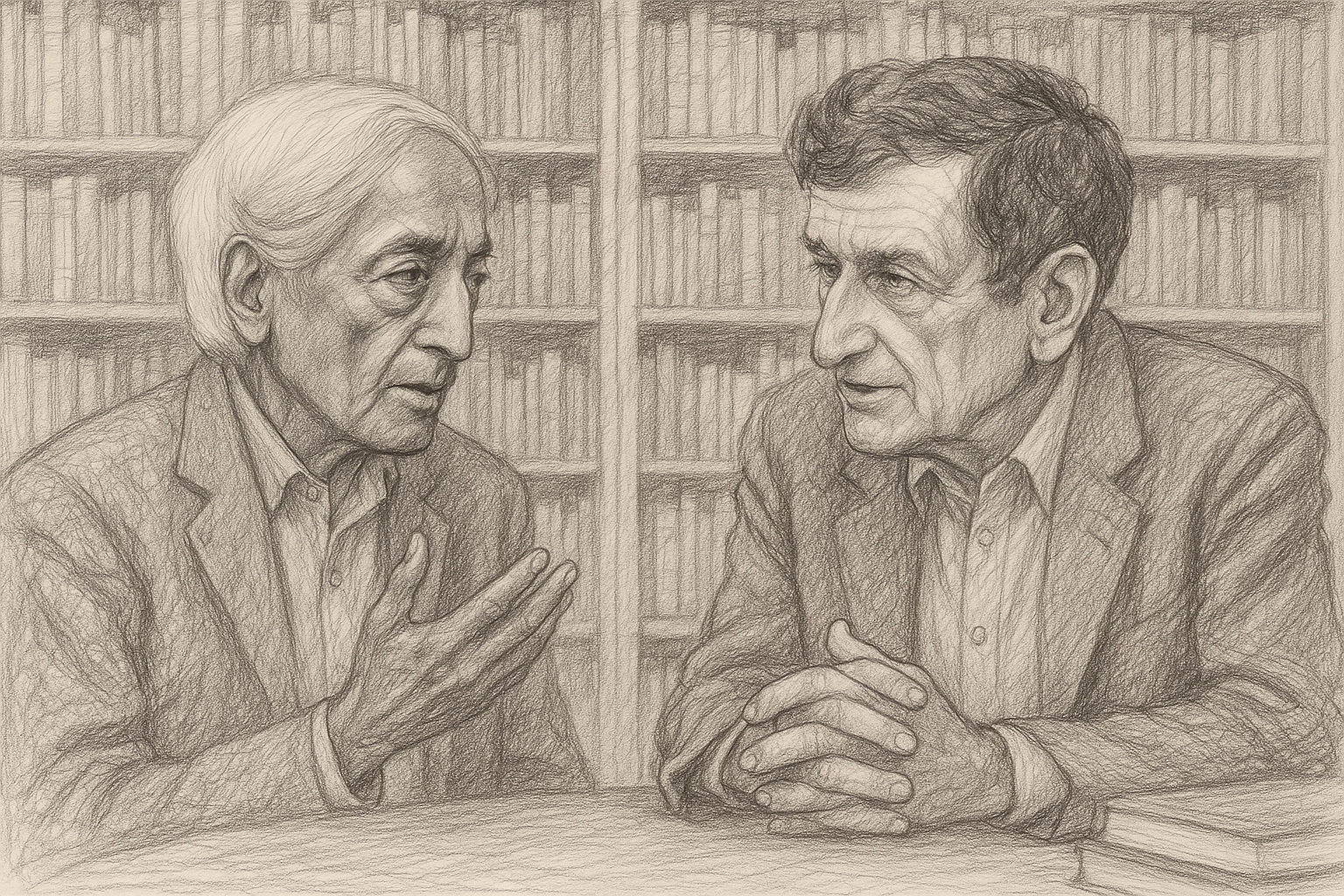
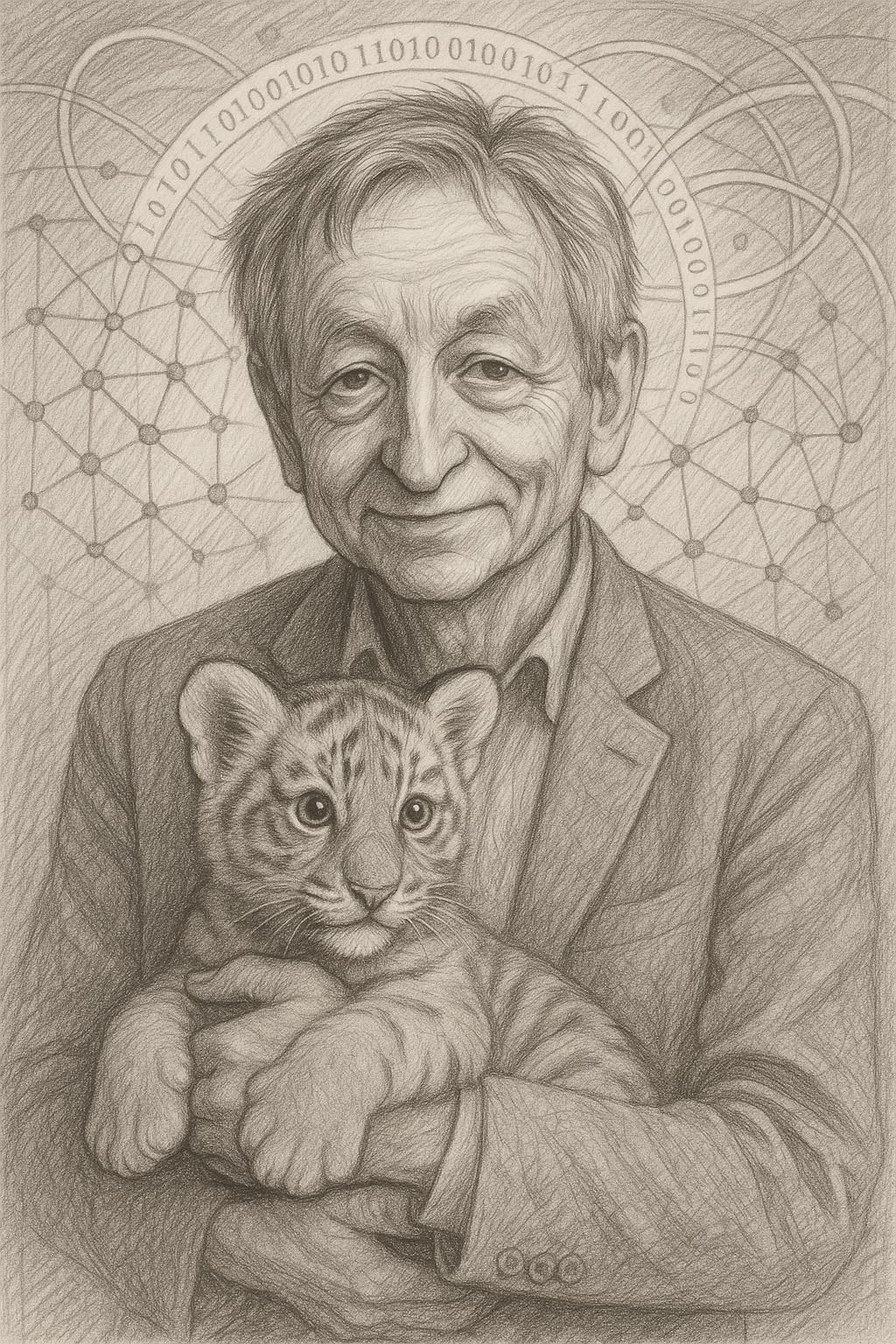







 Kika's world