Villa design concept by The Big House architecture (www.thebighouse.biz.tr)
Decorating a French villa involves capturing the timeless elegance, sophistication, and relaxed charm associated with French design. Here are some tips for both interior and exterior decoration:
Interior Decoration:
Color Palette:
Choose a soft, neutral color palette with shades of white, cream, beige, and pastels.
Add pops of color with muted tones like lavender, soft blues, and pale greens.
Furniture:
Opt for furniture with graceful curves and carved details. French furniture often features intricate woodwork.
Use a mix of antiques and reproductions to create a sense of history and authenticity.
Fabrics:
Incorporate luxurious fabrics such as silk, velvet, and damask for upholstery and curtains.
Toile de Jouy and floral patterns are classic choices for linens and draperies.
Flooring:
Install hardwood floors with a distressed or antique finish.
Consider incorporating elegant area rugs, like Aubusson or Persian rugs.
Lighting:
Use chandeliers with crystal or wrought iron details for a touch of grandeur.
Wall sconces and table lamps with ornate designs can add warmth to the space.
Accessories:
Decorate with gilded mirrors, candlesticks, and porcelain figurines.
Display vintage books, ornate picture frames, and decorative boxes.
Artwork:
Choose classic artwork such as landscapes, portraits, or still life paintings.
Large, ornate mirrors can also serve as focal points.
Exterior Decoration:
Landscaping:
Create a lush, manicured garden with classic French elements like lavender, rosemary, and boxwood.
Install pathways with gravel or cobblestones for a charming touch.
Exterior Colors:
Use a soft color palette for the exterior, incorporating shades of cream, beige, and pale gray.
Consider adding colorful accents with window shutters or flower boxes.
Architectural Details:
Enhance architectural features with wrought iron railings, balconies, and decorative moldings.
Use arched doorways and windows for a romantic and classic look.
Outdoor Furniture:
Select wrought iron or wooden furniture for outdoor spaces.
Add comfortable cushions with classic patterns like stripes or florals.
Water Features:
Consider adding a fountain or reflecting pool to evoke a sense of tranquility.
Stone or marble features can complement the classic French aesthetic.
Terracotta Pots:
Use large terracotta pots for planting herbs or colorful flowers.
Place them strategically around the exterior for a touch of authenticity.
Roofing:
Opt for traditional French roof tiles in warm tones like terracotta.
Remember, the key to achieving the French villa style is to balance elegance with a relaxed, lived-in feel. Mix antique pieces with comfortable furnishings, and add personal touches to make the space your own.
İşyeri etkileşimlerinin karmaşık dansında, iş arkadaşlarıyla doğrudan yüzleşmekten kaçınma ve sorunları başkalarıyla tartışma kararı, karmaşık psikolojik dinamiklere dayanabilir. Bu davranışın altındaki nedenleri anlamak, insan psikolojisine içgörü sağlar ve bireylerin profesyonel ilişkilerin hassas dengelemesini nasıl ele aldığını açıklar.
Çatışma Korkusu
Bireyleri doğrudan yüzleşmekten kaçınmaya yönlendiren temel psikolojik faktörlerden biri çatışma korkusudur. Birçok kişi için çatışma, rahatsızlık, gerginlik ve olası negatif sonuçlarla ilişkilidir. Bireyler, çatışma içinde bulunan bir konuşma ile uğraşmanın duygusal bedelini hafifletmek umuduyla konuyu başkalarıyla tartışmayı tercih ederler.
Bu korku genellikle uyum isteği ve meslektaşlık ilişkilerini zedeleme korkusuyla ilişkilidir. Bireyler, bir sorunu doğrudan ele almanın, bir meslektaşlarıyla olan ilişkilerini germesine neden olabileceğinden endişe duyabilirler. Sorunları başkalarıyla tartışarak, çatışmanın getirebileceği duygusal etkilerden kaçınma arzusuyla bir parça huzur koruma amacı güderler.
Negatif Reaksiyonlarla İlgili Endişeler
Çatışmaların ardından meslektaşın olası negatif tepkilerinin veya savunmacı bir yanıtın beklentisi, sorunları başkalarıyla tartışma seçeneğini yönlendirebilecek başka bir psikolojik faktördür. Bir kişinin doğrudan yüzleşme başlatma konusunda çekince göstermesine neden olabilir. Meslektaşlardan destek aramak, bireylerin konuyu yüz yüze ele alma stresinden kaçınmalarına olanak tanır.
Kaçınma Davranışı Olarak Baş Etme
Kaçınma, bireylerin bir durumu tehditkar veya duygusal olarak yüklü olarak algıladıklarında kullandıkları yaygın bir psikolojik baş etme mekanizmasıdır. Sorunları doğrudan ele almak yerine iş arkadaşlarıyla konuşmayı tercih etmek, bireylerin kendi duygusal rahatsızlıklarıyla baş etmeleri için bir yol olabilir. Bu, geçici bir rahatlama sağlayarak çatışma ile ilişkilendirilen stresten kaçınma imkanı tanır ve bireylere duygusal iyi olma üzerinde kontrol sahibi olma hissi verir.
Onay Arzusu
Sorunları meslektaşlarıyla paylaşmak, derinlemesine kök salmış bir onay arzusundan kaynaklanabilir. Meslektaşlarla problemleri paylaşmak, bireylere dışsal bir perspektif ve duygularının ve endişelerinin geçerli olduğu konusunda güvence sağlar. Başkalarından onay aramak, özellikle zorlu kişisel ilişkilerle karşılaşıldığında, kendi değerlendirme ve karar verme yeteneklerini doğrulama arzusunun bir yolu olabilir.
Kendi Güvenlik Becerilerinin Eksikliği
Yüzleşmeden kaçınma kararını etkileyen başka bir psikolojik faktör, algılanan güçlü ifade becerilerinin eksikliğidir. Bireyler, düşüncelerini ve endişelerini etkili bir şekilde ifade etme konusunda zorluk yaşayabilirler ve bu durumda çok saldırgan veya yüzleşen bir izlenim bırakma korkusuyla karşılaşabilirler. Destek arama, karmaşık iletişim konularını yönlendirmek yerine, dolaylı bir şekilde konuyu ele almalarına izin verir.
Dolaylı Kanallar Aracılığıyla Empati Oluşturma
Başkalarıyla sorunları tartışmayı seçmek, aynı zamanda gerçek bir empati oluşturma arzusundan kaynaklanabilir. Üçüncü bir tarafa endişelerini paylaşmak, bireylerin objektif bir bakış açısı ve olaya nasıl yaklaşılacağı konusunda yapıcı bir tavsiye arama isteğini yansıtabilir. Bu dolaylı yaklaşım, içgörü toplamanın ve olası bir yüzleşme için duygusal olarak hazırlanmanın bir yolu olarak hizmet edebilir.
Psikolojik Engelleri Aşma
Yüzleşmeden kaçınma kararı alanların psikolojik dinamiklerini anlamak, daha sağlıklı iş yeri ilişkileri için atılacak ilk adımdır. Bireylere kendilerini ifade etme becerilerini geliştirmeleri, çatışma çözme eğitimi sağlamaları ve açık iletişimi değerli kılan bir kültür oluşturmaları konusunda destek olmak, yüzleşmeden kaçınma ile ilişkilendirilen psikolojik engelleri aşmaya yardımcı olabilir.
Sonuç olarak, doğrudan yüzleşmekten kaçınma ve başkalarıyla tartışma kararı, çeşitli psikolojik faktörlerle derinlemesine bağlantılıdır. Çatışma korkusu, negatif tepkilere ilişkin endişeler, baş etme mekanizması olarak kaçınma kullanımı, onay arzusu ve kendine güvenme becerilerindeki algılanan eksiklik, bu karmaşık dinamiğe katkıda bulunan faktörler arasındadır. Bu temel psikolojik faktörleri tanımak ve ele almak, işyerinde daha etkili iletişim ve çatışma çözümü için yol açabilir.
Geçmiş dönemde karşılaştığım bir sınavı yazıya dökmek istedim: Profesyonel bir iş ortamında bilginiz olmadan hakkınızda sorular sorulması ve yorumlar yapılması…Bu durumu oldukça şaşırtıcı ve rahatsız edici olarak deneyimledim. Ancak, bunu aynı zamanda kişisel büyüme ve gelişim için başka bir alan olarak da değerlendirdim. Başkalarının da okuyup faydalanması dileği ile;
İnsanların direkt iletişime geçmemeleri veya olası direkt iletişime müdahale etmeleri karmaşık bir konu olabilir. İlgili çeşitli yönleri aşağıda inceleyelim:
İş dünyasının hızlı tempolu ve rekabet dolu ortamında etkili iletişim, başarılı işbirlikleri ve ortaklıkların inşa edildiği temel taşı oluşturur. Ne yazık ki, profesyoneller arasında yaygın bir eğilim, sorular veya sorunlar ortaya çıktığında meslektaşları veya ortaklarla yüzleşmekten kaçınmaktır. Bunun yerine, endişelerini meslektaşları, amirleri veya arkadaşlarıyla paylaşmayı tercih edebilirler. Bu kaçınma stratejisi kısa vadeli bir çözüm gibi görünebilir, ancak uzun vadede hem kişisel hem de profesyonel ilişkilere büyük riskler taşır.
Yüzleşmekten kaçınmanın temel risklerinden biri, anlaşmazlıkların sürüp büyüme potansiyeli taşımasıdır. Bireyler, sorular veya sorunlarla karşılaştıklarında doğrudan iletişim kurmaktan kaçındıklarında, bilgi eksikliği ve yanlış anlamalar için uygun bir ortam yaratırlar. Doğrudan bir diyalogun olmaması, yanlış bilgilerin gelişmesine ve takım üyeleri arasındaki güvenin erozyonuna yol açabilir.
Bir takım üyesinin bir meslektaşının çalışmasında bir tutarsızlık fark ettiği bir senaryoyu düşünün. Sorunu doğrudan meslektaşıyla ele almak yerine ofisteki diğer insanlarla konuşmayı tercih ederler. Bu, bir telefon oyununa dönüşebilecekleri bir ortam oluşturabilir; başlangıçtaki sorun, kişiden kişiye geçerken bozulur ve abartılır. Sonuç, gereksiz gerilim ve takım içinde çatışmaya yol açabilecek gerçeğin distorsiyonudur.
Dahası, doğrudan yüzleşmekten kaçınmak, durumu içeren kişiden daha derin bir anlayış elde etme fırsatını kaçırır. Doğrudan iletişim, perspektiflerin nüanslı bir şekilde değişimine olanak tanır ve soruna katkıda bulunan temel faktörleri anlama şansı sunar. Diyalog içinde bulunmak, motivasyonları ortaya çıkarabilir, niyetleri açıklayabilir ve çözüm bulma yolunda işbirliği yapabilir.
Doğrudan yüzleşmekten kaçınmanın bir diğer zararı da kişisel ve profesyonel büyümeyi engellemesidir. Yapıcı eleştiri ve geri bildirim, bireysel gelişim için hayati öneme sahiptir ve sorunları doğrudan ele almak istememek, öğrenme sürecini boğabilir. Bireyler, sorunları doğrudan çözmemeyi tercih ettiğinde, hatalardan öğrenme ve gerekli iyileştirmeleri yapma şansını kendilerine ve meslektaşlarına reddederler.
Ayrıca, yüzleşmekten kaçınma alışkanlığı, pasif-agresif davranışlarla ve gerilimin altında bir ortamla sonuçlanabilir. Yüzeyin altında kaynayan çözümsüz sorunlar, nihayetinde daha zor ve yönetilmesi daha zor patlamalara yol açabilir. Takım morale ve üretkenliğe yönelik olumsuz etkiler ciddi olabilir ve kuruluş kültürüne kalıcı zararlar verebilir.
Yüzleşmekten kaçınmanın riskleriyle başa çıkmak için, işyerinde açık iletişim kültürünü geliştirmek kritik önem taşır. Çalışanları meslektaşlarıyla doğrudan konuları ele almaya teşvik etmek, şeffaflığı, sorumluluğu ve işbirliği odaklı bir sorun çözme zihniyetini destekler. Yöneticiler ve liderler, örnek oluşturarak doğrudan iletişimi değerli kılan bir kültürü benimsemekte önemli bir rol oynarlar.
Düzenli kontrol ve geri bildirim oturumları düzenlemek, takım üyelerine endişelerini açıkça dile getirme ve zorlukları açıkça tartışma fırsatı sağlayabilir. Güvenli ve destekleyici bir ortam yaratmak, organizasyonun dürüstlüğü, işbirliği ve sürekli gelişmeyi değerli gören bir kültür oluşturmasına yardımcı olabilir.
Uyumun İllüzyonu
Sorunları doğrudan ele almak yerine diğer meslektaşlarla tartışma seçeneği, başlangıçta uyumun bir illüzyonunu yaratabilir. Ancak bu illüzyon genellikle kısa ömürlüdür ve derin etik endişelere yol açabilir. Temel sorun, doğrudan iletişimi atlayarak, işyerinde etik davranışın temelini oluşturan açıklık ve dürüstlük prensibini göz ardı etmesidir.
Dolaylı İletişimin Etik İfadeleri
Yüzleşmekten kaçınmak ve sorunları doğrudan ele almak yerine diğerleriyle tartışma seçmek, derin etik sonuçlara yol açabilir. İlk olarak, bu davranış, dedikodu ve işyeri politikaların geliştiği bir ortamı teşvik edebilir. Bu tür davranışlar, meslektaşlar arasında güvenin erozyona uğradığı hissine yol açabilir, çünkü bireyler endişelerinin doğrudan ele alınmadığını, bunun yerine kapalı kapılar ardında konuşulduğunu hissedebilirler.
Ayrıca, diğerleriyle sorunları tartışmak, ofiste fraksiyonların oluşturulmasına yanlışlıkla katkıda bulunabilir. Dolaylı iletişim aracılığıyla oluşturulan çeteler, belirli bireylerin bu arkasındaki konuşmalara dahil olmalarına veya dışlanmalarına dayalı olarak müttefikler veya muhalifler olarak algılanabilecekleri bir atmosfer yaratabilir. Bu tür bir ortam, sağlıklı bir iş yeri için esas olan işbirliği ruhunu zayıflatabilir.
Hesap Verme Eksikliği
Her profesyonel ortamın etik bir temel taşı, hesap verebilme yeteneğidir. Yüzleşmekten kaçınmak ve sorunları doğrudan ele almak yerine diğerleriyle tartışma seçmek, kaçınma kültürü yaratma eğilimindedir. Bireyler, meslektaşlarının endişelerini doğrudan ele almayacaklarını, bunun yerine üçüncü taraflarla konuşacaklarını bildiklerinde, eylemlerinden sorumlu olma konusunda tereddüt edebilirler.
Bu hesap verme eksikliği, kişisel ve profesyonel büyümeyi engelleyebilir; çünkü bireyler, hatalarından öğrenme ve kendilerini geliştirme fırsatlarını kaçırabilirler. Etik davranış, kişisel gelişime bağlılık ve zorlukları doğrudan ele almayı gerektirir, bunun yerine dolaylı yollarla kaçınmayı değil.
Şeffaflık ve Güven: Etik Prensipleri
Şeffaflık ve güven, bir organizasyondaki etik davranışın temel taşlarıdır. Sorunları doğrudan meslektaşlarla konuşmak yerine diğerleriyle tartışmayı tercih etmek, bu temel prensipleri zayıflatır. Açık iletişim, güven oluşturur, çünkü bireyler endişelerini doğrudan ele alacaklarına güvenebilirler. Etik davranış, işlemlerde şeffaflık ve güveni koruma yükümlülüğünü içerir.
Yüzleşmede Empati: Etik Açıdan Zorunlu
Çalışma etiği ayrıca başkalarının duygularını ve bakış açılarını düşünmeyi içerir. Meslektaşlarla yüzleşmek rahatsız edici görünebilir, ancak farklı bakış açılarını anlama ve gerçekten anlamak isteme fırsatı sunar. Yüzleşmekten kaçınmak ve sorunları üçüncü taraflarla tartışmak, bireyleri anlama ve anlayış kültürü oluşturma fırsatını kaçırır.
Yapıcı Yüzleşme: Etik Bir Zorunluluk
Aksine, yapıcı yüzleşme, etik bir zorunluluktur. Bu, etik iletişime bağlılık gösterir, bireylerin doğrudan endişeleri ele almaya, aktif bir şekilde dinlemeye ve çözümler için işbirliği yapmaya istekli olduklarını gösterir. Yapıcı yüzleşme, tarafların onurunu saygılar, onları etkileyebilecek herhangi bir sorun hakkında bilgilendirme hakları olduğunu kabul eder.
Etik İletişim Kültürünü Teşvik Etme
Yüzleşmeden kaçınma etik sorunlarını ele almak için, organizasyonların açık iletişimi ve doğrudan çatışma çözümünü teşvik eden bir kültür
Sonuç olarak, iş dünyasında yüzleşmekten kaçınmanın riskleri küçümsenmemelidir. Yanlış anlamalardan, kişisel ve profesyonel büyümeyi engellemeye kadar, doğrudan iletişimi devre dışı bırakmanın sonuçları geniştir. Güçlü ve dirençli takımlar oluşturmak için, organizasyonlar doğrudan iletişimi öncelikli kılmalı ve çalışanlara sorunları doğrudan ele alma için gerekli araçları ve kaynakları sağlamalıdır. Bunu yaparak, dürüstlüğü, işbirliğini ve sürekli iyileşmeyi değerlendiren bir iş yeri kültürü oluşturabilirler.
İletişimdeki “müdahale” konusunu çeşitli bakış açılarından inceleyen birkaç kitap bulunmaktadır. İşte bu konuyu keşfeden bazı önerilen kitaplar:
Bu kitaplar, iletişim zorluklarıyla başa çıkma, müdahaleyi anlama ve çeşitli bağlamlarda daha sağlıklı ve etkili diyalogları teşvik etme konusunda değerli içgörüler ve pratik stratejiler sunmaktadır.
Bir sonraki yazımda bu konunun psikolojik yönlerini ele alacağım bir yazımı paylaşacağım.
Design by The Big House architecture (www.thebighouse.biz.tr)
There are numerous architectural interior decoration styles, each with its unique characteristics and influences. Here’s a list of some popular interior decoration styles:
Minimalist:
Emphasizes simplicity and functionality.
Clean lines, neutral colors, and a focus on open spaces.
Modern:
Characterized by clean lines, geometric shapes, and a mix of materials.
Often incorporates metal, glass, and concrete.
Contemporary:
Reflects current design trends.
Mixes elements from various styles for a fresh and up-to-date look.
Traditional:
Inspired by classic European designs.
Features rich colors, ornate furniture, and intricate details.
Transitional:
Combines elements of traditional and modern styles.
Strikes a balance between classic and contemporary aesthetics.
Industrial:
Utilizes raw materials like exposed brick, metal, and reclaimed wood.
Often incorporates open spaces and high ceilings.
Mid-Century Modern:
Inspired by designs from the mid-20th century (1940s to 1960s).
Features clean lines, organic shapes, and functional furniture.
Scandinavian:
Emphasizes simplicity, functionality, and natural materials.
Light colors, minimalist furniture, and an abundance of natural light.
Bohemian:
Eclectic and free-spirited style.
Mixes patterns, textures, and colors from around the world.
Rustic:
Inspired by rural and countryside aesthetics.
Features natural materials like wood and stone, and often has a cozy, warm feel.
Shabby Chic:
Vintage-inspired, with distressed furniture and soft, pastel colors.
Embraces a slightly worn, lived-in look.
Art Deco:
Influenced by the 1920s and 1930s.
Features geometric shapes, bold colors, and luxurious materials like glass and chrome.
Colonial:
Reflects the styles of early American settlers.
Dark woods, rich colors, and traditional patterns.
Mediterranean:
Inspired by the coastal regions of Southern Europe.
Features warm colors, rustic textures, and wrought iron elements.
Asian-inspired:
Draws from traditional East Asian design elements.
Often includes natural materials, such as bamboo and silk, and minimalist furniture.
Eclectic:
Mixes various styles, colors, and patterns to create a unique and personalized look.
Nautical/Coastal:
Inspired by the seaside.
Features light colors, natural textures, and nautical motifs.
Art Nouveau:
Influenced by natural forms and curved lines.
Features intricate patterns, floral motifs, and organic shapes.
Remember that these styles are not mutually exclusive, and many interiors incorporate elements from multiple styles to create a unique and personalized aesthetic.
Throughout the month of January, we will delve into some of the decorative styles listed above with explanations and examples.
Gestalt therapy, developed by Fritz Perls, focuses on increasing self-awareness and embracing the “here and now.” Therapists using this approach encourage individuals to become fully present in their thoughts, feelings, and experiences. When it comes to coping with fear of the future, Gestalt therapy can help individuals explore how their worries manifest in the present moment. By acknowledging and addressing these immediate concerns, individuals can often gain insight into their deeper fears and develop more effective coping strategies. This therapy emphasizes personal responsibility and self-acceptance, which can empower individuals to confront and manage their anxieties about the future in a constructive manner.
Cognitive-Behavioral Therapy (CBT):
Psychologists who practice CBT, such as Aaron T. Beck, suggest identifying and challenging irrational thoughts and beliefs related to the future. CBT helps individuals develop more constructive thought patterns and coping strategies.
Mindfulness-Based Stress Reduction (MBSR):
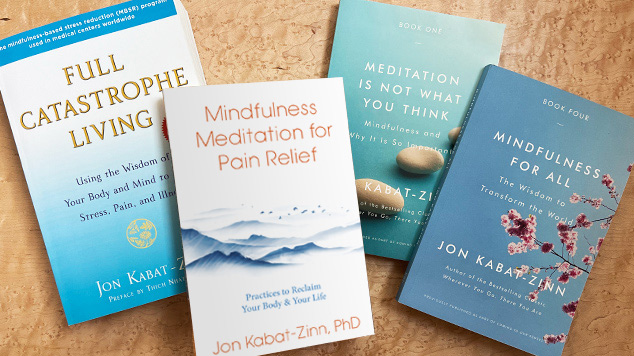
Developed by Jon Kabat-Zinn, MBSR promotes mindfulness and meditation practices to help individuals stay grounded in the present moment. This approach can reduce anxiety about the future by focusing on the here and now.
Positive Psychology:
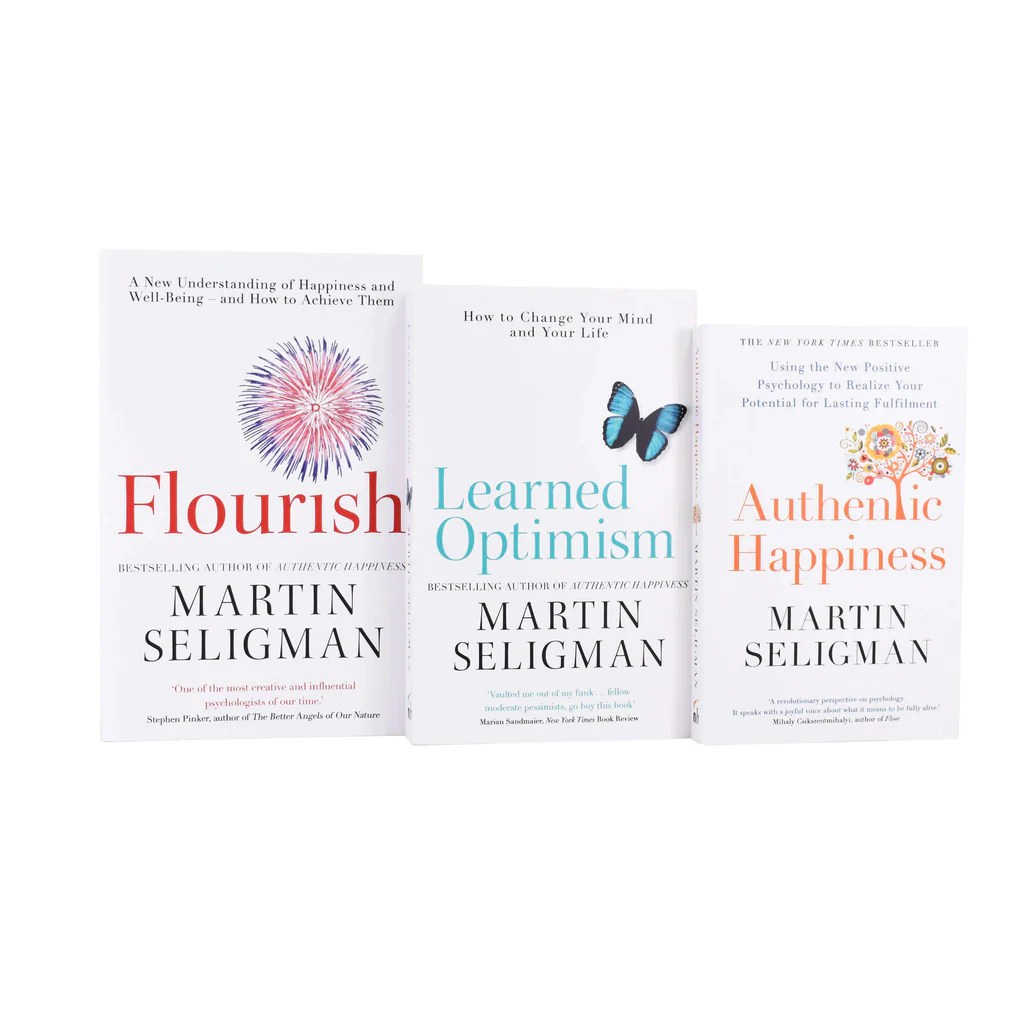
Psychologists like Martin Seligman advocate for the cultivation of positive emotions, strengths, and resilience. Positive psychology interventions can shift the focus from fear to building a fulfilling and optimistic future.
Psychodynamic Therapy:
Psychodynamic therapists, like Sigmund Freud, explore the subconscious and unconscious factors that contribute to anxiety about the future. The aim is to uncover and address underlying conflicts and fears.
Acceptance and Commitment Therapy (ACT):
Developed by Steven C. Hayes, ACT encourages individuals to accept their anxious thoughts and feelings rather than trying to suppress them. It emphasizes values-based actions and mindfulness to create a more fulfilling life despite fear.
Attachment Theory:
Psychologists like John Bowlby suggest that understanding one’s attachment style can provide insights into fear and anxiety about the future. Therapy may focus on developing secure attachments and addressing attachment-related fears.
Family Systems Therapy:
Psychologists influenced by family systems theory, such as Murray Bowen, examine how family dynamics and intergenerational patterns may contribute to future-related fears. Therapy can help individuals create healthier family dynamics.
Existential Therapy:
Existential therapists, like Irvin D. Yalom, explore the fundamental questions of life and death, helping individuals find meaning and purpose. Addressing existential concerns can alleviate anxiety about the unknown future.
Biofeedback and Relaxation Techniques:
Psychiatrists and psychologists may recommend techniques such as biofeedback, deep breathing exercises, and progressive muscle relaxation to manage anxiety symptoms and promote relaxation when facing future fears.
Neuro-Linguistic Programming (NLP)
Neuro-Linguistic Programming (NLP) offers a range of techniques that can be valuable for individuals coping with the fear of the future. By harnessing the power of language, thought patterns, and behaviors, NLP provides tools for reframing negative thoughts, anchoring positive emotions, and visualizing success. It encourages individuals to change their internal dialogues, set clear goals, and develop sensory acuity to identify triggers for fear and anxiety. Time Line Therapy, a specific aspect of NLP, also addresses past emotional baggage that may influence future apprehensions. While NLP can be a helpful approach, its effectiveness varies from person to person. To maximize its benefits, individuals may work with trained NLP practitioners or therapists who can tailor techniques to their unique needs and preferences. Combining NLP with other therapeutic approaches or self-help strategies can provide a holistic approach to managing fear and anxiety about the future.
These approaches represent a range of psychological and therapeutic perspectives on coping with fear and anxiety about the future. The choice of approach may depend on an individual’s specific needs, preferences, and the underlying causes of their anxiety. It’s advisable to consult with a mental health professional to determine the most suitable approach for your situation.
Creative visualization is a mental technique that involves using the power of imagination and mental imagery to create vivid mental pictures of specific goals, desires, or situations. It is a practice that harnesses the mind’s capacity to influence reality by visualizing a desired outcome in as much detail as possible. Creative visualization is often used for various purposes, including personal development, goal achievement, stress reduction, and enhancing overall well-being.
Key aspects of creative visualization include:
Clarity: Clearly defining what you want to achieve or experience is a fundamental step in creative visualization. The more specific and detailed your mental image, the more powerful the visualization becomes.
Emotion: It’s essential to infuse your visualizations with positive emotions and feelings associated with achieving your goals. Emotion adds depth and energy to the mental imagery.
Repetition: Consistent practice is crucial. Repeatedly visualizing your desired outcomes reinforces your belief in their attainability and helps align your subconscious mind with your goals.
Belief: A strong belief that your visualizations can influence reality is a cornerstone of creative visualization. The more you believe in the process, the more effective it becomes.
Relaxation: Many people find it beneficial to enter a state of relaxation before engaging in creative visualization. Techniques like deep breathing or progressive muscle relaxation can help calm the mind and make visualization more focused.
Visualization Techniques: There are various techniques, such as guided visualization, where someone else leads you through the imagery, or self-guided visualization, where you create the mental images independently.
Affirmations: Combining affirmations (positive statements) with creative visualization can reinforce your goals and desires. Repeating affirmations during your visualization can enhance the process.
Creative visualization can be used for a wide range of goals, including improving self-confidence, achieving career success, enhancing physical health, reducing stress, and manifesting personal desires. Many proponents of creative visualization believe that it helps align the subconscious mind with conscious goals, making it more likely for these goals to be realized.
While creative visualization is a widely practiced technique, it’s important to note that its effectiveness may vary from person to person. Some people find it highly beneficial, while others may not experience the same degree of success. Ultimately, creative visualization is a tool that individuals can use in conjunction with other goal-setting and self-improvement practices to help manifest their aspirations and lead more fulfilling lives.
Creative visualization can be enhanced and facilitated with the help of AI.
Enhancing Visualization Tools: AI-powered software can provide advanced visualization tools and platforms that help individuals create more vivid and detailed mental images. For example, AI can generate high-quality 3D visualizations or realistic simulations of environments, making it easier for users to immerse themselves in their visualizations.
Guided Visualization: AI can guide individuals through creative visualization exercises by providing spoken or text-based instructions. Virtual assistants or chatbots can lead users through relaxation techniques, mental imagery exercises, and goal-setting processes, helping them refine their visualization skills.
Personalized Visualization: AI can analyze user data and preferences to tailor visualization exercises to individual needs and goals. This personalization can make creative visualization more effective and engaging.
Content Generation: AI can assist in generating content that aids in creative visualization, such as guided meditation scripts, visualization prompts, or inspirational images and videos.
Visualization Feedback: AI systems can provide real-time feedback on the quality and effectiveness of a user’s visualization practice. For instance, AI can assess factors like relaxation levels, focus, and emotional engagement during the visualization process.
Interactive Visualization Tools: Virtual reality (VR) and augmented reality (AR) applications, often powered by AI, provide immersive and interactive visualization experiences. Users can create and explore virtual environments that align with their visualization goals.
Data-Driven Visualization: AI can analyze large datasets and generate visual representations of complex information, aiding users in understanding and creatively visualizing data patterns, trends, and insights.
Artistic Creations: AI-powered tools like deep learning-based art generators can assist individuals in creating artistic visualizations or digital art pieces based on their thoughts, emotions, or concepts.
While AI can be a valuable tool in enhancing creative visualization, it’s essential to remember that the effectiveness of creative visualization often depends on personal beliefs, emotional engagement, and practice. AI can support and augment these processes but should not replace the individual’s active participation and belief in the power of visualization to manifest positive outcomes.
Stupidity is a concept used to describe a lack of intelligence, common sense, or the ability to think, reason, or make decisions effectively. It often implies a failure to understand or grasp simple or fundamental concepts, a tendency to act inappropriately or recklessly, or a general deficiency in cognitive abilities. Stupidity is a subjective and value-laden term, and what one person considers stupid behavior or thinking may differ from another’s perspective. It’s essential to approach discussions about intelligence and stupidity with sensitivity and respect, as these terms can be hurtful when applied to individuals or groups.
Merriam-Webster:
Human Stupidity (noun): A state or condition characterized by a lack of intelligence, reasoning, or common sense in human behavior or decision-making.
Oxford English Dictionary:
Human Stupidity (noun): The quality or state of being foolish or unintelligent in human actions, thoughts, or judgments.
Cambridge Dictionary:
Human Stupidity (noun): The act or quality of making unwise decisions, displaying a lack of logical thinking, or behaving foolishly in human conduct.
Collins English Dictionary:
Human Stupidity (noun): The state of making irrational or imprudent choices, demonstrating a lack of sound judgment, or engaging in foolish actions.
Macmillan Dictionary:
Human Stupidity (noun): The characteristic of behaving in a manner that lacks intelligence, rationality, or good sense, often leading to unfavorable outcomes or decisions.
The meaning of “a stupid person”
“A stupid person” is a colloquial and informal term used to describe an individual who lacks intelligence, common sense, or the ability to make sound decisions. It is a subjective label and often denotes a person’s perceived inability to think critically, solve problems, or understand straightforward concepts. However, it’s important to note that referring to someone as “stupid” is generally considered impolite and disrespectful, and it does not provide a nuanced or constructive assessment of a person’s abilities or potential.
Cipolla’s 5 Laws of Human Stupidity
Carlo M. Cipolla, an Italian economic historian, formulated “The Basic Laws of Human Stupidity” as a humorous but thought-provoking way to describe human behavior. Cipolla’s five laws of human stupidity are as follows:
The First Basic Law of Human Stupidity: “Always and inevitably, everyone underestimates the number of stupid individuals in circulation.”
This law asserts that people tend to underestimate the prevalence of stupidity in society. It suggests that there are more stupid individuals than we often realize, and they can have a significant impact on our lives and collective decisions.
The Second Basic Law of Human Stupidity: “The probability that a given person is stupid is independent of any other characteristic possessed by that person.”
This law implies that stupidity is not correlated with other personal characteristics, such as intelligence, education, or social status. In other words, anyone, regardless of their background, can exhibit foolish behavior.
The Third Basic Law of Human Stupidity: “A stupid person is a person who causes losses to another person or to a group of persons while himself deriving no gain and even possibly incurring losses.”
This law defines a stupid person as someone who engages in actions that harm others without benefiting themselves. Stupidity, in this context, is characterized by actions that are irrational and detrimental to both the individual and society.
The Fourth Basic Law of Human Stupidity: “Non-stupid people always underestimate the damaging power of stupid individuals. In particular, non-stupid people constantly forget that at all times and places and under any circumstances to deal and/or associate with stupid people always turns out to be a costly mistake.”
This law suggests that intelligent or non-stupid people often fail to recognize the harm that can be caused by stupid individuals. It emphasizes the need for vigilance and caution when dealing with people who exhibit irrational or harmful behavior.
The Fifth Basic Law of Human Stupidity: “A stupid person is the most dangerous type of person.”
This law asserts that, among all types of individuals, stupid people are the most dangerous because their actions are unpredictable and can lead to significant harm. It underscores the potential risks associated with interacting with or being influenced by stupid individuals.
It’s important to note that Cipolla’s laws of human stupidity are meant to be humorous and thought-provoking rather than scientifically rigorous. They provide a satirical commentary on human behavior and irrationality, reminding us to consider the potential consequences of foolish actions and decisions in various aspects of life.
Dangers of human stupidity for AI
The dangers of human stupidity for AI primarily revolve around how human actions, biases, and errors can negatively impact the development, deployment, and utilization of AI technologies. These dangers can have wide-ranging consequences and include:
Biased Data: Human stupidity, including conscious or unconscious biases, can result in biased training data for AI systems. If the data used to train AI models is skewed or unrepresentative, the AI system will inherit and potentially amplify these biases when making decisions.
Example: An AI-powered hiring tool may discriminate against certain demographic groups if the historical hiring data used for training is biased.
Misuse and Misinterpretation: Human operators may misuse or misinterpret AI outputs due to a lack of understanding or negligence. This can lead to inappropriate decisions, actions, or conclusions based on AI-generated information.
Example: Law enforcement agencies relying on facial recognition technology may misidentify individuals, leading to wrongful arrests or accusations.
Inadequate Oversight: Failing to provide adequate oversight and governance for AI systems can result in unintended consequences. Neglecting to establish ethical guidelines and safeguards can lead to unethical or harmful uses of AI.
Example: The deployment of AI-powered autonomous weapons without proper oversight could lead to indiscriminate violence in conflict zones.
Lack of Accountability: Human actors, including developers, operators, and policymakers, may fail to take responsibility for AI failures or harmful outcomes, attributing them solely to the technology.
Example: In the event of a self-driving car accident, human operators may deflect blame onto the AI system rather than acknowledging their own responsibility for supervision.
Resistance to Change: Human resistance to AI adoption, whether due to fear, misunderstanding, or reluctance to change, can impede progress and prevent the realization of AI’s potential benefits.
Example: Healthcare professionals resisting AI-driven diagnostic tools may delay the implementation of more accurate and timely patient care.
Ethical Lapses: Human actors involved in AI development may prioritize profit, expediency, or other interests over ethical considerations, resulting in unethical AI applications.
Example: Companies may deploy AI chatbots that engage in deceptive or manipulative behavior to maximize sales, disregarding user trust and privacy.
Lack of Cybersecurity Awareness: Human users may not prioritize cybersecurity measures when interacting with AI systems, potentially exposing vulnerabilities and leading to data breaches, identity theft, or cyberattacks.
Example: Users may fall victim to phishing attacks conducted by AI-generated social engineering bots that exploit human gullibility.
Inaccurate Assumptions: Humans may make inaccurate assumptions about AI capabilities, leading to misplaced trust or unrealistic expectations.
Example: Assuming that AI-driven autonomous vehicles are infallible and do not require human intervention can lead to accidents and fatalities.
In conclusion, the dangers of human stupidity for AI underscore the importance of responsible development, ethical deployment, ongoing oversight, and informed human-AI interaction. Addressing these challenges requires a combination of technical expertise, ethical awareness, and vigilance to ensure that AI technologies are used to benefit society while minimizing potential harm caused by human error and negligence.
Stupidity has been a subject of reflection, humor, and critique throughout history. Here are some quotes about stupidity from various notable figures:
Albert Einstein: “Two things are infinite: the universe and human stupidity; and I’m not sure about the universe.”
Mark Twain: “It’s better to keep your mouth shut and appear stupid than open it and remove all doubt.”
Bertrand Russell: “The fundamental cause of trouble in the world today is that the stupid are cocksure while the intelligent are full of doubt.”
Friedrich Nietzsche: “Against stupidity, the gods themselves contend in vain.”
John Stuart Mill: “Although it is not true that all conservatives are stupid people, it is true that most stupid people are conservative.”
Voltaire: “Common sense is not so common.”
Frank Zappa: “The only difference between a cult and a religion is the amount of real estate they own.”
George Carlin: “Think of how stupid the average person is, and realize half of them are stupider than that.”
Jean-Jacques Rousseau: “Stupidity is something unshakable; nothing attacks it without breaking itself against it; it is of the nature of granite, hard and resistant.”
Carl Sagan: “One of the saddest lessons of history is this: If we’ve been bamboozled long enough, we tend to reject any evidence of the bamboozle. We’re no longer interested in finding out the truth. The bamboozle has captured us. It’s simply too painful to acknowledge, even to ourselves, that we’ve been taken. Once you give a charlatan power over you, you almost never get it back.”
If AI does not work in conjunction with human therapists, several potential consequences and challenges may arise:
Loss of Human Connection: One of the primary strengths of therapy is the human-to-human connection and the therapeutic alliance between the therapist and the client. Without human therapists, clients may miss out on the empathetic, supportive, and compassionate interactions that are integral to the therapeutic process.
Limited Understanding of Context: AI lacks the ability to fully understand the nuanced context of a client’s life, experiences, and cultural background. Human therapists can provide context-specific interventions and adapt their approach based on the unique needs of each client, which AI may struggle to replicate.
Ethical Concerns: The use of AI in therapy raises significant ethical concerns related to privacy, data security, and the potential for misuse of personal information. Ensuring the confidentiality of sensitive client data becomes even more critical without human oversight.
Lack of Flexibility: AI operates based on pre-programmed algorithms and data analysis. It may lack the flexibility to respond to unexpected or evolving emotional crises, which human therapists can handle adeptly through their clinical judgment and experience.
Misdiagnosis and Misinterpretation: AI may struggle to accurately diagnose complex mental health conditions or interpret subtle emotional cues. This can lead to misdiagnosis or a failure to identify critical issues in a client’s mental health.
Loss of Therapeutic Skill Development: For therapists in training, the absence of human mentorship and guidance can hinder the development of crucial clinical skills, such as empathetic communication, active listening, and therapeutic rapport building.
Inadequate Crisis Management: In situations of acute crisis or severe emotional distress, AI may not be equipped to provide immediate and appropriate intervention. Human therapists can assess and manage crises effectively.
Limited Cultural Competence: AI may struggle to understand the cultural and sociocultural factors that shape a client’s identity and experiences. Human therapists can offer culturally sensitive and context-specific support.
Client Resistance: Some clients may be hesitant to engage with AI-driven therapy due to a preference for human interaction or concerns about the effectiveness of AI in addressing their unique needs.
Reduced Accountability: The absence of human therapists may result in a lack of accountability for the decisions and actions of AI systems, potentially leading to unintended consequences or ethical dilemmas.
In summary, while AI has the potential to augment therapy, it is not a substitute for the expertise, empathy, and contextual understanding that human therapists bring to the therapeutic relationship. To ensure the best possible outcomes for clients, it is essential that AI is used as a tool to support human therapists rather than as a replacement for them. Combining the strengths of AI with the expertise of human therapists can lead to more effective and ethical mental health care.
AI can work on the “here and now” aspect of Gestalt therapy by leveraging real-time data analysis, natural language processing (NLP), and interactive technologies. Here’s how AI can address the core principles of Gestalt therapy related to the present moment:
Real-time Data Collection:
Monitoring Speech and Text: AI can analyze the client’s speech during therapy sessions or text-based interactions in real-time. It can detect emotional cues, patterns, and shifts in the client’s language, helping the therapist and AI system understand the client’s current state.
Physiological Signals:Wearable devices and sensors can collect real-time physiological data such as heart rate, skin conductance, and facial expressions. AI can process this data to gain insights into the client’s emotional and physiological responses during therapy.
Interactive Conversations:
Chatbots and Virtual Therapists:AI-driven chatbots or virtual therapists can engage in interactive conversations with clients, helping them explore their thoughts, emotions, and experiences in the present moment. These interactions can encourage self-reflection and awareness.
Prompting Mindfulness: AI can prompt clients to engage in mindfulness exercises or relaxation techniques during therapy sessions. For example, it can guide clients through deep breathing exercises or progressive muscle relaxation to foster a sense of presence.
Visual and Auditory Cues:
Speech and Emotion Recognition: AI can analyze the client’s tone of voice, facial expressions, and body language to assess their emotional state during face-to-face or video therapy sessions. It can provide real-time feedback to therapists on these cues.
Visualizations: AI can generate visual representations of the client’s emotional state or thought patterns, such as word clouds or sentiment analyses, allowing both the therapist and client to gain insights into the present moment.
Feedback and Reflection:
Real-time Feedback: AI can provide real-time feedback to therapists and clients, helping them stay attuned to the dynamics of the therapy session. This feedback can highlight moments of emotional intensity, changes in the client’s narrative, or the emergence of patterns.
Session Summaries: After each therapy session, AI can generate summaries or reports highlighting key moments, insights, and emotions discussed during the session. This can aid in client reflection on their experiences.
Client Journals:
AI-Enhanced Journaling: AI can assist clients in maintaining journals or diaries. It can help clients track their thoughts, emotions, and experiences, promoting self-awareness and the exploration of the present moment.
Therapist Support:
Prompting Therapeutic Techniques: AI can suggest specific Gestalt therapy techniques that the therapist can use in real-time based on the client’s current needs and responses.
Session Assistance: During therapy sessions, AI can serve as a supportive tool for therapists by providing background information on the client’s history, suggesting interventions, or offering relevant resources.
It’s important to note that while AI can assist in capturing and analyzing data related to the “here and now,” it should always work in conjunction with human therapists who can provide empathy, context, and personalized guidance. Additionally, privacy and ethical considerations must be a priority when using AI for therapy, especially in real-time data collection and analysis.
Heidegger’s concept of “Dasein” and the being of artificial intelligence (AI) are fundamentally different in many respects, as they originate from distinct philosophical and technological contexts.
Here, we’ll compare them from various perspectives:
Origin and Nature:
Dasein:Heidegger’s Dasein is a concept deeply rooted in existential philosophy. It refers to human existence and emphasizes the unique human capacity for self-awareness, understanding, and authentic engagement with the world.
AI Being: The being of AI, on the other hand, is fundamentally rooted in technology. AI entities, whether machines or software, lack consciousness, self-awareness, and an authentic understanding of the world. They operate based on algorithms, data, and programmed instructions.
Consciousness and Self-Awareness:
Dasein: Dasein is characterized by self-awareness and the ability to reflect on one’s existence. It grapples with existential questions and experiences the world through a subjective lens.
AI Being: AI lacks consciousness and self-awareness. It operates based on predefined algorithms and does not possess subjective experiences, self-reflection, or a sense of identity.
Engagement with the World:
Dasein: Dasein’s engagement with the world is characterized by a deep and meaningful connection. It can interpret the world, make choices, and find purpose within it. Dasein’s existence is inherently tied to its environment and its relationships with others.
AI Being: AI interacts with the world in a transactional manner. It processes data and executes tasks according to its programming, but these interactions lack the depth, meaning, and existential significance found in human experiences.
Temporal Existence:
Dasein: Heidegger emphasized the temporality of Dasein, highlighting how human existence unfolds in time. Dasein grapples with past, present, and future, and its decisions are influenced by a sense of its own mortality.
AI Being: AI operates in a timeless and deterministic fashion. It does not have a sense of past, present, or future. Its actions are based solely on the input data and algorithms, devoid of temporal awareness.
Authenticity:
Dasein: Authenticity is a central concept in Heidegger’s philosophy. Dasein is challenged to live authentically by confronting its own mortality and making choices that align with its true self, values, and existence.
AI Being: AI does not possess authenticity. Its actions are predetermined by its programming, and it lacks the capacity for self-examination or the ability to make value-based decisions.
Impact on Society:
Dasein: Human existence has profound social, cultural, and ethical implications. Human interactions shape societies, cultures, and moral values.
AI Being: The presence of AI has transformative implications on society, but these implications are driven by technology, efficiency, and economic considerations rather than cultural or ethical values.
In summary, Heidegger’s concept of Dasein represents the rich complexity of human existence, marked by self-awareness, authenticity, and deep engagement with the world. In contrast, the being of AI is characterized by its lack of consciousness, self-awareness, and subjective experience, operating as a tool or system within the parameters of its programming. These two concepts exist in entirely different philosophical and existential domains, reflecting the distinction between human existence and artificial intelligence.
Focusing on your unique journey and the value of being present in your own life is a powerful way to cultivate mindfulness, self-acceptance, and a sense of fulfillment. Here are some strategies to help you achieve this:
Practice Mindfulness Meditation: Regular mindfulness meditation can train your mind to stay present. Set aside time each day to sit quietly, focus on your breath, and observe your thoughts without judgment.
Cultivate Gratitude: Start a gratitude journal where you write down things you’re grateful for each day. This practice shifts your focus to the positive aspects of your life and encourages you to be present in the moment.
Limit Distractions: Identify common distractions in your life, whether they’re digital devices, clutter, or busy schedules, and take steps to minimize them. Create physical and mental space for presence.
Engage in Mindful Activities: Incorporate mindfulness into everyday activities, such as eating, walking, or even washing dishes. Pay full attention to the sensory experience of the moment.
Set Intentional Goals: Define your own meaningful goals based on your values and desires rather than external expectations. Focus on the journey toward these goals, not just the end result.
Embrace Imperfection: Understand that life is full of ups and downs. Embrace imperfection and view challenges as opportunities for growth rather than as failures.
Limit Social Comparison: Reduce the habit of comparing your life to others’ on social media or in real life. Everyone has a unique journey, and you can’t compare your behind-the-scenes to someone else’s highlight reel.
Practice Self-Compassion: Treat yourself with kindness and understanding, especially when you make mistakes or face difficulties. Self-compassion helps you stay present without harsh self-judgment.
Create Rituals for Presence: Establish daily or weekly rituals that help you stay present, such as morning meditation, a gratitude walk, or a technology-free evening.
Savor Moments of Joy: When you experience moments of happiness or contentment, pause to savor them fully. Allow yourself to bask in the joy without immediately thinking about what’s next.
Connect with Nature: Spending time in nature can be a powerful way to cultivate presence. Go for hikes, walks, or simply sit in a park and observe the beauty of the natural world.
Practice Deep Listening: When in conversations with others, practice active and empathetic listening. Be fully present and engaged in the interaction rather than thinking about what you’ll say next.
Set Digital Boundaries: Create clear boundaries with technology. Designate specific times for checking emails and social media to prevent constant distraction.
Revisit Your Values: Regularly review and reflect on your core values. Ensure that your actions and decisions align with what truly matters to you.
Embrace Solitude: Spend time alone to reflect and recharge. Solitude can provide clarity and help you connect with your inner self.
Seek Mindful Companionship: Surround yourself with people who value mindfulness and presence. Engaging in meaningful conversations with such individuals can reinforce these practices.
Celebrate Milestones: Acknowledge and celebrate your personal milestones, no matter how small. Recognizing your progress reinforces the value of your unique journey.
Balancing being and doing in the professional realm is crucial for long-term success and overall well-being. Here are some specific examples of how this balance can be achieved:
Setting Realistic Expectations:
Project Deadlines: Instead of constantly pushing for tight deadlines that lead to stress and burnout, set realistic project timelines that allow your team to work effectively without unnecessary pressure.
Performance Goals: Encourage employees to set achievable performance goals that take into account their current workload and capabilities.
Taking Breaks:
Regular Breaks: Implement a policy that encourages employees to take short, regular breaks during the workday to recharge. These breaks can be used for stretching, short walks, or meditation.
Vacation Time: Ensure that employees have access to their entitled vacation days and encourage them to take time off to rest and rejuvenate.
Fostering a Workplace Culture:
Flexible Work Arrangements: Offer flexible work arrangements, such as remote work options or flexible hours, to accommodate employees’ needs and preferences.
Mental Health Support: Provide resources and support for mental health, including Employee Assistance Programs (EAPs), stress management workshops, and access to therapists.
Promoting Work-Life Balance:
Clear Boundaries: Encourage employees to establish clear boundaries between work and personal life, such as not checking work emails during non-working hours.
Family-Friendly Policies: Implement family-friendly policies, such as parental leave, to support employees in managing their work and family responsibilities.
Employee Wellness Programs:
Fitness Programs: Offer fitness classes or gym memberships as part of an employee wellness program to promote physical well-being.
Meditation and Mindfulness: Introduce mindfulness sessions or meditation workshops to help employees reduce stress and improve their mental clarity.
Recognition and Rewards:
Recognition for Effort: Recognize employees not only for their achievements but also for their dedication, effort, and commitment to maintaining a healthy work-life balance.
Wellness Incentives: Consider offering incentives for employees who actively participate in wellness activities or consistently take breaks.
Leadership Role Modeling:
Leaders Lead by Example: Encourage leaders within the organization to model a healthy work-life balance. When leaders prioritize their well-being, it sets a positive example for the entire team.
Regular Check-Ins:
One-on-One Meetings: Managers can conduct regular one-on-one meetings with their team members to discuss workload, stress levels, and overall well-being, ensuring that employees feel supported.
Training and Development:
Stress Management Training: Provide training and resources on stress management, resilience, and coping strategies to equip employees with tools to handle workplace challenges.
Feedback and Improvement:
Feedback Channels: Establish feedback mechanisms where employees can openly share their concerns and suggestions for improving work-life balance.
Continuous Improvement: Continuously assess and refine workplace policies and practices to better support employees’ well-being.
By implementing these strategies and creating a workplace culture that values the well-being of its employees, organizations can achieve sustainable success, improve employee satisfaction, and reduce the negative impacts of overwork and burnout.
One successful example of a workplace that has effectively balanced being and doing is Google. Google is known for its innovative and employee-friendly work culture, which places a strong emphasis on both productivity and well-being. Here are some key practices that demonstrate how Google achieves this balance:
Flexible Work Environment: Google provides employees with a flexible work environment, allowing them to choose where they work, whether it’s in the office, at home, or in another location. This flexibility empowers employees to work in ways that suit their individual preferences and needs, promoting a sense of autonomy and well-being.
Emphasis on Well-Being: Google prioritizes employee well-being through various initiatives. The company offers on-site wellness centers, fitness facilities, and access to mental health resources. Employees have access to yoga and meditation classes to help reduce stress and improve mindfulness.
Work-Life Integration: Google promotes work-life integration rather than strict separation. The company offers family-friendly policies, including generous parental leave and support for new parents. This enables employees to balance their professional and personal lives more effectively.
Creativity and Innovation: Google encourages employees to spend a portion of their work time pursuing personal projects and interests through its “20% Time” policy. This policy fosters creativity, innovation, and a sense of purpose beyond the daily tasks.
Collaborative Spaces: Google’s office spaces are designed to foster collaboration and interaction among employees. Open workspaces, communal areas, and recreational spaces create a sense of community and encourage cross-functional communication.
Continuous Learning: Google promotes continuous learning through various programs. Employees have access to online courses, workshops, and educational resources to enhance their skills and personal growth.
Feedback and Communication: The company maintains open lines of communication between employees and management. Regular feedback sessions, town hall meetings, and employee surveys provide opportunities for employees to express their needs and concerns.
Inclusivity and Diversity: Google is committed to creating an inclusive and diverse workplace. Initiatives to promote diversity and inclusion help employees feel valued and respected, contributing to their overall well-being.
Support for Mental Health: Google acknowledges the importance of mental health and offers resources such as Employee Assistance Programs (EAPs) and mental health awareness campaigns. These resources help employees manage stress and mental health challenges.
Recognition and Rewards: Google celebrates and rewards employees not only for their achievements but also for their contributions to the company’s culture and values. This recognition reinforces the importance of both doing and being in the workplace.
Google’s success in balancing being and doing has contributed to its reputation as a desirable employer. By prioritizing the well-being of its employees and creating a positive work environment that fosters innovation and creativity, Google demonstrates how a company can achieve sustainable success while maintaining a healthy work-life balance for its workforce.
Proving ourselves through constant doing can lead to burnout, stress, and a sense of inadequacy. It’s essential to break free from this pattern and find healthier ways to define your self-worth. Here are some strategies that can help you:
Practice Self-Acceptance: Start by accepting yourself as you are, with your strengths and weaknesses. Recognize that your inherent value is not determined by your achievements.
Set Realistic Expectations: Understand that you don’t need to excel in every aspect of your life. Set achievable goals and be kind to yourself if you fall short sometimes.
Mindfulness and Self-Compassion: Develop mindfulness practices that help you stay present and non-judgmental about your thoughts and actions. Practice self-compassion by treating yourself with the same kindness you would offer to a friend.
Know Your Values: Identify your core values and what truly matters to you. Align your actions with these values rather than trying to meet external expectations.
Create Boundaries: Set clear boundaries to protect your personal time and space. Learn to say “no” when necessary and avoid overcommitting.
Celebrate Small Wins: Acknowledge and celebrate even the smallest achievements. This can help you feel more confident without the need for constant validation.
Seek Feedback and Support: Instead of seeking validation through your actions, seek constructive feedback and support from trusted friends, family members, or mentors. They can provide valuable insights and reassurance.
Practice Self-Care: Prioritize self-care activities that nurture your physical and mental well-being. This includes exercise, adequate sleep, relaxation, and hobbies you enjoy.
Explore Your Passions: Pursue activities that you are passionate about, not just those you feel obligated to do. This can rekindle your sense of purpose and joy.
Challenge Perfectionism: Perfectionism often drives the need for constant doing. Challenge the notion that everything must be perfect and remind yourself that it’s okay to make mistakes.
Set Healthy Boundaries at Work: In a professional setting, communicate with your colleagues and superiors about your workload and boundaries. Prioritize tasks and delegate when possible.
Detach from External Validation: Recognize that seeking external validation through constant doing is a never-ending cycle. Focus on internal validation and self-fulfillment instead.
Practice Gratitude: Regularly reflect on the positive aspects of your life and the things you’re grateful for. This can shift your focus away from constant striving.
Mindful Reflection: Regularly take time to reflect on your goals and motivations. Are you pursuing certain achievements for the right reasons, or are you seeking validation?
Seek Professional Help: If you find it challenging to break free from the need to prove yourself through doing, consider seeking the guidance of a therapist or counselor. They can help you explore deeper issues and develop coping strategies.
Remember that changing ingrained patterns takes time and effort. Be patient with yourself as you work to shift your mindset and find a healthier balance between doing and being. Your self-worth is not determined by what you accomplish; it’s inherent and deserves to be honored regardless of your achievements.
“Life is not measured by the number of breaths we take, but by the moments that take our breath away.” – Unknown
In today’s fast-paced world, where productivity and accomplishment often take center stage, it’s easy to get caught up in a relentless cycle of doing. We are constantly bombarded with messages that emphasize the importance of action, achievement, and productivity. But in the midst of this hustle and bustle, we often forget the equally important aspect of our existence: being. This article explores the concept of being in general terms and how it can enrich our lives in a world dominated by doing.
What is Being and What is Doing: Being and doing represent two fundamental modes of existence. Doing involves actions, accomplishments, and achievements. It’s about setting goals, working hard, and getting things done. On the other hand, being is a state of pure presence and mindfulness. It’s about existing in the moment, appreciating life as it is, and finding contentment in simply being alive.
How to Just Be: Incorporating being into our lives requires practicing mindfulness. Techniques such as meditation, deep breathing, and mindfulness exercises can help us connect with the present moment and let go of the need to constantly do. It’s about accepting ourselves as we are and finding peace in the present.
Valuing Ourselves by Just Being: Our self-worth should not be solely determined by our achievements. Learning to value ourselves for who we are, independent of our accomplishments, is crucial for a healthy self-esteem. By recognizing our intrinsic worth, we can break free from the constant need to prove ourselves through doing.
How to Be While Doing in Business Life: In the professional realm, finding a balance between being and doing is essential for sustainable success. It involves setting realistic expectations, taking breaks, and fostering a workplace culture that values well-being and work-life balance.
Comparing Ourselves with Doers: Constantly comparing ourselves to those who seem to be constantly doing can lead to dissatisfaction. Instead, focus on your unique journey and the value of being present in your own life.
How to Shift into a Being Mode: Shifting into a being mode requires a conscious effort. Start by setting aside time for mindfulness practices, creating boundaries to protect your downtime, and practicing self-compassion.
Different Forms of Being: Being can manifest in various forms, from relaxation and leisure to creative expression and spirituality. Explore the different facets of being to find what resonates with you the most.
Quieting Our Chaotic Minds by Being: In a world filled with noise and distractions, being offers a respite for our minds. Through meditation and mindfulness, we can find inner peace and mental clarity.
Buddhism on Being and Doing: Buddhism teaches the importance of being present in each moment (mindfulness) and emphasizes that true happiness is not solely achieved through external accomplishments but through inner peace and contentment.
Tao on Being and Doing: The Tao Te Ching encourages us to embrace the flow of life, finding balance between action (doing) and non-action (being) to align with the natural order of things.
Christianity on Being and Doing: Christianity emphasizes the value of being in the presence of God through prayer and meditation, understanding that faith and inner transformation are as important as external actions.
Rumi on Being and Doing: The Sufi poet Rumi often wrote about the spiritual journey of being, emphasizing love, connection, and inner awakening as the ultimate purpose of life.
Artificial Intelligence and Being: AI, while capable of performing tasks and achieving goals, lacks the ability to truly “be.” It serves as a reminder that human consciousness and presence are unique and irreplaceable.
Changing Our Circumstances by Being: Being can empower us to make more intentional choices and evaluate the true value of our actions. It allows us to discern what truly matters to us and make changes accordingly.
In conclusion, while doing has its place in our lives, embracing the art of being is equally important for our well-being and fulfillment. By finding a balance between these two modes, we can lead more meaningful and harmonious lives in a world dominated by doing.
Artificial Intelligence (AI) is a transformative force reshaping various aspects of human existence. From enhancing productivity to revolutionizing industries, AI’s impact is undeniable. However, as AI becomes increasingly integrated into our lives, it raises profound questions about the intersection of technology and the essence of being. This essay explores the concept of “being” from various perspectives in the context of AI, delving into its ethical, existential, and philosophical dimensions.
I. Ethical Considerations
The ethical dimension of AI and being revolves around the moral implications of creating intelligent entities that simulate human-like behavior. Here, several perspectives come into play:
Machine Rights: Some argue that as AI systems become more advanced and autonomous, they should be afforded certain rights, akin to human rights. This perspective implies that AI entities possess a form of being that deserves protection.
Ethical Responsibility: From an ethical standpoint, the creators of AI systems bear a responsibility for the consequences of their creations. The way AI is programmed and used can significantly impact the well-being of both humans and AI entities themselves.
II. Existential Questions
AI prompts existential questions about human identity and the nature of consciousness:
Mimicry vs. Authenticity: As AI systems mimic human behaviors, they challenge our perception of what it means to be human. Does replicating human traits diminish the authenticity of human existence, or does it reinforce our uniqueness?
Consciousness and Self-awareness: AI’s ability to process vast amounts of data and perform complex tasks raises questions about the nature of consciousness. Can machines possess self-awareness, and if so, how does it relate to human consciousness?
III. Philosophical Reflections
The integration of AI into society has sparked philosophical inquiries into the concept of “being”:
Heidegger’s Dasein: The existentialist philosopher Martin Heidegger explored the idea of “Dasein,” which refers to the fundamental state of being-in-the-world. AI’s presence challenges this concept, as machines exist in the world but lack human experiences.
Searle’s Chinese Room: Philosopher John Searle’s “Chinese Room” argument raises doubts about whether AI can truly understand language and concepts or if it merely processes symbols. This perspective questions the depth of AI’s cognitive “being.”
Transhumanism: Some proponents of transhumanism argue that merging humans with AI could lead to a new form of being, transcending our biological limitations. This perspective envisions an evolution of human existence through technological enhancement.
IV. Emotional and Social Implications
AI’s capacity to mimic emotions and interact socially adds a layer of complexity:
Emotional Authenticity: When AI exhibits empathy and emotional responses, it blurs the line between authentic emotions and programmed responses. This raises questions about the authenticity of emotional interactions.
Social Integration: AI’s role in social contexts, such as chatbots or virtual companions, challenges our understanding of social beings. Can AI contribute meaningfully to human social life, or does it remain an imitation?
Conclusion
Artificial Intelligence and being intersect in complex ways, prompting ethical, existential, philosophical, emotional, and social considerations. As AI continues to advance, society must grapple with the evolving relationship between human existence and intelligent machines. Striking a balance between harnessing AI’s potential and preserving the core of human being will be an ongoing challenge, requiring careful thought and ethical guidance as we navigate this uncharted territory. Ultimately, understanding AI’s impact on being is an exploration that may redefine our own sense of self and existence in the digital age.
1. Sakıp Sabancı Museum
2. Pera Museum
3. Istanbul Modern museum
4. Salt Beyoğlu
5. Arter Sanat
6. Borusan Artcenter
7. Salt Galata
8. Tophane-i Amire
9. Arkas Sanat Merkezi
Kika’s bookstore
1. The Power of Now- Eckhart Tolle
2. Loving what is- Byron Katie
3. 21 Lessons for the 21st century -Yuval Noah Harari

















 Kika's world