
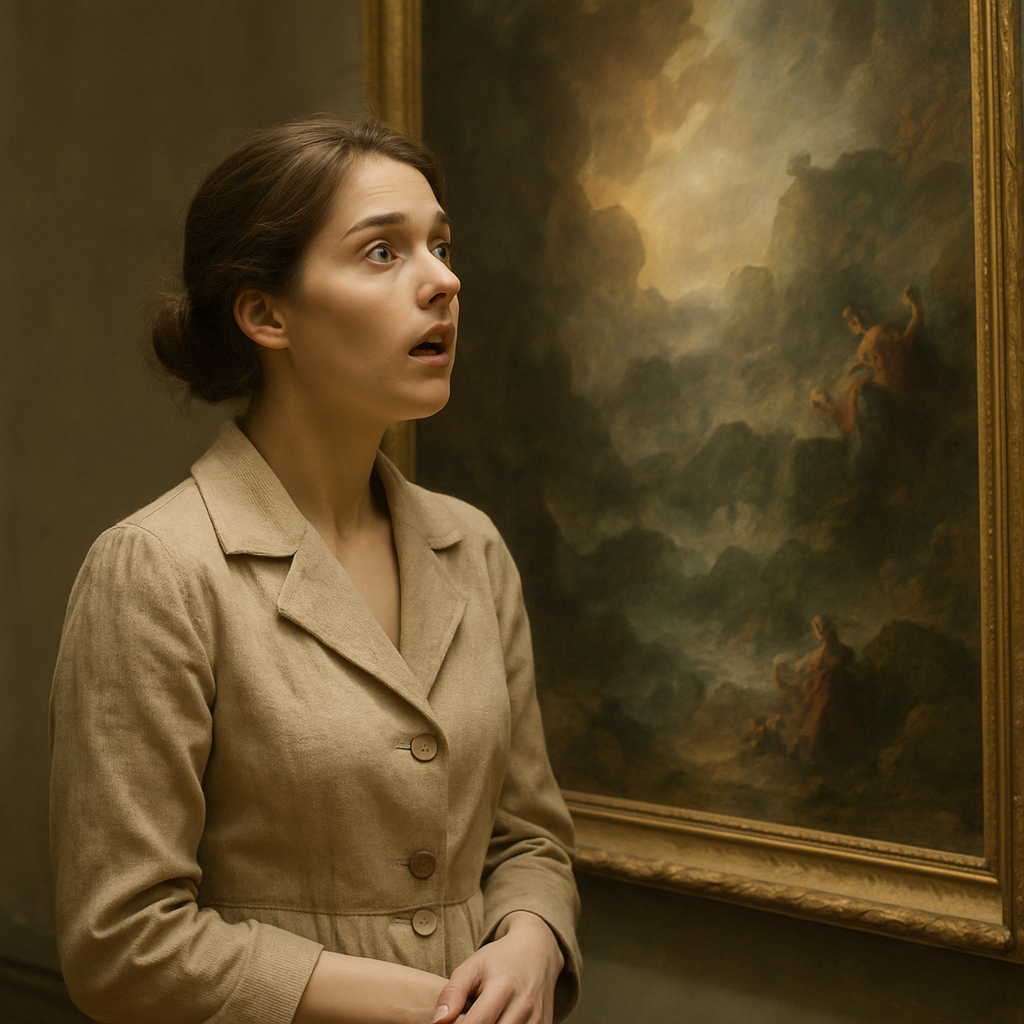
From the dreamlike beauty of Starry Night to the quiet allure of the Mona Lisa, certain artworks seem to enchant people across cultures and centuries. But what makes these pieces so deeply appreciated? Why do they continue to move and inspire us?
The answer lies in a rich mix of emotional connection, artistic brilliance, cultural meaning, and even a touch of mystery. Let’s explore the many reasons why some works of art are not just known—but truly loved.
1. Artistic Innovation That Sparks Admiration
Many beloved artworks introduced something breathtakingly new or bold in their time.
- Van Gogh’s swirling skies and vivid colors in Starry Night redefined emotional expression in painting.
- Monet’s impressionist style captured fleeting light and atmosphere in a way that felt fresh and spontaneous.
✨ Why we admire them: These artists weren’t just technically skilled—they changed how we see the world.
As Vincent van Gogh once said, “There is nothing more truly artistic than to love people.”
2. Emotional Resonance and Relatable Themes
Art that touches something deep and universal in us becomes cherished.
- Frida Kahlo’s self-portraits speak of pain, strength, and identity.
- Hopper’s Nighthawks reflects solitude in modern life—something many people still relate to.
💖 Why we love them: These pieces feel like mirrors to our inner lives.
Pablo Picasso once remarked, “Painting is just another way of keeping a diary.”
3. Powerful Storytelling and Symbolism
Some artworks captivate because they tell stories that resonate, whether mythological, personal, or political.
- Michelangelo’s Creation of Adam is more than a religious scene—it’s a moment of divine connection.
- Klimt’s The Kiss speaks of intimacy and transcendence in a golden dream.
📚 Why we enjoy them: Good art pulls us into a narrative—we don’t just look, we feel.
4. Beauty and Aesthetic Pleasure
Let’s not underestimate the joy of pure visual delight.
- Hokusai’s Great Wave combines movement, rhythm, and balance so perfectly that it feels eternal.
- Georgia O’Keeffe’s flowers offer quiet sensuality and abstraction at once.
🎨 Why we enjoy them: Beauty speaks to the senses. It calms, excites, and uplifts.
Leonardo da Vinci described it well: “Painting is poetry that is seen rather than felt, and poetry is painting that is felt rather than seen.”
5. Mystery and Curiosity
Some artworks are loved not just for what they show, but for what they conceal.
- Why is the Mona Lisa smiling?
- What do Dali’s melting clocks mean?
🌀 Why we’re drawn in: The more layers an artwork has, the longer it stays with us.
6. Shared Cultural Memory and Presence
When we grow up seeing certain artworks in books, films, or museums, they become part of our inner landscape.
- Children may not know who Botticelli is, but they recognize The Birth of Venus.
- Posters of the starry night hang in bedrooms, schools, cafés… everywhere.
🧠 Why we remember them: Repetition breeds affection—familiarity makes room for emotional connection.
7. Meaningful Context and Historical Weight
Some artworks carry emotional or historical gravity that gives them lasting value.
- Picasso’s Guernica remains a powerful anti-war cry.
- Goya’s The Third of May 1808 captures human tragedy and courage.
🕊️ Why we admire them: They remind us of what we’ve felt, fought for, or survived as a species.
8. Personal Interpretation and Subjectivity
Truly loved artworks leave space for you.
- Rothko’s color fields may mean sorrow to one person, serenity to another.
- Abstract pieces often evoke different emotions based on who’s looking.
🌈 Why we connect: The best art lets us bring our own meaning to it. It listens back.
Barbara Hepworth put it beautifully: “The sculptor carves because he must. He needs the concrete form of stone and wood for the expression of his idea and experience.”
. A Gestalt Perspective: The Whole Is More Than the Sum of Its Parts
From a Gestalt psychology viewpoint, we love certain artworks because they are perceived as meaningful wholes, not just collections of color, form, and subject.
- Our minds naturally seek closure, balance, and harmony in visual perception—qualities many beloved artworks contain.
- Artists often use figure-ground relationships (what stands out vs. what recedes) to guide our attention, creating dynamic tension and resolution.
🌀 Why this matters: Gestalt theory explains why we’re drawn to compositions that feel “right”—even if we don’t consciously know why.
In Gestalt therapy, the emphasis on awareness in the present moment also aligns with the way we experience great art: deeply, directly, and wholly. As Fritz Perls, one of Gestalt’s founders, said: “Lose your mind and come to your senses.” That’s exactly what timeless art invites us to do.
🎯 Final Reflection: What Makes Art Truly admired?
Art becomes admired not just because it’s famous or historically important—but because it makes people feel, think, and wonder. Some pieces reach us in quiet ways, others shout across history—but the ones we love most stay with us, like an old friend, long after we’ve left the gallery.
 Kika's world