
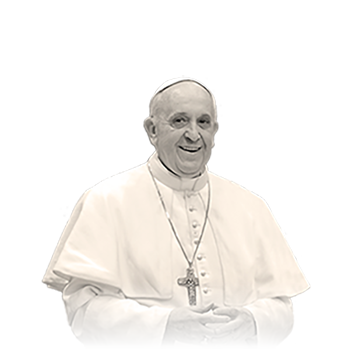
Franciscus
Jorge Mario Bergoglio
13.III.2013 – 21.IV.2025
Pope Francis was a truly unique figure among modern Popes — both in style and substance. His papacy (2013–2025) stood out in numerous profound ways that not only distinguished him from his predecessors, but also reshaped the global perception and direction of the Catholic Church.
What made Pope Francis different, and what he changed:
🕊️ 1. Tone of Leadership: Humility First
- Chose the name “Francis” after St. Francis of Assisi, signaling humility, simplicity, and care for the poor and the environment — a first in papal history.
- Lived in a modest guesthouse (Casa Santa Marta) instead of the luxurious Papal Apartments.
- Personally called everyday people, refused to use armored cars, and often broke protocol to connect more directly with others.
🌍 2. A Global, Inclusive Vision
- First Jesuit and first Latin American Pope — brought a global South perspective to the Vatican.
- Shifted focus from Eurocentrism toward global inclusion: Asia, Africa, and Latin America were elevated in church diplomacy.
- Frequently warned against “spiritual colonialism”, encouraging respect for local cultures and diverse religious experiences.
♻️ 3. Radical Action on Climate and Ecology
- His encyclical Laudato Si’ (2015) was groundbreaking — the first major papal document focused entirely on the environment and climate change.
- Called climate change a moral issue and challenged world leaders to act on behalf of the planet and the poor.
- Framed ecological destruction as “sin against creation.”
💬 4. Tone on LGBTQ+ and Social Issues
- Famously said: “Who am I to judge?” when asked about gay priests — a dramatic shift in tone, though not doctrine.
- Encouraged greater compassion and welcome for divorced Catholics, LGBTQ+ individuals, and those living in non-traditional family structures.
- Supported civil unions for same-sex couples as a legal protection (without changing church teaching on marriage).
🧹 5. Reform of Vatican Bureaucracy (Curia)
- Worked to clean up financial scandals in the Vatican Bank.
- Pushed for transparency and accountability in church finances and decision-making.
- Restructured Vatican offices to emphasize evangelization and service rather than hierarchy and politics.
🙏 6. Interfaith Bridge-Builder
- Engaged deeply with other faiths — Islam, Judaism, Buddhism, and even non-believers.
- Historic meetings with:
- Grand Imam of Al-Azhar (Muslim-Christian cooperation)
- Patriarch Kirill of Moscow (first such meeting in 1,000 years)
- Advocated for human fraternity and global peace.
😔 7. Handling of Sexual Abuse Scandals
- Initially criticized for being too slow, but later acknowledged failures and took stronger actions:
- Removed high-ranking abusers.
- Met with survivors.
- Introduced new anti-abuse protocols and accountability measures for bishops.
✝️ 8. Spiritual Emphasis Over Dogma
- De-emphasized rigid doctrinal enforcement in favor of compassion, mercy, and service.
- Called for a “poor church for the poor.”
- Criticized clericalism and urged a return to the Church’s pastoral mission.
🌐 Legacy:
Pope Francis will be remembered not as a radical in doctrine, but as a radical in tone, gesture, and action. He turned the focus of the Church toward the margins, the planet, and the future, challenging a deeply traditional institution to look outward and forward.
Profound Reflections by Pope Francis
- On Humility and Service:
“The world tells us to seek success, power, and money; God tells us to seek humility, service, and love.” - On Mercy:
“A little bit of mercy makes the world less cold and more just.” - On Selfless Giving:
“To change the world we must be good to those who cannot repay us.” - On Environmental Responsibility:
“The Earth, our home, is beginning to look more and more like an immense pile of filth.” - On Faith and Challenges:
“Having faith does not mean having no difficulties, but having the strength to face them, knowing we are not alone.” - On Leadership:
“True power is service.” - On Embracing Others:
“Let the Church always be a place of mercy and hope, where everyone is welcomed, loved, and forgiven.” - On God’s Presence:
“God is in every person’s life. Even if the life of a person has been a disaster… God is in this person’s life.” - On Death and Eternal Life:
“Death is not an end but a transition to eternal life—a true new beginning.”
 Kika's world