
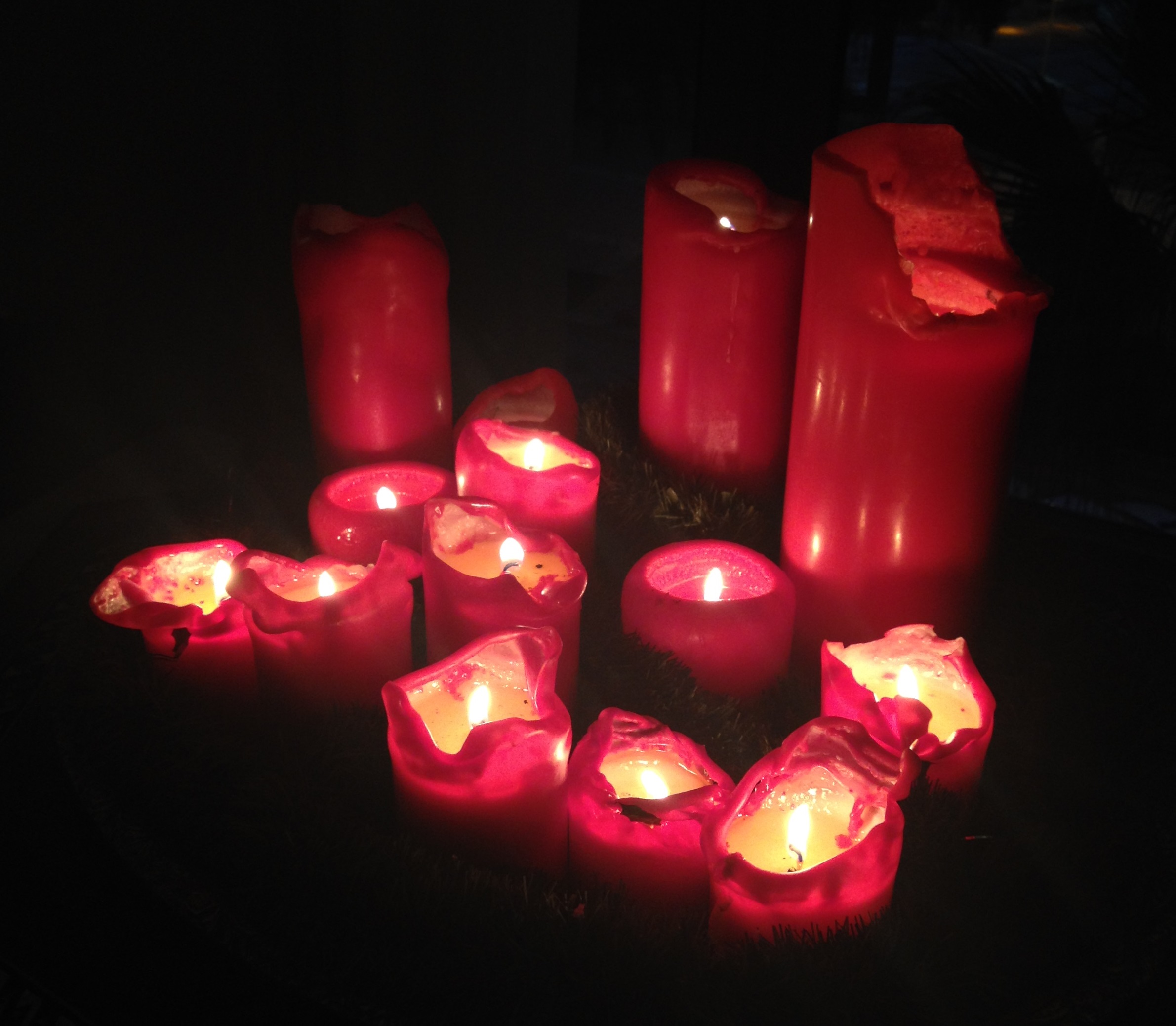
Image copyright: kikasworld.com
For centuries, candles have been a universal symbol of light, hope, and guidance. Their flickering flames illuminate not only physical spaces but also the hearts and minds of those who gather around them. Whether used in celebrations, rituals, or prayers, candles hold a deep spiritual significance in many religions across the world. What is it about this simple wax-and-wick creation that resonates so powerfully with humanity? Let us explore the rich tapestry of meanings and traditions surrounding candles in various faiths, and perhaps by the end, you’ll find yourself lighting a candle with renewed appreciation.
Christianity: The Flame of Faith
In Christianity, candles have profound significance, symbolizing Christ as the Light of the World. From the earliest days of the faith, candles have been used in churches to dispel darkness and bring a sense of sacred presence.
One of the most iconic uses is during the Easter Vigil, where the Paschal Candle is lit. This large, beautifully decorated candle represents the resurrection of Christ and the triumph of light over darkness. Smaller candles are then lit from it, passed among the congregation in a symbolic spreading of hope and faith.
Candles are also a central part of prayers and votive offerings. A believer lighting a candle at an altar is often a gesture of prayer, a plea for divine intervention, or a way to honor a loved one. The flame’s steady burn represents the soul’s connection to God, unwavering and eternal.
Have you ever lit a candle in a quiet moment of reflection? How did it make you feel?
Judaism: A Tradition of Remembrance and Celebration
In Judaism, candles are deeply tied to the cycles of life and the observance of holy days. The most well-known practice is the lighting of the Shabbat candles. As the sun sets on Friday evening, Jewish families kindle two candles to welcome the Sabbath, a day of rest and spiritual renewal. The soft glow of these candles transforms the home into a sacred space, inviting peace and introspection.
Candles also play a vital role in the Festival of Lights, or Hanukkah. The menorah, with its eight branches and central shamash candle, commemorates the miracle of the oil that burned for eight days in the rededicated temple. Each night, an additional candle is lit, accompanied by blessings and songs, celebrating resilience and divine providence.
Additionally, Yahrzeit candles are lit in memory of loved ones on the anniversary of their passing. These 24-hour candles burn steadily, symbolizing the enduring presence of the departed soul.
Isn’t it remarkable how something as ephemeral as a candle can embody both memory and hope?
Hinduism: Illuminating the Path to the Divine
In Hinduism, the use of candles or diyas (small oil lamps) is inseparable from worship and festivals. Diyas are often lit during puja (worship rituals) as an offering to deities, symbolizing the removal of ignorance and the welcoming of divine wisdom.
Diwali, the Festival of Lights, is perhaps the most famous occasion for lighting diyas. Celebrated with fervor and joy, this festival marks the victory of light over darkness and good over evil. Rows of diyas are placed on windowsills, balconies, and along pathways, creating a magical and luminous atmosphere that speaks to the triumph of hope and unity.
Even in daily life, lighting a diya at a home altar is a common practice, fostering a connection with the divine. The flame is considered sacred, representing the atman (soul) and its eternal nature.
Have you ever watched a diya’s flame dance in the quiet of the night? Did it stir something deep within you?
Buddhism: The Candle as a Symbol of Enlightenment
In Buddhism, candles are often used alongside incense and flowers in rituals and meditative practices. They are offerings to Buddha, symbolizing respect, gratitude, and the aspiration for enlightenment.
The light of the candle signifies wisdom, illuminating the darkness of ignorance. During Vesak, a major Buddhist festival that celebrates the birth, enlightenment, and passing of Buddha, candles are lit in homes, temples, and public spaces. These lights remind practitioners of their own potential to awaken and embody compassion and insight.
In some Buddhist traditions, it is customary to meditate in the presence of a single burning candle, using its steady flame as a focal point. This practice encourages concentration and mindfulness, guiding the meditator toward inner clarity.
When was the last time you sat in silence and simply observed a flame? What did it reveal to you?
Islam: The Subtle Glow of Devotion
While candles are not a central symbol in Islam, they are occasionally used in cultural practices and spiritual settings. In some Sufi traditions, candles may be lit during dhikr (remembrance of God) ceremonies, where participants chant and meditate to draw closer to the divine.
The soft glow of a candle can create an atmosphere of tranquility, aiding in reflection and prayer. Additionally, candles are sometimes used during Islamic festivals like Mawlid al-Nabi, the celebration of the Prophet Muhammad’s birthday, to enhance the ambiance of reverence and joy.
The symbolism of light is ever-present in Islamic teachings, with the Qur’an describing Allah as “The Light of the heavens and the earth” (Surah An-Nur 24:35). This divine light, while not represented by candles specifically, inspires Muslims to seek enlightenment and purity in their lives.
Does the presence of light in any form make you feel closer to something greater than yourself?
Paganism: Honoring the Elements and the Cycles of Nature
In Pagan traditions, candles are a vital part of rituals, ceremonies, and seasonal celebrations. Each color of candle is believed to hold specific energies, used to manifest intentions, honor deities, or mark the turning of the Wheel of the Year.
During Samhain, the festival marking the end of the harvest season and the beginning of winter, candles are lit to honor ancestors and guide spirits. Similarly, at Yule, the winter solstice, candles are used to welcome the return of the sun and celebrate the promise of longer days ahead.
For many Pagans, the act of lighting a candle is a sacred gesture that acknowledges the interconnectedness of all life. The flame serves as a bridge between the earthly and the divine, grounding rituals in both the physical and spiritual realms.
Have you ever lit a candle with a specific intention in mind? What was the outcome?
A Universal Symbol
Despite the diversity of religious traditions, the candle remains a unifying symbol of light, hope, and transformation. Its flickering flame speaks a universal language, reminding us of our shared humanity and our collective longing for connection and meaning.
The next time you light a candle, take a moment to reflect on its profound symbolism. Whether you’re marking a sacred occasion, offering a prayer, or simply seeking comfort, know that you are participating in an ancient and beautiful tradition.
What does the flame of a candle mean to you? Perhaps it’s time to light one and find out.
 Kika's world