
Gestalt Therapy:
- Gestalt therapy, developed by Fritz Perls, focuses on increasing self-awareness and embracing the “here and now.” Therapists using this approach encourage individuals to become fully present in their thoughts, feelings, and experiences. When it comes to coping with fear of the future, Gestalt therapy can help individuals explore how their worries manifest in the present moment. By acknowledging and addressing these immediate concerns, individuals can often gain insight into their deeper fears and develop more effective coping strategies. This therapy emphasizes personal responsibility and self-acceptance, which can empower individuals to confront and manage their anxieties about the future in a constructive manner.

Cognitive-Behavioral Therapy (CBT):
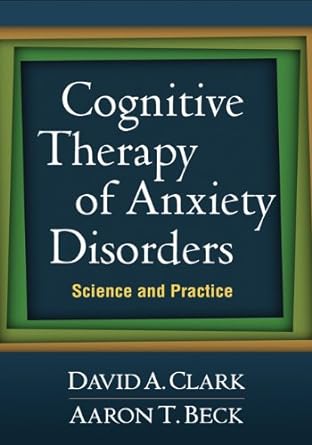
- Psychologists who practice CBT, such as Aaron T. Beck, suggest identifying and challenging irrational thoughts and beliefs related to the future. CBT helps individuals develop more constructive thought patterns and coping strategies.
Mindfulness-Based Stress Reduction (MBSR):
- Developed by Jon Kabat-Zinn, MBSR promotes mindfulness and meditation practices to help individuals stay grounded in the present moment. This approach can reduce anxiety about the future by focusing on the here and now.

Positive Psychology:
- Psychologists like Martin Seligman advocate for the cultivation of positive emotions, strengths, and resilience. Positive psychology interventions can shift the focus from fear to building a fulfilling and optimistic future.

Psychodynamic Therapy:
- Psychodynamic therapists, like Sigmund Freud, explore the subconscious and unconscious factors that contribute to anxiety about the future. The aim is to uncover and address underlying conflicts and fears.

Acceptance and Commitment Therapy (ACT):
- Developed by Steven C. Hayes, ACT encourages individuals to accept their anxious thoughts and feelings rather than trying to suppress them. It emphasizes values-based actions and mindfulness to create a more fulfilling life despite fear.

Attachment Theory:
- Psychologists like John Bowlby suggest that understanding one’s attachment style can provide insights into fear and anxiety about the future. Therapy may focus on developing secure attachments and addressing attachment-related fears.

Family Systems Therapy:
- Psychologists influenced by family systems theory, such as Murray Bowen, examine how family dynamics and intergenerational patterns may contribute to future-related fears. Therapy can help individuals create healthier family dynamics.

Existential Therapy:
- Existential therapists, like Irvin D. Yalom, explore the fundamental questions of life and death, helping individuals find meaning and purpose. Addressing existential concerns can alleviate anxiety about the unknown future.

Biofeedback and Relaxation Techniques:
- Psychiatrists and psychologists may recommend techniques such as biofeedback, deep breathing exercises, and progressive muscle relaxation to manage anxiety symptoms and promote relaxation when facing future fears.
Neuro-Linguistic Programming (NLP)
Neuro-Linguistic Programming (NLP) offers a range of techniques that can be valuable for individuals coping with the fear of the future. By harnessing the power of language, thought patterns, and behaviors, NLP provides tools for reframing negative thoughts, anchoring positive emotions, and visualizing success. It encourages individuals to change their internal dialogues, set clear goals, and develop sensory acuity to identify triggers for fear and anxiety. Time Line Therapy, a specific aspect of NLP, also addresses past emotional baggage that may influence future apprehensions. While NLP can be a helpful approach, its effectiveness varies from person to person. To maximize its benefits, individuals may work with trained NLP practitioners or therapists who can tailor techniques to their unique needs and preferences. Combining NLP with other therapeutic approaches or self-help strategies can provide a holistic approach to managing fear and anxiety about the future.
These approaches represent a range of psychological and therapeutic perspectives on coping with fear and anxiety about the future. The choice of approach may depend on an individual’s specific needs, preferences, and the underlying causes of their anxiety. It’s advisable to consult with a mental health professional to determine the most suitable approach for your situation.
 Kika's world