

As a result of the extreme discomfort caused by my friend, who constantly silences family members expressing negative situations and dismissively says, “There’s no need to talk about these things,” I began researching this obsession with positivity. I have come across various sources indicating that this is, in fact, a toxic communication style, causing as much distress as negative speech and putting pressure on a person’s psychological state. Instead of obsessing over this topic, I decided to address the damaging effects of toxic positivity, also known as “Polyannaism.” In life, everything is about balance. Positivity and negativity always coexist. Neither can exist without the other. The things we deny within ourselves often persist, yet we lack the courage to face them or deal with them. Isn’t silencing someone who expresses their feelings negatively also a negative action? Saying, “Let’s not talk about this now,” or ignoring the issue, or saying, “It’s all in the past now…” Whatever we suppress will resurface with greater strength in front of us.
While those around me may not notice or voice their concerns, I asked myself why this issue bothered me so much. Firstly, when a person expressing a negative topic is silenced, their ability to express themselves honestly and sincerely is hindered. The opportunity to discuss possible solutions regarding the matter is closed off. The person may have received the message that expressing something negative is not acceptable. External intervention has impeded individuals’ communication. By suggesting not to talk about these issues, a sense of discomfort is created. When a toxic positive individual chooses to silence others instead of changing the environment, they are interfering with others’ freedom of expression. I frequently encounter this behavior, especially among family members.
Intending to learn from everything that comes our way and create awareness, knowing that it all comes to us for a reason, I wanted to explore the topic by defining my friend’s role as an “awakening call.”
Positivity is often seen as a valuable trait that helps individuals navigate life’s challenges with resilience and hope. However, when positivity is taken to an extreme and used to dismiss or deny genuine emotions and struggles, it can become toxic. Toxic positivity is a social phenomenon that involves enforcing a relentless optimistic facade while suppressing or invalidating any negative emotions. In this article, we will explore toxic positivity in different spheres of life, its effects on friendships, work, and family dynamics, its positive and negative sides, books written on this subject, famous quotes, and how to find a balance between optimism and acknowledging reality.
What is Toxic Positivity in Friendships?
In friendships, toxic positivity can manifest when one friend constantly brushes off the other’s problems with overused phrases like “just stay positive” or “everything happens for a reason.” While their intentions might be good, this kind of response can make the struggling friend feel unheard and unsupported. True friendship requires empathy and genuine understanding, even during challenging times.
What is Toxic Positivity at Work?
In the workplace, toxic positivity can create an unhealthy environment where employees feel pressured to suppress their authentic feelings. Employers or colleagues may use the guise of positivity to silence concerns or stressors, hindering open communication and problem-solving. Employees should feel safe expressing both positive and negative emotions, as it fosters a more honest and productive work culture.
What is Toxic Positivity in Families?
Within families, toxic positivity can be particularly damaging. Parents or family members may dismiss their loved ones’ struggles by urging them to “just be happy” or “focus on the good.” While the intention might be to encourage, it can cause emotional disconnection and prevent family members from addressing underlying issues. Healthy family dynamics involve supporting one another through both ups and downs.
The Negative and Positive Sides of Toxic Positivity
Negative Side:
- Emotional Suppression: Toxic positivity can force individuals to bury their true emotions, leading to emotional distress and unresolved issues.
- Invalidating Feelings: It dismisses genuine struggles, making people feel unheard and invalidated.
- Masking Problems: By promoting constant positivity, it can deter individuals from seeking help for real problems that need addressing.
Positive Side:
- Coping Mechanism: In some situations, a dash of positivity can help individuals cope with challenges temporarily.
- Encouragement: It can serve as a reminder to maintain hope during difficult times.
- Optimism: Optimism can be a driving force for setting and achieving goals.
Some good books to read to change this toxic mindset and accept life:

- “The Power of Negative Thinking: An Unconventional Approach to Achieving Positive Results” by Bob Knight
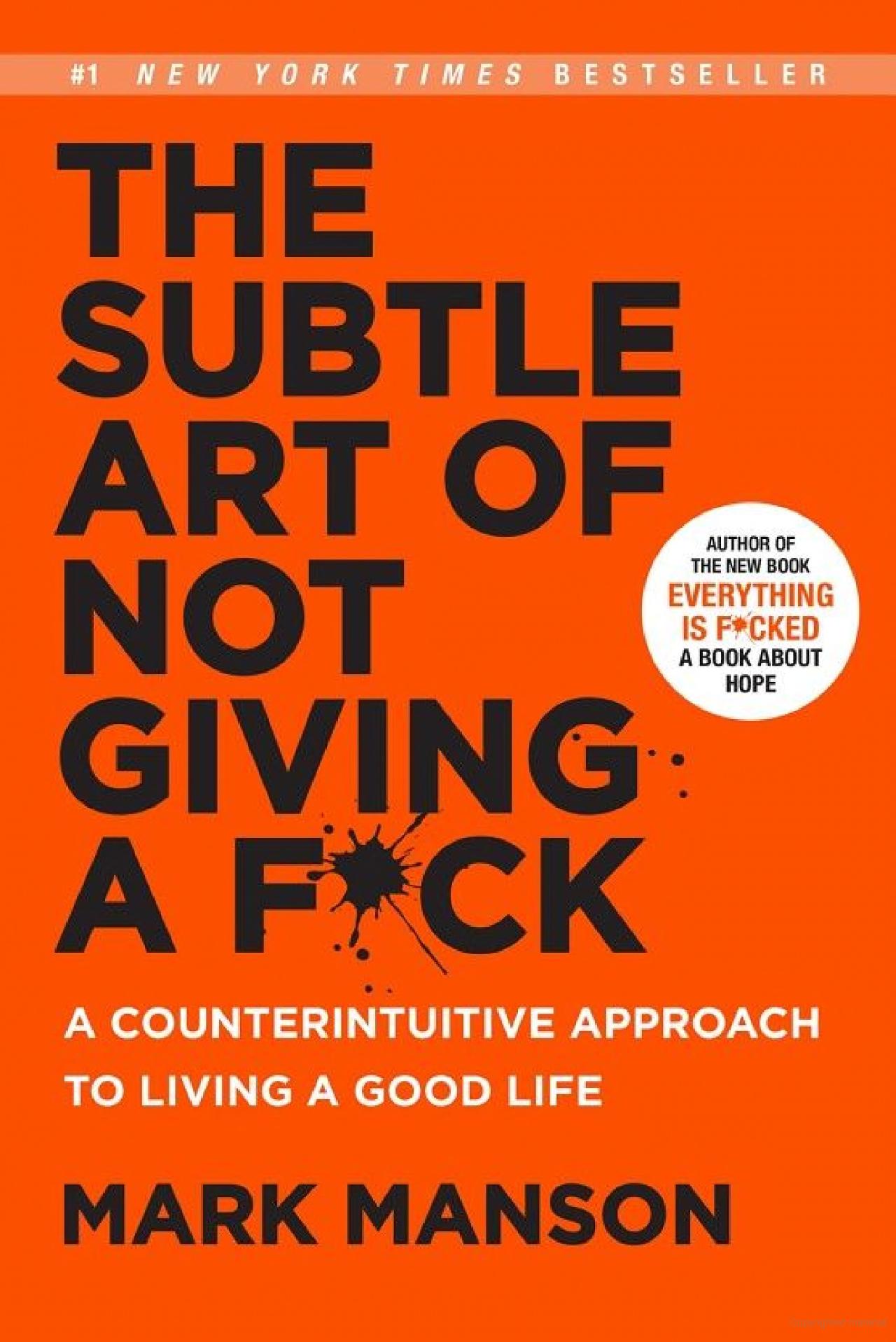
- “The Subtle Art of Not Giving a F*ck: A Counterintuitive Approach to Living a Good Life” by Mark Manson
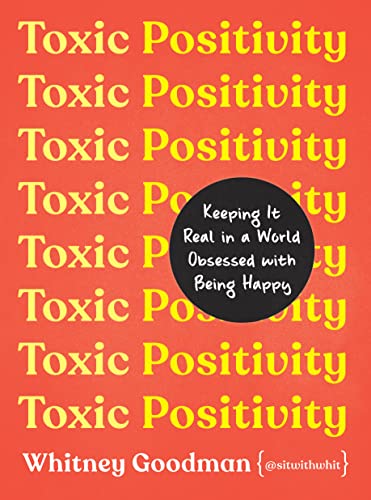
- Toxic Positivity: Keeping It Real in a World Obsessed with Being by Whitney Goodman
Famous Quotes
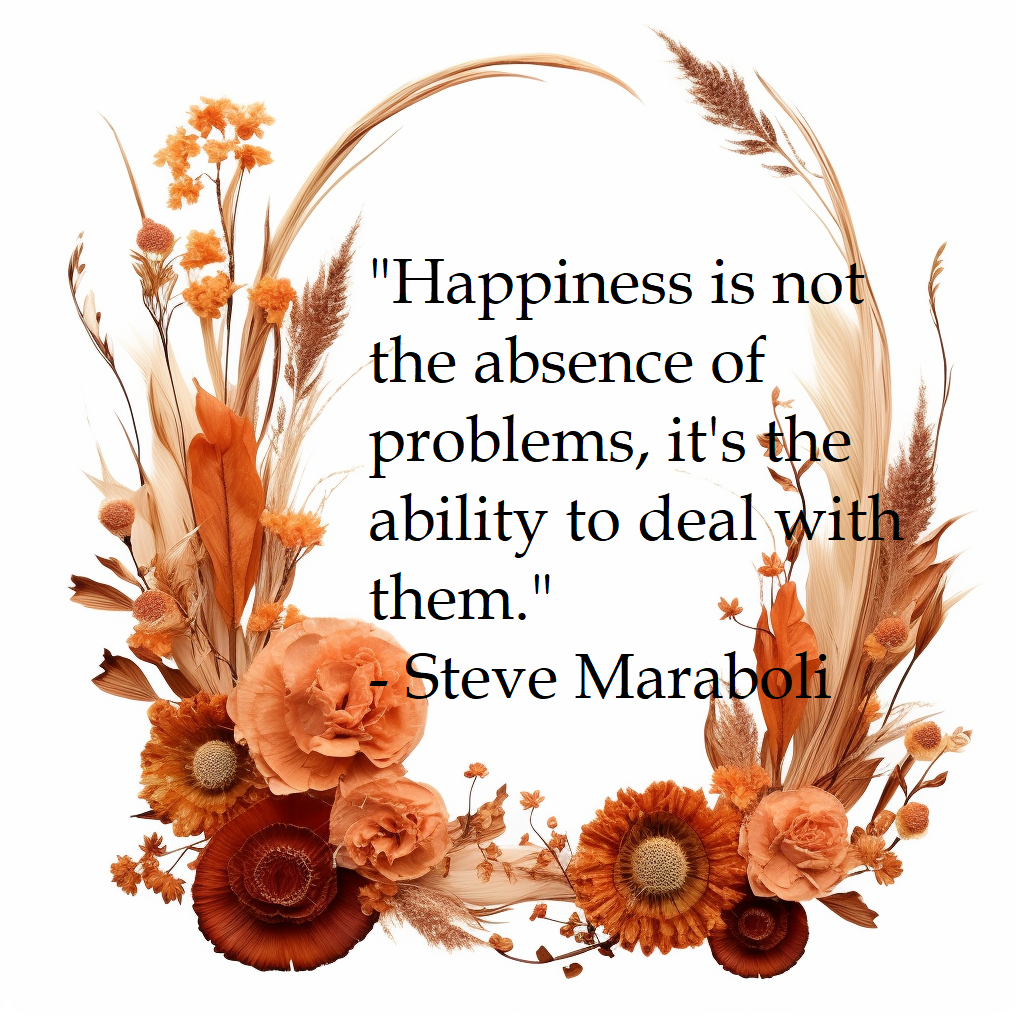
- “Happiness is not the absence of problems, it’s the ability to deal with them.” – Steve Maraboli
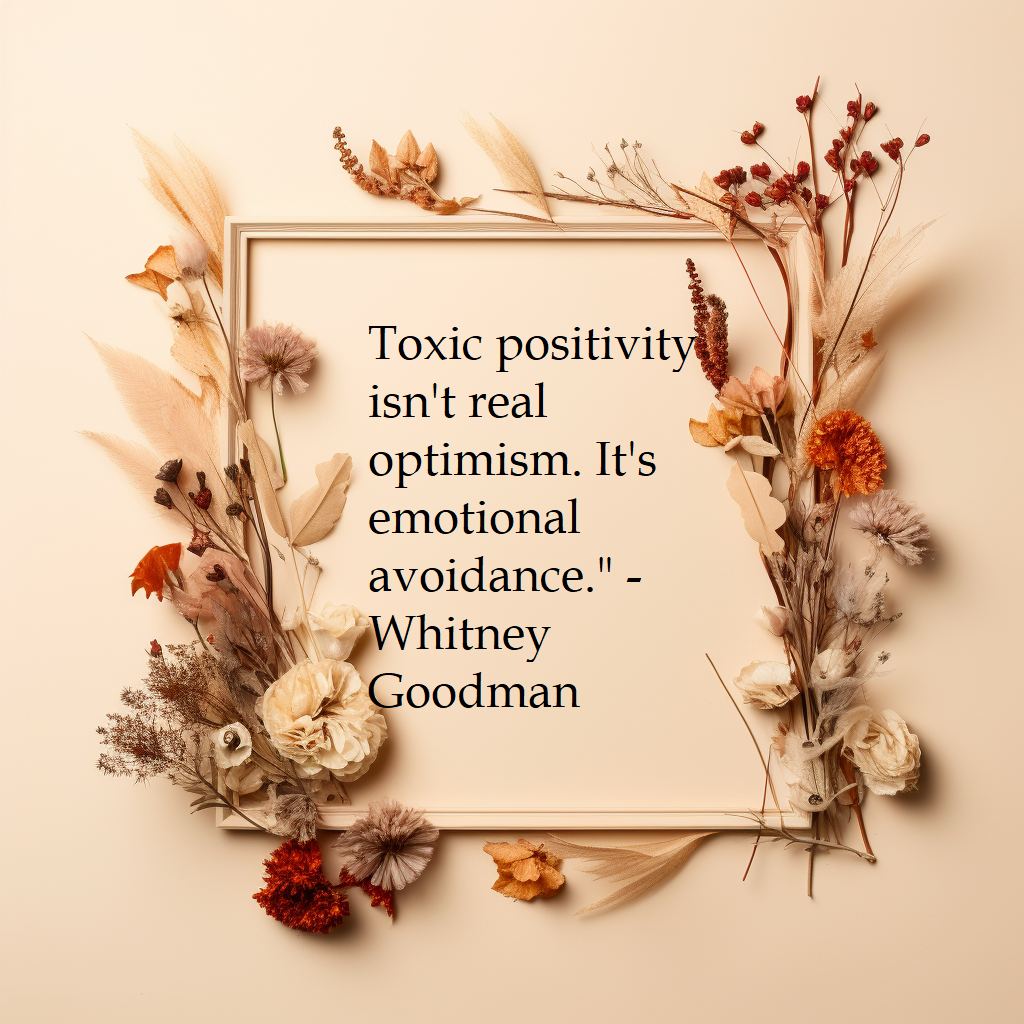
“Toxic positivity isn’t real optimism. It’s emotional avoidance.” – Whitney Goodman

“We cannot selectively numb emotions, when we numb the painful emotions, we also numb the positive emotions.”
— Brené Brown

There’s no difference between a pessimist who says, ‘It’s all over, don’t bother trying to do anything, forget about voting, it won’t make a difference,’ and an optimist who says, ‘Relax, everything is going to turn out fine.’ Either way the results are the same. Nothing gets done.
— Yvon Chouinard
How to Balance Reality and Toxic Positivity
- Acknowledge Emotions: Encourage open discussions about feelings, both positive and negative, fostering a safe space for everyone to express themselves.
- Practice Empathy: Show understanding and support to those experiencing difficulties, rather than brushing off their concerns with empty optimism.
- Set Realistic Expectations: Embrace a balanced outlook that acknowledges life’s ups and downs, understanding that it’s natural to experience a range of emotions.
- Cultivate Mindfulness: Stay present and observe emotions without judgment, allowing for a more authentic and emotionally intelligent response to challenges.
Conclusion
Toxic positivity may seem harmless, but its long-term effects on individuals and relationships can be detrimental. Recognizing the importance of both optimism and acknowledging reality is crucial in maintaining a healthy emotional balance. By fostering empathy, open communication, and a genuine understanding of emotions, we can create a supportive environment where everyone feels valued, heard, and able to cope with life’s ups and downs more effectively.
Navigating Communication with Toxic Positive Individuals: Strategies for Effective Interaction
Interacting with toxic positive people can be challenging, as their relentless optimism and dismissal of negative emotions can leave others feeling unheard and invalidated. However, there are strategies to engage with them constructively while preserving your own well-being.
- Validate Your Feelings: Start by acknowledging your emotions without judgment. When discussing concerns with a toxic positive person, use “I” statements to express how you feel. For example, “I’m feeling overwhelmed with work and need someone to listen.”
- Encourage Empathy: Prompt empathy by sharing specific examples of your struggles. For instance, “I had a rough day at work; my project got rejected, and I could use some support.”
- Set Boundaries: Establish clear boundaries when discussing sensitive topics. Politely express that you appreciate their positive outlook, but you need space to process your feelings.
- Focus on Solutions: Shift the conversation towards finding practical solutions while acknowledging the challenges. For example, “I know you believe things will work out, but I’d appreciate your thoughts on how to improve the situation.”
- Educate Gently: Help them understand the importance of acknowledging negative emotions as a part of personal growth. Share resources or personal experiences to illustrate this point.
Remember, communication is a two-way street, and respectful dialogue can foster understanding between individuals with different perspectives. By validating your feelings, setting boundaries, and gently educating toxic positive individuals, you can navigate conversations with them more effectively while promoting emotional well-being for both parties.
 Kika's world